
Clínica de terapia con células madre Giostar
México, Cancún


Revisado médicamente por
Fahad Mawlood
Pancreatic cancer treatment cost in Mexico is significantly influenced by the disease stage and selected therapies. A complex diagnosis of pancreatic cancer runs from Precio a consultar to Precio a consultar, while essential treatments like chemotherapy for pancreatic cancer cost between $4,500 and $8,500. Patients typically save 50-70% compared to US prices. Leading treatment centers are located in Mexico City, Monterrey, and Cancun.
Typical Pancreatic Cancer Treatment Costs in Mexico
Bookimed Expert Insight: Patients seeking integrative oncology benefit from clinics like Holistic Bio Spa, which combines alternative methods. For surgical oncology, Galenia Hospital provides JCI-accredited care under specialists like Dr. Brenda Pastrana. Advanced cases may utilize NK cell therapy or stem cell protocols at Giostar clinics. These innovative treatments typically start around $4,800. These options are best for patients needing supportive or regenerative care alongside conventional treatments.
| España | Turquía | México | |
|---|---|---|---|
| Tomoterapia | ≈ $7,500 | de $6,700 | ≈ $9,000 |
| Terapia con haz de protones | de $43,300 | de $25,000 | ≈ $38,000 |
| Quimioterapia para el cáncer de páncreas | de $1,900 | de $1,700 | ≈ $4,500 |
| Quimioterapia para el cáncer de mama | de $1,700 | de $1,900 | ≈ $4,500 |
| Nanocuchillo | ≈ $9,500 | ≈ $9,500 | ≈ $12,000 |
Bookimed no añade cargos extra a los precios de los tratamientos de Cancer de pancreas. Las tarifas proceden de las listas de precios oficiales de las clínicas. Pagará directamente en la clínica por su tratamiento a su llegada al país.
Bookimed está comprometido con su seguridad. Solo trabajamos con las clínicas que mantienen altos estándares internacionales en el tratamiento de Cancer de pancreas y cuentan con las licencias necesarias para atender a pacientes internacionales en todo el mundo.
Bookimed ofrece asistencia experta gratuita. Un coordinador médico personal le apoya antes, durante y después de su tratamiento, resolviendo cualquier problema. Nunca estará solo en su viaje médico de tratamiento de Cancer de pancreas.

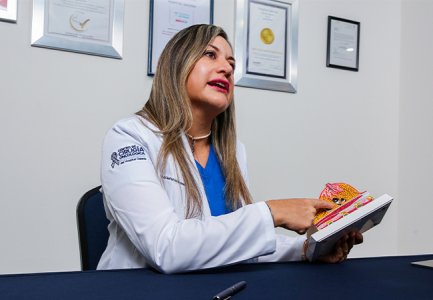
El Dr. Pastrana es un oncólogo quirúrgico certificado por el consejo, especializado en cáncer de páncreas en el Hospital Galenia.

Jefe de Enseñanza en el Hospital Regional de Puerto Vallarta – El Dr. Perez combina la práctica clínica con el liderazgo en educación médica.

Escrito por Veronika Kazina

Escrito por Veronika Kazina

Escrito por Veronika Kazina

Escrito por Veronika Kazina

Escrito por Veronika Kazina
 Olena Sikoza
Los defensores del paciente, los corredores de seguros especializados y los departamentos internacionales de los hospitales ayudan a navegar por el sistema médico mexicano. Organizaciones como PASMA y Be Well San Miguel ofrecen orientación hospitalaria. Corredores con licencia como Guardian Insurance MX ayudan con las reclamaciones. Bookimed coordina toda la comunicación con la clínica, la logística y la programación.
Perspectiva de expertos de Bookimed: Elegir clínicas con un alto volumen de pacientes y departamentos internacionales establecidos es vital para una logística fluida. Por ejemplo, Giostar Stem Cell Therapy en Cancún trata a 5,000 pacientes al año. Los hospitales con estos volúmenes suelen tener personal d
La preparación para una cirugía de cáncer de páncreas en México requiere seleccionar instalaciones acreditadas por la JCI en ciudades como Cancún o la Ciudad de México. Los pacientes deben verificar la certificación de la junta a través del Consejo Mexicano de Cirugía General. Planifique una estancia postoperatoria de 7 a 14 días para gestionar la recuperación antes de volar a casa de manera segura.
Perspectiva del experto de Bookimed: Los datos de los principales centros oncológicos mexicanos muestran que los resultados exitosos a menudo dependen del volumen quirúrgico más que solo de las calificaciones de la clínica. Especialistas como la Dra. Brenda Pastrana en el Hospital Galenia mantienen estrictos estándares de certificación hasta 2030, lo cual es una señal de calidad crítica. Elegir un centro en un centro médico como Cancún garantiza el a
La atención avanzada para el cáncer de páncreas en México incluye cirugías de alta complejidad y terapias adyuvantes especializadas. Los pacientes acceden al procedimiento de Whipple y a la pancreatectomía distal en los principales centros. Los regímenes de quimioterapia estándar como FOLFIRINOX y gemcitabina están ampliamente disponibles. Las opciones innovadoras incluyen HIPEC y la inmunoterapia con células dendríticas.
Perspectiva del experto de Bookimed: Aunque muchos buscan atención alternativa en Tijuana, la oncología quirúrgica especializada es más fuerte en Cancún y Ciudad de México. La Dra. Brenda Pastrana en Cancún cuenta con la certificación del consejo Conacem específicamente en oncología quirúrgica hasta 2030. Este nivel de acreditación es fundamental para resecciones complejas como el
La recuperación después de una cirugía de cáncer de páncreas en México generalmente implica una estancia hospitalaria de 7 a 14 días. La mayoría de los pacientes retoman actividades ligeras dentro de las 4 semanas. La fuerza física completa generalmente toma 3 meses. Los escaneos de seguimiento y las pruebas de marcadores tumorales ocurren inicialmente cada 3 a 6 meses.
Perspectiva de expertos de Bookimed: Los protocolos oncológicos mexicanos a menudo priorizan la movilización temprana para acelerar la recuperación. Los datos muestran que las clínicas en ciudades como Cancún o Ciudad de México utilizan frecuentemente el monitoreo digital a través de WhatsApp para chequeos intermedios. Esto reduce la necesidad de que los pacientes internacionales regresen para consultas menores. La Dra. Brenda Pastrana en el Hospital Galenia está certificada hasta 2030, lo que garantiza la continui
Ciudad de México, Monterrey y Guadalajara albergan la mayor concentración de oncólogos pancreáticos certificados en México. Instalaciones especializadas como el Instituto Nacional de Cancerología (INCan) y hospitales acreditados por la JCI como Médica Sur y Hospital Ángeles cumplen con el rigor internacional. Expertos como el Dr. Ismael Domínguez se especializan en la compleja cirugía de Whipple.
Perspectiva del experto de Bookimed: Si bien la Ciudad de México atiende el mayor volumen de pacientes, los centros en Cancún y Puerto Vallarta se están convirtiendo en centros especializados para la atención regenerativa e integrada. Por ejemplo, la Dra. Brenda Pastrana en el Hospital Galenia en Cancún es una de las pocas especialistas explícitamente certificadas por el CONACEM hasta 2030. Esta certificación a largo plazo e
Empaque capas de algodón holgadas y transpirables y camisas con botones para garantizar un fácil acceso médico durante la quimioterapia o la recuperación de la cirugía de Whipple. Priorice las telas que absorben la humedad para controlar los sudores nocturnos inducidos por la humedad. Incluya calzado antideslizante y equipo esencial de prevención de infecciones para su estancia de 14 días en clínicas mexicanas.
Perspectiva de expertos de Bookimed: Si bien clínicas como Holistic Bio Spa® o el Hospital Galenia brindan atención profesional, las comodidades de las instalaciones varían significativamente. Aquí hay un consejo del coordinador: la humedad tropical de México hace que la ropa tarde en secarse, y las farmacias oncológicas especializadas pueden tener falta de existencias. Empaque un suministro de 14 días de medicamentos personales y varios pares de ropa interi

