Cistitis en Alemania: las 12 mejores clínicas para su tratamiento


Revisado médicamente por
Fahad Mawlood
Cómo funciona
¿Cuál es el precio del diagnóstico y los tratamientos de Cistitis en Alemania? Descubra ahora
El costo del tratamiento de la cistitis en Alemania generalmente depende de si la afección es aguda o crónica. De $60. Los gastos totales varían según la categoría de la clínica y la necesidad de hospitalización. Los pacientes a menudo encuentran atención de alta calidad en importantes centros médicos como Hamburgo, Solingen y Fráncfort del Meno.
Costos típicos del tratamiento de la cistitis en Alemania
- Hemograma completo: de $60
- Consulta con un urólogo: de $180
- Consulta con un ginecólogo: de $160
- Tratamiento farmacológico para la cistitis: Precio a consultar
Perspectiva de los expertos de Bookimed: Para casos crónicos o complejos, los centros afiliados a universidades brindan la atención urológica más integral. El Centro Médico de Solingen ofrece experiencia especializada a través de la médica jefa Séverine Iborra, quien posee certificaciones duales en uroginecología. Esto es ideal para pacientes con infecciones recurrentes que necesitan una evaluación multidisciplinaria. Las grandes redes como el Hospital Asklepios Barmbek atienden a más de 80,000 pacientes al año, ofreciendo seguridad estandarizada y de alto volumen para tratamientos agudos de rutina.
Descubra las mejores clínicas de tratamiento de Cistitis en Alemania: 12 opciones verificadas y Precios
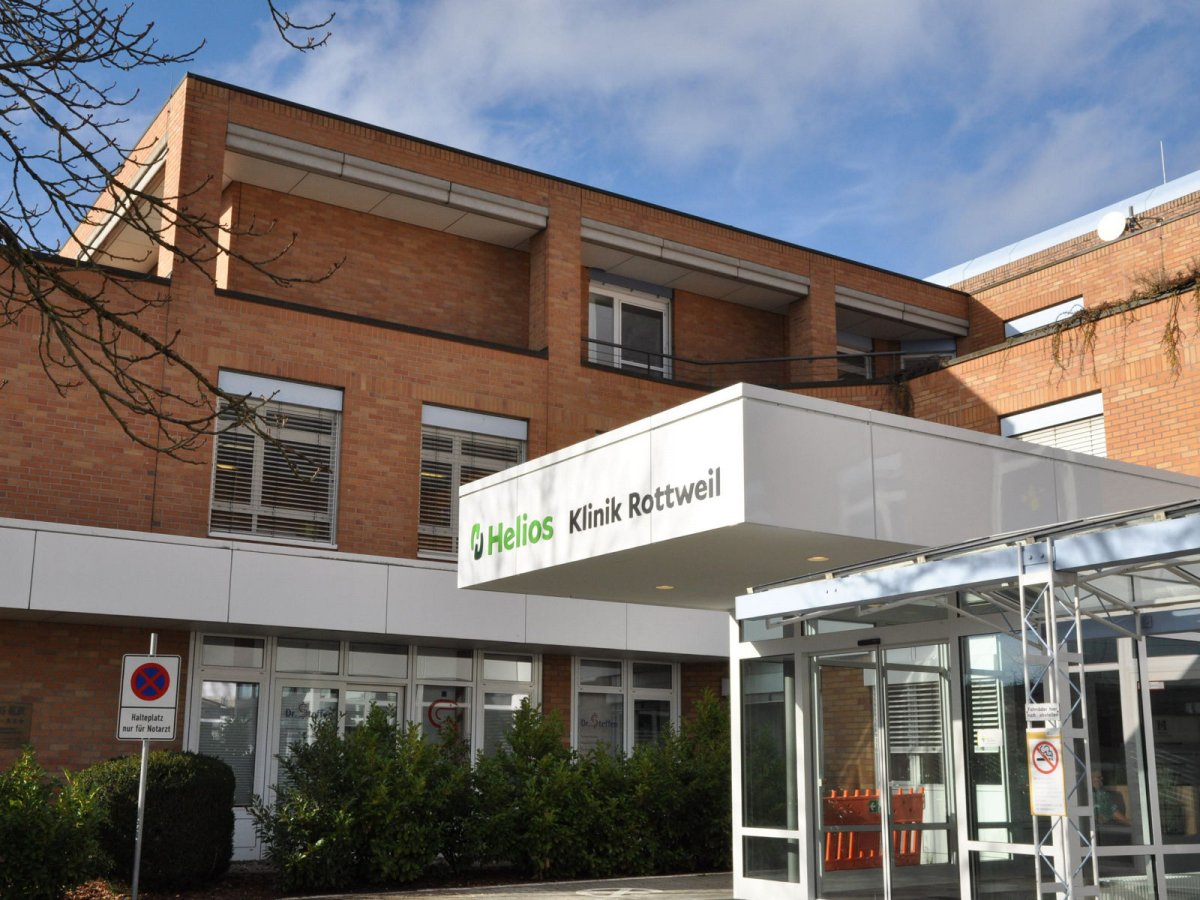













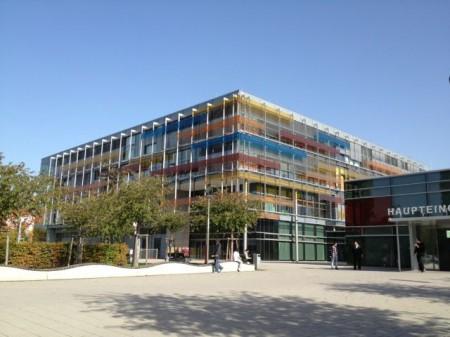
University Hospital in Haydelberge

Hospital in the Pfeiffer`s foundations




Obtenga una evaluación médica para Cistitis en Alemania: consulte con doctores experimentados ahora
Ver todos los médicos
Séverine Iborra
La Dra. Séverine Iborra dirige el Departamento de Ginecología del Städtisches Klinikum Solingen, con formación especializada en uroginecología y cirugía reconstructiva pélvica.
- Certificada en uroginecología por la Asociación Profesional de Ginecólogos
- Experta en tratamientos mínimamente invasivos para trastornos del suelo pélvico
- Miembro activo de las principales sociedades ginecológicas alemanas
- Amplia investigación y publicaciones en oncología ginecológica
Compartir contenido
Historias en video de pacientes de Bookimed
 Olena Sikoza
Preguntas frecuentes sobre el tratamiento de Cistitis en Alemania
¿Qué antibióticos se recomiendan oficialmente para la cistitis aguda no complicada en Alemania?
Las directrices alemanas S3 recomiendan cinco antibióticos de primera línea para la cistitis aguda no complicada. Estos incluyen fosfomicina-trometamol, nitrofurantoína, nitroxolina, pivmecillinam y trimetoprima. Los especialistas en centros como el Complejo Hospitalario de Renania del Norte-Westfalia priorizan estas opciones para minimizar el impacto en el microbioma y gestionar eficazmente la resistencia a los antibióticos en toda Alemania.
- Fosfomicina-trometamol: Se administra como una dosis única de 3000 mg para un alto cumplimiento del paciente.
- Nitrofurantoína: Se prescribe como 100 mg dos veces al día durante un curso de terapia de 5 días.
- Nitroxolina: Se toma a 250 mg tres veces al día durante un total de 5 días.
- Pivmecillinam: Un régimen de 3 días que consiste en 400 mg dos o tres veces al día.
- Trimetoprima: Se utiliza solo cuando la resistencia local de E. coli permanece confirmada por debajo del 20 %.
Perspectiva del experto de Bookimed: Si bien las listas de directrices están estandarizadas, la elección a menudo depende del volumen del departamento hospitalario. Los grandes centros como el Hospital Universitario de Dresde tratan a más de 330.000 pacientes al año. A menudo tienen datos de resistencia local en tiempo real. Esto ayuda a los médicos a elegir la trimetoprima de forma segura o pasar direc
¿Se puede tratar la cistitis sin antibióticos en Alemania?
La cistitis en Alemania se trata frecuentemente sin antibióticos siguiendo las directrices médicas actualizadas AWMF S3. Los médicos alemanes utilizan terapias a base de hierbas y control del dolor para casos agudos y no complicados. Aproximadamente entre el 30% y el 50% de estas infecciones desaparecen en una semana sin necesidad de intervención con antibióticos recetados.
- Alternativas herbales: Canephron y Angocin son alternativas clínicas ampliamente utilizadas en las farmacias alemanas.
- Alivio sintomático: Los médicos recomiendan medicamentos antiinflamatorios no esteroideos como el ibuprofeno para controlar la inflamación de la vejiga.
- Prevención bacteriana: La D-Manosa es una recomendación estándar de venta libre para bloquear la adhesión bacteriana de forma natural.
- Diagnóstico clínico: Clínicas como el Complejo Clínico de Renania del Norte-Westfalia realizan análisis de sangre y consultas urológicas.
Perspectiva del experto de Bookimed: La cultura médica alemana enfatiza una estricta administración de antibióticos en comparación con otras regiones. Si bien los datos de Bookimed muestran que grandes centros como la Clínica Nordwest o Asklepios se centran en oncología compleja, los médicos generales locales suelen retrasar los antibióticos durante 48 horas en casos de síntomas leves. Los pacientes deben esperar que primero se real
¿Necesito receta para medicamentos contra la cistitis en Alemania?
Los antibióticos para la cistitis requieren una receta de un profesional médico autorizado en Alemania. Los farmacéuticos locales no pueden venderlos sin receta. Los pacientes deben consultar a un médico o utilizar un servicio de telemedicina. Sin embargo, los tratamientos herbales sintomáticos siguen estando disponibles sin receta en las farmacias locales.
- Requisito de receta: Los antibióticos como la fosfomicina o la nitrofurantoína requieren estrictamente una receta médica.
- Acceso al médico: Los médicos de cabecera a menudo ofrecen citas el mismo día para síntomas urinarios urgentes.
- Opciones de telemedicina: Las aplicaciones certificadas alemanas pueden emitir recetas digitales válidas después de consultas virtuales.
- Alternativas de venta libre: Los remedios herbales y la D-Manosa están disponibles para un alivio leve sin necesidad de un médico.
Perspectiva del experto de Bookimed: Si bien muchas farmacias ofrecen alivio herbal, los diagnósticos especializados en centros como el Complejo Clínico de Renania del Norte-Westfalia o la Meoclinic a menudo incluyen consultas tanto con urólogos como con ginecólogos. Nuestros datos muestran que los paquetes integrales de medicación para la cistitis en Alemania pueden costar aproximadamente entre 150 y 300 dólares. Esto a menudo cubre la visita inicial al especialista y el trabajo de laborato
¿Cuándo debo acudir a un urólogo o ginecólogo en lugar de a un médico de cabecera?
Acuda a un especialista en Alemania si la cistitis se vuelve crónica o afecta a hombres. Los médicos de cabecera gestionan eficazmente las infecciones aisladas. Pase a un urólogo en casos recurrentes o hematuria. Busque un ginecólogo si los síntomas están relacionados con cambios hormonales o actividad sexual. Los especialistas garantizan diagnósticos detallados como imágenes.
- Criterios de urología: Visite si tiene 3 o más infecciones al año o cistitis masculina.
- Criterios de ginecología: Consulte por síntomas relacionados con la menopausia o la anticoncepción.
- Métodos de diagnóstico: Los especialistas ofrecen cistoscopia, ecografías dirigidas y cultivos detallados.
- Rol del médico de cabecera: La atención primaria gestiona las recetas estándar de antibióticos y el triaje inicial.
Perspectiva del experto de Bookimed: Los centros médicos alemanes como el Complejo Clínico de Renania del Norte-Westfalia integran la urología y la ginecología para tratar casos complejos. Los datos muestran que los departamentos especializados realizan más de 45.000 tratamientos hospitalarios al año. Los centros integrados de uroginecología son ideales para la cistitis crónica. La Dra. Séverine Iborra, del Centro Médico de Solingen, posee doble experiencia en estos campos. Este enfoque combinado a menudo revela causas anatómicas que los médicos de cabecera pod
¿Cómo se puede prevenir la cistitis recurrente según la práctica alemana?
La práctica médica alemana sigue las directrices S3 para prevenir la cistitis recurrente, priorizando estrategias no antibióticas. El tratamiento comienza con cambios de comportamiento, como una alta ingesta de líquidos y la micción postcoital. Si las infecciones persisten, los médicos utilizan inmunoprofilaxis o D-manosa para bloquear la adhesión bacteriana a la pared de la vejiga.
- Ajustes de comportamiento: Beber más de 1,5 litros al día y asegurar la micción inmediata después del coito.
- Inmunoprofilaxis: Los lisados orales de E. coli como el OM-89 son recomendaciones clínicas de primer nivel.
- Suplementos biológicos: La D-manosa diaria evita que las bacterias se adhieran al tracto urinario.
- Experiencia especializada: Los urólogos y ginecólogos en centros acreditados por la JCI coordinan planes preventivos a largo plazo.
Perspectiva del experto de Bookimed: Las clínicas alemanas como el Centro Médico de Solingen involucran tanto a la urología como a la ginecología para las recurrencias. La Dra. Séverine Iborra se especializa en uroginecología para abordar problemas pélvicos subyacentes. Este enfoque de doble especialidad ayuda a identificar si factores anatómicos causan la tasa de recurrencia del 25% observada en casos crónicos.
Consenso de los pacientes: Los pacientes señalan que tomar 1-2 g de D-manosa al día
¿Qué hospitales en Alemania tienen las calificaciones más altas en neurocirugía?
Alemania alberga algunos de los departamentos de neurocirugía más prestigiosos del mundo, liderados por la Charité – Universitätsmedizin Berlin y el Hospital Universitario de Heidelberg. Estos centros destacan en el tratamiento de tumores cerebrales complejos y enfermedades cerebrovasculares. Para maximizar la eficacia de sus procedimientos, utilizan tecnologías de vanguardia como la resonancia magnética intraoperatoria y la neuronavegación asistida por computadora.
- Charité Berlín: Realiza más de 5000 cirugías al año. La clínica está dirigida por el reconocido neurocirujano Dr. Peter Vaikoczy.
- Centro Médico Solingen: El Dr. Ralf Buhl ha realizado más de 4.000 cirugías, incluidas cirugías de columna mínimamente invasivas.
- Clínica Asklepios Nord: equipada con el único sistema de resonancia magnética intraoperatoria bilateral de Alemania para garantizar precisión quirúrgica en tiempo real durante la extirpación del tumor.
- Clínica Nordwest: reconocida por la revista Newsweek como un hospital líder por su innovación en tecnología de ultrasonido 3D.
Opinión experta de Bookimed: Los datos muestran que elegir centros con un alto volumen quirúrgico suele llevar a recomendaciones de tratamiento más conservadoras. En el Centro Médico Solingen, que atiende a más de 60.000 pacientes al año, los cirujanos suelen sugerir fisioterapia en lugar de cirugía
¿Cuáles son las tasas de éxito de los procedimientos neuroquirúrgicos complejos en Alemania?
En Alemania, los procedimientos neuroquirúrgicos de alta complejidad demuestran una seguridad excepcional. Las tasas de éxito en las fusiones espinales alcanzan el 99 %. La tasa de supervivencia en las resecciones de tumores cerebrales primarios es del 97 %. La independencia funcional es alta. Más del 82 % de los pacientes reciben el alta inmediatamente después del tratamiento. Los centros alemanes priorizan la preservación de la función neurológica mediante técnicas modernas de mapeo.
- Resección de tumores: los cirujanos logran una resección tumoral completa en el 87,2% de los casos de metástasis cerebrales.
- Éxito en el tratamiento de enfermedades vasculares: los hospitales alemanes informan de una tasa de supervivencia del 98,7% para aneurismas no rotos.
- Mejora del estado neurológico: casi el 43% de los pacientes experimentan una mejora de los parámetros funcionales después de resecciones complejas.
- Seguridad de las intervenciones quirúrgicas: En grandes centros quirúrgicos, las tasas de supervivencia de los pacientes después de la cirugía de columna son del 98-99%.
Opinión experta de Bookimed: Cirujanos experimentados como el Dr. Uwe Köhler, de la Clínica Asklepios Altona, realizan más de 2000 cirugías al año. Los datos muestran que estos especialistas mantienen tasas de éxito de hasta el 90 %, incluso en los tumores cerebrales más comp
¿Qué tecnologías avanzadas suelen estar disponibles en las clínicas neuroquirúrgicas alemanas?
Las clínicas neuroquirúrgicas alemanas incorporan regularmente instrumentos digitales de alta precisión y visualización en tiempo real a la práctica quirúrgica. Entre las tecnologías clave se encuentra la neuronavegación computarizada para cirugías de cerebro y médula espinal. Instituciones como la Clínica Asklepios Nord utilizan la resonancia magnética intraoperatoria para verificar la extirpación de tumores en tiempo real. Estos sistemas proporcionan a los cirujanos navegación GPS 3D.
- Neuronavegación: proporciona visualización 3D y seguimiento de instrumentos en tiempo real para lograr precisión quirúrgica hasta el nivel submilimétrico.
- Imágenes intraoperatorias: sistemas como iMRI y O-arm CT permiten la confirmación inmediata de una resección exitosa.
- Neuromonitorización: Monitorea las funciones motoras y sensoriales durante la cirugía para proteger el sistema nervioso.
- Diagnóstico de fluorescencia: se utiliza el colorante 5-ALA para resaltar los bordes del tumor para una eliminación más completa.
- Asistencia robótica: Sistemas como el Da Vinci mejoran la precisión en procedimientos complejos y mínimamente invasivos.
Opinión experta de Bookimed: Grandes centros como la Charité – Universitätsmedizin de Berlín realizan más de 4000 procedimientos neuroquirúrgicos al año, lo que crea un entorno rico en datos para p
¿Qué formación especializada reciben los neurocirujanos en ejercicio en Alemania?
En Alemania, los neurocirujanos deben completar una residencia especializada de seis años tras graduarse de la facultad de medicina. Este programa estructurado incluye cuidados intensivos, práctica clínica y una revista quirúrgica obligatoria. Posteriormente, los candidatos aprueban un examen estatal para obtener el título de residente (Facharzt für Neurochirurgie).
- Residencia clínica: requiere de 48 a 72 meses de práctica neuroquirúrgica especializada.
- Cuidados intensivos: incluye una pasantía obligatoria de 6 meses en una unidad de cuidados intensivos neuroquirúrgicos.
- Revista quirúrgica: los cirujanos documentan cientos de cirugías, incluidas craneotomías y cirugías de columna.
- Examen de licencia: Los solicitantes deben aprobar un examen médico oral y práctico administrado por el estado.
Opinión experta de Bookimed: La formación neuroquirúrgica alemana se centra en una amplia experiencia quirúrgica. Por ejemplo, el Dr. Ralf Buhl, del Centro Médico Solingen, ha realizado más de 4000 cirugías. El Dr. Jürgen Kiwit, del Hospital Meoklinik, cuenta con más de 25 años de experiencia. Este riguroso sistema garantiza que los especialistas de los principales centros aborden casos complejos con una precisión demostrada.
Comentarios de los pacientes: Los pacientes se sienten seguros al saber que sus médicos han recibido año
¿Qué requisitos de idioma y de licencia se exigen a los cirujanos extranjeros que deseen formarse u observar procedimientos neuroquirúrgicos en Alemania?
Los neurocirujanos extranjeros deben cumplir estrictos requisitos de idioma y licencia para realizar formación o prácticas en Alemania. La formación requiere una licencia médica válida o un permiso temporal. Los internos deben obtener la autorización de un hospital específico. Ambas opciones requieren un alto nivel de alemán para participar en debates clínicos y realizar procedimientos quirúrgicos complejos con seguridad.
- Conocimientos de idiomas: Para la formación clínica se requiere un nivel general de alemán B2 y un nivel de lenguaje médico C1 (Fachsprachprüfung).
- Licencia clínica: Los cirujanos necesitan un permiso para la práctica permanente (Approbation) o un permiso profesional (Berufserlaubnis) para prácticas supervisadas temporales.
- Estado de observación: La hospitalización permite la observación de procedimientos quirúrgicos sin responsabilidad médica ni licencia formal.
- Evaluación de la cualificación: Los graduados médicos no pertenecientes a la UE a menudo tienen que pasar por un proceso de validación del diploma en un plazo de 3 a 6 meses.
Opinión experta de Bookimed: Las clínicas alemanas con un alto volumen de pacientes, como Nordwest Clinic o Asklepios Nord, suelen priorizar a los candidatos que ya han pasado una evaluación preliminar de la documentación. Nuestros datos muestran que profesores como el Dr. Uwe Köhler y el D