Cistitis en Israel: las 5 mejores clínicas para su tratamiento


Revisado médicamente por
Fahad Mawlood
Cómo funciona
¿Cuál es el precio del diagnóstico y los tratamientos de Cistitis en Israel? Descubra ahora
Descubra las mejores clínicas de tratamiento de Cistitis en Israel: 5 opciones verificadas y Precios











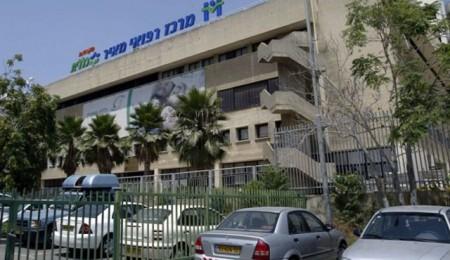
Meir Medical Center

Elisha Hospital
Obtenga una evaluación médica de tratamiento de Cistitis en Israel: haga una consulta con 8 médicos experimentados ahora
Ver todos los médicos
Jacob Ben-chaim
El Dr. Ben-chaim fue jefe de urología pediátrica en el Centro Médico Sheba y ganó un premio por su investigación en cirugía mínimamente invasiva para niños.
- Más de 40 años de experiencia especializada en urología pediátrica
- Formación de fellowship en investigación de urología pediátrica en el Hospital Johns Hopkins de EE. UU.
- Premiado por su estudio sobre pieloplastia laparoscópica en niños
- Presidente de la Unión de Urología Pediátrica dentro de la Asociación Urológica Israelí
- Profesor en la Escuela de Medicina Sackler de la Universidad de Tel Aviv

Yariv Shtabholtz

Haim Matskin
El Prof. Haim Matskin es una autoridad líder en oncourología, especializado en tratamientos innovadores para enfermedades genitourinarias en el Centro Médico Sourasky.
- Dirige el Departamento de Urología en el Centro Médico Sourasky
- Especializado en braquiterapia y crioterapia para el tratamiento de tumores
- Miembro de la Asociación Médica de Israel y de asociaciones internacionales de urología

avi Beri
El Dr. Avi Beri se especializa en el tratamiento de diversas afecciones urológicas en el Sourasky Medical Center, ayudando a los pacientes a recuperar su salud.
- Experto en el tratamiento de cálculos renales y procedimientos de próstata
- Ofrece consultas urológicas integrales
- Especialista en resección transuretral de próstata (RTUP)
Compartir contenido
Historias en video de pacientes de Bookimed
 Olena Sikoza
Preguntas frecuentes sobre el tratamiento de Cistitis en Israel
¿Cuáles son las clínicas mejor valoradas para el tratamiento de la cistitis en Israel?
Las clínicas mejor valoradas para el tratamiento de la cistitis en Israel incluyen el Sourasky Medical Center, el Hadassah Medical Center y el Sheba Medical Center. Estos centros acreditados por la JCI brindan atención especializada a través de departamentos dedicados de uroginecología y urología pediátrica. Los pacientes acceden a diagnósticos avanzados, incluidos cultivos de orina completos y consultas de expertos en Tel Aviv y Jerusalén.
- Protocolos de diagnóstico especializados: Las clínicas priorizan los hemogramas completos y las consultas urológicas para una estadificación precisa.
- Atención uroginecológica experta: La Dra. Garuz Osnat en Sourasky se especializa en problemas urinarios específicos de la mujer.
- Liderazgo en urología pediátrica: El Schneider Children's Medical Center ofrece tratamiento dedicado para niños con cistitis.
- Estándares de calidad internacionales: Los principales centros como Hadassah cuentan con clasificaciones de Newsweek y acreditaciones de seguridad de la JCI.
- Opciones quirúrgicas avanzadas: El profesor Haim Matskin en Sourasky dirige la cirugía urológica utilizando técnicas mínimamente invasivas.
Perspectiva del experto de Bookimed: Los datos muestran una alta concentración de experiencia urológica en el Sourasky Medical Center, donde 2,200 médicos atienden a más de 1.8 millone
¿Qué diagnósticos avanzados distinguen la cistitis bacteriana simple de la cistitis intersticial en las clínicas israelíes?
Las clínicas israelíes distinguen la cistitis intersticial de las infecciones bacterianas mediante pruebas de exclusión y visualizaciones especializadas de la vejiga. Mientras que los cultivos estándar confirman la presencia bacteriana, la cistitis intersticial se diagnostica mediante cultivos negativos combinados con una cistoscopia con sobredistensión. Este procedimiento identifica lesiones de Hunner o hemorragias puntiformes debajo del revestimiento de la vejiga.
- Cultivo de orina: Las pruebas estándar identifican bacterias específicas para confirmar la cistitis bacteriana simple.
- Cistoscopia con sobredistensión: Los cirujanos estiran la vejiga bajo anestesia para revelar daños visibles en el tejido.
- Pruebas de biomarcadores: Laboratorios avanzados buscan fenilacetilglutamina para respaldar un diagnóstico no infeccioso.
- Sensibilidad al potasio: Evalúa la integridad del revestimiento de la vejiga midiendo la respuesta al dolor ante soluciones de potasio.
Perspectiva del experto de Bookimed: Los datos sobre el volumen de pacientes destacan por qué el Centro Médico Sourasky y Hadassah manejan casos complejos de manera eficiente. Sourasky trata a más de 400.000 pacientes al año y emplea especialistas como la Dra. Garuz Osnat, quien conecta la urología y la ginecología. Este enfoque multidisciplinario es vital para la cistitis intersticial
¿Cómo se trata la cistitis bacteriana aguda no complicada en Israel?
La cistitis bacteriana aguda no complicada en Israel se trata principalmente con terapia antibiótica empírica siguiendo los patrones de resistencia locales. Los médicos suelen recetar un ciclo de 5 días de nitrofurantoína o una dosis única de fosfomicina. Los protocolos de diagnóstico a menudo implican una evaluación clínica y un análisis de orina en centros como el Sourasky Medical Center.
- Antibióticos de primera línea: La nitrofurantoína es el tratamiento estándar, administrado generalmente durante 5 días.
- Alternativa de dosis única: La fosfomicina se utiliza frecuentemente por su alta eficacia contra la E. coli resistente.
- Métodos de diagnóstico: El diagnóstico incluye consultas urológicas, hemogramas completos y cultivos de orina especializados.
- Manejo de síntomas: Los médicos a menudo recomiendan alcalinizantes urinarios o ibuprofeno junto con el tratamiento antibiótico primario.
Perspectiva de expertos de Bookimed: Los centros médicos israelíes como Sourasky y Hadassah gestionan volúmenes masivos de pacientes, superando los 1,800,000 y 1,000,000 anuales respectivamente. Esta alta rotación significa que los laboratorios locales, como los de Kupat Cholim, están optimizados para la velocidad. A menudo procesan los resultados de los cultivos de orina en un plazo de 24 a 48 horas. Para los pacientes internacionales, esta eficiencia per
¿Qué opciones de tratamiento existen para la cistitis crónica / cistitis intersticial cuando los antibióticos fallan?
El tratamiento de la cistitis crónica en Israel se desplaza hacia la reparación del revestimiento de la vejiga y la modulación nerviosa cuando los antibióticos fallan. Los especialistas en centros como el Sourasky Medical Center utilizan polisulfato de pentosán sódico o instilaciones vesicales. Estas terapias restauran la capa protectora de glucosaminoglicanos. Los protocolos de diagnóstico incluyen consultas urológicas y ginecológicas para descartar disfunciones pélvicas relacionadas.
- Instilaciones vesicales: Los médicos administran cócteles de heparina o lidocaína directamente en la vejiga mediante un catéter.
- Neuromodulación: Las clínicas avanzadas ofrecen estimulación del nervio sacro o inyecciones de Botox para el dolor refractario.
- Intervención quirúrgica: La cauterización de las lesiones de Hunner o la hidrodistensión proporcionan alivio para úlceras inflamatorias específicas de la vejiga.
- Diagnóstico multidisciplinario: Las evaluaciones a menudo incluyen análisis de sangre completos y consultas con expertos en Tel Aviv.
Perspectiva del experto de Bookimed: Los datos de los principales centros israelíes revelan un fuerte enfoque en la atención subespecializada. En el Sourasky Medical Center, existen departamentos específicos tanto para urología pediátrica como para urología ginecológica. Esto permite planes de tratamiento hiper-d
¿Existe atención especializada para la cistitis en niños, y dónde?
Los urólogos y nefrólogos pediátricos israelíes brindan atención especializada para niños con cistitis en instalaciones dedicadas. Centros como el Schneider Children's Medical Center y el Sourasky Medical Center ofrecen diagnósticos y tratamientos expertos. Estos incluyen ecografías específicas para pediatría y cistouretrogramas miccionales para identificar problemas anatómicos subyacentes.
- Instalaciones especializadas: El Schneider Children's Medical Center se centra en la salud pediátrica integral.
- Expertos en urología: El Prof. Jacob Ben-Chaim dirige los servicios de urología pediátrica en el Sourasky Medical Center.
- Diagnóstico avanzado: Las clínicas utilizan imágenes específicas para pediatría para detectar problemas como el reflujo vesicoureteral.
- Equipos multidisciplinarios: La atención a menudo involucra a urólogos, nefrólogos y ginecólogos para casos complejos.
Perspectiva del experto de Bookimed: Aunque muchos hospitales israelíes son multidisciplinarios, elegir un centro pediátrico dedicado como el Schneider Children's Medical Center garantiza que todo el personal y el equipo estén diseñados para niños. Nuestros datos muestran que los centros especializados gestionan más de 275,000 casos pediátricos al año. Este volumen conduce a un diagnóstico más rápido de problemas estructurales que los pediatras estándar podrían pasar por
¿Cuál es la duración típica de la estancia y el seguimiento para el tratamiento de la cistitis como turista médico?
El tratamiento de la cistitis en Israel generalmente requiere de 1 a 7 días, dependiendo de la gravedad. Las infecciones simples se tratan de forma ambulatoria sin necesidad de hospitalización. Los casos complicados que involucran problemas renales pueden requerir de 5 a 6 días de hospitalización para terapia intravenosa y monitoreo.
- Estancia ambulatoria: La mayoría de los pacientes requieren 0 días en el hospital para infecciones bacterianas simples.
- Periodo de hospitalización: Los casos graves o complicados suelen permanecer en el hospital de 5 a 6 días.
- Curso del tratamiento: Los protocolos de antibióticos orales suelen durar entre 3 y 14 días.
- Seguimiento inicial: La revisión clínica ocurre de 2 a 15 días después de completar el curso de medicación.
Perspectiva del experto de Bookimed: Los centros israelíes como el Sourasky Medical Center aprovechan equipos multidisciplinarios que incluyen urólogos y uroginecólogos como la Dra. Garuz Osnat. Esta colaboración es vital porque la cistitis recurrente a menudo proviene de problemas ginecológicos o estructurales subyacentes. Los pacientes deben elegir clínicas con departamentos integrados para resolver la causa raíz en un solo viaje.
Consenso de los pacientes: Los pacientes sugieren planificar de 3 a 5 días adicionales en Israel para pruebas locales y recuperación.
¿Qué puedo hacer en casa para aliviar los síntomas antes de la cita en Israel?
Los pacientes pueden controlar los síntomas de la cistitis en casa aumentando la hidratación, usando analgésicos de venta libre y realizando ajustes dietéticos. Beber de 2 a 3 litros de agua al día ayuda a eliminar las bacterias. La fenazopiridina o el ibuprofeno pueden aliviar el ardor y los calambres abdominales antes de una consulta con un urólogo o ginecólogo israelí.
- Ingesta de líquidos: Beba de 2 a 3 litros de agua al día para diluir la orina y eliminar las bacterias.
- Control del dolor: Las almohadillas térmicas pélvicas y el ibuprofeno ayudan a reducir la inflamación y los espasmos dolorosos de la vejiga.
- Desencadenantes dietéticos: Evite la cafeína, el alcohol y las comidas picantes para prevenir una mayor irritación de la pared de la vejiga.
- Suplementos naturales: El polvo de D-manosa y los probióticos pueden ayudar a evitar que las bacterias se adhieran a la vejiga.
Perspectiva del experto de Bookimed: Centros israelíes como el Sourasky Medical Center (Ichilov) y Hadassah involucran tanto a urólogos como a ginecólogos para la cistitis compleja. Los datos muestran que el profesor Jacob Ben-Chaim y la Dra. Garuz Osnat se especializan en este enfoque multidisciplinario. Comenzar un registro de síntomas ahora ayuda a estos especialistas a distinguir entre infecciones simples y problemas uroginecológicos durante su primera visita.<
¿Por qué Israel es uno de los principales destinos para la neurocirugía?
Israel es un centro líder en neurocirugía gracias a su combinación de avances médicos de alta tecnología y una experiencia quirúrgica de primer nivel. Instalaciones avanzadas como el Centro Médico Sheba utilizan sistemas de navegación basados en IA y resonancia magnética intraoperatoria en tiempo real. Centros especializados reportan una tasa de éxito del 98% en procedimientos complejos, como la craneotomía con el paciente despierto y el tratamiento de trastornos del movimiento.
- Tecnología avanzada: Las clínicas utilizan ultrasonido enfocado guiado por resonancia magnética (MRgFUS) y sistemas robóticos para realizar incisiones.
- Experiencia quirúrgica: Cirujanos como el Dr. Zvi Ram lideran asociaciones internacionales con más de 25 años de experiencia.
- Acceso rápido: Los pacientes internacionales generalmente pueden programar cirugías complejas de cerebro o columna en un plazo de 2 a 4 semanas.
- Atención médica acreditada: Grandes centros como Sourasky (Ichilov) y Assuta están acreditados por la JCI, lo que confirma su seguridad.
Opinión experta de Bookimed: Los datos muestran una clara diferencia entre las opciones de tratamiento públicas y privadas en Israel. Centros privados, como el Centro Médico Assuta, realizan más de 92.000 cirugías al año y permiten a los pacientes elegir a un cirujano líder específico. Esto supone una ventaja signi
¿Qué tipos de enfermedades neuroquirúrgicas se tratan en Israel?
Los neurocirujanos israelíes tratan una amplia gama de afecciones, desde tumores cerebrales y de médula espinal hasta trastornos funcionales complejos. Los centros especializados utilizan tecnologías de vanguardia, como el bisturí de rayos gamma, la estimulación cerebral profunda y la resonancia magnética intraoperatoria, para un diagnóstico altamente preciso de la epilepsia, la enfermedad de Parkinson y las patologías cerebrovasculares.
- Enfermedades oncológicas: tratamiento de gliomas, meningiomas y tumores hipofisarios mediante resección de la base del cráneo.
- Trastornos funcionales: tratamiento de la enfermedad de Parkinson y del temblor esencial mediante estimulación cerebral profunda.
- Patologías de columna: corrección de escoliosis, hernias discales y tumores espinales mediante sistemas robóticos.
- Tratamiento de las enfermedades cerebrovasculares: tratamiento quirúrgico de aneurismas cerebrales y malformaciones arteriovenosas mediante intervenciones endovasculares.
- Neurocirugía pediátrica: atención especializada en hidrocefalia y anomalías congénitas en centros pediátricos especializados.
Opinión experta de Bookimed: Los hospitales israelíes suelen combinar diversas especialidades para abordar casos complejos. En el Centro Médico Sourasky, neurocirujanos como el Dr. Zvi Lidar combinan neurocirugía y ortopedi
¿Qué hospitales en Israel son más conocidos por sus departamentos de neurocirugía?
Israel alberga centros neuroquirúrgicos de renombre mundial, como el Centro Médico Sourasky, el Centro Médico Sheba y el Centro Médico Hadassah. Estas instituciones son líderes mundiales en el tratamiento de tumores cerebrales complejos, enfermedades de la columna vertebral y trastornos del movimiento. Utilizan tecnologías de vanguardia como el bisturí de rayos gamma, sistemas robóticos y resonancia magnética intraoperatoria.
- Suraski (Ichilov): realiza más de 2.500 operaciones neuroquirúrgicas al año en Tel Aviv con una tasa de éxito del 98%.
- Centro Médico Sheba: clasificado entre los diez mejores hospitales del mundo, trata a 1,9 millones de pacientes al año.
- Centro Médico Hadassah: Nominado al Premio Nobel de la Paz. Líder en neurocirugía pediátrica y terapia génica.
- Centro Médico Assuta: el centro médico privado más grande de Israel. Especializado en cirugías mínimamente invasivas de columna y cerebro.
- Hospital Infantil Schneider: un centro líder en neurocirugía pediátrica que trata a 275.000 niños al año.
Opinión experta de Bookimed: Nuestros datos muestran que, si bien la mayoría de los pacientes buscan tratamiento en Tel Aviv, el Centro Médico Rambam en Haifa ofrece una atención única para neurotraumatismos. Cuenta con una unidad especializada en cuidados neurocríticos que atiende a aproximadamente un milló