Ir a inicio

Cómo funciona

Hemos transformado el proceso de búsqueda de clínicas, haciéndolo simple, rápido y personalizado.
Responda algunas preguntasComplete un breve formulario para contarnos sobre su estado de salud y necesidades médicas.
Obtenga ofertas personalizadas3 clínicas seleccionadas especialmente según sus respuestas le proporcionan planes de tratamiento personalizados y presupuestos.
Elija la mejor opciónCompare ofertas y elija la clínica que más le convenga.
También puede consultar las 3 clínicas a continuación.
820К+ pacientes han recibido asistencia desde 2014
50 países
1,500 clínicas
6K+ reseñas
3K+ médicos calificados

¿Cuál es el precio del diagnóstico y los tratamientos de Cistitis en Austria? Descubra ahora

El precio se proporciona bajo petición

Descubra las mejores clínicas de tratamiento de Cistitis en Austria: 3 opciones verificadas y Precios

El ranking de clínicas de Bookimed se basa en algoritmos de data science, ofreciendo una comparación confiable, transparente y objetiva. Tiene en cuenta la demanda de pacientes, las puntuaciones de reseñas (positivas y negativas), la frecuencia de actualización de opciones de tratamiento y precios, la rapidez de respuesta y las certificaciones de las clínicas.
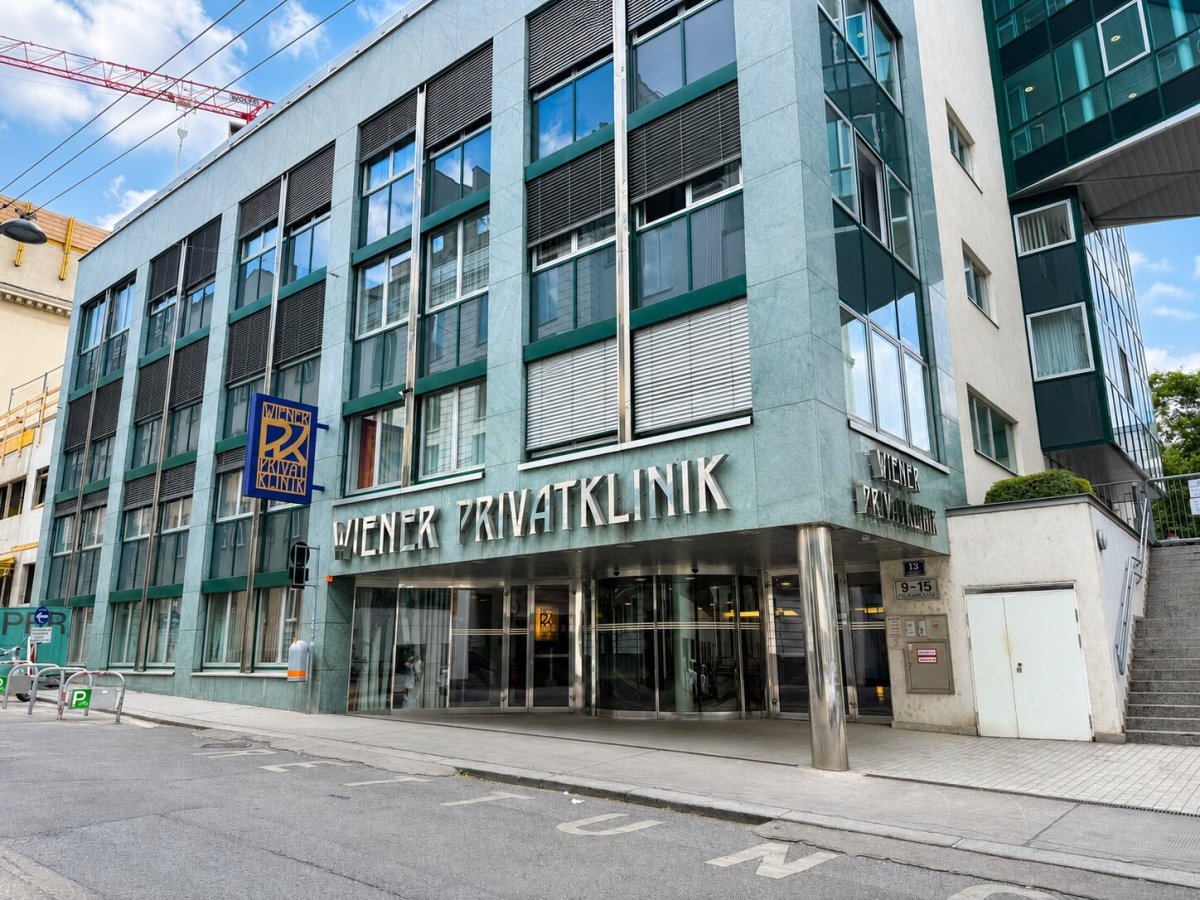
Clínica privada Wiener (Wiener Privatklinik)
4.7156 reseñas
Precio a consultar
Más información
Clínica Privada Leech
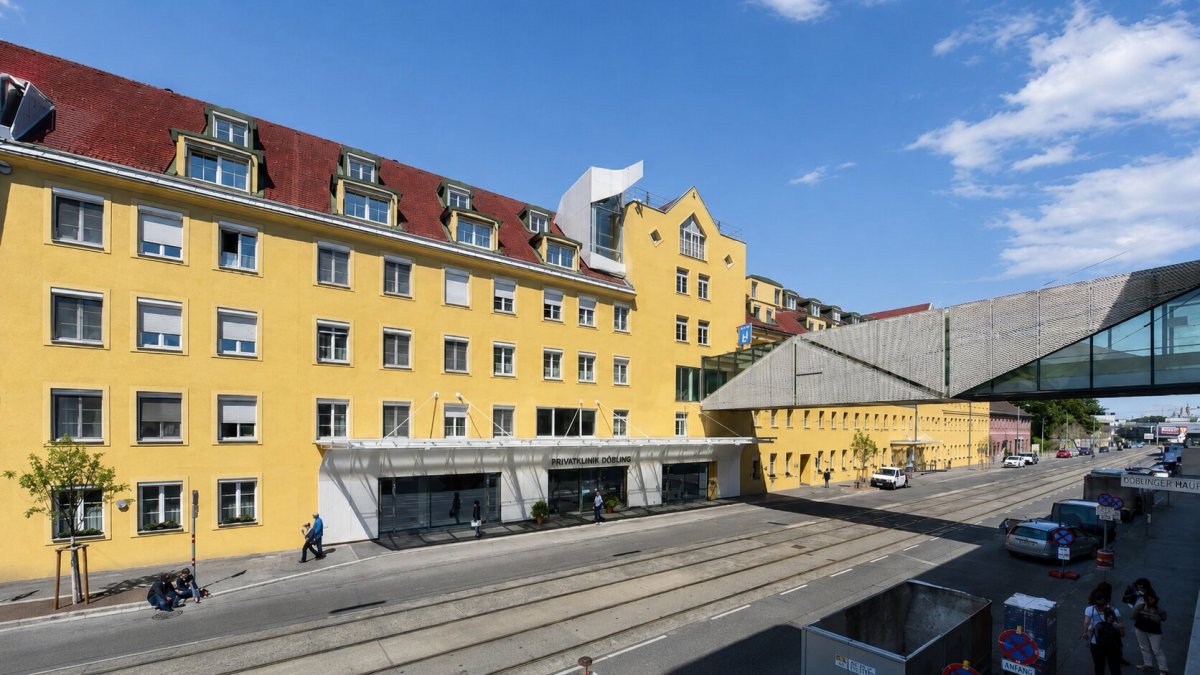
Döbling Private Hospital
4.320 reseñas
Precio a consultar
Más información

Obtenga una evaluación médica para Cistitis en Austria: consulte con doctores experimentados ahora

Ver todos los médicos
verificado

Georg Shatzl

33 años de experiencia

El Prof. Georg Shatzl es un urólogo líder con más de 30 años de experiencia, especializado en afecciones urológicas complejas en la Wiener Privatklinik.

  • Experiencia en oncología urológica y urología reconstructiva
  • Profesor asociado en la Universidad de Medicina de Viena
  • Publicaciones extensas sobre terapia de cáncer urológico
  • Realizar cirugías laparoscópicas avanzadas y cirugías reproductivas masculinas

Compartir contenido

Historias en video de pacientes de Bookimed

Dayana
Combiné mis vacaciones en Antalya con un chequeo médico.
Procedimiento: Chequeo femenino
Igor
¡Fue genial! Traslados, alojamiento, tratamiento, todo incluido.
Procedimiento: Implante dental
Clínica: WestDent Clinic
Marina
Bookimed se encargó de todo. No tuve que preocuparme por nada.
Procedimiento: Chequeo femenino
Actualizado: 05/27/2022
Escrito por
Olena Sikoza
Olena Sikoza
Сopywriter en español
Copywriter médica certificada responsable del contenido en español de Bookimed. Más de 7 años de experiencia en redacción sobre salud y turismo médico, con formación académica en edición científica y desarrollo de contenidos.
Fahad Mawlood
Editor médico y Científico de datos
Médico general. Ganador de 4 premios científicos. Sirvió en Asia Occidental. Es el ex jefe del equipo médico que soporta a pacientes de habla árabe. Ahora es responsable del procesamiento de datos y la precisión del contenido médico.
Fahad Mawlood Linkedin
Esta página puede incluir información relacionada con diversas afecciones médicas, tratamientos y servicios de salud disponibles en diferentes países. Tenga en cuenta que el contenido se proporciona sólo con fines informativos y no debe interpretarse como asesoramiento médico o orientación. Por favor consulte con su médico o con un profesional médico calificado antes de comenzar o cambiar el tratamiento médico.

Preguntas frecuentes sobre el tratamiento de Cistitis en Austria

Estas preguntas frecuentes provienen de pacientes reales que buscan atención médica a través de Bookimed. Las respuestas son proporcionadas por coordinadores médicos experimentados y representantes autorizados de las clínicas.

Is cystitis treatment in Austria safe for international patients?

Cystitis treatment in Austria is exceptionally safe for international patients. Facilities adhere to strict European clinical protocols and ISO quality standards. Specialists like Univ. Prof. Dr. Georg Shatzl utilize advanced molecular diagnostics. Clinical success is supported by low complication rates and rigorous infection control measures.

  • Accredited facilities: Clinics like Wiener Privatklinik follow ISO standards for safety.
  • Expert credentials: Specialists often hold Fellow of the European Board of Urology (FEBU) status.
  • Low risk: Döbling Private Hospital reports complication rates significantly below international nominal values.
  • Safety protocols: Facilities implement Joint Commission International patient safety goals for individualized care.

Bookimed Expert Insight: While many countries prescribe broad-spectrum antibiotics immediately, Austrian specialists prioritize antibiotic stewardship. Data shows clinics like Döbling Private Hospital serve 16,000 patients yearly with a focus on targeted diagnostics. This precision reduces unnecessary drug exposure and ensures the most effective treatment for persistent or interstitial cystitis.

Patient Consensus: Patients note that pharmacies are very strict and require a prescription for all antibiotics. You should also request a written diagnosis summary in English before leaving the clinic to ensure proper follow-up care.

What qualifications do Austrian urologists have who treat cystitis?

Austrian urologists treating cystitis complete 12 years of medical education and clinical training. Qualifications include a 6-year medical degree and a 6-year residency. Specialists must hold board certification as a Facharzt für Urologie and often hold European fellowships for international recognition.

  • Specialist training: Requires 4 years of dedicated urology and 2 years of clinical rotations.
  • Academic ranking: Top specialists often serve as professors at the Medical University of Vienna.
  • International fellowship: Many urologists hold a Fellow of the European Board of Urology (FEBU).
  • Board certification: Doctors must pass theoretical and practical exams from the Austrian Medical Chamber.

Bookimed Expert Insight: Our data shows that top-rated Austrian urologists often hold multiple specialized roles simultaneously. For example, Dr. Georg Shatzl at Wiener Privatklinik is both a university professor and a Fellow of the European Board of Urology. This blend of academic research and high-volume clinical practice ensures patients receive protocols based on the latest urological publications.

Patient Consensus: Patients note it is important to verify a doctor's specialist status through the national medical chamber. They highlight that boards often include members of the Austrian Urological Society for recurrent cases.

Which diagnostic tests are performed to confirm cystitis before treatment?

Diagnostic tests for cystitis focus on confirming bladder inflammation and identifying bacterial causes. Standard procedures in Austria include urinalysis to check for nitrites and leukocyte esterase. A urine culture identifies specific bacteria. Doctors often combine these with a physical examination and medical history review.

  • Urinalysis: Rapidly detects bacteria, blood, and pus in a clean-catch urine sample.
  • Urine culture: Identifies the exact bacterial strain and determines the most effective antibiotic.
  • Complete blood count: Evaluates systemic infection signs like elevated white blood cells or CRP.
  • Cystoscopy: Uses a thin camera to inspect the bladder during recurrent or complex cases.

Bookimed Expert Insight: In Austria, top urologists like Univ. Prof. Dr. Georg Shatzl at Wiener Privatklinik often combine diagnostic steps. Clinics like Döbling Private Hospital report complication rates significantly below nominal values. Choosing experienced professors at academic-linked centers ensures access to specialized labs for complex cases. These facilities serve over 16,000 international patients annually with high satisfaction.

Patient Consensus: Patients emphasize requesting a full urine culture if symptoms persist past 48 hours. Many note that quick dipstick tests can occasionally provide false negatives during early-stage infections.

How long does cystitis therapy and recovery take for travellers?

Cystitis therapy for travelers typically takes 3 to 7 days. Most patients experience significant relief within 24 to 48 hours after starting medication. While symptoms often vanish quickly, full bacterial clearance requires up to 2 weeks. Finshing the prescribed course is vital to prevent mid-travel recurrence.

  • Medication duration: Standard antibiotic courses last 3 to 7 days for uncomplicated cases.
  • Symptom relief: Burning and urgency typically improve within 12 to 24 hours.
  • Recovery window: Complete recovery usually takes 1 to 2 weeks for total clearance.
  • Travel adjustment: Patients should stay hydrated and avoid irritants like caffeine during therapy.

Bookimed Expert Insight: Expert urologists in Vienna like Dr. Georg Shatzl recommend a urine re-test before departure. Clinics like Wiener Privatklinik provide rapid diagnostics to confirm the infection is gone. This step prevents painful flares during long-haul flights where medical access is limited. High-volume centers in Austria report complication rates much below nominal values for these treatments.

Patient Consensus: Patients note that aggressive hydration with 3 liters of water daily speeds up recovery. Many travelers suggest packing UTI test strips to monitor progress before flying home.

Are there non-antibiotic or preventive therapies offered in Austria?

Austria provides extensive non-antibiotic and preventive therapies for cystitis through specialized urological centers and local pharmacies. Patients access herbal treatments like Canephron, D-mannose, and immunoprophylaxis to reduce antibiotic reliance. Private hospitals like Döbling Private Hospital utilize advanced diagnostics to tailor these preventive regimens.

  • Herbal medications: Pharmacies offer plant-based options like Canephron for mild urinary tract infections.
  • Preventive screenings: Annual health check-ups in Vienna and Graz focus on early risk detection.
  • Immunotherapy: Specialists may prescribe oral vaccines like Uro-Vaxom to prevent recurrent cystitis episodes.
  • Specialized diagnostics: Clinics use MRI and CT scans to rule out underlying structural causes.

Bookimed Expert Insight: Data suggests Austrian private clinics offer superior continuity for recurrent cystitis. For instance, Dr. Georg Shatzl at Wiener Privatklinik combines urology and andrology expertise. This dual specialization helps identify complex triggers that general practitioners might overlook during standard consultations.

Patient Consensus: Many patients find success using D-mannose and herbal extracts from local pharmacies. They often suggest requesting watchful waiting with anti-inflammatory medication before starting a full antibiotic course.

What after-care instructions are given to minimise recurrence?

After-care for cystitis in Austria focuses on high-volume hydration and restoration of the urinary microbiome. Specialists like Dr. Georg Shatzl at Wiener Privatklinik emphasize proactive habits. These include specific dietary restrictions and targeted supplements to maintain a sterile urinary tract and prevent bacterial colonization.

  • Hydration protocol: Drink 2–3 liters of water daily to flush bacteria from the bladder.
  • Microbiome support: Take probiotics like Symbioflor or lactobacillus for 2 weeks after antibiotics.
  • Dietary triggers: Avoid coffee, alcohol, and spicy foods for 4–6 weeks post-treatment.
  • Preventative supplements: Use 1–2g of D-mannose daily or pure cranberry extract with 36mg PAC.

Bookimed Expert Insight: Patient data shows a service gap between general clinics and specialized urology departments in Vienna. Facilities like Döbling Private Hospital report lower complication rates by following international safety goals. Choosing a clinic with a dedicated urologist ensures you receive a personalized prevention sheet for specific triggers like honeymoon cystitis.

Patient Consensus: Patients emphasize that drinking enough water to urinate hourly and using cotton underwear are essential. Many note that adding D-mannose powder from local pharmacies significantly reduced their yearly infection frequency.

Which Austrian cities have the most experienced urological centres for cystitis?

Vienna and Graz are the most experienced Austrian cities for cystitis treatment. Vienna serves as the primary medical hub with JCI and ISO-accredited hospitals. Graz offers specialized regional centers like Privatklinik Leech. Both cities provide advanced diagnostics, including endoscopy and specialized urological consultations.

  • Vienna centers: Wiener Privatklinik and Döbling Private Hospital provide multidisciplinary care.
  • Expert specialists: Dr. Georg Shatzl in Vienna has over 30 years of urology experience.
  • Graz facilities: Privatklinik Leech and Privatklinik Graz Ragnitz focus on accurate bladder disease diagnosis.
  • Diagnostic tools: Centers utilize complete blood counts, endoscopy, and specialized urologist consultations.

Bookimed Expert Insight: Patients seeking treatment for recurrent cystitis should prioritize Vienna-based clinics like Wiener Privatklinik. Many specialists there also serve as professors at the Medical University of Vienna. This dual role ensures patients access physicians who contribute to international urological research and peer-reviewed publications. While Graz provides excellent diagnostics, Vienna's high concentration of academic experts often leads to more specialized protocols for chronic cases.

Patient Consensus: Visitors often recommend university hospitals in Vienna for complex or recurrent cases rather than smaller regional clinics. They emphasize requesting culture tests and cystoscopy early, as standard antibiotics alone may not resolve long-term bladder issues.

Pedir una consulta gratis

Seleccione la mejor manera de contactarle