Cirugía de cáncer de ovario en Alemania: las 7 mejores clínicas y sus precios


Revisado médicamente por
Fahad Mawlood
Cómo funciona
¿Cuál es el precio de Cirugía de cáncer de ovario en Alemania? Descubra ahora
De $25,500. Los precios varían según el hospital, la experiencia del cirujano, la complejidad del cáncer (etapa temprana o avanzada) y si se requieren tratamientos adicionales como la disección de ganglios linfáticos o HIPEC. UU.
Los hospitales alemanes suelen incluir diagnósticos preoperatorios (TC, RM, análisis de sangre), cirugía con anestesia general, estancia hospitalaria, todos los materiales quirúrgicos, patología y atención de seguimiento. En EE. UU., el precio listado a menudo cubre solo la cirugía, con facturas separadas para anestesia, imágenes, hospitalización y patología. Siempre confirmar exactamente qué incluye cada clínica en su precio cotizado.
| Alemania | España | Turquía | |
|---|---|---|---|
| Cirugía de cáncer de ovario | de $25,500 | de $18,000 | de $7,800 |
| Oforectomía | ≈ $4,800 | de $10,100 | de $2,800 |
| Eliminación de quistes ováricos | de $5,000 | de $3,500 | de $2,500 |
Descubra las mejores clínicas de Cirugía de cáncer de ovario en Alemania: 7 opciones verificadas y Precios






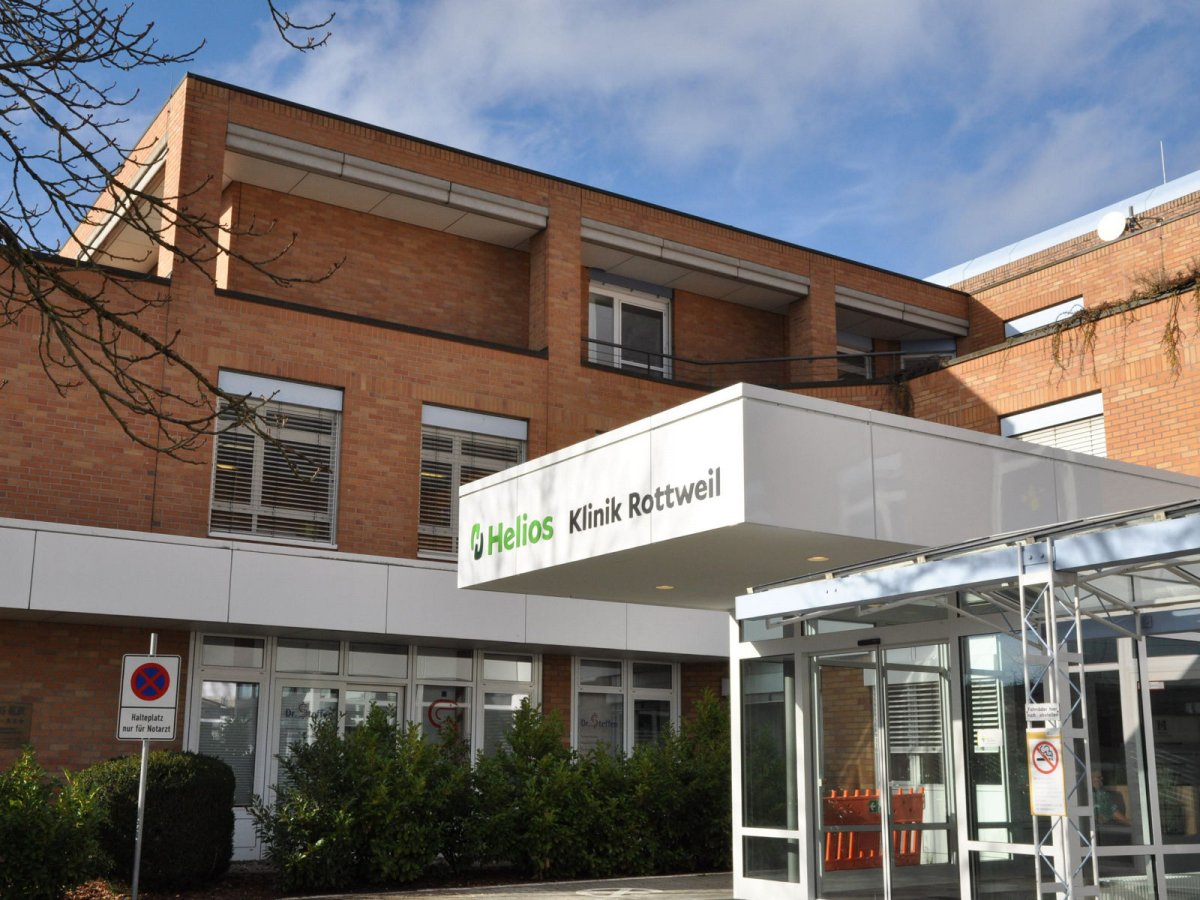


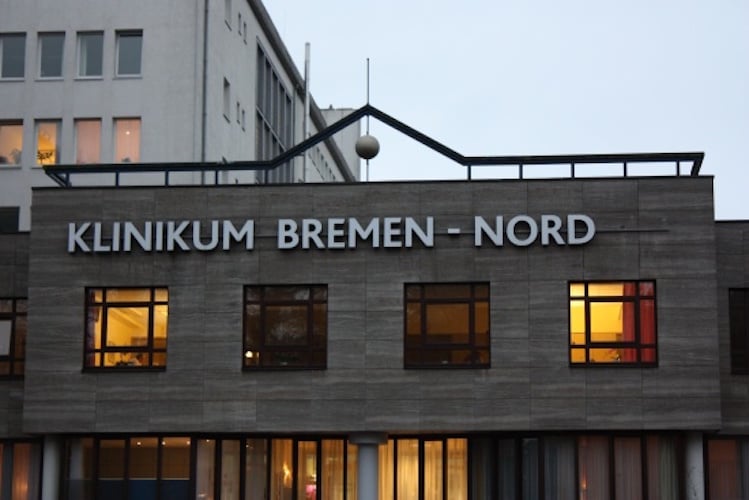
Bremen-Nord Clinic


Descripción general de Cirugía de cáncer de ovario en Alemania
- Oforectomía - de $4,800El procedimiento consiste en extirpar uno o ambos ovarios, a menudo para tratar el cáncer u otras enfermedades de los ovarios.
- Eliminación de quistes ováricos - de $5,000La operación elimina crecimientos en los ovarios, mediante laparoscopia o cirugía abierta, promoviendo la salud reproductiva femenina.
- Cirugía de cáncer de ovario - de $25,500La operación tiene como objetivo eliminar los crecimientos cancerosos en los ovarios, brindando posibilidades de tratamiento y mejores tasas de supervivencia.
Día 1
- Llegada al hospital.
- Consulta con un oncólogo ginecológico.
- Realización de una ecografía transvaginal.
Dia 2
- Prueba de conteo sanguíneo completo (CBC).
- Tomografía computarizada (TC) si es necesario.
- Discutir el proceso de la cirugía con el cirujano.
Día 3 - Día de la cirugía
- Preparación para la cirugía, incluido el ayuno.
- Administración de anestesia general.
- Cirugía de cáncer de ovario que dura de 3 a 5 horas.
Día 4 - Postoperatorio
- Monitoreo de signos vitales y recuperación de la anestesia.
- Evaluación de la condición física.
- Inicio de manejo del dolor si es necesario.
Día 5 a Día 10
- Hospitalización para observación y recuperación.
- La fisioterapia comienza a ayudar a la movilidad.
- Planificación del alta con el equipo médico.
Semana 2 - 4 Post-Operación
- Continuación del manejo del dolor en casa.
- Regreso paulatino a las actividades livianas.
- Consultas periódicas de seguimiento.
Semana 5 - 8 Rehabilitación
- Vuelta al trabajo si la recuperación es satisfactoria.
- Consultas de seguimiento para monitorear el progreso.
- Regreso completo a las actividades normales en la semana 8.
Nota: El proceso de recuperación de cada paciente es único y puede variar según el estado de salud individual y la complejidad de la cirugía.
Lo que les gusta a los pacientes:
- Precio. El costo de la cirugía de cáncer de ovario en Alemania oscila entre $ 28,000 y $ 34,000. Esto es considerablemente más asequible en comparación con $45,000 en los Estados Unidos y $40,000 en Japón.
- Profesionalidad del médico. Los cirujanos alemanes son reconocidos por su precisión y amplia formación. Muchos tienen certificaciones notables y son miembros de organizaciones médicas estimadas.
- Nivel de servicio. Los pacientes aprecian el alto nivel de servicio en los hospitales alemanes. El personal es atento, las instalaciones están bien mantenidas y la comunicación es clara.
- Eficacia de la cirugía del cáncer de ovario. Alemania utiliza técnicas modernas, lo que lleva a mejores resultados quirúrgicos. Las tasas de supervivencia son altas y hay menos complicaciones.
- Logística. El sistema de salud de Alemania está bien organizado. Los pacientes aprecian la perfecta coordinación desde el diagnóstico hasta el cuidado posterior.
Lo que no les gusta a los pacientes:
- _cost_link_ A pesar de ser más barato que en algunos países, el costo aún puede ser prohibitivo para muchos. La cobertura del seguro varía y es posible que no siempre compense los gastos.
- Tiempo de espera. Puede haber largos tiempos de espera para la cirugía. Esto puede ser estresante para los pacientes.
- Distancia. Para los pacientes internacionales, Alemania puede estar muy lejos. Los gastos de viaje y alojamiento se suman al costo total.
- Depósito de Bookimed: 200 $ o 200 €.
- Depósito de la clínica: Pague un porcentaje fijo por adelantado.
Como plataforma líder mundial de turismo médico, tenemos una gran responsabilidad ante nuestros clientes, tanto pacientes como centros médicos, que buscan cirugía de cáncer de ovario en Alemania. Toda la información proporcionada en Bookimed.com se basa en la investigación, la previsión y la experiencia y cumple con un alto interés relacionado con el producto y sigue:
Sistema inteligente de clasificación automática
Formamos nuestros listados de clínicas y médicos con estrictas regulaciones de nuestro sistema inteligente de clasificación automática. El sistema se basa en las tasas de pacientes reales de Bookimed para proporcionar la información más objetiva y transparente sobre las clínicas y la cirugía de cáncer de ovario en Alemania.
Nuestro experimentado científico de datos recopila datos a diario, supervisa y optimiza el sistema de clasificación mediante el aprendizaje automático y la inteligencia artificial para garantizar que el sistema de clasificación esté actualizado y proporcione resultados precisos.
Solo la experiencia de personas reales
Recopilamos las opiniones de los clientes de Bookimed solo después de obtener experiencia médica con la clínica, para que todos en la plataforma puedan confiar en el centro que eligen para la cirugía de cáncer de ovario en Alemania. Nos esforzamos por hacer que el contenido de nuestra plataforma sea lo más útil posible y garantizamos la libertad de expresar opiniones críticas. Así, publicamos críticas positivas y negativas, con el objetivo de ser una fuente para la toma de decisiones informadas para nuestros futuros clientes.
Temas con altos niveles de experiencia, autoridad y confiabilidad
En Bookimed.com puede encontrar opciones y comodidad para encontrar las mejores soluciones médicas de los principales proveedores de servicios médicos para la cirugía de cáncer de ovario en Alemania, en un solo lugar y, a menudo, a precios competitivos. Asegurándose de brindar la información más actualizada, los representantes de la clínica actualizan los CV de los médicos, las capacidades de las clínicas, las fotos de antes y después, los precios, los paquetes y las ofertas especiales en breve. Puede reunirse con el representante de la clínica y verificar la fecha del contenido actualizado en la página de cada clínica para asegurarse de su confiabilidad.
Nuestro blog y artículos de apoyo son creados por autores profesionales con al menos 3 años de experiencia en redacción médica y editados por especialistas médicos con experiencia clínica y de investigación relevante, todos reclutados cuidadosamente para el equipo. Nos esforzamos por mejorar el acceso de los pacientes a la información de salud, haciéndola experta pero fácil de entender. Todas las piezas siguen las Directrices Editoriales de Bookimed.
Valores reservados
Estamos hechos de personas y para personas, y ese es nuestro valor fundamental. Es por eso que todos los datos presentados en la plataforma son recopilados, editados, revisados y actualizados regularmente por nuestros pacientes, nuestras clínicas asociadas y nuestro equipo, incluido el Consejo Asesor Médico de Bookimed, que consta de médicos de renombre mundial con experiencia valiosa sobre 20 años de práctica y una reputación positiva. Conozca más sobre nosotros y nuestra misión .
En caso de que encuentre algún error o tenga alguna pregunta sobre la información presentada en Bookimed.com, no dude en contactarnos en marketing@bookimed.com .
Obtenga una evaluación médica para Cirugía de cáncer de ovario en Alemania: Elija su especialista entre los mejores en el campo
Ver todos los médicos
Viola Fox
Jefa de médicos en un centro oncológico interdisciplinario certificado – La Dra. Viola Fox se especializa en terapias innovadoras para el cáncer de ovario.
- Certificada en hematología, oncología e inmunología
- Experta en diagnóstico molecular y terapias dirigidas
- Investigadora activa en biología molecular para el tratamiento del cáncer
- Miembro de la Sociedad Alemana de Oncología

Séverine Iborra
La Dra. Séverine Iborra dirige el Departamento de Ginecología del Städtisches Klinikum Solingen, especializándose en oncología ginecológica con enfoque en técnicas mínimamente invasivas.
- Certificada en oncología ginecológica y obstetricia especial
- Experta en cirugías asistidas por robot mediante el sistema Da Vinci
- Miembro activo de las principales sociedades ginecológicas alemanas
- Autora de numerosas publicaciones y ponente en conferencias importantes
Historias en video de pacientes de Bookimed
Reseñas
Todas las reseñasCompartir contenido
 Olena Sikoza
Preguntas frecuentes sobre Cirugía de cáncer de ovario en Alemania
¿Qué ciudades alemanas son los principales centros de oncología ginecológica?
Berlín, Múnich y Heidelberg son los principales centros de oncología ginecológica de Alemania, albergando centros universitarios especializados e investigadores. Berlín alberga el Centro Europeo de Competencia para el Cáncer de Ovario en la Charité, mientras que Múnich y Heidelberg lideran en cirugía robótica y asesoramiento genético para neoplasias hereditarias dentro de redes académicas.
- Atención especializada en Berlín: Charité Universitätsmedizin gestiona casos complejos utilizando perfiles moleculares y procedimientos láser avanzados.
- Infraestructura en Múnich: LMU Klinikum y Rechts der Isar ofrecen sistemas robóticos Da Vinci e inmunoterapia.
- Centro científico de Heidelberg: El Centro Nacional de Enfermedades Tumorales coordina juntas interdisciplinarias y pruebas de riesgo de cáncer familiar.
- Experiencia en centros regionales: Ciudades como Solingen y Fráncfort cuentan con centros certificados por la DKG con departamentos quirúrgicos de alto volumen.
Perspectiva del experto de Bookimed: Aunque las grandes ciudades atraen la atención, las ciudades alemanas de tamaño mediano como Solingen o Wuppertal a menudo albergan clínicas afiliadas a universidades con volúmenes masivos de pacientes. Por ejemplo, el Hospital Universitario Helios de Wuppertal atiende a 150.000 pacientes al año, ofreciendo a los pacientes internacionales tiempos
¿Por qué los pacientes internacionales eligen Alemania para la cirugía de cáncer de ovario?
Los pacientes internacionales eligen Alemania para la cirugía de cáncer de ovario debido a los centros especializados certificados por la Sociedad Alemana del Cáncer (DKG) y a una experiencia quirúrgica excepcional. Los especialistas alemanes priorizan la cirugía citorreductora completa para la máxima eliminación del tumor y ofrecen terapias avanzadas como HIPEC y sistemas asistidos por robot Da Vinci para mejorar los resultados de supervivencia.
- Certificaciones especializadas: Los centros certificados por la DKG o la ESGO ofrecen tasas de supervivencia significativamente más altas.
- Debulking avanzado: Los cirujanos realizan citorreducciones complejas que involucran el intestino, el diafragma y los ganglios linfáticos.
- Opciones mínimamente invasivas: Los centros utilizan sistemas robóticos Da Vinci para reducir el tiempo de recuperación y el dolor.
- Tratamientos integrados: Las clínicas combinan la cirugía radical con terapias innovadoras como la inmunoterapia y el PIPAC.
Opinión de expertos de Bookimed: Los datos muestran que las clínicas alemanas como el Centro Médico de Solingen y el Complejo Clínico de Renania del Norte-Westfalia manejan volúmenes masivos de pacientes, superando a menudo los 60.000 anuales. Esta alta frecuencia se correlaciona directamente con la competencia quirúrgica en casos raros de oncología ginecológica. Los pa
¿Cuál es la estancia hospitalaria típica tras una cirugía mayor de cáncer de ovario en Alemania?
La cirugía mayor de cáncer de ovario en Alemania requiere normalmente una estancia hospitalaria de 5 a 10 días para los procedimientos abdominales abiertos. En casos complejos de citorreducción que implican resección intestinal o estadificación extensa, la estancia puede prolongarse hasta 14 días para garantizar la estabilización de la paciente y el control del dolor.
- Estancia mínima: Las cirugías laparoscópicas o asistidas por robot suelen permitir el alta después de 4 días.
- Hitos de recuperación: El alta requiere caminar, comer, expulsar gases y controlar el dolor con pastillas de forma independiente.
- Enfoque quirúrgico: La cirugía abdominal abierta sigue siendo el estándar para el 85% de los casos complejos de citorreducción.
- Atención extendida: Los protocolos alemanes suelen incluir un programa de rehabilitación hospitalaria especializada de 3 semanas tras la hospitalización.
Perspectiva de expertos de Bookimed: Las clínicas alemanas como el Medical Center de Solingen y la Clínica Nordwest priorizan los centros oncológicos de gran volumen para garantizar la seguridad quirúrgica. Aunque los centros con más de 60.000 pacientes anuales muestran una excelente eficiencia, la duración de la estancia depende estrictamente de la recuperación de la función intestinal. Las pacientes que se someten a cirugía robótica en el complejo clínico de
¿Qué implica la cirugía estándar de cáncer de ovario en los centros certificados alemanes?
La cirugía estándar de cáncer de ovario en los centros certificados alemanes prioriza la citorreducción tumoral macroscópica completa. Ginecólogos oncólogos especializados realizan estas operaciones siguiendo las estrictas directrices nacionales S3 de la Sociedad Alemana de Ginecología y Obstetricia. El objetivo principal sigue siendo la eliminación de todo el tejido tumoral visible para mejorar la supervivencia de la paciente.
- Procedimiento central: Incluye histerectomía total, salpingo-ooforectomía bilateral y omentectomía total para eliminar la enfermedad visible.
- Laparotomía de estadificación: Implica linfadenectomía pélvica y paraaórtica sistémica y múltiples biopsias peritoneales.
- Resección multivisceral: Los cirujanos extirpan secciones afectadas del intestino, diafragma o bazo en casos avanzados.
- Acceso tecnológico: Los centros utilizan sistemas robóticos Da Vinci o quimioterapia intraperitoneal hipertérmica para mayor precisión.
Perspectiva de expertos de Bookimed: Las clínicas alemanas como el Medical Center de Solingen y la Clínica Nordwest a menudo mantienen tasas de éxito más altas al centralizar la atención en centros oncológicos interdisciplinarios. Estas instalaciones integran diagnósticos moleculares y comités de tumores en el plan quirúrgico. Esta especialización de alto volumen garantiza que los cirujanos mantengan la
¿Cómo organizan los pacientes internacionales su viaje y admisión?
Los pacientes internacionales coordinan su cirugía en Alemania enviando sus registros médicos para revisión clínica y obteniendo un presupuesto antes de viajar. Los departamentos internacionales especializados en centros de primer nivel, como la Clínica Nordwest o el Centro Médico de Solingen, gestionan la programación de citas, las cartas de invitación para visas médicas y la coordinación de la logística local.
- Envío de registros: Proporcione informes de patología e imágenes traducidos para que el cirujano los revise antes del viaje.
- Autorización financiera: Los pacientes que pagan por cuenta propia deben transferir un depósito basado en la estimación del hospital.
- Apoyo con la visa: Las clínicas emiten cartas oficiales de cita una vez que confirman el tratamiento y la autorización financiera.
- Momento de llegada: Llegue 1 o 2 días antes para realizar las pruebas preoperatorias y las reuniones de consentimiento quirúrgico.
Perspectiva de expertos de Bookimed: Alemania ocupa un lugar destacado en volumen oncológico; el Hospital Universitario Helios de Wuppertal atiende a 150.000 pacientes al año. Aunque muchos pacientes se centran en la fecha de la cirugía, los resultados más exitosos dependen de elegir un centro certificado por la Sociedad Alemana del Cáncer, ya que estos centros cumplen con estándares estrictos de atención multidiscipl
¿Qué son los Centros Certificados de Oncología Ginecológica en Alemania?
Los Centros Certificados de Oncología Ginecológica en Alemania son redes médicas especializadas acreditadas por la Sociedad Alemana del Cáncer. Estos centros integran comités de tumores interdisciplinarios y una gran experiencia quirúrgica para tratar los cánceres de ovario, cuello uterino y útero. Instalaciones como el Centro Médico de Solingen mantienen certificaciones específicas que garantizan una atención oncológica estandarizada y basada en evidencia.
- Organismo de certificación: La Sociedad Alemana del Cáncer (DKG) evalúa los centros según el volumen de pacientes y el éxito.
- Experiencia especializada: La cirugía es realizada por oncólogos ginecólogos dedicados en lugar de ginecólogos generales.
- Enfoque de tratamiento: Cada caso se somete a una revisión por parte de comités de tumores interdisciplinarios para una planificación personalizada.
- Acceso a tecnología: Los centros a menudo utilizan herramientas avanzadas como cirugía robótica y ecografía 3D.
Perspectiva de expertos de Bookimed: La certificación alemana no es solo una etiqueta; requiere cumplir con mínimos quirúrgicos estrictos. Por ejemplo, el Centro Médico de Solingen y la Clínica Nordwest atienden a más de 60,000 pacientes al año porque un alto volumen se correlaciona con mejores resultados. Elegir un centro certificado por la DKG garantiza que su equipo quirúrgico se e
¿Qué tratamientos intraoperatorios avanzados se utilizan para el cáncer de ovario en etapa avanzada en Alemania?
Los tratamientos intraoperatorios avanzados para el cáncer de ovario en etapa avanzada en Alemania se centran en la cirugía citorreductora agresiva y la quimioterapia intraperitoneal hipertérmica (HIPEC) para lograr la eliminación completa del tumor. Los centros certificados de oncología ginecológica utilizan resecciones multiviscerales, incluyendo el stripping de intestino y diafragma, para eliminar toda enfermedad microscópica visible dentro de la cavidad abdominal.
- Cirugía citorreductora: Los cirujanos realizan una citorreducción extensa para eliminar toda la masa tumoral visible de los órganos abdominales.
- Terapia HIPEC: Se hacen circular soluciones de quimioterapia calentadas durante la operación para eliminar las células cancerosas microscópicas restantes.
- Resección multivisceral: Los cirujanos resecan rutinariamente partes del intestino, el bazo o el hígado si el cáncer se propaga.
- Laparoscopia diagnóstica: Los médicos utilizan primero cámaras mínimamente invasivas para confirmar si es factible una resección completa.
Perspectiva del experto de Bookimed: Aunque muchos países ofrecen citorreducción, los hospitales universitarios alemanes como Solingen o Nordwest a menudo integran el diagnóstico molecular directamente en las fases de planificación quirúrgica. Este enfoque basado en datos permite a los cirujanos elegir técnicas intr
¿Cuáles son las tasas de supervivencia global para el cáncer de ovario en Alemania y cómo varían según el estadio?
La tasa de supervivencia relativa global a 5 años para el cáncer de ovario en Alemania es de aproximadamente el 44%. Los resultados varían significativamente según el estadio, con casos localizados en estadio I que alcanzan entre el 88% y el 90% de supervivencia. Por el contrario, los diagnósticos en estadio IV avanzado muestran tasas de supervivencia entre el 15% y el 41%.
- Supervivencia en estadio I: El cáncer localizado limitado a los ovarios tiene tasas de supervivencia a 5 años del 88% al 90%.
- Supervivencia en estadio II: La propagación regional dentro de los órganos pélvicos reduce la supervivencia a aproximadamente el 79%.
- Supervivencia en estadio III: Los casos avanzados oscilan entre el 18% y el 55% dependiendo del histotipo del tumor.
- Supervivencia en estadio IV: La supervivencia con metástasis a distancia oscila entre el 15% y el 41% después de 5 años.
- Atención especializada: Los centros certificados por la DKG muestran tasas de supervivencia significativamente más altas que los centros no certificados.
Perspectiva de expertos de Bookimed: Aunque el 72% de los casos alemanes se diagnostican en estadios avanzados, el volumen de pacientes de la instalación afecta los resultados. Clínicas como el Hospital Universitario Helios de Wuppertal tratan a 150.000 pacientes al año. Los centros de alto volumen a m
¿Están disponibles las cirugías mínimamente invasivas o robóticas para el cáncer de ovario en Alemania, y en qué casos?
Alemania ofrece cirugías mínimamente invasivas y robóticas para el cáncer de ovario en casos específicos, principalmente para la estadificación en etapas tempranas y tumores limítrofes (borderline). Los centros certificados por la Sociedad Alemana del Cáncer utilizan sistemas robóticos Da Vinci cuando el tumor es pequeño y está confinado a los ovarios para evitar el derrame de líquido.
- Estadificación en etapa temprana: Los expertos utilizan laparoscopia para casos de Etapa 1 sin propagación abdominal visible.
- Tumores limítrofes: La precisión robótica permite una cirugía que preserva la fertilidad en pacientes más jóvenes con células no malignas.
- Evaluación diagnóstica: Los cirujanos realizan un mapeo laparoscópico rápido para determinar si es posible la extirpación completa del tumor.
- Citorreducción de intervalo: Los centros especializados consideran enfoques robóticos después de la quimioterapia si la carga tumoral se reduce significativamente.
Perspectiva del experto de Bookimed: Aunque muchos buscan opciones robóticas, la prioridad quirúrgica alemana sigue siendo la citorreducción completa. Los datos de centros como el Centro Médico de Solingen y el Complejo Clínico de Renania del Norte-Westfalia muestran que los sistemas robóticos se utilizan mejor para el mapeo diagnóstico o la estadificación muy temprana. Las pacientes deben prior
¿Cuál es la estancia hospitalaria típica y el cronograma general de recuperación después de una cirugía de cáncer de ovario en Alemania?
Las pacientes que se someten a una cirugía de cáncer de ovario en Alemania suelen permanecer en el hospital durante 7 días, aunque las estancias varían de 5 a 10 días. La recuperación inicial para las funciones diarias básicas toma de 2 a 6 semanas, mientras que la curación física completa generalmente requiere de 8 a 12 semanas, dependiendo de la técnica quirúrgica.
- Enfoque quirúrgico: Las estancias por laparoscopia o cirugía robótica duran de 1 a 4 días, frente a una duración mayor para el debulking abierto.
- Enfoque hospitalario: El seguimiento se centra en la cicatrización de heridas, la función intestinal y los protocolos de manejo temprano del dolor.
- Recuperación temprana: Se necesita ayuda para conducir, levantar objetos y realizar tareas domésticas durante 6 semanas.
- Curación avanzada: La mayoría de las pacientes regresan al ejercicio ligero y a las actividades profesionales después de 12 semanas.
Perspectiva de expertos de Bookimed: Los centros oncológicos alemanes, como el Centro Médico de Solingen, utilizan equipos interdisciplinarios para acortar las estancias. Aunque la recuperación estándar es de 7 días, el debulking especializado a menudo involucra a cirujanos colorrectales. Las clínicas con certificación de la Sociedad Alemana del Cáncer frecuentemente manejan casos complejos sin extender la hospitalización más allá de lo