Cirugía de sangrado rectal en Alemania — obtén 3 clínicas con costos


Revisado médicamente por
Fahad Mawlood
¿Cuál es el precio de Cirugía de sangrado rectal en Alemania? Descubra ahora
El costo de la cirugía para el sangrado rectal en Alemania suele oscilar entre _price_from_ y _price_to_. Los precios pueden variar según el hospital, la experiencia del cirujano, la complejidad de la afección subyacente (como hemorroides, fisuras o tumores) y si se utilizan técnicas mínimamente invasivas o abiertas. UU.
Los hospitales alemanes suelen incluir en el precio las consultas preoperatorias, pruebas diagnósticas (como colonoscopia o proctoscopia), anestesia, la cirugía, la estancia hospitalaria, medicamentos postoperatorios y visitas de seguimiento. En EE. UU., el precio listado a menudo cubre solo los honorarios del cirujano, mientras que la anestesia, los cargos hospitalarios y los diagnósticos se facturan por separado. Siempre confirmar qué está incluido con la clínica elegida.
Sus beneficios y garantías con Bookimed
Precios directos
Bookimed no añade cargos adicionales a los precios de Cirugía de sangrado rectal. Las tarifas proceden de las listas de precios oficiales de las clínicas. Pagará directamente en la clínica por su Cirugía de sangrado rectal a su llegada al país.
Sólo clínicas y médicos verificados
Bookimed está comprometido con su seguridad. Solo trabajamos con las clínicas que mantienen altos estándares internacionales en Cirugía de sangrado rectal y tienen las licencias necesarias para atender a pacientes internacionales en todo el mundo.
Asistencia 24/7 gratuita
Bookimed ofrece asistencia experta gratuita. Un coordinador médico personal le apoya antes, durante y después del tratamiento, resolviendo cualquier problema. Nunca estará solo en su viaje médico de Cirugía de sangrado rectal.

Su coordinador médico personal de Bookimed
- Le apoya en cada etapa
- Ayuda a elegir la clínica y el médico adecuados
- Asegura un acceso rápido y conveniente a la información
Descubra las mejores clínicas de Cirugía de sangrado rectal en Alemania: 1 opciones verificadas y Precios
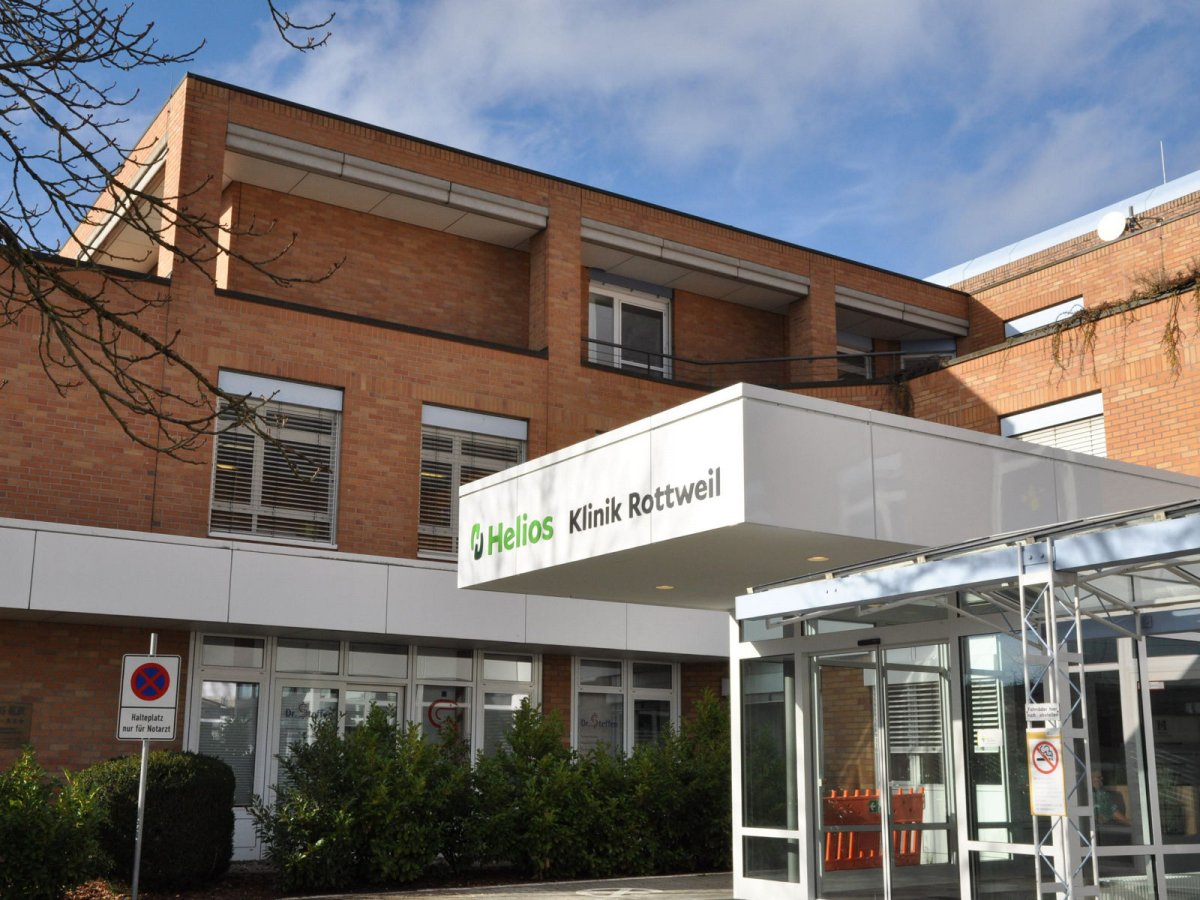


Descripción general de Cirugía de sangrado rectal en Alemania
- Reparación de hernia umbilical - de $8,800La operación corrige un bulto cerca del ombligo, lo que reduce la incomodidad y previene complicaciones peligrosas.
- Resección de estómago - de $19,000El procedimiento consiste en extirpar parte del estómago para tratar afecciones como el cáncer, lo que brinda resultados potencialmente curativos.
- Amputación - de $25,000El procedimiento consiste en extirpar una parte del cuerpo para salvar vidas, aliviar el dolor o abordar el progreso de la enfermedad.
- Cirugía de hernia inguinal - de $10,200El procedimiento trata un bulto en el área de la ingle empujándolo hacia atrás y fortaleciendo la pared abdominal.
- Reparación de hernia de hiato - de $7,200El procedimiento repara las protuberancias del tejido abdominal a través del diafragma, mejorando la digestión y reduciendo las molestias.
- Colecistectomía - de $8,500La operación extirpa la vesícula biliar para tratar cálculos biliares, inflamación o cáncer con menos cicatrices y una recuperación más rápida.
- Cirugía - de $4,500El procedimiento consiste en corregir defectos corporales o enfermedades mediante operaciones manuales, generalmente bajo anestesia.
- Aterectomía - de $9,500El procedimiento elimina la placa en las arterias, mejora el flujo sanguíneo y reduce el riesgo de enfermedades cardíacas con una cirugía mínimamente invasiva.
- Depósito de Bookimed: 200 $ o 200 €.
- Depósito de la clínica: Pague un porcentaje fijo por adelantado.
Obtenga una evaluación médica para Cirugía de sangrado rectal en Alemania: Elija su especialista entre los mejores en el campo
Ver todos los médicos
Lars Bönicke
Compartir contenido
Historias en video de pacientes de Bookimed
 Olena Sikoza
Preguntas frecuentes sobre Cirugía de sangrado rectal en Alemania
¿Cuáles son las causas comunes de sangrado rectal que requieren cirugía en Alemania?
Las causas comunes de sangrado rectal que requieren cirugía en Alemania incluyen hemorroides de grado 3 o 4, fisuras anales crónicas y tumores colorrectales. Los centros quirúrgicos especializados como el Hospital Universitario Helios de Wuppertal priorizan el diagnóstico por colonoscopia para distinguir las afecciones benignas de la enfermedad inflamatoria intestinal o los cánceres colorrectales malignos antes de continuar.
- Enfermedad hemorroidal: Los cirujanos utilizan HAL-RAR o escisión para casos avanzados de grado 3 y 4.
- Fisuras anales crónicas: La reparación quirúrgica como la fisurectomía es estándar cuando las cremas y baños conservadores fallan.
- Cáncer colorrectal: La resección de tumores malignos o pólipos es la principal intervención quirúrgica oncológica.
- Fístulas anales: La cirugía trata abscesos infectados o fístulas complejas que causan sangrado rectal recurrente.
- Enfermedad inflamatoria: La colitis ulcerosa grave puede requerir la extirpación parcial o total del colon en emergencias.
Opinión experta de Bookimed: Los proctólogos alemanes como el Dr. Lars Bönicke en Helios Wuppertal a menudo priorizan la fisurectomía sobre la esfinterotomía tradicional. Esta elección técnica apunta específicamente a la curación mientras reduce el riesgo de incontinencia a largo plazo. Los datos de Bookimed muestra
¿Cuáles son los riesgos de la cirugía rectal?
Los riesgos de la cirugía rectal incluyen fugas anastomóticas, infecciones y posibles daños nerviosos que afectan la función vesical o sexual. Los pacientes también pueden experimentar el síndrome de resección anterior baja (LARS). Los centros especializados en Alemania utilizan técnicas de preservación nerviosa y protocolos oncológicos certificados por IASIOS para minimizar estas complicaciones que alteran la vida.
- Fuga anastomótica: Un fallo grave en la conexión que ocurre en aproximadamente el 4% de los casos complejos.
- Posibilidad de estoma: Algunos procedimientos rectales requieren una bolsa de derivación intestinal temporal o permanente.
- Cambios funcionales: Puede ocurrir urgencia fecal crónica, frecuencia o diarrea después de la cirugía de preservación del esfínter.
- Lesión nerviosa: El trauma en los nervios pélvicos puede causar disfunción eréctil o problemas de retención urinaria.
Opinión experta de Bookimed: Los hospitales universitarios alemanes a menudo integran la oncología intervencionista con la proctología para reducir los riesgos de fugas. Por ejemplo, el Hospital Universitario Helios de Wuppertal tiene la certificación IASIOS por cumplir con estrictos estándares europeos. Esta acreditación de alto nivel a menudo se correlaciona con tasas de complicaciones más bajas en cirugías rectales complejas en comparación con centr
¿Qué técnicas especializadas y mínimamente invasivas se utilizan en Alemania?
Alemania utiliza técnicas mínimamente invasivas avanzadas como la microcirugía endoscópica transanal (TEM) y la disección submucosa endoscópica (ESD) para la cirugía rectal. Estos métodos permiten a los cirujanos eliminar lesiones del tracto gastrointestinal sin incisiones externas. Este enfoque preciso reduce el trauma y acelera la recuperación de los pacientes.
- Tecnología quirúrgica: Los sistemas laparoscópicos asistidos por robot proporcionan visualización 3D para una disección intestinal precisa.
- Afectación intestinal: Equipos multidisciplinarios que incluyen cirujanos colorrectales manejan casos complejos con afectación intestinal.
- Protocolos de imagen: El mapeo diagnóstico por resonancia magnética o ultrasonido se realiza antes de cualquier intervención quirúrgica laparoscópica.
- Acreditación clínica: Instalaciones como el Hospital Universitario Helios de Wuppertal cuentan con la certificación de la Sociedad Alemana del Cáncer.
Opinión experta de Bookimed: Los datos muestran que los especialistas colorrectales alemanes prefieren una cirugía definitiva única en lugar de varios procedimientos más pequeños. Aunque las técnicas mínimamente invasivas reducen el trauma, los casos que involucran el intestino todavía requieren una estancia hospitalaria más larga de varios días. Esto prioriza el éxito a largo plazo sobre una descarga rápida.
¿Cómo elijo una clínica o especialista para cirugía rectal en Alemania?
Elija una clínica en Alemania priorizando los centros certificados por la Sociedad Alemana del Cáncer (DKG) y los especialistas en cirugía visceral o proctología. Concéntrese en hospitales universitarios de alto volumen que utilicen sistemas robóticos para procedimientos rectales precisos y ofrezcan el inicio del tratamiento dentro de los 14 días posteriores al diagnóstico.
- Certificación especializada: Busque centros que cuenten con acreditación de tratamiento oncológico de la Sociedad Alemana del Cáncer o de IASIOS.
- Experiencia del cirujano: Elija médicos como Lars Bönicke, que se especialicen específicamente en proctología y oncología.
- Acceso a tecnología: Priorice las instalaciones que ofrecen cirugía asistida por robot para una mejor preservación de los nervios y recuperación.
- Volumen de pacientes: Centros de alta capacidad como el Hospital Universitario Helios de Wuppertal tratan a 150.000 pacientes al año.
Opinión experta de Bookimed: La infraestructura médica alemana crea una brecha de rendimiento única entre los cirujanos abdominales generales y los proctólogos dedicados. Los datos de centros como Helios muestran que las instalaciones con más de 25 departamentos especializados ofrecen una atención multidisciplinaria superior para los casos rectales. Elegir un hospital afiliado a una universidad garantiza el acceso a los últimos
¿Cuál es el tiempo de recuperación y el cuidado postoperatorio después de una cirugía por sangrado rectal en Alemania?
La recuperación después de una cirugía por sangrado rectal en Alemania generalmente implica una estancia hospitalaria de 3 días, con una curación completa que toma de 6 a 10 semanas. Los pacientes a menudo regresan al trabajo de escritorio dentro de 7 a 14 días. El cuidado se centra en protocolos de Recuperación Mejorada Después de la Cirugía (ERAS), movilización temprana y un manejo estricto de las deposiciones.
- Estancia hospitalaria: Espere 3 días de internación en instalaciones como el Hospital Universitario Helios de Wuppertal para monitoreo.
- Cronología de curación: Las funciones básicas regresan en días; la curación completa de los tejidos requiere de 6 a 10 semanas.
- Límites de actividad: Evite levantar objetos pesados de más de 5 kg durante al menos 3 a 4 semanas después de la cirugía.
- Cuidado de heridas: Los baños de asiento tibios diarios y una higiene suave previenen infecciones y manejan el dolor local.
- Manejo de deposiciones: Las dietas ricas en fibra y ablandadores como el Macrogol son esenciales para evitar esfuerzos.
Opinión experta de Bookimed: Los proctólogos alemanes a menudo priorizan una estancia hospitalaria de 3 días incluso para casos de rutina. Esto asegura la extracción adecuada de los drenajes y un monitoreo profesional del cuidado de heridas antes del alta. Centros como el Hospital Uni
¿Cuánto tiempo debo permanecer en el hospital después de una cirugía por sangrado rectal en Alemania?
Las estancias hospitalarias por cirugía de sangrado rectal en Alemania suelen durar de 1 a 7 días. Los procedimientos menores, como el tratamiento de hemorroides, permiten el alta en 1-2 días. Las resecciones rectales mayores requieren de 3 a 7 días para asegurar la estabilidad de la función intestinal y un control adecuado del dolor.
- Procedimientos menores: El alta ocurre dentro de las 24-48 horas para ligaduras de hemorroides o escisiones simples.
- Resecciones mayores: Los pacientes permanecen de 3 a 7 días después de cirugías complejas para monitorear infecciones.
- Protocolos de vía rápida (ERAS): La recuperación mejorada tiene como objetivo el alta del paciente en 2-3 días después de la operación.
- Criterios de alta: La estancia depende del dolor controlado, el movimiento independiente y el retorno de la función intestinal.
Opinión experta de Bookimed: Las clínicas alemanas como el Hospital Universitario Helios de Wuppertal a menudo priorizan la seguridad sobre la velocidad. Mientras que algunos países presionan por el alta en 48 horas, los cirujanos alemanes sugieren frecuentemente una estancia de 5 noches. Esto permite a los equipos médicos monitorear personalmente la extracción de los drenajes y la actividad intestinal antes de que usted se vaya.
Consenso de los pacientes: Espere permanecer hasta que los dren
¿Pueden los pacientes extranjeros someterse a cirugía por sangrado rectal en Alemania?
Los pacientes extranjeros pueden recibir cirugía por sangrado rectal en Alemania reservando a través de plataformas médicas privadas u hospitales universitarios. Las clínicas alemanas ofrecen cirugía abdominal avanzada y atención proctológica. Instalaciones como el Hospital Universitario Helios de Wuppertal brindan tratamientos especializados para hemorroides, fisuras y cáncer colorrectal utilizando técnicas de alto estándar.
- Centros acreditados: Busque clínicas con certificaciones de la Sociedad Alemana del Cáncer o ISO para mayor seguridad.
- Cirujanos especializados: Expertos como Lars Bönicke se enfocan en proctología y oncología dentro de departamentos grandes.
- Acceso para pacientes particulares: Los pacientes internacionales utilizan canales privados ya que no tienen acceso al sistema público de salud.
- Requisitos de diagnóstico: La cirugía aborda causas específicas como úlceras, enfermedades intestinales o hemorroides severas.
Opinión experta de Bookimed: Los hospitales universitarios alemanes a menudo tratan tanto a adultos como a niños dentro del mismo departamento quirúrgico. El Hospital Universitario Helios de Wuppertal gestiona más de 150,000 pacientes al año utilizando este enfoque integrado. Las investigaciones muestran que los centros de primer nivel pueden limitar la admisión internacional debido a la alta demanda local. Re
¿Qué hospitales en Alemania tienen las calificaciones más altas en neurocirugía?
Alemania alberga algunos de los departamentos de neurocirugía más prestigiosos del mundo, liderados por la Charité – Universitätsmedizin Berlin y el Hospital Universitario de Heidelberg. Estos centros destacan en el tratamiento de tumores cerebrales complejos y enfermedades cerebrovasculares. Para maximizar la eficacia de sus procedimientos, utilizan tecnologías de vanguardia como la resonancia magnética intraoperatoria y la neuronavegación asistida por computadora.
- Charité Berlín: Realiza más de 5000 cirugías al año. La clínica está dirigida por el reconocido neurocirujano Dr. Peter Vaikoczy.
- Centro Médico Solingen: El Dr. Ralf Buhl ha realizado más de 4.000 cirugías, incluidas cirugías de columna mínimamente invasivas.
- Clínica Asklepios Nord: equipada con el único sistema de resonancia magnética intraoperatoria bilateral de Alemania para garantizar precisión quirúrgica en tiempo real durante la extirpación del tumor.
- Clínica Nordwest: reconocida por la revista Newsweek como un hospital líder por su innovación en tecnología de ultrasonido 3D.
Opinión experta de Bookimed: Los datos muestran que elegir centros con un alto volumen quirúrgico suele llevar a recomendaciones de tratamiento más conservadoras. En el Centro Médico Solingen, que atiende a más de 60.000 pacientes al año, los cirujanos suelen sugerir fisioterapia en lugar de cirugía
¿Cuáles son las tasas de éxito de los procedimientos neuroquirúrgicos complejos en Alemania?
En Alemania, los procedimientos neuroquirúrgicos de alta complejidad demuestran una seguridad excepcional. Las tasas de éxito en las fusiones espinales alcanzan el 99 %. La tasa de supervivencia en las resecciones de tumores cerebrales primarios es del 97 %. La independencia funcional es alta. Más del 82 % de los pacientes reciben el alta inmediatamente después del tratamiento. Los centros alemanes priorizan la preservación de la función neurológica mediante técnicas modernas de mapeo.
- Resección de tumores: los cirujanos logran una resección tumoral completa en el 87,2% de los casos de metástasis cerebrales.
- Éxito en el tratamiento de enfermedades vasculares: los hospitales alemanes informan de una tasa de supervivencia del 98,7% para aneurismas no rotos.
- Mejora del estado neurológico: casi el 43% de los pacientes experimentan una mejora de los parámetros funcionales después de resecciones complejas.
- Seguridad de las intervenciones quirúrgicas: En grandes centros quirúrgicos, las tasas de supervivencia de los pacientes después de la cirugía de columna son del 98-99%.
Opinión experta de Bookimed: Cirujanos experimentados como el Dr. Uwe Köhler, de la Clínica Asklepios Altona, realizan más de 2000 cirugías al año. Los datos muestran que estos especialistas mantienen tasas de éxito de hasta el 90 %, incluso en los tumores cerebrales más comp
¿Qué tecnologías avanzadas suelen estar disponibles en las clínicas neuroquirúrgicas alemanas?
Las clínicas neuroquirúrgicas alemanas incorporan regularmente instrumentos digitales de alta precisión y visualización en tiempo real a la práctica quirúrgica. Entre las tecnologías clave se encuentra la neuronavegación computarizada para cirugías de cerebro y médula espinal. Instituciones como la Clínica Asklepios Nord utilizan la resonancia magnética intraoperatoria para verificar la extirpación de tumores en tiempo real. Estos sistemas proporcionan a los cirujanos navegación GPS 3D.
- Neuronavegación: proporciona visualización 3D y seguimiento de instrumentos en tiempo real para lograr precisión quirúrgica hasta el nivel submilimétrico.
- Imágenes intraoperatorias: sistemas como iMRI y O-arm CT permiten la confirmación inmediata de una resección exitosa.
- Neuromonitorización: Monitorea las funciones motoras y sensoriales durante la cirugía para proteger el sistema nervioso.
- Diagnóstico de fluorescencia: se utiliza el colorante 5-ALA para resaltar los bordes del tumor para una eliminación más completa.
- Asistencia robótica: Sistemas como el Da Vinci mejoran la precisión en procedimientos complejos y mínimamente invasivos.
Opinión experta de Bookimed: Grandes centros como la Charité – Universitätsmedizin de Berlín realizan más de 4000 procedimientos neuroquirúrgicos al año, lo que crea un entorno rico en datos para p