Tetralogía de Fallot Tratamiento en Israel — Costos 2026


Revisado médicamente por
Fahad Mawlood
¿Cuál es el precio del diagnóstico y los tratamientos de Tetralogía de Fallot en Israel? Descubra ahora
| Israel | España | Turquía | |
|---|---|---|---|
| Tratamiento de la tetralogía de Fallot | ≈ $38,000 | de $44,800 | de $16,500 |
| Cirugía a corazón abierto | ≈ $28,500 | de $50,400 | de $13,500 |
Sus beneficios y garantías con Bookimed
Precios directos
Bookimed no añade cargos extra a los precios de los tratamientos de Tetralogía de Fallot. Las tarifas proceden de las listas de precios oficiales de las clínicas. Pagará directamente en la clínica por su tratamiento a su llegada al país.
Sólo clínicas y médicos verificados
Bookimed está comprometido con su seguridad. Solo trabajamos con las clínicas que mantienen altos estándares internacionales en el tratamiento de Tetralogía de Fallot y cuentan con las licencias necesarias para atender a pacientes internacionales en todo el mundo.
Asistencia 24/7 gratuita
Bookimed ofrece asistencia experta gratuita. Un coordinador médico personal le apoya antes, durante y después de su tratamiento, resolviendo cualquier problema. Nunca estará solo en su viaje médico de tratamiento de Tetralogía de Fallot.

Su coordinador médico personal de Bookimed
- Le apoya en cada etapa
- Ayuda a elegir la clínica y el médico adecuados
- Asegura un acceso rápido y conveniente a la información
Descubra las mejores clínicas de tratamiento de Tetralogía de Fallot en Israel: 1 opciones verificadas y Precios





Obtenga una evaluación médica para Tetralogía de Fallot en Israel: consulte con doctores experimentados ahora
Ver todos los médicos
Livia Kapusta
La Dra. Livia Kapusta se especializa en cardiología pediátrica, centrándose en afecciones cardíacas congénitas como la tetralogía de Fallot en el Centro Médico Sourasky (Ichilov).
- Cualificada por la Universidad de Tel Aviv y la Universidad Radboud de Nimega
- Realiza cierres de conducto arterioso persistente (CAP) y septostomía auricular con balón
- Experta en tratamientos de arritmias y emergencias cardíacas
- Gestiona intervenciones tanto médicas como quirúrgicas para niños
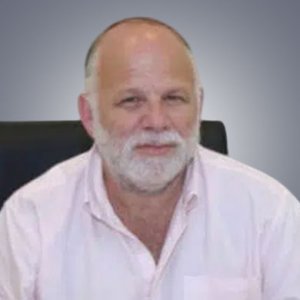
David Mishaali
El Dr. David (Dudi) Mishali, MD, es Director de Cirugía Cardiotorácica Pediátrica y Congénita en el Centro Médico Sheba. Atiende a lactantes y niños con cardiopatías congénitas. Su labor abarca anomalías raras y de alto riesgo y reconstrucciones complejas en recién nacidos.
Se formó a nivel internacional. Completó la residencia en el Centro Médico Rabin y realizó fellowships clínicos en cirugía cardíaca en la Cleveland Clinic y en cirugía cardiotorácica pediátrica congénita en la UCSF.

Moni Shuvi
El Dr. Moni Shuvi es un cardiólogo intervencionista centrado en enfermedades de las válvulas cardíacas y procedimientos complejos en el Hadassah Medical Center.
- Especializado en intervenciones coronarias percutáneas (ICP) y angiografía
- Su experiencia incluye el tratamiento de afecciones como la enfermedad de la válvula mitral
- Gestiona eventos cardíacos agudos, incluido el infarto de miocardio
Compartir contenido
Historias en video de pacientes de Bookimed
 Olena Sikoza
Preguntas frecuentes sobre el tratamiento de Tetralogía de Fallot en Israel
¿Qué hospitales israelíes se especializan en el tratamiento de la tetralogía de Fallot?
Hospitales israelíes como el Centro Médico Sheba y el Centro Médico Sourasky se especializan en el tratamiento de la tetralogía de Fallot. Estas instalaciones utilizan equipos multidisciplinarios que incluyen cirujanos cardiotorácicos pediátricos y cardiólogos. Las instalaciones a menudo cuentan con la acreditación de la Joint Commission International y se clasifican entre los mejores hospitales de Newsweek para la atención cardíaca avanzada.
- Centros especializados: El Centro Médico Sheba alberga el Centro Internacional de Corazón Congénito Edmond J. Safra.
- Cirujanos expertos: El Dr. David Mishaali en Sheba realiza reconstrucciones cardíacas pediátricas complejas.
- Diagnóstico avanzado: Las clínicas utilizan ECG y consultas especializadas para estadificar el defecto cardíaco.
- Volumen quirúrgico: Los centros líderes gestionan aproximadamente 400 cirugías cardíacas pediátricas y 300 cateterismos al año.
Perspectiva del experto de Bookimed: Los datos muestran que los centros de primer nivel como Sheba y Sourasky operan a gran escala, gestionando más de 1.800.000 pacientes al año. Para afecciones complejas como la tetralogía de Fallot, este alto volumen se correlaciona con protocolos quirúrgicos refinados y unidades de cuidados intensivos mejor equipadas. Elegir estos hospitales de alta capacidad garantiza el acceso a sistemas de soporte vit
¿Es la reparación quirúrgica la única opción, o puede la tetralogía de Fallot corregirse mediante procedimientos con catéter en Israel?
La reparación quirúrgica es la única corrección definitiva para los cuatro defectos de la tetralogía de Fallot en Israel. Aunque los procedimientos con catéter no pueden solucionar completamente la afección, los especialistas los utilizan para cuidados paliativos y reemplazo de válvulas. Estas intervenciones ayudan a retrasar o evitar cirugías a corazón abierto repetidas en niños.
- Derivación paliativa: Los cirujanos utilizan catéteres para colocar stents en bebés demasiado pequeños para una cirugía completa.
- Reemplazo de válvula: El reemplazo de válvula pulmonar transcatéter (TPVR) trata las fugas utilizando válvulas Melody o SAPIEN.
- Cierre septal: Los dispositivos mínimamente invasivos pueden cerrar los defectos del tabique ventricular residuales que quedan después de la cirugía inicial.
- Manejo de la aorta: Los cardiólogos intervencionistas realizan dilatación con balón para ensanchar las arterias pulmonares o válvulas estrechadas.
Perspectiva del experto de Bookimed: Los centros pediátricos israelíes como el Sourasky Medical Center (Ichilov) proporcionan una red de seguridad única al integrar la IA y la imagenología digital en la planificación quirúrgica. El Dr. David Mishaali en el Sheba Medical Center incluso ha desarrollado protocolos quirúrgicos mínimamente invasivos para defectos congénitos específicos. Este enfoque de alta tecno
¿Cuál es el cronograma típico de recuperación después de una reparación de la tetralogía de Fallot (ToF) operada en Israel?
La recuperación tras una reparación de la tetralogía de Fallot en Israel suele implicar una estancia hospitalaria de 7 a 14 días, con una reanudación completa de la actividad en un plazo de 4 a 8 semanas. Los centros cardíacos israelíes se especializan en la extubación temprana y en técnicas mínimamente invasivas para acelerar la curación y minimizar las molestias pediátricas.
- Cuidados intensivos: Los pacientes suelen pasar de 1 a 3 días en unidades cardíacas pediátricas especializadas.
- Soporte ventilatorio: Los cirujanos suelen intentar la extubación entre 12 y 24 horas después de la cirugía.
- Curación del esternón: Se debe evitar levantar peso o realizar actividades de alto impacto durante aproximadamente 6 semanas.
- Supervivencia a largo plazo: Los principales centros israelíes reportan tasas de supervivencia a 20 años superiores al 94 % para esta reparación.
Perspectiva del experto de Bookimed: Los centros pediátricos israelíes como Sheba y Sourasky priorizan un alto volumen quirúrgico para mejorar los resultados. El Dr. David Mishaali, en Sheba, es ampliamente reconocido por implementar enfoques mínimamente invasivos para defectos congénitos. Esta técnica puede reducir significativamente las cicatrices visibles y ayudar a los niños más pequeños a volver a jugar normalmente más rápido que con los métodos tradicionales.
¿Se utilizan de forma rutinaria en los centros israelíes complementos intraoperatorios como la ecocardiografía intracardiaca o la espectroscopia de infrarrojo cercano?
Los centros de cardiología pediátrica israelíes utilizan de forma rutinaria la ecocardiografía intraoperatoria y la espectroscopia de infrarrojo cercano para las reparaciones de la tetralogía de Fallot. Estos complementos garantizan la corrección anatómica en tiempo real y la monitorización de la oxigenación cerebral. Centros como el Sheba Medical Center y el Sourasky Medical Center integran estas tecnologías en sus protocolos para cardiopatías congénitas complejas.
- Protocolos de imagen: Más del 81% de los pacientes cardíacos israelíes se someten a pruebas de imagen periprocedimiento mediante ecocardiografía.
- Monitorización tisular: Los cirujanos utilizan la espectroscopia de infrarrojo cercano para realizar un seguimiento de los niveles de oxígeno renal y cerebral.
- Experiencia pediátrica: Los médicos principales suelen formarse en instituciones estadounidenses de primer nivel, como la Cleveland Clinic.
- Estándares de calidad: La imagen avanzada de deformación 2D (strain imaging) se integra en los exámenes rutinarios de defectos cardíacos.
Opinión de expertos de Bookimed: Aunque los grandes centros como el Sourasky realizan más de 34.000 operaciones al año, la mayor concentración de experiencia especializada en tetralogía de Fallot se encuentra en los departamentos pediátricos dedicados. Médicos como el Dr. David Mishaali, del Sheba Medi
¿Cuánto tiempo debe planear quedarse una familia internacional en Israel para una reparación de la tetralogía de Fallot (ToF)?
Las familias internacionales deben planear una estancia total de 14 a 28 días en Israel para la reparación de la tetralogía de Fallot. La mayoría de los niños permanecen hospitalizados de 5 a 7 días. Las familias suelen quedarse otros 7 a 10 días en el país para el seguimiento postquirúrgico esencial antes de volar a casa.
- Ingreso hospitalario: Espere de 5 a 7 días en unidades especializadas de cardiología pediátrica.
- Cuidados intensivos: Los niños suelen pasar de 2 a 4 días en la UCI pediátrica.
- Autorización para viajar: Los cirujanos generalmente recomiendan esperar de 7 a 10 días antes de realizar vuelos internacionales.
- Recuperación completa: La cicatrización inicial de la incisión toma 6 semanas para las actividades físicas estándar.
Perspectiva del experto de Bookimed: Los centros israelíes como el Sourasky Medical Center gestionan grandes volúmenes. Más de 11.000 niños reciben atención allí anualmente. Estos altos volúmenes de pacientes a menudo conducen a protocolos de alta optimizados. Sin embargo, especialistas pediátricos como el Dr. David Mishaali enfatizan que las reconstrucciones complejas requieren tiempo. Programar su estancia para 21 días proporciona un margen de seguridad mucho mayor para estos procedimientos complejos.
Consenso de los pacientes: Los padres advierten que una estancia de 14 días
¿Cuál es el pronóstico a largo plazo después de una reparación de la tetralogía de Fallot realizada en Israel?
El pronóstico a largo plazo después de la reparación de la tetralogía de Fallot en Israel es excelente. Las tasas de supervivencia alcanzan aproximadamente el 95% a los 25 años. La mayoría de los pacientes llevan vidas normales y mantienen un empleo. Los principales centros israelíes, como el Sourasky Medical Center, siguen protocolos internacionales. Priorizan la reparación temprana en bebés para optimizar los resultados.
- Supervivencia esperada: Los datos globales muestran tasas de supervivencia cercanas al 94,5% a los 25 años.
- Monitoreo de por vida: Los seguimientos regulares con especialistas en cardiopatías congénitas ayudan a controlar la salud del ventrículo derecho.
- Intervenciones tardías: Hasta el 40% de los adultos requieren un reemplazo de la válvula pulmonar más adelante.
- Niveles de actividad: La gran mayoría de los pacientes asisten a la escuela y participan en deportes físicos.
Perspectiva del experto de Bookimed: Especialistas israelíes como el Dr. David Mishaali en el Sheba Medical Center utilizan becas especializadas de la Cleveland Clinic. Este alto nivel de formación respalda el éxito de reconstrucciones neonatales complejas. Elegir un centro como Sourasky, que realiza 34.000 operaciones al año, garantiza el acceso a equipos multidisciplinarios experimentados. Estos equipos son esenciales para gestionar las arritmias d
¿Aceptan los programas israelíes de cardiopatías congénitas a adultos con tetralogía de Fallot no reparada o que requieren un reemplazo tardío de la válvula pulmonar?
Los programas israelíes de cardiopatías congénitas del adulto (ACHD) aceptan adultos con tetralogía de Fallot no reparada o aquellos que requieren un reemplazo tardío de la válvula pulmonar. Los centros especializados gestionan reparaciones primarias complejas y reintervenciones de alto riesgo. Las vías de tratamiento incluyen la corrección quirúrgica primaria o el despliegue de válvulas transcatéter para pacientes adultos elegibles.
- Unidades especializadas en ACHD: Instalaciones como el Sheba Medical Center operan centros dedicados a las cardiopatías congénitas del adulto.
- Imagenología diagnóstica: Los cirujanos utilizan resonancia magnética cardíaca 3D y angiografía por TC para mapear los vasos colaterales.
- Reparación quirúrgica: La reparación primaria está disponible si no se ha desarrollado un síndrome de Eisenmenger grave.
- Intervenciones valvulares: El reemplazo de válvula pulmonar transcatéter mínimamente invasivo evita la cirugía a corazón abierto repetida.
Perspectiva del experto de Bookimed: Los programas de cardiología israelíes cierran la brecha entre la atención pediátrica y la de adultos a través de departamentos integrados. Por ejemplo, el Dr. David Mishaali del Sheba Medical Center se especializa tanto en cirugía pediátrica como en cirugía cardiotorácica congénita. Esta doble experiencia es vital para los adultos con defe
¿Por qué Israel es uno de los principales destinos para la neurocirugía?
Israel es un centro líder en neurocirugía gracias a su combinación de avances médicos de alta tecnología y una experiencia quirúrgica de primer nivel. Instalaciones avanzadas como el Centro Médico Sheba utilizan sistemas de navegación basados en IA y resonancia magnética intraoperatoria en tiempo real. Centros especializados reportan una tasa de éxito del 98% en procedimientos complejos, como la craneotomía con el paciente despierto y el tratamiento de trastornos del movimiento.
- Tecnología avanzada: Las clínicas utilizan ultrasonido enfocado guiado por resonancia magnética (MRgFUS) y sistemas robóticos para realizar incisiones.
- Experiencia quirúrgica: Cirujanos como el Dr. Zvi Ram lideran asociaciones internacionales con más de 25 años de experiencia.
- Acceso rápido: Los pacientes internacionales generalmente pueden programar cirugías complejas de cerebro o columna en un plazo de 2 a 4 semanas.
- Atención médica acreditada: Grandes centros como Sourasky (Ichilov) y Assuta están acreditados por la JCI, lo que confirma su seguridad.
Opinión experta de Bookimed: Los datos muestran una clara diferencia entre las opciones de tratamiento públicas y privadas en Israel. Centros privados, como el Centro Médico Assuta, realizan más de 92.000 cirugías al año y permiten a los pacientes elegir a un cirujano líder específico. Esto supone una ventaja signi
¿Qué tipos de enfermedades neuroquirúrgicas se tratan en Israel?
Los neurocirujanos israelíes tratan una amplia gama de afecciones, desde tumores cerebrales y de médula espinal hasta trastornos funcionales complejos. Los centros especializados utilizan tecnologías de vanguardia, como el bisturí de rayos gamma, la estimulación cerebral profunda y la resonancia magnética intraoperatoria, para un diagnóstico altamente preciso de la epilepsia, la enfermedad de Parkinson y las patologías cerebrovasculares.
- Enfermedades oncológicas: tratamiento de gliomas, meningiomas y tumores hipofisarios mediante resección de la base del cráneo.
- Trastornos funcionales: tratamiento de la enfermedad de Parkinson y del temblor esencial mediante estimulación cerebral profunda.
- Patologías de columna: corrección de escoliosis, hernias discales y tumores espinales mediante sistemas robóticos.
- Tratamiento de las enfermedades cerebrovasculares: tratamiento quirúrgico de aneurismas cerebrales y malformaciones arteriovenosas mediante intervenciones endovasculares.
- Neurocirugía pediátrica: atención especializada en hidrocefalia y anomalías congénitas en centros pediátricos especializados.
Opinión experta de Bookimed: Los hospitales israelíes suelen combinar diversas especialidades para abordar casos complejos. En el Centro Médico Sourasky, neurocirujanos como el Dr. Zvi Lidar combinan neurocirugía y ortopedi
¿Qué hospitales en Israel son más conocidos por sus departamentos de neurocirugía?
Israel alberga centros neuroquirúrgicos de renombre mundial, como el Centro Médico Sourasky, el Centro Médico Sheba y el Centro Médico Hadassah. Estas instituciones son líderes mundiales en el tratamiento de tumores cerebrales complejos, enfermedades de la columna vertebral y trastornos del movimiento. Utilizan tecnologías de vanguardia como el bisturí de rayos gamma, sistemas robóticos y resonancia magnética intraoperatoria.
- Suraski (Ichilov): realiza más de 2.500 operaciones neuroquirúrgicas al año en Tel Aviv con una tasa de éxito del 98%.
- Centro Médico Sheba: clasificado entre los diez mejores hospitales del mundo, trata a 1,9 millones de pacientes al año.
- Centro Médico Hadassah: Nominado al Premio Nobel de la Paz. Líder en neurocirugía pediátrica y terapia génica.
- Centro Médico Assuta: el centro médico privado más grande de Israel. Especializado en cirugías mínimamente invasivas de columna y cerebro.
- Hospital Infantil Schneider: un centro líder en neurocirugía pediátrica que trata a 275.000 niños al año.
Opinión experta de Bookimed: Nuestros datos muestran que, si bien la mayoría de los pacientes buscan tratamiento en Tel Aviv, el Centro Médico Rambam en Haifa ofrece una atención única para neurotraumatismos. Cuenta con una unidad especializada en cuidados neurocríticos que atiende a aproximadamente un milló