Tetralogía de Fallot Tratamiento en Corea del Sur — Costos 2026


Revisado médicamente por
Fahad Mawlood
¿Cuál es el precio del diagnóstico y los tratamientos de Tetralogía de Fallot en Corea del Sur? Descubra ahora
De $47. Los gastos totales dependen de la complejidad quirúrgica, el nivel del hospital y el tiempo de recuperación necesario. Los pacientes a menudo ahorran entre un 30 y un 50 % en comparación con los Estados Unidos. Los mejores centros de tratamiento se encuentran en Seúl, Incheon y Busan.
Costos típicos del tratamiento de la tetralogía de Fallot en la República de Corea
- ECG: de $30
- Consulta con un cirujano cardíaco: de $47
- Consulta con un cardiólogo: $50 – $55
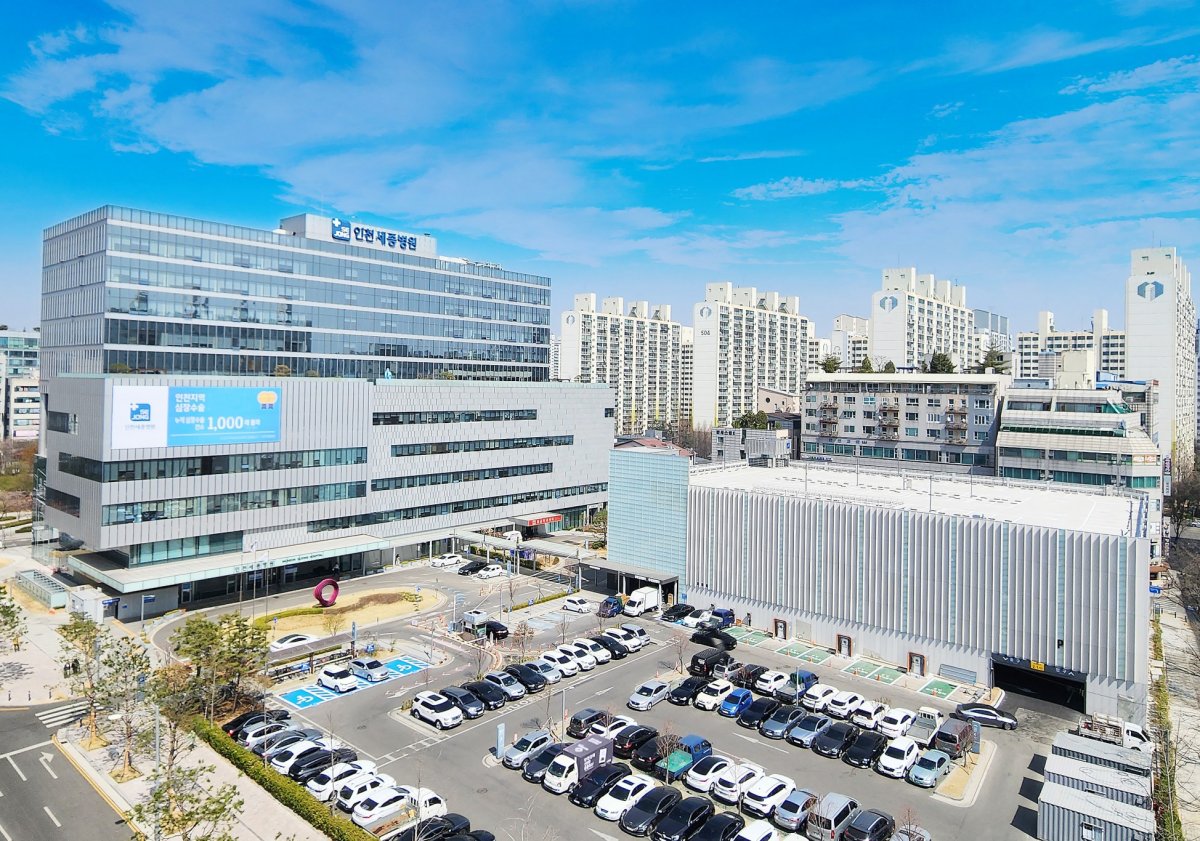
Perspectiva de los expertos de Bookimed: Para casos congénitos complejos, centros especializados como el Hospital Sejong ofrecen un gran valor. El profesor Sungho Kim ha realizado allí más de 1200 intervenciones cardíacas pediátricas. Los pacientes que buscan una infraestructura avanzada deberían considerar el Hospital Severance. Es una instalación acreditada por la JCI que trata a 4 millones de pacientes al año. La atención digital de vanguardia se obtiene mejor en el SNUBH. Utilizan el sistema BESTcare para una coordinación del tratamiento optimizada.
| Corea del Sur | España | Turquía | |
|---|---|---|---|
| Tratamiento de la tetralogía de Fallot | ≈ $22,000 | de $44,900 | de $16,500 |
| Cirugía a corazón abierto | ≈ $28,000 | de $50,500 | de $13,500 |
Sus beneficios y garantías con Bookimed
Precios directos
Bookimed no añade cargos extra a los precios de los tratamientos de Tetralogía de Fallot. Las tarifas proceden de las listas de precios oficiales de las clínicas. Pagará directamente en la clínica por su tratamiento a su llegada al país.
Sólo clínicas y médicos verificados
Bookimed está comprometido con su seguridad. Solo trabajamos con las clínicas que mantienen altos estándares internacionales en el tratamiento de Tetralogía de Fallot y cuentan con las licencias necesarias para atender a pacientes internacionales en todo el mundo.
Asistencia 24/7 gratuita
Bookimed ofrece asistencia experta gratuita. Un coordinador médico personal le apoya antes, durante y después de su tratamiento, resolviendo cualquier problema. Nunca estará solo en su viaje médico de tratamiento de Tetralogía de Fallot.

Su coordinador médico personal de Bookimed
- Le apoya en cada etapa
- Ayuda a elegir la clínica y el médico adecuados
- Asegura un acceso rápido y conveniente a la información
Descubra las mejores clínicas de tratamiento de Tetralogía de Fallot en Corea del Sur: 4 opciones verificadas y Precios









Obtenga una evaluación médica para Tetralogía de Fallot en Corea del Sur: consulte con doctores experimentados ahora
Ver todos los médicos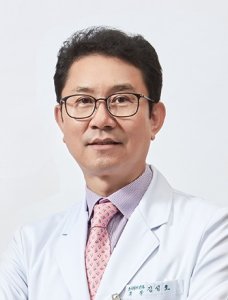
Sungho Kim
El profesor Sung-Ho Kim, MD, MS, PhD, es cardiólogo pediatra y especialista en cardiopatías congénitas con más de 40 años de experiencia. Se formó en la Facultad de Medicina de la Universidad de Hanyang (MD) y en la Escuela de Posgrado de la misma universidad (MS, PhD). Contribuyó al avance del tratamiento percutáneo con catéter de la comunicación interauricular (CIA), la comunicación interventricular (CIV), la tetralogía de Fallot y otros defectos, lo que redujo la necesidad de cirugía a cor

Hwan Song Uk
Compartir contenido
Historias en video de pacientes de Bookimed
 Olena Sikoza
Preguntas frecuentes sobre el tratamiento de Tetralogía de Fallot en Corea del Sur
¿Qué medidas de tratamiento existen en Corea para corregir la tetralogía de Fallot?
Corea del Sur ofrece reparación quirúrgica avanzada para la tetralogía de Fallot en centros acreditados por JCI en Seúl e Incheon. Los tratamientos primarios incluyen la reparación intracardíaca total y los shunts paliativos. Los especialistas utilizan operaciones mínimamente invasivas e intervenciones basadas en catéter para mejorar la circulación pulmonar y resolver defectos del tabique ventricular.
- Reparación intracardíaca: Cirugía a corazón abierto estándar realizada entre los 3 y 6 meses de edad.
- Shunts paliativos: Los shunts de Blalock-Taussig-Thomas aumentan el flujo sanguíneo pulmonar para casos graves y tempranos.
- Intervenciones con catéter: Las técnicas mínimamente invasivas, como las realizadas en el Hospital Sejong, reducen el trauma quirúrgico.
- Verificación global: Las instalaciones mantienen clasificaciones de JCI, KOIHA y Newsweek World's Best Hospitals 2023.
Perspectiva del experto de Bookimed: Mientras que muchos hospitales líderes en Seúl se centran en la cirugía general, el Hospital Sejong en Incheon se especializa profundamente en cardiología. Atiende a más de 402.000 pacientes al año con 103 médicos especializados. El Dr. Sungho Kim ha realizado más de 1.200 procedimientos allí. Es pionero en el avance de tratamientos basados en catéter para defectos cardíacos congénitos.
¿Qué tan segura es la cirugía de tetralogía de Fallot en Corea y qué pueden esperar las familias con respecto a los resultados operativos?
La cirugía de tetralogía de Fallot en Corea es excepcionalmente segura, con tasas de éxito que cumplen con los estándares internacionales. Los principales centros como el Hospital Severance y el Hospital Sejong brindan atención avanzada. Las familias pueden esperar una reparación total electiva antes de los 6 meses de edad. La mayoría de los pacientes logran excelentes resultados primarios a largo plazo.
- Certificaciones de seguridad: Los hospitales mantienen acreditaciones de la Joint Commission International (JCI) y KOIHA para la seguridad del paciente.
- Procedimientos avanzados: Los especialistas utilizan intervenciones basadas en catéteres para minimizar la necesidad de una cirugía tradicional a corazón abierto.
- Recuperación postoperatoria: Las estancias hospitalarias totales promedian típicamente 16 días, incluyendo cuidados intensivos especializados.
- Experiencia de expertos: Cirujanos como el Dr. Sungho Kim han realizado más de 1,200 intervenciones cardíacas pediátricas.
Perspectiva de expertos de Bookimed: Los datos muestran que los centros coreanos como el Hospital Sejong manejan volúmenes masivos, superando las 400,000 visitas anuales. Esta alta carga de pacientes se correlaciona con una profunda experiencia en el manejo de problemas residuales de la válvula pulmonar. Aunque muchos se centran en Seúl, los especialistas con sede e
¿Cuál es el tiempo típico de hospitalización y el cronograma de recuperación después de una reparación de la tetralogía de Fallot?
La recuperación después de una reparación de la tetralogía de Fallot en Corea del Sur implica naturalmente una estancia hospitalaria de 7 a 9 días. Los pacientes suelen pasar de 1 a 4 días en la unidad de cuidados intensivos cardíacos. La recuperación física completa suele llevar de 6 a 12 semanas, a medida que los niveles de actividad vuelven gradualmente a la normalidad.
- Cuidados intensivos: La estabilización en la unidad cardíaca suele durar de 1 a 4 días.
- Soporte ventilatorio: La mayoría de los pacientes pasan a respirar de forma independiente en aproximadamente 26 horas.
- Alta hospitalaria: Los pacientes generalmente abandonan el hospital de 5 a 10 días después de la cirugía.
- Restauración de la actividad: La resistencia y los niveles de energía completos suelen volver en un plazo de 6 a 12 semanas.
Perspectiva de expertos de Bookimed: La infraestructura hospitalaria digital de Corea impacta significativamente en la seguridad postoperatoria. Clínicas como el Hospital Bundang de la Universidad Nacional de Seúl utilizan el sistema BESTcare para reducir los errores médicos. Este monitoreo de alta tecnología es vital durante las primeras 48 horas críticas para los pacientes cardíacos pediátricos. Al elegir un especialista, la experiencia es clave. El Dr. Sungho Kim en el Hospital Sejong ha realizado más de 1,200 procedimientos. Su enfoqu
¿Quién es elegible para la reparación de la tetralogía de Fallot en Corea y qué pruebas preoperatorias se requieren para los turistas médicos?
La elegibilidad para la reparación de la tetralogía de Fallot en Corea depende de la idoneidad anatómica y la estabilidad fisiológica. Los bebés de 3 a 6 meses a menudo califican para una reparación primaria. Los candidatos deben someterse a ecocardiogramas y resonancias magnéticas cardíacas en instalaciones acreditadas por la JCI para mapear el tamaño de la arteria pulmonar y el ritmo cardíaco.
- Elegibilidad primaria: Los bebés estables con dimensiones suficientes de la arteria pulmonar califican para una reparación quirúrgica completa.
- Enfoque escalonado: Los pacientes con bajo peso o anatomía compleja reciben primero derivaciones paliativas.
- Elegibilidad de adultos: Los adultos con fugas valvulares o disfunción ventricular derecha se someten a una evaluación caso por caso.
- Diagnósticos requeridos: Las pruebas preoperatorias incluyen ecocardiografía, resonancia magnética cardíaca, ECG e imágenes coronarias detalladas.
- Registros médicos: Los pacientes internacionales deben proporcionar archivos de imágenes originales y notas operatorias previas traducidas.
Perspectiva del experto de Bookimed: Si bien muchos piensan que solo los bebés son elegibles, los principales centros coreanos como el Hospital Sejong atienden un volumen masivo de más de 400,000 pacientes anualmente, incluidos casos complejos en adultos. El
¿Qué apoyo médico o alojamiento existe en Corea para familias que viajan con pacientes pediátricos o adultos con cardiopatías congénitas?
Corea del Sur brinda atención médica especializada para pacientes con cardiopatías congénitas a través de hospitales terciarios acreditados por la JCI. Instalaciones como el Hospital Sejong y el Hospital Severance ofrecen centros cardíacos pediátricos dedicados con soporte multilingüe. Las familias acceden a clínicas internacionales para gestionar la atención de transición, la documentación y la coordinación entre cardiólogos pediátricos y adultos.
- Centros especializados: Los principales hospitales de Seúl coordinan la atención para casos complejos de tetralogía de Fallot.
- Asistencia lingüística: Los mostradores dedicados para pacientes internacionales brindan traducción médica profesional y apoyo administrativo.
- Normas de acreditación: Las instalaciones mantienen certificaciones KOIHA y JCI para garantizar protocolos de seguridad internacionales.
- Integración de cuidadores: Los centros terciarios permiten que un tutor permanezca con los pacientes pediátricos durante la hospitalización.
Opinión experta de Bookimed: Cirujanos expertos como el Dr. Sungho Kim en el Hospital Sejong han realizado más de 1,200 intervenciones cardíacas. La amplia experiencia en técnicas de cateterismo mínimamente invasivo a menudo reduce el tiempo de recuperación en comparación con la cirugía a corazón abierto. Elegir centros de alto volumen es vital, ya que at
¿Qué seguimiento a largo plazo se requiere después de la reparación de la tetralogía de Fallot, y se coordina la atención continua para los viajeros que regresan a casa?
El seguimiento de por vida después de la reparación de la tetralogía de Fallot es esencial para controlar la insuficiencia pulmonar y las arritmias. Los centros coreanos especializados coordinan la atención proporcionando registros quirúrgicos detallados y resultados de imágenes. Esta documentación permite que su cardiólogo local continúe con el control mediante ecocardiogramas anuales y pruebas de ECG.
- Imágenes de rutina: Los ecocardiogramas anuales controlan el tamaño de las cámaras cardíacas y la función de la válvula pulmonar.
- Monitoreo del ritmo: Los ECG periódicos y los monitores Holter rastrean la estabilidad del ritmo cardíaco a largo plazo.
- Registros electrónicos: Clínicas como el Hospital Sejong utilizan sistemas digitales avanzados para transferencias de registros.
- Atención de transición: Los protocolos dedicados de pediatría a adultos garantizan la continuidad a medida que los pacientes llegan a la edad adulta.
Opinión experta de Bookimed: Los datos clínicos muestran que cirujanos como el Dr. Sungho Kim en el Hospital Sejong han realizado más de 1,200 intervenciones cardíacas congénitas. Este alto volumen es fundamental porque los especialistas experimentados anticipan mejor los problemas valvulares específicos que pueden surgir décadas después. Los pacientes deben confirmar que su informe quirúrgico indique específicamente