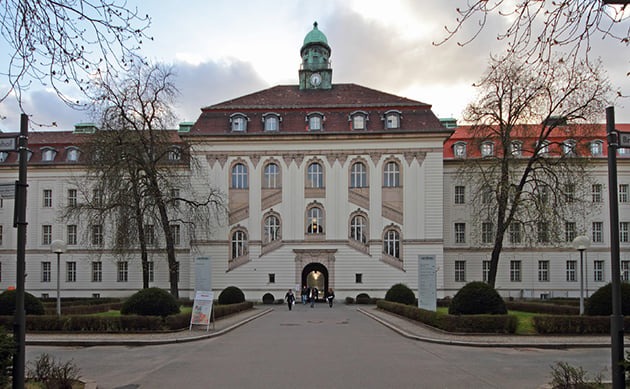
Hospital Havelhoehe
Alemania, Berlín


Revisado médicamente por
Fahad Mawlood
De $250. Los gastos totales dependen de la complejidad quirúrgica, la duración de la estancia en la UCI y el nivel específico de la clínica. Los pacientes a menudo ahorran entre un 40% y un 70% en comparación con los Estados Unidos. Los mejores centros de tratamiento se encuentran en Berlín, Hamburgo y Essen.
Costos típicos del tratamiento de la tetralogía de Fallot en Alemania
Perspectiva de los expertos de Bookimed: Los casos pediátricos complejos se benefician de centros especializados como el Deutsches Herzzentrum Berlin. El profesor Felix Berger aporta allí más de 34 años de experiencia en reparaciones cardíacas congénitas. Para las familias que buscan atención multidisciplinaria, la Clínica Asklepios Nord en Hamburgo ofrece departamentos pediátricos y quirúrgicos integrados. Los hospitales universitarios como el de Essen ofrecen un valor de alto nivel, realizando ensayos clínicos innovadores para enfermedades cardiovasculares. Los centros cardiológicos especializados a menudo gestionan mayores volúmenes quirúrgicos, lo que garantiza una mayor seguridad para las reparaciones intracardíacas.
| Alemania | España | Turquía | |
|---|---|---|---|
| Tratamiento de la tetralogía de Fallot | ≈ $38,000 | de $44,800 | de $16,500 |
| Cirugía a corazón abierto | ≈ $28,000 | de $50,400 | de $13,500 |
Bookimed no añade cargos extra a los precios de los tratamientos de Tetralogía de Fallot. Las tarifas proceden de las listas de precios oficiales de las clínicas. Pagará directamente en la clínica por su tratamiento a su llegada al país.
Bookimed está comprometido con su seguridad. Solo trabajamos con las clínicas que mantienen altos estándares internacionales en el tratamiento de Tetralogía de Fallot y cuentan con las licencias necesarias para atender a pacientes internacionales en todo el mundo.
Bookimed ofrece asistencia experta gratuita. Un coordinador médico personal le apoya antes, durante y después de su tratamiento, resolviendo cualquier problema. Nunca estará solo en su viaje médico de tratamiento de Tetralogía de Fallot.


Presidente de la Sociedad Alemana de Cardiología Pediátrica y profesor con más de _doctor_1207_ años_ de experiencia especializado en defectos cardíacos congénitos como la tetralogía de Fallot.
 Olena Sikoza
Las principales opciones quirúrgicas en Alemania incluyen la reparación intracardíaca completa o procedimientos paliativos por etapas. Los centros de cardiología pediátrica alemanes priorizan la reparación completa temprana entre los 3 y 6 meses. Esta cirugía a corazón abierto corrige el defecto del tabique ventricular y alivia la obstrucción del tracto de salida del ventrículo derecho con una tasa de supervivencia del 99 %.
Perspectiva del experto de Bookimed: Aunque muchos buscan clínicas específicas, el volumen de procedimientos es una señal de calidad más sólida. El Dr. Felix Berger en el Deutsches Herzzentrum Berlin se especializa en casos congénitos complejos y realiza aproximadamente 5,700 operaciones al año. Esta experiencia de alto volumen es fundamental porque la tetralogía de Fallot a menudo requiere un seguimient
Las clínicas alemanas reportan una alta tasa de supervivencia inmediata del 98,4 % para la reparación de la tetralogía de Fallot. Centros especializados como el Deutsches Herzzentrum Berlin mantienen resultados superiores al 98 %. Los datos a largo plazo muestran una supervivencia del 97 % a los 10 años. La intervención temprana antes del año de edad mejora significativamente estos resultados estadísticos.
Perspectiva de expertos de Bookimed: Si bien los hospitales generales como el Hospital Havelhoehe atienden a miles de pacientes, la cirugía cardíaca pediátrica requiere un volumen especializado. El Deutsches Herzzentrum Berlin realiza 5.700 operaciones al año. El Dr. Felix Berger tiene allí más de 30 años de experiencia. Elegir estos centros de alto volumen es vital porque la experiencia del cirujano se correlaciona directamente con la tasa de sup
La esperanza de vida a largo plazo después de una reparación exitosa de la tetralogía de Fallot es excelente. La mayoría de los pacientes ahora viven hasta los 60 y 70 años. Las técnicas quirúrgicas modernas en los centros alemanes logran tasas de supervivencia a 30 años de entre el 90% y el 95%. La reparación temprana y el seguimiento cardíaco constante son vitales para la longevidad.
Perspectiva del experto de Bookimed: Alemania alberga centros especializados como el Deutsches Herzzentrum Berlin, que realiza 5.700 operaciones anuales. Nuestros datos muestran que los mejores especialistas alemanes, incluido el Dr. Felix Berger, se centran específicamente en las cardiopatías congénitas del adulto. Los centros de gran volumen a menudo combinan equipos de cardiología pediátrica y de adultos. Esta doble experiencia es la razón por la que las clínicas alemanas mantienen altas tasas de supervivenci
Los cirujanos cardíacos pediátricos alemanes recomiendan la reparación completa de la tetralogía de Fallot entre los 3 y 6 meses de edad. Los especialistas priorizan este periodo para prevenir daños pulmonares permanentes y esfuerzo cardíaco. La intervención temprana en centros alemanes especializados asegura que más del 90% de los niños lleguen a la edad adulta con éxito.
Perspectiva del experto de Bookimed: La cardiología pediátrica alemana sigue un modelo de calidad basado en el volumen, donde centros como el Deutsches Herzzentrum Berlin realizan más de 5,700 operaciones al año. La experiencia está altamente concentrada, con líderes como el Dr. Felix Berger, quien cuenta con más de 30 años de experiencia. Este alto volumen de casos permite a los cirujanos alemanes realizar reparaciones complejas en bebés más jóvenes de manera segura en comparación con centros regionales de menor volumen.
Los hospitales alemanes universalmente reconocidos para la cirugía pediátrica de la tetralogía de Fallot incluyen el Deutsches Herzzentrum Berlin y la Charité Universitätsmedizin Berlin. Estas instituciones acreditadas por la JCI utilizan reparaciones primarias en una sola etapa y cuidados intensivos pediátricos avanzados. Los centros alemanes reportan tasas de éxito del 97% para correcciones de defectos cardíacos congénitos complejos.
Perspectiva del experto de Bookimed: Concéntrese en centros como el Deutsches Herzzentrum Berlin, que atiende a más de 32,000 pacientes anualmente. Los hospitales de alto volumen tienen más probabilidades de contar con equipos de ECMO pediátrico dedicados y anestesia especializada. El liderazgo del Dr. Felix Berger en la Sociedad Alemana de Cardiología Pediátrica señala un alto estándar de atención revisada por pares.
Consenso de los pacientes: Las familias enfatizan que un equip
La recuperación postoperatoria alemana para la tetralogía de Fallot sigue un protocolo altamente estructurado basado en fases. Comienza con una movilización hospitalaria intensiva y pasa a una rehabilitación cardíaca especializada. Este enfoque sistemático combina la monitorización clínica con ejercicios terapéuticos para restaurar la función cardíaca y garantizar resultados seguros a largo plazo.
Perspectiva de expertos de Bookimed: Los centros cardíacos alemanes como el Deutsches Herzzentrum Berlin o la Charité - Universitätsmedizin Berlin gestionan volúmenes masivos de pacientes. Esto conduce a protocolos estandarizados y altamente refinados para casos de cardiopatías congénitas pediátricas y adultas. El Dr. Felix Berger del Deutsches Herzzentrum Berlin, por ejemplo, tiene más de 30 años de experiencia especializada. Tal experienc
Alemania alberga algunos de los departamentos de neurocirugía más prestigiosos del mundo, liderados por la Charité – Universitätsmedizin Berlin y el Hospital Universitario de Heidelberg. Estos centros destacan en el tratamiento de tumores cerebrales complejos y enfermedades cerebrovasculares. Para maximizar la eficacia de sus procedimientos, utilizan tecnologías de vanguardia como la resonancia magnética intraoperatoria y la neuronavegación asistida por computadora.
Opinión experta de Bookimed: Los datos muestran que elegir centros con un alto volumen quirúrgico suele llevar a recomendaciones de tratamiento más conservadoras. En el Centro Médico Solingen, que atiende a más de 60.000 pacientes al año, los cirujanos suelen sugerir fisioterapia en lugar de cirugía
En Alemania, los procedimientos neuroquirúrgicos de alta complejidad demuestran una seguridad excepcional. Las tasas de éxito en las fusiones espinales alcanzan el 99 %. La tasa de supervivencia en las resecciones de tumores cerebrales primarios es del 97 %. La independencia funcional es alta. Más del 82 % de los pacientes reciben el alta inmediatamente después del tratamiento. Los centros alemanes priorizan la preservación de la función neurológica mediante técnicas modernas de mapeo.
Opinión experta de Bookimed: Cirujanos experimentados como el Dr. Uwe Köhler, de la Clínica Asklepios Altona, realizan más de 2000 cirugías al año. Los datos muestran que estos especialistas mantienen tasas de éxito de hasta el 90 %, incluso en los tumores cerebrales más comp
Las clínicas neuroquirúrgicas alemanas incorporan regularmente instrumentos digitales de alta precisión y visualización en tiempo real a la práctica quirúrgica. Entre las tecnologías clave se encuentra la neuronavegación computarizada para cirugías de cerebro y médula espinal. Instituciones como la Clínica Asklepios Nord utilizan la resonancia magnética intraoperatoria para verificar la extirpación de tumores en tiempo real. Estos sistemas proporcionan a los cirujanos navegación GPS 3D.
Opinión experta de Bookimed: Grandes centros como la Charité – Universitätsmedizin de Berlín realizan más de 4000 procedimientos neuroquirúrgicos al año, lo que crea un entorno rico en datos para p
En Alemania, los neurocirujanos deben completar una residencia especializada de seis años tras graduarse de la facultad de medicina. Este programa estructurado incluye cuidados intensivos, práctica clínica y una revista quirúrgica obligatoria. Posteriormente, los candidatos aprueban un examen estatal para obtener el título de residente (Facharzt für Neurochirurgie).
Opinión experta de Bookimed: La formación neuroquirúrgica alemana se centra en una amplia experiencia quirúrgica. Por ejemplo, el Dr. Ralf Buhl, del Centro Médico Solingen, ha realizado más de 4000 cirugías. El Dr. Jürgen Kiwit, del Hospital Meoklinik, cuenta con más de 25 años de experiencia. Este riguroso sistema garantiza que los especialistas de los principales centros aborden casos complejos con una precisión demostrada.
Comentarios de los pacientes: Los pacientes se sienten seguros al saber que sus médicos han recibido año