Oftalmología en México — Costos 2026


Revisado médicamente por
Fahad Mawlood
¿Cuál es el precio de procedimientos de Oftalmología en México? Descubra ahora
La oftalmología en México suele costar desde $2,400 hasta $4,500. Los gastos se determinan por la complejidad del procedimiento, la tecnología elegida como los láseres sin cuchilla y el tipo de lentes intraoculares utilizados. Los pacientes a menudo encuentran ahorros del 40-70% en comparación con los precios en los Estados Unidos.
Costos típicos de oftalmología en México
- Investigación oftalmológica: Precio a consultar
- Consulta con un oftalmólogo: $40 – $80
- Cirugía ocular con láser: Precio a consultar
- Cirugía ocular LASIK: de $1,500
- Trasplante de córnea: Precio a consultar
- Cirugía de estrabismo: $2,600 – $4,000
- Cirugía de desprendimiento de retina: $4,200 – $6,500
- Tratamiento de glaucoma: Precio a consultar
- Cirugía de cataratas con reemplazo de LIO: $2,000 – $3,300
- Cirugía ocular ReLEx SMILE: $1,500 – $2,500
Los principales centros de atención oftalmológica incluyen Tijuana, Mexicali, Ciudad de México y Monterrey. Las ciudades fronterizas a menudo ofrecen tarifas altamente competitivas para pacientes internacionales. Debe consultar con un especialista para obtener precios precisos basados en sus necesidades de visión y resultados de diagnóstico.
| España | Turquía | México | |
|---|---|---|---|
| Fotocoagulación | de $2,200 | de $400 | ≈ $350 |
| Cirugía ocular ReLEx SMILE | ≈ $2,900 | de $1,400 | ≈ $1,500 |
| Cirugía ocular LASIK | de $3,900 | de $1,000 | de $1,500 |
| Cirugía de estrabismo | de $14,800 | de $1,800 | ≈ $2,600 |
| Cirugía de desprendimiento de retina | de $10,200 | de $2,600 | ≈ $4,200 |
Todas las enfermedades de Oftalmología
Sus beneficios y garantías con Bookimed
Precios directos
Bookimed no añade cargos extra a los precios de los tratamientos de Oftalmología. Las tarifas proceden de las listas de precios oficiales de las clínicas. Pagará directamente en la clínica por su tratamiento a su llegada al país.
Sólo clínicas y médicos verificados
Bookimed está comprometido con su seguridad. Solo trabajamos con las clínicas que mantienen altos estándares internacionales en el tratamiento de Oftalmología y tienen las licencias necesarias para atender a pacientes internacionales en todo el mundo.
Asistencia 24/7 gratuita
Bookimed ofrece asistencia experta gratuita. Un coordinador médico personal le apoya antes, durante y después del tratamiento, resolviendo cualquier problema. Nunca estará solo en su viaje médico de procedimientos de Oftalmología.

Su coordinador médico personal de Bookimed
- Le apoya en cada etapa
- Ayuda a elegir la clínica y el médico adecuados
- Asegura un acceso rápido y conveniente a la información
Descubra las mejores clínicas de Oftalmología en México: 21 opciones verificadas y Precios







Advanced Fertility Center Cancun

Advance Health Medical Center

Clínica de terapia con células madre Giostar

Hospital Zambrano Hellion


CODET Vision Institute

Los mejores centros médicos de Oftalmología en México
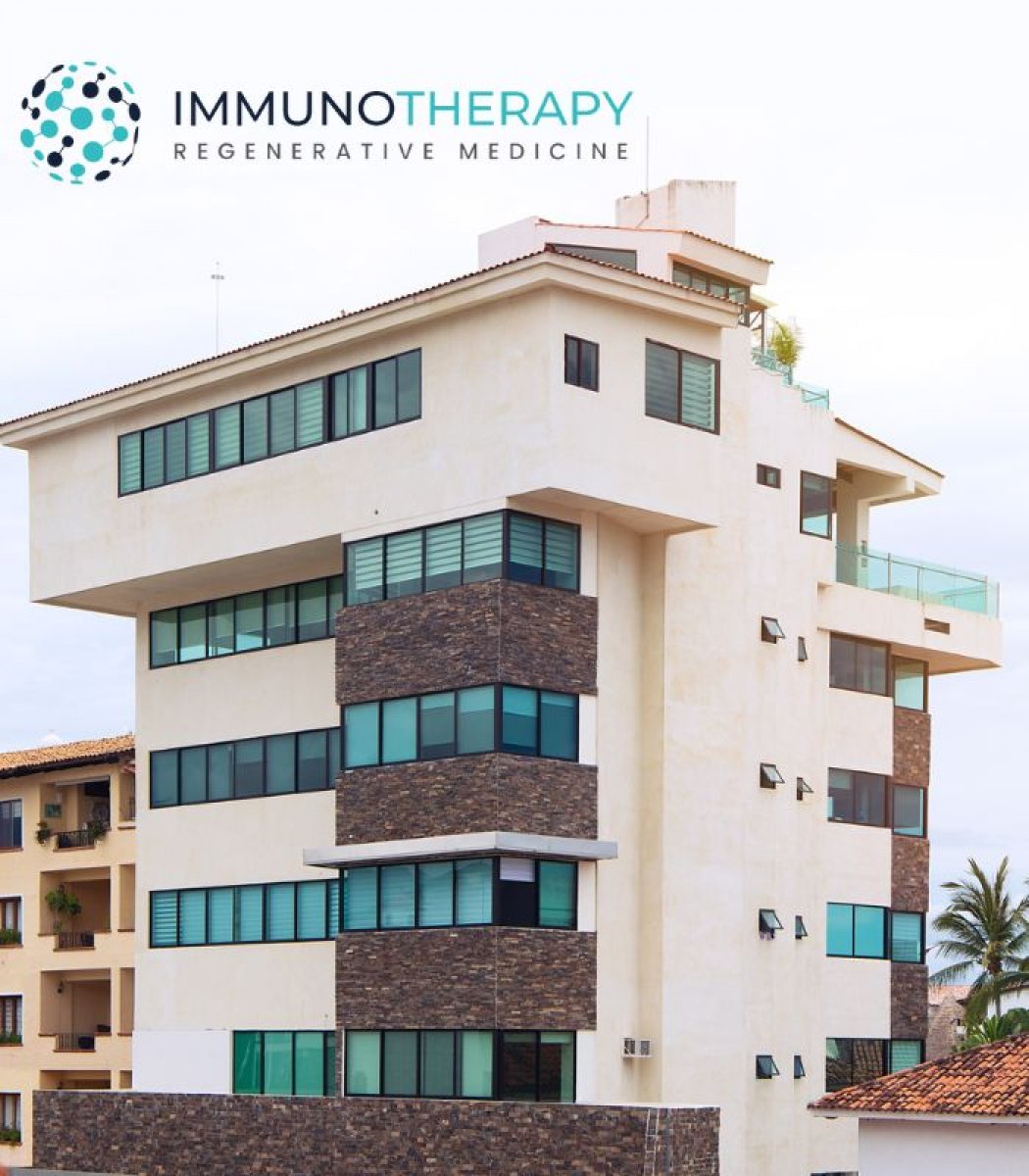
- Immunotherapy Regenerative Medicine, México
- Hospital de la Familia, México
- Clínica Alice Beauty, México
- Advanced Fertility Center Cancun, México
- Advance Health Medical Center, México
- Clínica de terapia con células madre Giostar, México
- Hospital Zambrano Hellion, México
- Advance Health Medical Center, México
- CODET Vision Institute, México
- Hospital Angeles Tijuana, México
Historias en video de pacientes de Bookimed
Artículos relacionados

La experiencia de Denys con la cirugía ocular con láser en Turquía: Una vida más clara por delante
Escrito por Kateryna Zamkovska

Glaucoma: Síntomas, Tratamientos y Opciones Quirúrgicas
Escrito por Olena Sikoza

¿Se puede corregir el estrabismo en adultos? Guía completa de opciones y precios
Escrito por Olena Sikoza

Tratamiento ocular con células madre: Coste, beneficios y qué esperar
Escrito por Mariia Mytrofankina

Visión perfecta durante 8 minutos
Escrito por Veronika Kazina
Compartir contenido
 Olena Sikoza
Preguntas frecuentes sobre Oftalmología en México
¿Es la calidad de la atención oftalmológica en México comparable a la de EE. UU.?
La atención oftalmológica en México iguala la calidad de EE. UU. en centros privados especializados. Estas instalaciones utilizan tecnología aprobada por la FDA, como los láseres Zeiss VisuMax. Muchos cirujanos poseen certificaciones del Consejo Mexicano de Oftalmología. Las clínicas de primer nivel en Tijuana y Mexicali mantienen estándares internacionales de seguridad y éxito.
- Credenciales de la clínica: La acreditación del Consejo de Salubridad General (CSG) garantiza una seguridad médica rigurosa.
- Experiencia del cirujano: Los especialistas a menudo completan becas en EE. UU. o Europa para obtener formación avanzada.
- Estándares tecnológicos: Los centros líderes utilizan lentes intraoculares premium y equipos de diagnóstico idénticos a los de las clínicas de EE. UU.
- Tiempos de espera: Procedimientos como la cirugía de cataratas a menudo se programan en días en lugar de meses.
Perspectiva del experto de Bookimed: Nuestros datos muestran que las clínicas cerca de la frontera, como el Hospital de la Familia en Mexicali, se especializan en la coordinación transfronteriza. Operan a solo unos pasos de la frontera con California. Esta proximidad permite a los pacientes acceder a atención quirúrgica de alta calidad mientras permanecen cerca de los proveedores de seguimiento con sede en EE. UU.
Consenso de los pacientes:
¿Cuáles son las cirugías oculares más comunes que buscan los pacientes internacionales en México?
Los pacientes internacionales buscan principalmente LASIK y cirugía de cataratas en México para acceder a atención de alta calidad a costos más bajos. Los procedimientos comunes incluyen ReLEx SMILE, trasplantes de córnea y cirugía de desprendimiento de retina. Estos tratamientos a menudo cuentan con lentes intraoculares premium y son realizados por cirujanos certificados por el Consejo Mexicano de Oftalmología.
- Cirugía refractiva: LASIK y PRK cuestan de $1,500 por procedimiento.
- Cuidado de cataratas: La cirugía con lentes multifocales oscila entre Precio a consultar y Precio a consultar.
- Procedimientos avanzados: ReLEx SMILE y trasplantes de córnea están disponibles en instalaciones especializadas de Tijuana.
- Centros médicos: La mayoría de los pacientes internacionales eligen clínicas en Tijuana, Mexicali y Puerto Vallarta.
Perspectiva de expertos de Bookimed: Los datos muestran una tendencia clara en clínicas de Tijuana como el CODET Vision Institute y el Hospital Angeles Tijuana. Estas instalaciones se especializan en casos refractivos complejos que los centros estándar podrían rechazar. Los altos volúmenes de pacientes permiten a estas clínicas fronterizas invertir en la última tecnología láser más rápido que los proveedores regionales más pequeños. Esto los convierte en la opción principal para los
¿Soy un buen candidato para una corrección de la visión como LASIK en México?
Un buen candidato para LASIK en México debe tener al menos 18 años y una graduación estable durante 12 meses. Sus córneas deben tener suficiente grosor y una forma normal. Las clínicas mexicanas como el CODET Vision Institute utilizan mapeo avanzado para confirmar su elegibilidad para la corrección con láser.
- Estabilidad de la graduación: Se requiere que no haya cambios en la visión durante 1 a 2 años para el éxito.
- Salud corneal: Un grosor adecuado es vital para evitar complicaciones como queratocono o cicatrices.
- Historial médico: Los candidatos deben estar libres de diabetes no controlada o infecciones oculares activas.
- Credenciales de la clínica: Los mejores centros como el Hospital de la Familia cuentan con la acreditación del Consejo Mexicano de Oftalmología.
Perspectiva del experto de Bookimed: Nuestros datos muestran una tendencia donde los centros de Tijuana como el Hospital Angeles Tijuana manejan el mayor volumen de pacientes norteamericanos. Esta experiencia de alto volumen a menudo significa que tienen herramientas de diagnóstico más avanzadas en sus instalaciones. Elegir un centro con acreditación CSG asegura que cumplen con estrictos estándares nacionales de seguridad para entornos quirúrgicos.
Consenso de los pacientes: Los pacientes señalan que es importante realizarse un examen de la vista básic
¿Cómo puedo verificar las credenciales de un cirujano en México?
Verificar a un cirujano en México requiere confirmar sus licencias médicas federales y certificaciones de consejo de especialista. Los pacientes deben validar la Cédula Profesional para medicina general y la Cédula de Especialidad para oftalmología. Estas se pueden buscar a través de la base de datos del Registro Nacional de Profesionistas (SEP).
- Licencias federales: Confirme que el cirujano posea tanto las licencias federales Cédula generales como las de especialista.
- Certificación del consejo: Verifique la certificación actual a través del directorio del Consejo Mexicano de Oftalmología (CMO).
- Privilegios hospitalarios: Confirme que el cirujano tenga privilegios quirúrgicos activos en instalaciones mexicanas acreditadas.
- Afiliaciones internacionales: Verifique las membresías en la Academia Americana de Oftalmología (AAO) para obtener experiencia.
Perspectiva del experto de Bookimed: La regulación médica mexicana utiliza un sistema de dos niveles donde una licencia es permanente, pero la certificación del consejo debe renovarse cada 5 años. Nuestros datos muestran que las clínicas mejor calificadas, como el Hospital de la Familia, priorizan a los médicos con credenciales del Consejo Mexicano de Oftalmología (CMO). Elegir a un cirujano con estos marcadores activos a menudo se correlaciona con calificaciones de seguridad del paciente más
¿Qué documento de viaje necesito como ciudadano estadounidense para una cirugía ocular en México?
Los ciudadanos estadounidenses que viajen a México para una cirugía ocular por vía aérea deben presentar un pasaporte estadounidense válido. Para entradas por tierra o mar, se acepta una tarjeta de pasaporte o una licencia de conducir mejorada (Enhanced Driver's License). Las estancias de menos de 180 días no requieren una visa médica formal para los pacientes estadounidenses.
- Viaje aéreo: Un pasaporte estadounidense válido es obligatorio para todos los vuelos internacionales a México.
- Entrada terrestre: Las tarjetas de pasaporte o las licencias de conducir mejoradas permiten la entrada solo en los cruces fronterizos terrestres.
- Permiso FMM: Los viajeros deben obtener un permiso de visitante Forma Migratoria Múltiple (FMM) a su llegada.
- Registros clínicos: Centros como el Hospital Angeles Tijuana recomiendan llevar copias digitales de su cita quirúrgica.
Opinión del experto de Bookimed: La proximidad física a la frontera influye en la estrategia de documentos. El Hospital de la Familia en Mexicali se encuentra a pasos de la frontera de Calexico, lo que lo hace ideal para pacientes que usan tarjetas de pasaporte para cruces terrestres. Sin embargo, si su recuperación requiere un vuelo de emergencia a casa, solo un pasaporte garantiza que no haya retrasos en el embarque en el aeropuerto.
Consenso de los pacientes:
¿Cuánto tiempo debo planear quedarme en México después de mi procedimiento ocular?
La mayoría de los pacientes deben planear quedarse en México de 3 a 7 días después de una cirugía ocular. Los procedimientos estándar como LASIK requieren de 3 a 5 días para la recuperación inicial. Los casos complejos como trasplantes de córnea o cirugía de retina a menudo requieren de 10 a 14 días antes de volar de manera segura.
- Recuperación de LASIK: Planifique de 3 a 5 días en México para el primer chequeo.
- Cirugía de cataratas: Una estancia de 7 a 10 días permite monitorear la inflamación y la presión.
- Exámenes postoperatorios: Los cirujanos generalmente requieren evaluaciones obligatorias a las 24 horas y al quinto día.
- Seguridad en el vuelo: Los cambios de presión pueden afectar la curación, así que espere de 5 a 7 días para volar.
Perspectiva del experto de Bookimed: Nuestros datos muestran que las clínicas en ciudades fronterizas como Tijuana o Mexicali, como el Hospital de la Familia, son ideales para aquellos que pueden conducir a casa. Los pacientes que viajan desde EE. UU. a menudo eligen estas instalaciones boutique para evitar los riesgos de presión ocular asociados con los viajes aéreos. Si debe volar, las clínicas con calificaciones de 4.2+ generalmente coordinan atención postoperatoria especializada para garantizar que cumpla con todos los hitos de autorización de viaje antes de la salida.
Consenso de l
¿Qué se incluye habitualmente en un paquete de cuidado ocular en México para pacientes internacionales?
Los paquetes de cuidado ocular en México suelen agrupar el procedimiento quirúrgico, el diagnóstico preoperatorio y la logística local para pacientes internacionales. Estas opciones con todo incluido a menudo incluyen exámenes oculares esenciales, honorarios del cirujano y costos de las instalaciones. La mayoría de los planes también proporcionan traslados al aeropuerto y coordinación bilingüe para agilizar la experiencia de viaje.
- Evaluaciones médicas: Incluye exámenes exhaustivos y mapeo corneal para procedimientos como LASIK.
- Honorarios quirúrgicos: Cubre al oftalmólogo principal, al anestesiólogo y al personal de enfermería especializado.
- Tecnología de visión: Proporciona acceso a láseres avanzados o implantes de lentes intraoculares estándar.
- Apoyo logístico: Incluye transporte terrestre entre el aeropuerto, el hotel y la clínica.
Perspectiva del experto de Bookimed: Las clínicas en ciudades fronterizas como Tijuana y Mexicali, como el Hospital de la Familia, ofrecen una ventaja geográfica única. Su proximidad a la frontera de California permite menores costos de viaje y un acceso más fácil para los pacientes norteamericanos. Este alto volumen de viajeros internacionales a menudo conduce a paquetes más estructurados que incluyen personal bilingüe como una característica estándar en lugar de un complemento.
Consenso d