Oftalmología en Polonia — Costos 2026


Revisado médicamente por
Fahad Mawlood
¿Cuál es el precio de procedimientos de Oftalmología en Polonia? Descubra ahora
Los servicios de oftalmología en Polonia suelen costar entre $1,900 y $3,200. Estos precios dependen generalmente de la tecnología quirúrgica utilizada, la complejidad de la afección ocular y si se seleccionan implantes de lentes premium. Los pacientes a menudo encuentran ahorros del 30-70% en comparación con los costos típicos en los Estados Unidos.
Costos típicos de oftalmología en Polonia
- OCT (Tomografía de coherencia óptica): de $180
- Diagnóstico de cataratas antes de la operación: Precio a consultar
- Cirugía ocular con láser: Precio a consultar
- Cirugía ocular LASIK: de $1,000
- Trasplante de córnea: Precio a consultar
- Cirugía de estrabismo: $1,500 – $3,100
- Cirugía de desprendimiento de retina: de $2,800
- Tratamiento de glaucoma: Precio a consultar
- Cirugía ocular ReLEx SMILE: $2,600 – $3,700
- Cirugía de cataratas con reemplazo de LIO: de $1,800
Los principales centros de atención oftalmológica incluyen Varsovia, Jelenia Góra y Szczecin. Si bien Varsovia ofrece la gama más amplia de clínicas especializadas, las ciudades más pequeñas pueden ofrecer tarifas de paquetes aún más competitivas para pacientes internacionales. Consulte con un especialista en ojos para obtener precios precisos para sus necesidades de visión específicas.
| Polonia | España | Turquía | |
|---|---|---|---|
| Fotocoagulación | ≈ $180 | de $2,300 | de $400 |
| Cirugía ocular ReLEx SMILE | ≈ $2,600 | ≈ $2,900 | de $1,400 |
| Cirugía ocular LASIK | de $1,000 | de $3,900 | de $1,000 |
| Cirugía de estrabismo | ≈ $1,500 | de $14,900 | de $1,800 |
| Cirugía de desprendimiento de retina | de $2,800 | de $10,200 | de $2,600 |
Todas las enfermedades de Oftalmología
Sus beneficios y garantías con Bookimed
Precios directos
Bookimed no añade cargos extra a los precios de los tratamientos de Oftalmología. Las tarifas proceden de las listas de precios oficiales de las clínicas. Pagará directamente en la clínica por su tratamiento a su llegada al país.
Sólo clínicas y médicos verificados
Bookimed está comprometido con su seguridad. Solo trabajamos con las clínicas que mantienen altos estándares internacionales en el tratamiento de Oftalmología y tienen las licencias necesarias para atender a pacientes internacionales en todo el mundo.
Asistencia 24/7 gratuita
Bookimed ofrece asistencia experta gratuita. Un coordinador médico personal le apoya antes, durante y después del tratamiento, resolviendo cualquier problema. Nunca estará solo en su viaje médico de procedimientos de Oftalmología.

Su coordinador médico personal de Bookimed
- Le apoya en cada etapa
- Ayuda a elegir la clínica y el médico adecuados
- Asegura un acceso rápido y conveniente a la información
Descubra las mejores clínicas de Oftalmología en Polonia: 26 opciones verificadas y Precios




Centrum Medyczne doktorA





Hospital Matopat

Institute of Cybernetic Surgery Cyberknife

Enel Med

Retina Eye Hospital





Beauty Poland - Plastic Surgery Poland
Los mejores centros médicos de Oftalmología en Polonia
- Clínica KCM, Polonia
- Centrum Medyczne doktorA, Polonia
- Carolina Hospital, Polonia
- Hospital Matopat, Polonia
- Institute of Cybernetic Surgery Cyberknife, Polonia
- Enel Med, Polonia
- Retina Eye Hospital, Polonia
- Dom Lekarski, Polonia
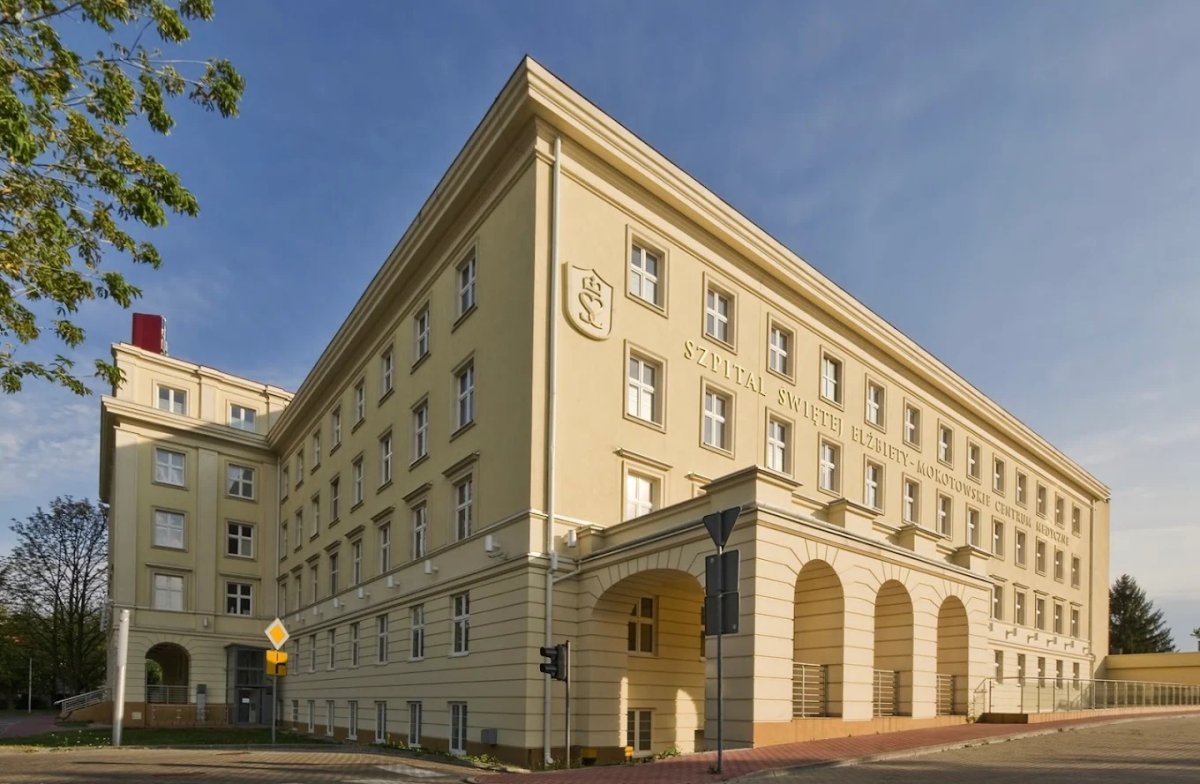
- LUX MED Szpital św. Elżbiety, Polonia
- Beauty Poland - Plastic Surgery Poland, Polonia
Obtenga una evaluación médica de Oftalmología en Polonia: haga una consulta con 14 médicos experimentados ahora
Ver todos los médicos
Anna Mec-slomska

Karol Nowacki
Más de 900 intervenciones realizadas: el Dr. Karol Nowacki aporta más de 13 años de experiencia oftalmológica a la Clínica KCM.
- Especialista en tratamientos de cataratas y glaucoma
- Realiza diagnósticos avanzados como OCT y angiografía fluoresceínica
- Experto en terapia láser para múltiples afecciones oculares
- Calificado con 4,3 por los pacientes por la calidad de su atención

Maciej Szuszkiewicz
El Dr. Szuszkiewicz se especializa en terapias láser avanzadas para afecciones oculares, ofreciendo diagnósticos y tratamientos precisos en la Clínica KCM.
- Experto en angiografía fluoresceínica y Angio-OCT para la detección temprana del glaucoma
- Realiza ecografías oculares de alta resolución para un diagnóstico preciso
- Especializado en tratamientos láser para lesiones vasculares retinianas relacionadas con la diabetes
- Experto en terapias láser para cataratas secundarias e iris

Jakub Ciecierski
Especialista en oftalmología en la Clínica KCM, que ofrece una gama de procedimientos diagnósticos y terapéuticos para diversas afecciones oculares.
- Realiza pruebas diagnósticas avanzadas como OCT y angiografía con fluoresceína
- Trata un amplio espectro de enfermedades oculares, incluyendo glaucoma y degeneración macular
- Proporciona terapia con láser para diversas afecciones oculares
- Experto en el manejo de trastornos oculares comunes y complejos
Historias en video de pacientes de Bookimed
Reseñas
Todas las reseñasArtículos relacionados

La experiencia de Denys con la cirugía ocular con láser en Turquía: Una vida más clara por delante
Escrito por Kateryna Zamkovska

Glaucoma: Síntomas, Tratamientos y Opciones Quirúrgicas
Escrito por Olena Sikoza

¿Se puede corregir el estrabismo en adultos? Guía completa de opciones y precios
Escrito por Olena Sikoza

Tratamiento ocular con células madre: Coste, beneficios y qué esperar
Escrito por Mariia Mytrofankina

Visión perfecta durante 8 minutos
Escrito por Veronika Kazina
Compartir contenido
 Olena Sikoza
Preguntas frecuentes sobre Oftalmología en Polonia
¿Qué normas de seguridad siguen las clínicas oftalmológicas polacas?
Las clínicas oftalmológicas polacas siguen estrictas normas de la Unión Europea en el ámbito médico y las normativas nacionales de salud. Las instituciones deben cumplir con la Directiva 90/385/CEE del Consejo sobre dispositivos médicos. Centros especializados, como la Clínica de Oftalmología Retina, realizan miles de operaciones al mes bajo estos estrictos estándares de calidad. La supervisión profesional es ejercida por la Sociedad Polaca de Oftalmología.
- Certificación de calidad: Clínicas como el Carolina Hospital cuentan con certificaciones ISO 9001:2015 y TÜV NORD.
- Control profesional: Cirujanos como el Dr. Łukasz Makutkiewicz son miembros de la Sociedad Polaca de Oftalmología.
- Tecnologías modernas: Los mejores centros utilizan equipos de alta calidad de marcas como Zeiss y Alcon.
- Volumen de intervenciones quirúrgicas: Las grandes instituciones reportan altos resultados, habiendo realizado más de 10 000 operaciones desde 2004.
Opinión de los expertos de Bookimed: Los datos muestran una fuerte correlación entre el volumen de la clínica y la infraestructura de seguridad en Polonia. Las grandes instituciones que atienden a más de 2 500 pacientes al año suelen invertir en nuevos sistemas Zeiss o Alcon. Estos centros reconocidos suelen mantener calificaciones más altas, como 4,7 en el Carolina Hospital, en comparación con clínicas provi
¿Cuánto tiempo debo planificar mi estancia en Polonia para una cirugía de cataratas o cirugía refractiva?
Para la mayoría de las cirugías oculares, se recomienda una estancia en Polonia de 3 a 7 días. Los pacientes con cataratas generalmente necesitan de 3 a 5 días para los exámenes de seguimiento obligatorios. Los procedimientos refractivos como LASIK a menudo permiten reducir el viaje a 2 o 3 días. Los tratamientos láser complejos pueden extender su estancia hasta 7 días.
- Estancia para cirugía de cataratas: Planifique de 3 a 5 días para completar la verificación necesaria de la posición de la lente al día siguiente.
- Estancia para cirugía refractiva: Calcule de 2 a 3 días, ya que la mayoría de los pacientes se estabilizan rápidamente después del tratamiento láser inicial.
- Estancia para procedimientos láser complejos: Reserve hasta 7 días para métodos avanzados que requieren una semana de seguimiento.
- Autorización para viajar: Los cirujanos generalmente permiten a los pacientes realizar viajes cortos en avión 48 horas después del primer examen de seguimiento.
Opinión experta de Bookimed: Clínicas como la Clínica de Oftalmología Retina en Varsovia se especializan en procedimientos de estancia de un día. Esta alta eficiencia implica que, aunque la operación es rápida, el tiempo total de estancia se debe a los estrictos controles de seguridad obligatorios de 24 horas en Polonia. Las instituciones con un gran flujo internacional de pacientes, c
¿Qué sucede si tengo un problema después de regresar a casa?
Los problemas después de un viaje relacionados con una cirugía ocular en Polonia suelen ser menores y a menudo causados por el aire seco de la cabina del avión o la fatiga. La mayoría de los síntomas desaparecen en 7 días con descanso e hidratación. Si experimenta dolor intenso, pérdida repentina de visión o secreciones inusuales, busque atención médica de emergencia local de inmediato.
- Seguimiento virtual: Las clínicas suelen ofrecer de 1 a 3 meses de seguimiento gratuito por correo electrónico o videollamada.
- Ayuda local: Presupueste entre de $80 para consultas con especialistas locales en caso de complicaciones.
- Monitoreo de síntomas: Las molestias leves son comunes, pero ante halos persistentes o miodesopsias (moscas volantes), es necesario un examen inmediato.
- Documentación: Guarde todos los protocolos postoperatorios por escrito para compartirlos con los médicos de su país.
Opinión de expertos de Bookimed: Las clínicas con un gran volumen de pacientes del Reino Unido y Alemania, como la KCM Clinic, suelen ofrecer paquetes para pacientes internacionales. Estos programas especializados a menudo se centran en la coordinación a través de portales para pacientes. Esto garantiza que su médico local tenga acceso rápido a los registros quirúrgicos, lo que facilita cualquier atención de seguimiento nece
¿Soy un buen candidato para la cirugía ocular con láser en Polonia?
Un buen candidato para la cirugía ocular con láser en Polonia debe tener al menos 18 años. Debe tener una graduación de gafas estable durante los últimos 12 meses. Su visión no debe haber cambiado más de 0,5 dioptrías en este periodo. Su estado de salud general debe ser bueno, sin infecciones oculares activas.
- Rango de refracción: Adecuado para miopía hasta -14D, hipermetropía hasta +6D y astigmatismo hasta 6D.
- Grosor corneal: Clínicas como la Clínica de Oftalmología Retina requieren un grosor mínimo para procedimientos LASIK seguros.
- Exclusiones de salud: Condiciones como diabetes no controlada, glaucoma o cataratas generalmente excluyen a los pacientes de las operaciones.
- Fase de diagnóstico: Los exámenes obligatorios a menudo incluyen mapeo con Pentacam y Angio-OCT para garantizar la seguridad del procedimiento.
Opinión de expertos de Bookimed: Las clínicas polacas dan gran importancia a la seguridad, manteniendo una alta tasa de rechazo en casos límite. Los datos muestran que los cirujanos en instituciones como KCM Clinic, que atiende a más de 700 pacientes internacionales al año, a menudo recomiendan PRK en lugar de LASIK para pacientes con un estilo de vida activo. Este enfoque conservador se centra en la estabilidad a largo plazo de la córnea, no solo en la recuperación visual a corto plazo.
Consenso de los pacient
¿Qué debo llevar o usar el día de la cirugía?
Se recomienda a los pacientes que usen camisas holgadas con botones y zapatos cómodos que sean fáciles de poner y quitar para los procedimientos oftalmológicos en Polonia. Evite los suéteres para no entrar en contacto con el área de los ojos después de la cirugía. Lleve gafas de sol oscuras, una identificación con foto y una lista de los medicamentos que toma actualmente a la clínica el día de su visita.
- Ropa: Use ropa con cremallera o botones para evitar tener que pasar la tela por encima de la cabeza.
- Calzado: Elija zapatos planos y cerrados para eliminar la necesidad de agacharse para atar los cordones.
- Cuidado ocular: Lleve gafas de sol protectoras oscuras, ya que son necesarias para su comodidad inmediatamente después de la cirugía.
- Artículos personales: Deje las joyas, relojes y cosméticos en casa para mantener un entorno quirúrgico estéril.
Perspectiva del experto de Bookimed: Clínicas como la Clínica de Oftalmología Retina en Varsovia se especializan en estancias de un día, habiendo realizado más de 10,000 operaciones desde 2004. Dado que estos procedimientos son rápidos, los pacientes a menudo subestiman la necesidad de protección ocular después de la cirugía. Nuestros datos muestran que las principales instituciones polacas priorizan la comodidad para una recuperación rápida proporcionando salas de recuperación especializadas,
¿Qué tan alta es la calidad de la neurocirugía en Polonia?
La neurocirugía en Polonia ofrece atención de alta calidad en centros con certificación JCI e ISO. Los neurocirujanos polacos se adhieren a estrictos estándares de formación adoptados por la Unión Europea. Muchos han completado becas en Estados Unidos o Alemania. Tecnologías avanzadas, como CyberKnife, Gamma Knife y sistemas robóticos, están ampliamente disponibles en centros privados.
- Cualificaciones especializadas: Los médicos suelen ser miembros de la Asociación Europea de Sociedades de Neurocirugía.
- Tecnologías avanzadas: Las clínicas utilizan sistemas CyberKnife y ultrasonido enfocado guiado por resonancia magnética para el tratamiento cerebral no invasivo.
- Volumen clínico: Centros líderes como el Hospital Universitario de Cracovia tratan a más de 455.000 pacientes al año.
- Cirujanos experimentados: El Dr. Maciej Bujko del Hospital Carolina ha realizado más de 2.500 cirugías por su cuenta.
Opinión experta de Bookimed: Los datos muestran una fuerte correlación entre la especialización de una clínica y el origen de sus pacientes. La Clínica KCM atiende a más de 700 pacientes internacionales al año. Se especializa en cirugía de columna mínimamente invasiva. Este volumen de trabajo le permite ofrecer paquetes de servicios especializados, que a menudo incluyen bloques de diagnóstico e implantes específicos, como el DIAM de Medtronic.
¿Cuáles son las cualificaciones de los neurocirujanos polacos?
Los neurocirujanos polacos son especialistas altamente cualificados que han completado al menos 13 años de rigurosa formación médica. Esto incluye seis años de estudios de medicina, 13 meses de prácticas y seis años de residencia. Deben aprobar el Examen Estatal de Especialización (PES) y suelen estar certificados por la Asociación Europea de Sociedades de Neurocirugía (EANS).
- Educación: Los médicos reciben educación médica (medicina) después de 6 años de estudio en la universidad.
- Especialización: La residencia incluye 6 años de formación modular en neurocirugía clínica y neurorradiología.
- Volumen quirúrgico: Los residentes a menudo realizan más de 1.000 cirugías, lo que excede el volumen de capacitación promedio en otras regiones.
- Certificados: Muchos especialistas son miembros de AO Spine o de la Sociedad Polaca de Cirugía de Columna.
Opinión experta de Bookimed: Los datos muestran que los neurocirujanos polacos suelen especializarse en tecnologías altamente especializadas, como el sistema ApiFix o el sistema de endoscopia lumbar SED-YESS. Especialistas como el Dr. Stanisław Kwek, de la Clínica KCM, combinan la investigación postdoctoral con una práctica quirúrgica activa. Esta combinación de profundos conocimientos académicos y un alto volumen quirúrgico los hace especialmente eficaces en cirugías de columna complejas y mínimamente in
¿Cuáles son las mejores clínicas neuroquirúrgicas en Polonia?
Entre las mejores clínicas neuroquirúrgicas de Polonia se encuentran el Hospital Carolina, la Clínica KCM y centros académicos de primer nivel como el Hospital Universitario de Cracovia. Estas instituciones ofrecen tratamientos de vanguardia para enfermedades de la columna vertebral y el cerebro que cumplen con los estándares de calidad ISO y emplean a especialistas miembros de organizaciones internacionales como AO Spine.
- Hospital Carolina: Centro Médico de Excelencia FIFA, especializado en cirugías de columna complejas y mínimamente invasivas.
- Clínica KCM: Reconocida internacionalmente por la calidad de sus procedimientos endoscópicos de columna, atendiendo a más de 700 pacientes internacionales anualmente.
- Hospital Universitario de Cracovia: un gran centro multidisciplinario que realiza más de 800 operaciones neuroquirúrgicas al año desde 1788.
- Luxmed: un reconocido centro médico privado en Varsovia especializado en cirugía de columna avanzada para pacientes internacionales.
Opinión experta de Bookimed: Si bien muchos buscan los hospitales más grandes, los datos muestran que clínicas como el Hospital Carolina ofrecen mayor eficiencia para cirugías electivas. Con más de 40 médicos especialistas en este centro de 30 camas, la proporción médico-paciente es significativamente mayor que en los centros universitarios públicos. Esto se traduc
¿Qué procedimientos neuroquirúrgicos se realizan con más frecuencia en Polonia?
En Polonia, la neurocirugía se centra principalmente en cirugías de columna y extirpación de tumores cerebrales. Los hospitales realizan con frecuencia microdiscectomías, fusiones espinales y estimulación cerebral profunda. Centros como el Hospital Carolina y la Clínica KCM utilizan técnicas mínimamente invasivas para tratar hernias discales, lesiones de columna y trastornos neurológicos complejos.
- Cirugía de columna: La discectomía y la laminectomía son tratamientos comunes para los discos herniados.
- Neurooncología: Los especialistas realizan cirugías para extirpar tumores cerebrales utilizando equipos modernos como la tecnología CyberKnife.
- Neurocirugía funcional: la estimulación cerebral profunda (ECP) se utiliza ampliamente para los trastornos del movimiento.
- Técnicas mínimamente invasivas: Los cirujanos utilizan técnicas endoscópicas para descomprimir la columna y tratar tumores pituitarios.
Opinión experta de Bookimed: Polonia se ha convertido en un centro de estabilización espinal especializada. Clínicas como el Hospital Carolina colaboran con equipos deportivos nacionales, lo que refleja su alto nivel de experiencia en el tratamiento de lesiones espinales complejas. Nuestros datos muestran que estas instituciones suelen integrar la rehabilitación directamente en el tratamiento quirúrgico. Esta combinación reduce el riesgo de compl
¿Está disponible la rehabilitación neurológica?
La rehabilitación neurológica está ampliamente disponible en Polonia a través de centros especializados y hospitales multidisciplinarios. Los programas abarcan la recuperación tras un accidente cerebrovascular, una lesión medular y enfermedades degenerativas. Instituciones como el Hospital Karolina de Varsovia y la Clínica KCM ofrecen terapia supervisada. La mayoría de los programas neuroquirúrgicos incluyen una evaluación inicial de rehabilitación postoperatoria.
- Terapias disponibles: Los programas incluyen neurofisioterapia, terapia ocupacional y terapia del habla.
- Instituciones líderes: El Hospital Carolina y el Centro Médico ENEL-MED en Varsovia ofrecen rehabilitación.
- Personal calificado: Neurofisioterapeutas especializados trabajan con neurocirujanos para crear planes de tratamiento individualizados.
- Alcance: La rehabilitación tiene como objetivo restaurar la movilidad, el equilibrio y las funciones cognitivas después de intervenciones quirúrgicas complejas.
Opinión experta de Bookimed: Los datos muestran que las clínicas con una gran afluencia de pacientes internacionales, como la Clínica KCM, suelen incluir rehabilitación básica en sus paquetes quirúrgicos. Esto supone una ventaja significativa, ya que coordinar la neurorrehabilitación de forma independiente en Polonia puede ser complicado. Elegir una clínica con un especialista e