Oftalmología en Emiratos Árabes Unidos — Costos 2026


Revisado médicamente por
Fahad Mawlood
¿Cuál es el precio de procedimientos de Oftalmología en Emiratos Árabes Unidos? Descubra ahora
La oftalmología en los Emiratos Árabes Unidos suele costar desde $3,800 hasta $8,300. Los gastos totales varían según el procedimiento ocular específico, la tecnología utilizada, como los sistemas láser avanzados, y la experiencia del especialista. Los pacientes a menudo encuentran precios competitivos en comparación con los costos de atención médica occidentales para cirugías oculares complejas y diagnósticos.
Costos típicos de oftalmología en los Emiratos Árabes Unidos
- Consulta con un oftalmólogo: $110 – $190
- Investigación oftalmológica: Precio a consultar
- Cirugía ocular LASIK: $1,500 – $2,600
- Trasplante de córnea: Precio a consultar
- Cirugía de estrabismo: $2,800 – $5,200
- Cirugía de desprendimiento de retina: $4,800 – $7,800
- Tratamiento de glaucoma: Precio a consultar
- Cirugía de cataratas con reemplazo de LIO: $1,900 – $3,600
- Cirugía ocular ReLEx SMILE: $3,600 – $5,200
- Vitrectomía: Precio a consultar
La mayoría de los centros de atención oftalmológica se encuentran en Dubái y Abu Dabi. Las clínicas en áreas de alquiler elevado como Jumeirah o el centro de Dubái pueden tener tarifas más altas que las de otros distritos. Consulte con un especialista para obtener precios precisos para sus necesidades de visión específicas.
| Emiratos Árabes Unidos | España | Turquía | |
|---|---|---|---|
| Fotocoagulación | ≈ $450 | de $2,200 | de $400 |
| Cirugía ocular ReLEx SMILE | ≈ $3,600 | ≈ $2,900 | de $1,400 |
| Cirugía ocular LASIK | ≈ $1,500 | de $3,900 | de $1,000 |
| Cirugía de estrabismo | ≈ $2,800 | de $14,900 | de $1,800 |
| Cirugía de desprendimiento de retina | ≈ $4,800 | de $10,200 | de $2,600 |
Todas las enfermedades de Oftalmología
Sus beneficios y garantías con Bookimed
Precios directos
Bookimed no añade cargos extra a los precios de los tratamientos de Oftalmología. Las tarifas proceden de las listas de precios oficiales de las clínicas. Pagará directamente en la clínica por su tratamiento a su llegada al país.
Sólo clínicas y médicos verificados
Bookimed está comprometido con su seguridad. Solo trabajamos con las clínicas que mantienen altos estándares internacionales en el tratamiento de Oftalmología y tienen las licencias necesarias para atender a pacientes internacionales en todo el mundo.
Asistencia 24/7 gratuita
Bookimed ofrece asistencia experta gratuita. Un coordinador médico personal le apoya antes, durante y después del tratamiento, resolviendo cualquier problema. Nunca estará solo en su viaje médico de procedimientos de Oftalmología.

Su coordinador médico personal de Bookimed
- Le apoya en cada etapa
- Ayuda a elegir la clínica y el médico adecuados
- Asegura un acceso rápido y conveniente a la información
Descubra las mejores clínicas de Oftalmología en Emiratos Árabes Unidos: 6 opciones verificadas y Precios






Hospitales Aster en Dubai (Aster Hospitals, DUBAI)
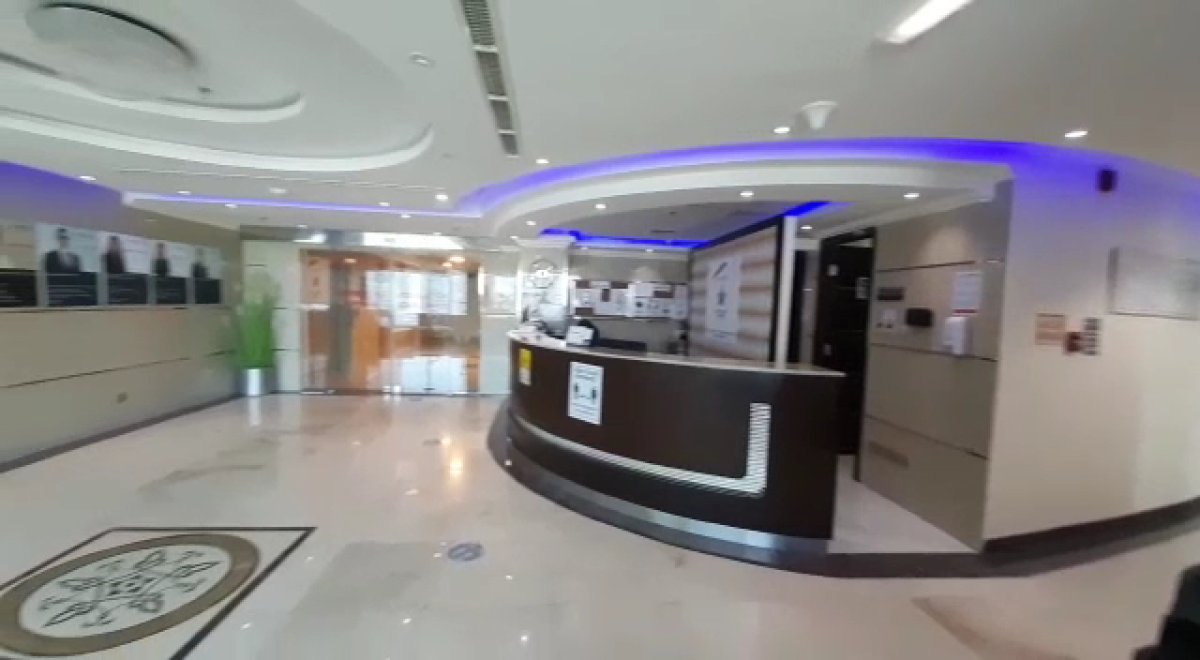
New Al Shefa Clinic
Los mejores centros médicos de Oftalmología en Emiratos Árabes Unidos
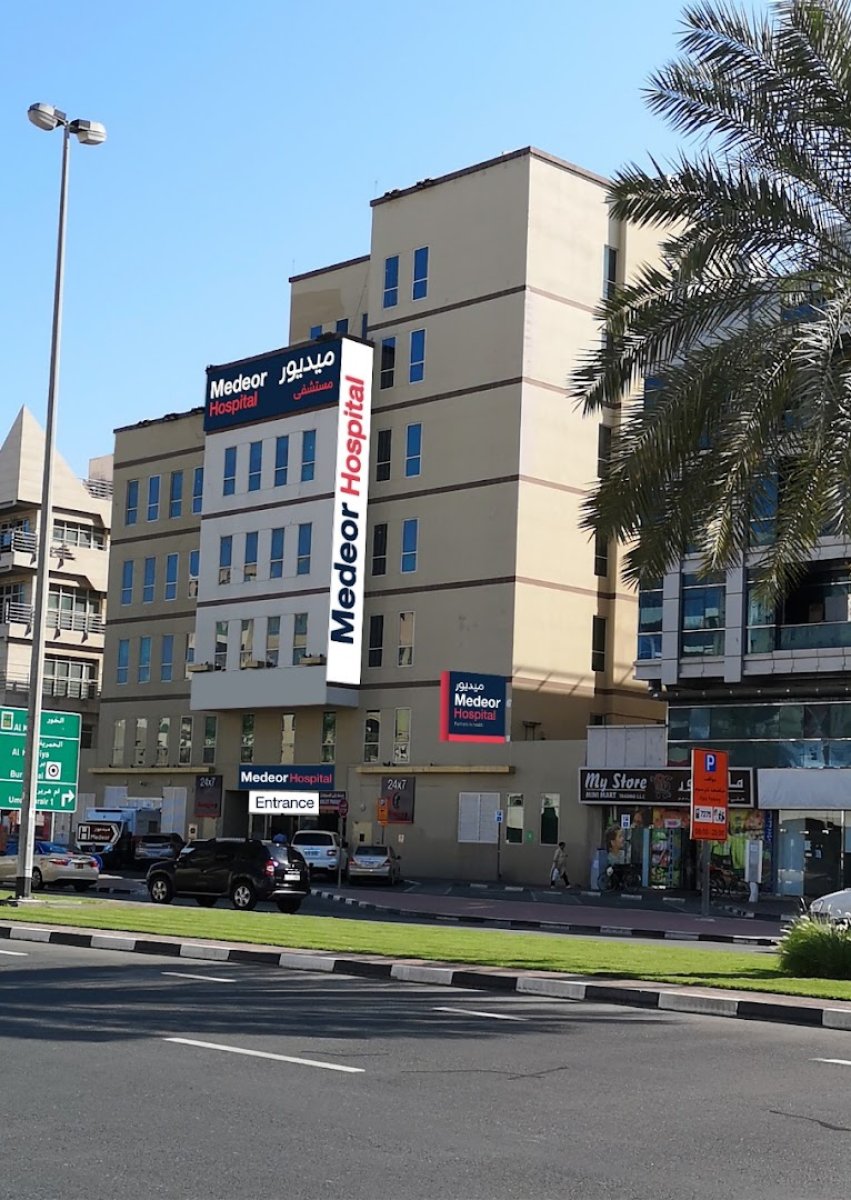
- Medeor Hospital, Emiratos Árabes Unidos
- Hospital Dubai London, Emiratos Árabes Unidos
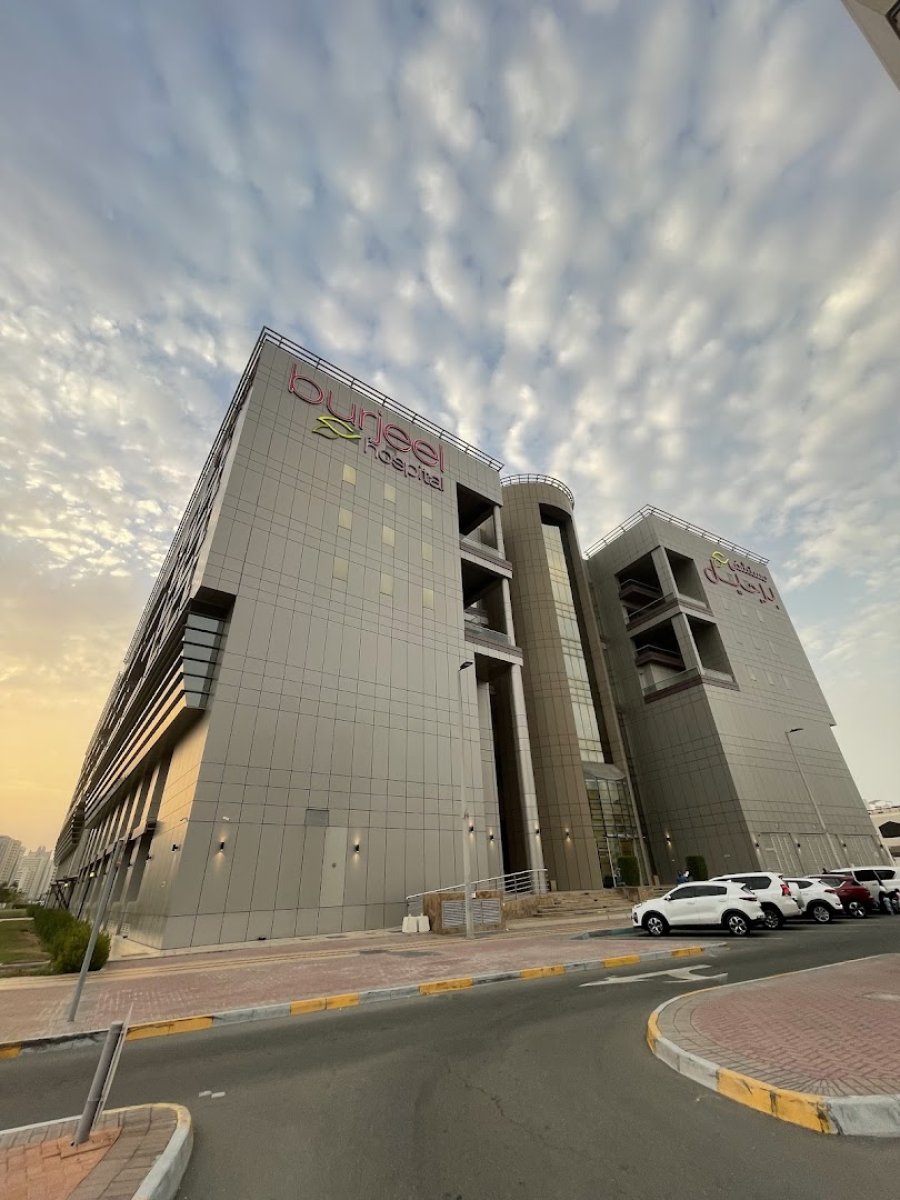
- Burjeel Hospital Abu Dhabi, Emiratos Árabes Unidos
- Hospitales Aster en Dubai (Aster Hospitals, DUBAI), Emiratos Árabes Unidos
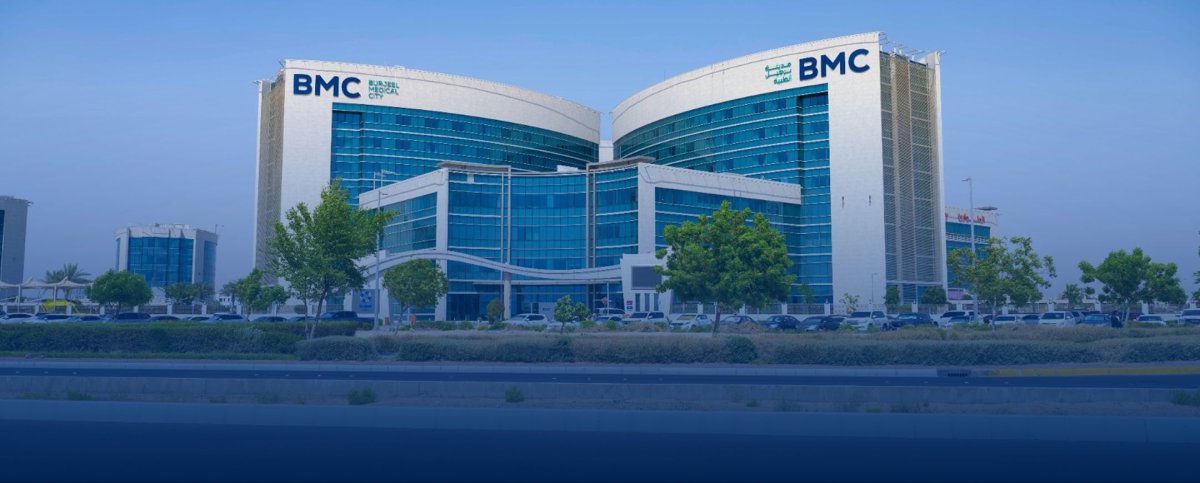
- Burjeel Medical City (BMC), Emiratos Árabes Unidos
- New Al Shefa Clinic, Emiratos Árabes Unidos
Obtenga una evaluación médica de Oftalmología en Emiratos Árabes Unidos: haga una consulta con 33 médicos experimentados ahora
Ver todos los médicos
Lena Kovač
Historias en video de pacientes de Bookimed
Artículos relacionados

La experiencia de Denys con la cirugía ocular con láser en Turquía: Una vida más clara por delante
Escrito por Kateryna Zamkovska

Glaucoma: Síntomas, Tratamientos y Opciones Quirúrgicas
Escrito por Olena Sikoza

¿Se puede corregir el estrabismo en adultos? Guía completa de opciones y precios
Escrito por Olena Sikoza

Tratamiento ocular con células madre: Coste, beneficios y qué esperar
Escrito por Mariia Mytrofankina

Visión perfecta durante 8 minutos
Escrito por Veronika Kazina
Compartir contenido
 Olena Sikoza
Preguntas frecuentes sobre Oftalmología en Emiratos Árabes Unidos
¿Es permanente la cirugía LASIK?
La cirugía LASIK remodela la córnea de forma permanente al eliminar cantidades microscópicas de tejido. Este tejido no vuelve a crecer. Aunque los cambios estructurales son duraderos, su visión aún puede cambiar con el tiempo. El envejecimiento natural y las afecciones oculares a menudo afectan la claridad visual a largo plazo.
- Estabilidad corneal: La remodelación física de la superficie corneal permanece permanente de por vida.
- Envejecimiento natural: La mayoría de los pacientes aún requieren gafas de lectura después de los 45 años debido a la presbicia.
- Riesgo de regresión: Aproximadamente del 1% al 2% de los pacientes experimentan un ligero cambio en la graduación anualmente.
- Tasa de retoque: Alrededor del 10% de los pacientes optan por un procedimiento de retoque después de 10 años.
Perspectiva de expertos de Bookimed: Los datos de los principales centros de Dubái, como los hospitales Aster, muestran que el volumen de pacientes influye en la satisfacción a largo plazo. Las instalaciones que atienden a millones de pacientes al año suelen tener los protocolos de detección más refinados. Esta experiencia ayuda a los cirujanos a identificar qué pacientes tienen el mayor riesgo de regresión antes de que comience la cirugía.
Consenso de los pacientes: Muchos pacientes informan una visión de lejos nítida que dura má
¿Cuándo debo buscar atención oftalmológica urgente?
Busque atención oftalmológica urgente ante una pérdida repentina de visión, dolor intenso o traumatismo ocular físico. Estos síntomas a menudo indican afecciones que amenazan la vista, como desprendimiento de retina o glaucoma agudo. El tratamiento inmediato es vital para prevenir la pérdida permanente de la visión. La atención especializada está disponible las 24 horas del día, los 7 días de la semana en los principales centros médicos de los EAU.
- Cambios repentinos en la visión: La visión borrosa rápida o la pérdida total de la visión requieren una evaluación inmediata por parte de un especialista.
- Señales de advertencia de la retina: Una lluvia repentina de moscas volantes o destellos de luz sugiere desgarros en la retina.
- Síntomas de glaucoma agudo: El dolor ocular intenso con náuseas requiere intervención de emergencia en cuestión de horas.
- Traumatismo ocular físico: Las salpicaduras químicas o las lesiones penetrantes necesitan atención el mismo día para evitar infecciones.
Perspectiva de expertos de Bookimed: Las redes médicas de los EAU, como Aster Hospitals, gestionan más de 20.000.000 de pacientes al año en sus instalaciones. Este alto volumen permite a las clínicas mantener personal especializado las 24 horas, incluidos expertos como el Dr. Vikram Mohindra. Los pacientes a menudo encuentran un acceso más rápido a especialista
¿Con qué frecuencia deben los adultos realizarse un examen ocular completo en los EAU?
Los adultos en los EAU deben someterse a un examen ocular completo cada 1 a 2 años. La frecuencia depende de la edad, las condiciones de visión existentes y los factores de riesgo como la diabetes. Aquellos mayores de 55 años o que usan lentes de contacto requieren chequeos anuales para monitorear la salud ocular y la precisión de la prescripción.
- 18–40 años: Los exámenes de rutina cada 2 años son suficientes para adultos de bajo riesgo y asintomáticos.
- 40–54 años: Los exámenes anuales o bienales ayudan a detectar signos tempranos de presbicia y glaucoma.
- 55+ años: Los exámenes anuales son esenciales para gestionar los mayores riesgos de cataratas y degeneración.
- Factores de alto riesgo: Los pacientes con diabetes o hipertensión deben programar evaluaciones al menos una vez al año.
Opinión de expertos de Bookimed: Los datos muestran que las grandes redes como Aster Hospitals, que atienden a millones de pacientes, a menudo integran los chequeos oculares en exámenes de salud más amplios. En los EAU, oftalmólogos especializados como el Dr. Vikram Mohindra señalan que factores ambientales como el polvo del desierto y el tiempo frente a la pantalla llevan a los pacientes a buscar exámenes con más frecuencia que los promedios globales para controlar los síntomas de ojo seco.
Consenso de los pacientes: Los pacientes a m
¿Cuál es el tiempo de recuperación después de una cirugía LASIK?
La recuperación inicial del LASIK es rápida, y la mayoría de los pacientes regresan al trabajo y a conducir en un plazo de 24 a 48 horas. La curación biológica completa y la estabilización de la visión suelen tardar de 3 a 6 meses. Los efectos secundarios tempranos, como la sensibilidad a la luz o la sensación de arenilla, suelen desaparecer durante la primera semana.
- Primeras 24 horas: Los pacientes a menudo alcanzan una visión de 20/20 y reanudan la mayoría de las actividades diarias ligeras.
- Transición laboral: La mayoría de las personas regresan a sus entornos de oficina en un plazo de 1 a 3 días.
- Límites de actividad: Evite nadar y practicar deportes de contacto durante al menos 4 semanas después de la cirugía.
- Curación a largo plazo: Los efectos secundarios visuales como halos o deslumbramientos desaparecen gradualmente a lo largo de 6 meses.
Perspectiva del experto de Bookimed: Los pacientes en los Emiratos Árabes Unidos a menudo experimentan una mayor sequedad ocular debido al aire acondicionado constante y al clima árido. Los datos de clínicas como los Hospitales Aster en DUBÁI sugieren abastecerse de gotas sin conservantes antes del procedimiento. Este paso proactivo ayuda a controlar el período de sequedad máxima de 1 a 3 meses, común en entornos de mucho calor.
Consenso de los pacientes: Los pacientes
¿Se puede curar el glaucoma?
El glaucoma no se puede curar porque el daño al nervio óptico es permanente e irreversible. Los especialistas de los Emiratos Árabes Unidos se centran en un tratamiento de por vida para reducir la presión ocular. La detección temprana en las clínicas de Dubái permite a los pacientes preservar la visión restante mediante medicamentos, terapia láser o intervenciones quirúrgicas avanzadas.
- Objetivos del tratamiento: Los procedimientos tienen como objetivo reducir la presión intraocular para prevenir la pérdida de visión futura.
- Terapia de primera línea: Las gotas oculares medicinales reducen la producción de líquido o mejoran la eficiencia del drenaje ocular.
- Opciones quirúrgicas: La trabeculectomía y la cirugía de glaucoma mínimamente invasiva (MIGS) crean nuevas vías de drenaje de fluidos.
- Atención especializada: Expertos como el Dr. Vikram Mohindra en Aster Hospitals, DUBAI, gestionan casos complejos.
Perspectiva del experto de Bookimed: Los indicadores de calidad en los EAU a menudo se correlacionan con la escala de la red hospitalaria más que solo con la antigüedad de la clínica individual. Aster Hospitals, DUBAI gestiona más de 20.000.000 de pacientes en toda su red. Este volumen masivo permite a sus más de 2.900 médicos manejar variantes raras de glaucoma que las instalaciones independientes más pequeñas podrían ver con menos frecue
¿Cuándo debe mi hijo hacerse su primer examen de la vista?
Los niños deben someterse a su primer examen ocular completo entre los 6 y los 12 meses de edad. Este examen temprano identifica problemas estructurales y de alineación como el estrabismo. Son necesarios seguimientos regulares a los 3 años y antes de comenzar la escuela para apoyar un desarrollo saludable.
- Calendario rutinario: Realice la primera prueba entre los 6 y 12 meses y otra entre los 3 y 5 años.
- Preparación escolar: Programe un examen completo a los 5 o 6 años antes de comenzar el primer grado.
- Detección temprana: El examen identifica el ojo vago (ambliopía) y errores de refracción como astigmatismo o miopía.
- Señales de advertencia: Se necesitan pruebas inmediatas si hay frotamiento frecuente de ojos, entrecerrar los ojos o inclinación de la cabeza.
Perspectiva del experto de Bookimed: Las escuelas en regiones como Dubái a menudo exigen exámenes de la vista para niños de 4 a 5 años. Este requisito ayuda a detectar afecciones como la ambliopía a tiempo. Las clínicas con más de 35 años de experiencia, como el Dubai London Hospital, están bien equipadas para estos chequeos pediátricos.
Consenso de los pacientes: Los padres señalan que el aumento del tiempo frente a las pantallas hace que los controles anuales sean esenciales, incluso si la visión parece perfecta. Es mejor no esperar a que aparezcan síntomas
¿La fuerte exposición al sol en los EAU hace que los niños necesiten gafas de sol?
Los niños en los Emiratos Árabes Unidos necesitan gafas de sol para protegerse contra un índice UV extremo que a menudo alcanza los 12 puntos. Los lentes de los niños son más transparentes que los ojos de los adultos. Esto permite que una mayor cantidad de radiación dañina llegue a la retina. La exposición crónica conduce a la fotoqueratitis y a daños visuales a largo plazo.
- Índice UV extremo: Los EAU mantienen niveles altos de radiación durante todo el año, lo que requiere una protección ocular constante.
- Daño acumulativo: Los expertos estiman que el 80% de la exposición a los rayos UV durante toda la vida ocurre antes de los 18 años.
- Superficies reflectantes: La arena y el pavimento reflejan un resplandor intenso, lo que aumenta el riesgo de quemaduras solares en los ojos.
- Diagnósticos esenciales: Las clínicas ofrecen un chequeo infantil desde Precio a consultar hasta Precio a consultar.
Perspectiva del experto de Bookimed: Las clínicas de los EAU a menudo combinan la atención oftalmológica pediátrica con el bienestar integral. Por ejemplo, el Dubai London Hospital ofrece chequeos infantiles especializados junto con más de 35 años de experiencia clínica. Esta experiencia de gran volumen ayuda a los padres a identificar cambios tempranos relacionados con los rayos UV que a menudo se pasan por alto durante los exámenes escolares est