Oftalmología en Estados Unidos — Costos 2026


Revisado médicamente por
Fahad Mawlood
¿Cuál es el precio de procedimientos de Oftalmología en Estados Unidos? Descubra ahora
La oftalmología en los Estados Unidos suele costar entre $5,500 y $15,800. Los gastos totales dependen de la complejidad del procedimiento ocular, el tipo de lente o tecnología utilizada y el entorno del centro quirúrgico. Los costos también varían según si la atención se realiza en un centro ambulatorio o en un departamento ambulatorio de un hospital.
Costos típicos de oftalmología en Estados Unidos
- Consulta con un oftalmólogo: $300 – $450
- Investigación oftalmológica: Precio a consultar
- Cirugía ocular con láser: Precio a consultar
- Trasplante de córnea: Precio a consultar
- Cirugía de estrabismo: $6,500 – $12,500
- Cirugía de desprendimiento de retina: $14,000 – $25,000
- Tratamiento de glaucoma: Precio a consultar
- Cirugía de cataratas con reemplazo de LIO: $3,500 – $5,500
- Cirugía ocular ReLEx SMILE: $3,800 – $5,200
- Cirugía de cataratas con implante de lente multifocal: Precio a consultar
Los principales centros de atención oftalmológica incluyen Nueva York, Los Ángeles, Chicago y Houston. Los precios en las regiones del noreste y oeste generalmente se mantienen más altos que en el medio oeste o el sureste. Consulte con un especialista para obtener precios precisos para sus necesidades específicas de salud ocular.
| Estados Unidos | España | Turquía | |
|---|---|---|---|
| Fotocoagulación | ≈ $1,200 | de $2,200 | de $400 |
| Cirugía ocular ReLEx SMILE | ≈ $3,800 | ≈ $2,900 | de $1,400 |
| Cirugía ocular LASIK | ≈ $3,000 | de $3,900 | de $1,000 |
| Cirugía de estrabismo | ≈ $6,500 | de $14,900 | de $1,800 |
| Cirugía de desprendimiento de retina | ≈ $14,000 | de $10,200 | de $2,600 |
Todas las enfermedades de Oftalmología
Sus beneficios y garantías con Bookimed
Precios directos
Bookimed no añade cargos extra a los precios de los tratamientos de Oftalmología. Las tarifas proceden de las listas de precios oficiales de las clínicas. Pagará directamente en la clínica por su tratamiento a su llegada al país.
Sólo clínicas y médicos verificados
Bookimed está comprometido con su seguridad. Solo trabajamos con las clínicas que mantienen altos estándares internacionales en el tratamiento de Oftalmología y tienen las licencias necesarias para atender a pacientes internacionales en todo el mundo.
Asistencia 24/7 gratuita
Bookimed ofrece asistencia experta gratuita. Un coordinador médico personal le apoya antes, durante y después del tratamiento, resolviendo cualquier problema. Nunca estará solo en su viaje médico de procedimientos de Oftalmología.

Su coordinador médico personal de Bookimed
- Le apoya en cada etapa
- Ayuda a elegir la clínica y el médico adecuados
- Asegura un acceso rápido y conveniente a la información
Descubra las mejores clínicas de Oftalmología en Estados Unidos: 15 opciones verificadas y Precios
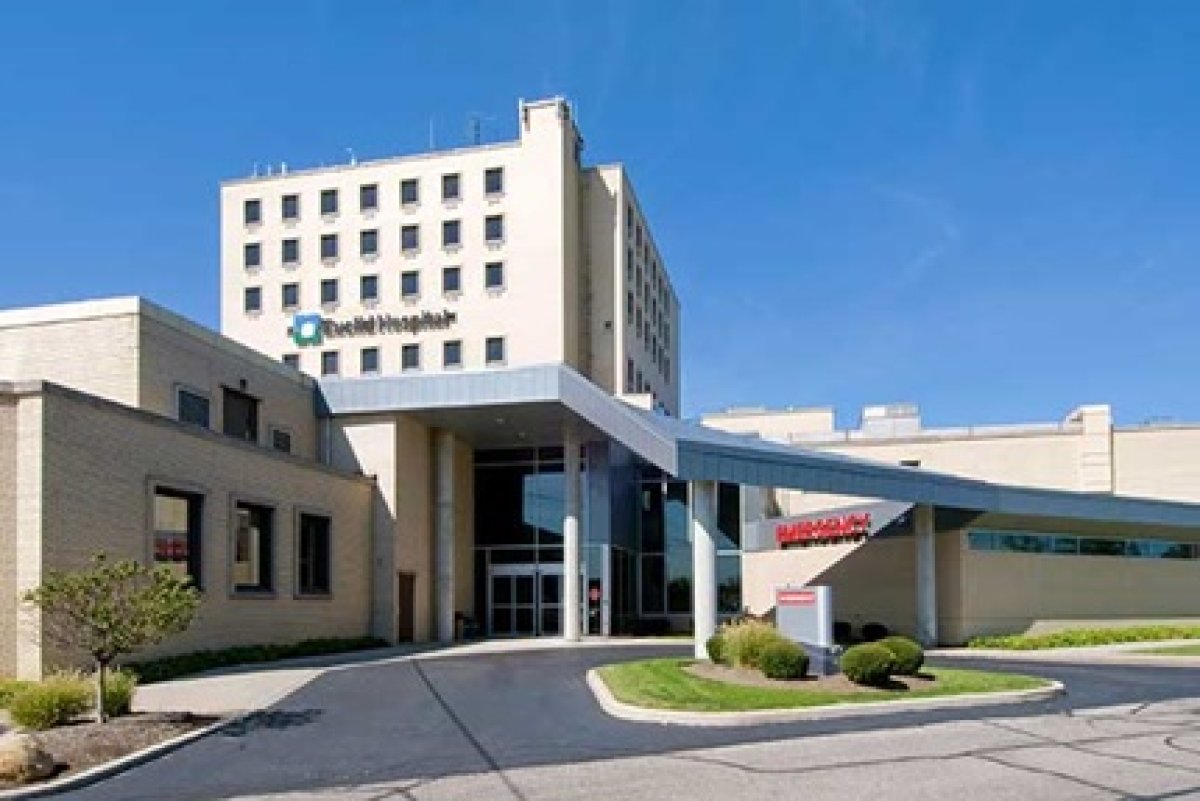





Johns Hopkins Hospital
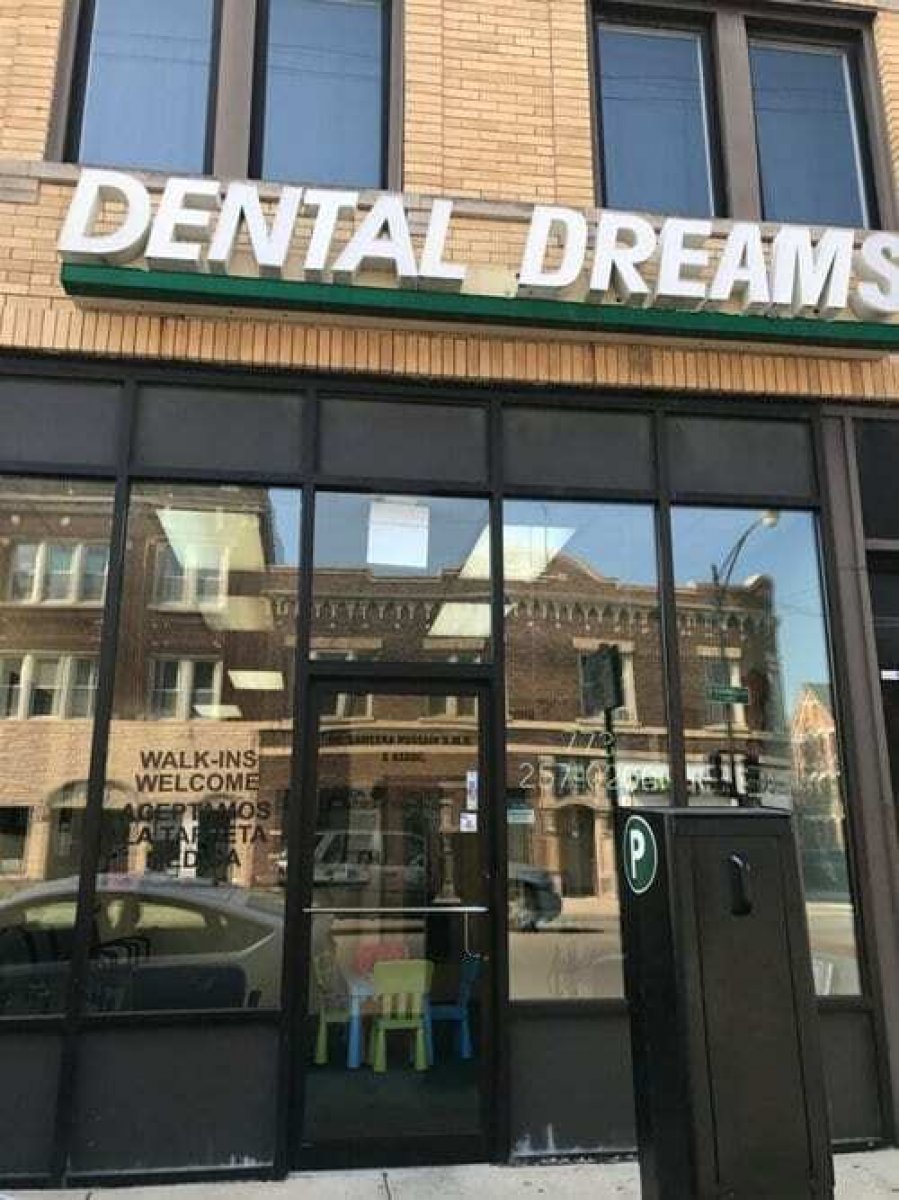
The Dental Clinic-Kedzie
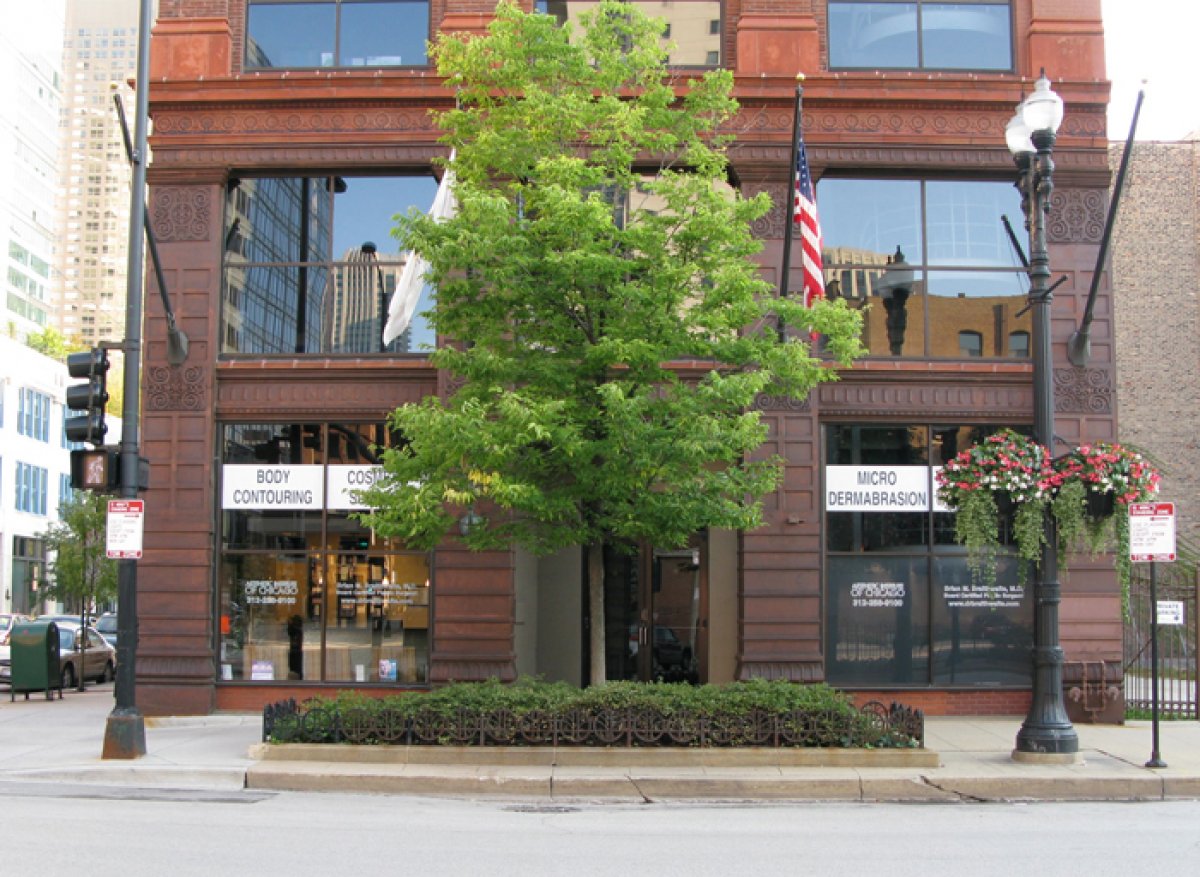
The Aesthetic Institute of Chicago - Brian M. Braithwaite

International Dental Center

UIC Plastic Surgery
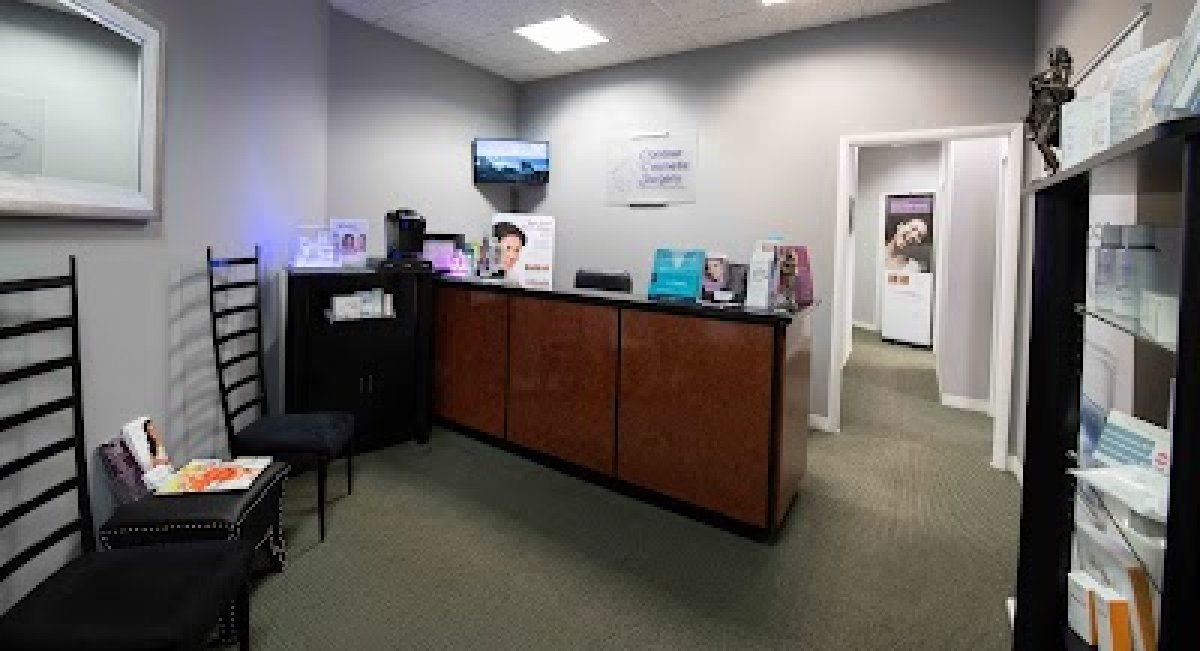
Cosmetic Surgery of Chicago & Medical Spa Dr. Cynthia Buono

North Park Dental Clinic

Blue Illusion Beauty Facial Plastic Surgery Center

Medical Expert Plastic Surgery Face and Neck
Los mejores centros médicos de Oftalmología en Estados Unidos
- Cleveland Clinic, Estados Unidos
- Johns Hopkins Hospital, Estados Unidos
- The Dental Clinic-Kedzie, Estados Unidos
- The Aesthetic Institute of Chicago - Brian M. Braithwaite, Estados Unidos
- International Dental Center, Estados Unidos
- UIC Plastic Surgery, Estados Unidos
- Cosmetic Surgery of Chicago & Medical Spa Dr. Cynthia Buono, Estados Unidos
- North Park Dental Clinic, Estados Unidos
- Blue Illusion Beauty Facial Plastic Surgery Center, Estados Unidos
- Medical Expert Plastic Surgery Face and Neck, Estados Unidos
Obtenga una evaluación médica para en Estados Unidos: Elija su especialista entre los mejores en el campo
Ver todos los médicos
Roberto Gonzalez
Historias en video de pacientes de Bookimed
Artículos relacionados

La experiencia de Denys con la cirugía ocular con láser en Turquía: Una vida más clara por delante
Escrito por Kateryna Zamkovska

Glaucoma: Síntomas, Tratamientos y Opciones Quirúrgicas
Escrito por Olena Sikoza

¿Se puede corregir el estrabismo en adultos? Guía completa de opciones y precios
Escrito por Olena Sikoza

Tratamiento ocular con células madre: Coste, beneficios y qué esperar
Escrito por Mariia Mytrofankina

Visión perfecta durante 8 minutos
Escrito por Veronika Kazina
Compartir contenido
 Olena Sikoza
Preguntas frecuentes sobre Oftalmología en Estados Unidos
¿Cuáles son las tasas de éxito y los riesgos de la cirugía oftálmica en los Estados Unidos?
La cirugía oftálmica en los Estados Unidos mantiene tasas de éxito excepcionales, alcanzando del 95% al 99% en procedimientos comunes. Los resultados dependen del volumen de casos del cirujano y de la salud del paciente. Las complicaciones raras ocurren en menos del 1% de los casos rutinarios. Instituciones importantes como el Johns Hopkins Hospital atraen pacientes de 49 estados para atención ocular especializada.
- Éxito en cataratas: Aproximadamente del 98% al 99% de los pacientes logran una visión funcional.
- Precisión LASIK: Entre el 90% y el 95% de los pacientes logran una visión de 20/20.
- Riesgo de infección: La endoftalmitis ocurre solo en el 0.04% al 0.07% de los casos de cataratas.
- Reinserción de retina: Los protocolos modernos de vitrectomía logran tasas de éxito primario del 85% al 95%.
Perspectiva del experto de Bookimed: Aunque las tasas de éxito son altas, los procedimientos secundarios son más comunes de lo que muchos creen. Los datos muestran que hasta el 28% de los pacientes con cataratas requieren un tratamiento con láser YAG dentro de los 5 años. Seleccionar centros de alto volumen como el Johns Hopkins Hospital es vital para casos complejos. Estas instituciones multidisciplinarias gestionan eficazmente el riesgo de revisión del 20% inherente a las reparaciones de desprendimiento de retina.
Consenso de lo
¿Cuántos de estos procedimientos oculares específicos ha realizado el cirujano?
Los cirujanos oftalmólogos en los Estados Unidos suelen alcanzar su máxima competencia después de realizar 1,000 procedimientos a lo largo de su carrera. Los especialistas de alto rendimiento en cirugía LASIK y de cataratas mantienen la excelencia completando más de 500 casos al año. Los datos muestran que los cirujanos con mayores volúmenes tienen resultados significativamente mejores y tasas de complicaciones más bajas.
- Referencia de experiencia: Los cirujanos de cataratas de élite suelen realizar de 500 a 1,000 procedimientos cada año.
- Umbral de seguridad: Los cirujanos que completan menos de 200 casos al año pueden tener mayores riesgos de complicaciones.
- Volumen de LASIK: Los especialistas de alto volumen a menudo alcanzan de 5,000 a 10,000 procedimientos en su vida para obtener resultados óptimos.
- Eventos adversos: Realizar menos de 25 cataratas al mes se correlaciona con 2 a 3 veces más complicaciones.
Perspectiva de expertos de Bookimed: El volumen de pacientes es una señal de calidad principal en el sistema médico de EE. UU. El Hospital Johns Hopkins en Maryland atrae pacientes de 49 estados anualmente. Esta afluencia masiva permite a sus especialistas mantener altos volúmenes de procedimientos. Los centros de alto volumen a menudo brindan resultados más predecibles que las prácticas individuales debido a esta constante repetic
¿Qué síntomas durante la recuperación son normales y cuáles requieren atención urgente?
La recuperación normal después de procedimientos oftalmológicos en EE. UU. incluye una leve sensación de arenilla, sensibilidad a la luz y visión fluctuante. Los síntomas suelen alcanzar su punto máximo en 48 horas. Sin embargo, la pérdida repentina de visión, una explosión de nuevas miodesopsias (moscas volantes) o una sombra similar a una cortina sobre su campo de visión requieren atención médica de emergencia inmediata para evitar daños permanentes.
- Cambios en la visión: La visión borrosa leve o los halos son estándar durante 1 a 3 meses después de la cirugía LASIK.
- Sensación física: La sensación de tener arena en los ojos es normal durante los primeros 2 días de curación.
- Signos urgentes: El dolor intenso que no responde a las gotas recetadas puede indicar una infección ocular grave.
- Desencadenantes de emergencia: Los puntos negros o destellos repentinos a menudo indican un desprendimiento de retina que requiere cirugía.
Perspectiva de expertos de Bookimed: Los datos de los principales centros de EE. UU., como el Hospital Johns Hopkins, muestran que el éxito postoperatorio depende en gran medida del estricto cumplimiento de los horarios de gotas recetados. Los pacientes a menudo confunden los productos de venta libre para el enrojecimiento con un tratamiento médico. Utilice solo los medicamentos recetados por el cirujano para evitar
¿Cuándo puedo volver a conducir, volar y trabajar normalmente de forma segura después de una cirugía ocular en los EE. UU.?
Los plazos de recuperación en los EE. UU. dependen del procedimiento específico y del cumplimiento de los estándares legales de visión. La mayoría de los pacientes de LASIK conducen dentro de las 24 horas. La cirugía de cataratas generalmente permite conducir después de 48 horas. Los pacientes deben cumplir con los requisitos estatales, generalmente una visión de 20/40, antes de reanudar la conducción diurna o nocturna.
- Cronograma para conducir: La mayoría de los pacientes de LASIK reanudan la conducción 1 día después de su cita de seguimiento.
- Seguridad al volar: Espere 1 semana después de la cirugía de cataratas para evitar molestias oculares relacionadas con la presión.
- Riesgo de viajes aéreos: Nunca vuele después de una cirugía de retina hasta que un médico confirme que las burbujas de gas se han disuelto.
- Reanudación del trabajo: Los trabajos de oficina a menudo se reanudan en 1 a 3 días para los procedimientos de LASIK o cataratas.
- Trabajo físico: Espere de 2 a 4 semanas antes de volver a levantar objetos pesados o trabajar en entornos con polvo.
Perspectiva de expertos de Bookimed: Los centros de oftalmología de EE. UU., como el Johns Hopkins Hospital, atienden a pacientes de 49 estados, lo que hace que la planificación del viaje sea vital. Los datos muestran que, si bien los pacientes locales reanudan e
¿Todavía necesito gafas o lentes de contacto después de una cirugía refractiva o de cataratas en los EE. UU.?
La mayoría de los pacientes reducen significativamente su dependencia de las gafas después de una cirugía refractiva o de cataratas en los EE. UU. Una cirugía LASIK exitosa resulta en una visión de lejos de 20/20 para la mayoría. Sin embargo, factores como la edad, el astigmatismo preexistente y la elección específica de lentes durante los procedimientos de cataratas influyen en si todavía necesita gafas.
- Factor de edad: Los pacientes mayores de 40 años a menudo requieren gafas de lectura para la letra pequeña debido a la presbicia.
- Selección de LIO: Las lentes monofocales proporcionan una visión clara de lejos, pero generalmente requieren gafas para tareas de cerca.
- Lentes premium: Las lentes multifocales o EDOF eliminan la necesidad de gafas en el 80–90% de los casos.
- Corrección del astigmatismo: Las lentes intraoculares tóricas son necesarias para corregir el astigmatismo y lograr una libertad visual completa.
Perspectiva del experto de Bookimed: Los datos sugieren que seleccionar lentes multifocales premium o lentes ajustables por luz (LAL) durante la cirugía de cataratas es la forma más efectiva de minimizar el uso de gafas después de la operación. Aunque las lentes monofocales son comunes, solo enfocan a una distancia. Clínicas como el Johns Hopkins Hospital ofrecen consultas especializadas para adaptar la tecnología de las lentes
¿Con qué frecuencia debo realizarme exámenes oculares de seguimiento mientras visito los EE. UU. para recibir tratamiento?
Los exámenes oculares postoperatorios en los EE. UU. siguen un cronograma clínico estandarizado para monitorear la curación y la agudeza visual. La mayoría de los procedimientos quirúrgicos requieren visitas a las 24 horas, 1 semana y 1 mes. Los cirujanos pueden solicitar controles adicionales a los 3 y 6 meses para casos complejos.
- Cirugía de cataratas: Incluye controles a 1 día, 1 semana y 1 mes después de la operación.
- Cirugía refractiva: LASIK o SMILE requieren visitas al día siguiente y un seguimiento de 1 a 2 semanas.
- Trasplantes de córnea: El monitoreo inicial ocurre dentro de las 48 horas con ajustes semanales frecuentes.
- Manejo del glaucoma: Los casos estables necesitan exámenes cada pocos meses para monitorear la presión intraocular.
Perspectiva del experto de Bookimed: Si bien los exámenes oculares en EE. UU. suelen costar entre $300 y $450, muchos centros como el Johns Hopkins Hospital se especializan en atención multidisciplinaria compleja para pacientes internacionales. Nuestros datos muestran que los centros de alto volumen a menudo ofrecen cronogramas de seguimiento condensados. Esto permite a los pacientes internacionales completar los controles críticos dentro de los 14 días antes de regresar a casa.
Consenso de los pacientes: Los pacientes enfatizan la importanci
¿Qué elementos debo llevar a la consulta inicial de oftalmología en los EE. UU.?
Los pacientes deben llevar una identificación con foto, tarjetas de seguro y una lista completa de los medicamentos actuales a su consulta inicial de oftalmología en los EE. UU. También debe llevar sus recetas actuales de anteojos y lentes de contacto. Estos elementos verifican su identidad y ayudan a los médicos a establecer una base para su salud visual.
- Documentación: Lleve una identificación emitida por el gobierno y todas las tarjetas de seguro médico y de visión.
- Historial médico: Proporcione una lista de medicamentos, dosis y cualquier cirugía ocular previa.
- Ayudas visuales: Empaque todos sus anteojos actuales y la información de la marca de sus lentes de contacto.
- Cuidado posterior al examen: Lleve gafas de sol y organice un conductor, ya que la dilatación causa visión borrosa temporal.
Perspectiva del experto de Bookimed: Las clínicas de EE. UU. como el Johns Hopkins Hospital atienden a pacientes de 49 estados. Este alto volumen significa que los mostradores de registro están estrictamente sistematizados. Puede acelerar su visita descargando los formularios de admisión del portal del paciente la noche anterior. Este pequeño paso a menudo ahorra 20 minutos en la sala de espera.
Consenso de los pacientes: Los pacientes señalan que es importante quitarse los lentes de contacto 1 o 2 semanas antes del examen