Inmunoterapia para el cáncer de pulmón. en México — obtén 3 clínicas con costos


Revisado médicamente por
Fahad Mawlood
¿Cuál es el precio de Inmunoterapia para el cáncer de pulmón. en México? Descubra ahora
La inmunoterapia para el cáncer de pulmón en México suele costar desde $9,000 hasta $20,000. Los precios pueden variar según el tipo de medicamento inmunoterapéutico (como pembrolizumab o nivolumab), la cantidad de ciclos de tratamiento, el hospital y la experiencia del oncólogo. UU.
Los hospitales mexicanos suelen incluir en el paquete el costo de los medicamentos de inmunoterapia, las tarifas de administración, análisis básicos de sangre y las consultas iniciales de oncología. En EE. UU., los costos de los medicamentos, las tarifas de infusión, los análisis de laboratorio y las visitas a especialistas suelen cobrarse por separado. Siempre confirmar qué incluye el paquete de cada clínica, especialmente en lo que respecta al seguimiento y pruebas adicionales.
Beneficios clave
Sus beneficios y garantías con Bookimed
Precios directos
Bookimed no añade cargos adicionales a los precios de Inmunoterapia para el cáncer de pulmón.. Las tarifas proceden de las listas de precios oficiales de las clínicas. Pagará directamente en la clínica por su Inmunoterapia para el cáncer de pulmón. a su llegada al país.
Sólo clínicas y médicos verificados
Bookimed está comprometido con su seguridad. Solo trabajamos con las clínicas que mantienen altos estándares internacionales en Inmunoterapia para el cáncer de pulmón. y tienen las licencias necesarias para atender a pacientes internacionales en todo el mundo.
Asistencia 24/7 gratuita
Bookimed ofrece asistencia experta gratuita. Un coordinador médico personal le apoya antes, durante y después del tratamiento, resolviendo cualquier problema. Nunca estará solo en su viaje médico de Inmunoterapia para el cáncer de pulmón..

Su coordinador médico personal de Bookimed
- Le apoya en cada etapa
- Ayuda a elegir la clínica y el médico adecuados
- Asegura un acceso rápido y conveniente a la información
Descubra las mejores clínicas de Inmunoterapia para el cáncer de pulmón. en México: 4 opciones verificadas y Precios



Descripción general de Inmunoterapia para el cáncer de pulmón. en México
- Terapia biológica - de $4,500Esta terapia utiliza organismos vivos para tratar enfermedades estimulando el propio sistema inmunológico del cuerpo.
- Inmunoterapia - de $5,500Esta terapia potencia las defensas naturales del organismo para combatir enfermedades como el cáncer, acarreando menos efectos secundarios.
- Terapia con el bacilo de Calmette-Guérin (BCG) - de $1,800Esta terapia, que emplea una vacuna contra la tuberculosis, ayuda en el tratamiento del cáncer de vejiga mediante la inserción directa en la vejiga.
- Inmunoterapia con Keytruda (Pembolizumab) - de $3,800La terapia es un tratamiento que potencia el sistema inmunitario del organismo para combatir el cáncer, utilizando un fármaco altamente dirigido y eficaz.
- Inmunoterapia para el cáncer de próstata. - de $25,000Esta terapia estimula el sistema inmunitario del cuerpo para luchar contra el cáncer de próstata, ofreciendo un tratamiento específico y generalmente bien tolerado.
- Inmunoterapia para el cáncer de pulmón. - de $9,000Esta terapia potencia las defensas naturales de tu organismo para combatir el cáncer de pulmón, utilizando sustancias elaboradas por el propio organismo.
- Inmunoterapia para el cáncer de mama - de $12,000Esta terapia estimula su sistema inmunológico para combatir y erradicar las células de cáncer de mama de manera efectiva.
- Inmunoterapia para el cáncer de riñón - de $18,000Esta terapia estimula las defensas naturales del organismo, a menudo prolongando la vida de los pacientes con cáncer de riñón.
Día 1 - Llegada
- Llegada a la clínica y check-in en recepción.
- Conozca al coordinador de pacientes para un recorrido por el hospital.
- Instálese en la habitación del paciente proporcionada.
Día 2 - Preoperatorio
- Reúnase con un oncólogo para una consulta detallada.
- Realice las pruebas médicas necesarias, incluido el análisis de sangre.
- Hágase una tomografía computarizada o una tomografía por emisión de positrones si es necesario.
- Reúnase con una enfermera para discutir el plan de tratamiento.
Día 3 - Inmunoterapia
- Tome una comida ligera antes del procedimiento.
- Recibir inmunoterapia, que dura alrededor de 2-3 horas.
- Descanse en su habitación bajo supervisión médica.
Día 4 - Postoperatorio
- Reúnase con un médico para discutir los efectos del tratamiento.
- Permanezca en el hospital para observación si es necesario.
Semana 1 - Rehabilitación
- Inicie actividades físicas ligeras como caminar.
- Continúe con una dieta saludable para apoyar la recuperación.
Semana 2 - Rehabilitación
- Regrese al trabajo si se siente bien.
- Continúe con las citas regulares de seguimiento.
Tenga en cuenta que el viaje de cada paciente es único y puede variar. Siga siempre los consejos específicos proporcionados por su equipo médico.
- Depósito de Bookimed: 200 $ o 200 €.
- Depósito de la clínica: Pague un porcentaje fijo por adelantado.
Obtenga una evaluación médica para Inmunoterapia para el cáncer de pulmón. en México: Elija su especialista entre los mejores en el campo
Ver todos los médicos
Eslie Perez
Jefe de Enseñanza en el Hospital Regional de Puerto Vallarta – El Dr. Pérez combina la experiencia clínica con el liderazgo en educación médica.
- Gestor de registros médicos con experiencia en documentación clínica
- Certificado en biomagnetismo por el Instituto Superior de Biomagnetismo
- Experto en diversos procedimientos dermatológicos y mínimamente invasivos
Historias en video de pacientes de Bookimed
Reseñas
Todas las reseñasCompartir contenido
 Olena Sikoza
Preguntas frecuentes sobre Inmunoterapia para el cáncer de pulmón. en México
¿Qué tipos de inmunoterapia están disponibles para el cáncer de pulmón en México?
La inmunoterapia para el cáncer de pulmón en México incluye inhibidores de puntos de control aprobados por COFEPRIS como Keytruda y Opdivo, junto con terapias celulares avanzadas. Los principales centros oncológicos en Ciudad de México, Tijuana y Monterrey proporcionan inhibidores de PD-1/PD-L1, mientras que clínicas especializadas ofrecen vacunas de células dendríticas y terapia de células NK para una atención oncológica personalizada.
- Inhibidores de puntos de control: Medicamentos estándar como pembrolizumab (Keytruda) se dirigen a las proteínas PD-1 para reactivar las respuestas inmunitarias.
- Terapias celulares: Centros especializados proporcionan protocolos de vacunas de células dendríticas y terapia de células Natural Killer.
- Vacunas dirigidas: Clínicas autorizadas ofrecen CIMAvax-EGF, una vacuna desarrollada en Cuba que se dirige al factor de crecimiento epidérmico.
- Supervisión regulatoria: Todos los tratamientos biológicos avanzados están bajo la jurisdicción de la Comisión Federal para la Protección contra Riesgos Sanitarios (COFEPRIS) de México.
Perspectiva del experto de Bookimed: Mientras que los hospitales estándar se centran en los inhibidores de puntos de control, los centros de medicina regenerativa de México suelen atender a más de 1,000 pacientes internacionales al año. Instalaciones como Immunotherapy Regenerative Medi
¿Está la inmunoterapia contra el cáncer en México regulada de forma segura?
La inmunoterapia contra el cáncer en México es segura y está regulada por la Comisión Federal para la Protección contra Riesgos Sanitarios (COFEPRIS). Los principales hospitales de Ciudad de México y Monterrey utilizan estándares equivalentes a los de la FDA para los inhibidores de puntos de control. Los pacientes deben verificar las licencias específicas de la clínica y las acreditaciones internacionales como el CSG para obtener la máxima seguridad.
- Supervisión regulatoria: COFEPRIS aprueba medicamentos importantes como nivolumab y pembrolizumab para uso clínico.
- Acreditación hospitalaria: Las mejores clínicas cuentan con la certificación del Consejo de Salubridad General (CSG) para la seguridad del paciente.
- Tipos de tratamiento: Los medicamentos convencionales siguen protocolos estrictos, mientras que las terapias celulares tienen más autonomía médica.
- Consejo de seguridad: Solicite los números de lote de los medicamentos y la prueba de almacenamiento en cadena de frío para garantizar la integridad del fármaco.
Perspectiva del experto de Bookimed: Los datos muestran una clara brecha de calidad basada en la ubicación y especialización de la clínica. Mientras que los hospitales de Mexicali como el Hospital de la Familia se centran en estándares quirúrgicos cerca de la frontera, los centros especializados en Monterrey y Ciudad de México
¿Pueden los pacientes con cáncer de pulmón en estadio 4 recibir inmunoterapia en México?
Los pacientes con cáncer de pulmón en estadio 4 pueden recibir inmunoterapia en México utilizando protocolos aprobados por la FDA. Centros especializados en Ciudad de México, Monterrey y Puerto Vallarta ofrecen inhibidores de puntos de control como Keytruda y Opdivo. Estos tratamientos se dirigen a las vías PD-1/PD-L1 para ayudar al sistema inmunológico a identificar y destruir las células malignas avanzadas.
- Medicamentos disponibles: Acceso a infusiones estándar de pembrolizumab (Keytruda) o nivolumab (Opdivo) para el cáncer de pulmón de células no pequeñas avanzado.
- Ciclos de tratamiento: La terapia generalmente sigue ciclos de 3 a 6 meses con monitoreo por parte de oncólogos locales o del país de origen.
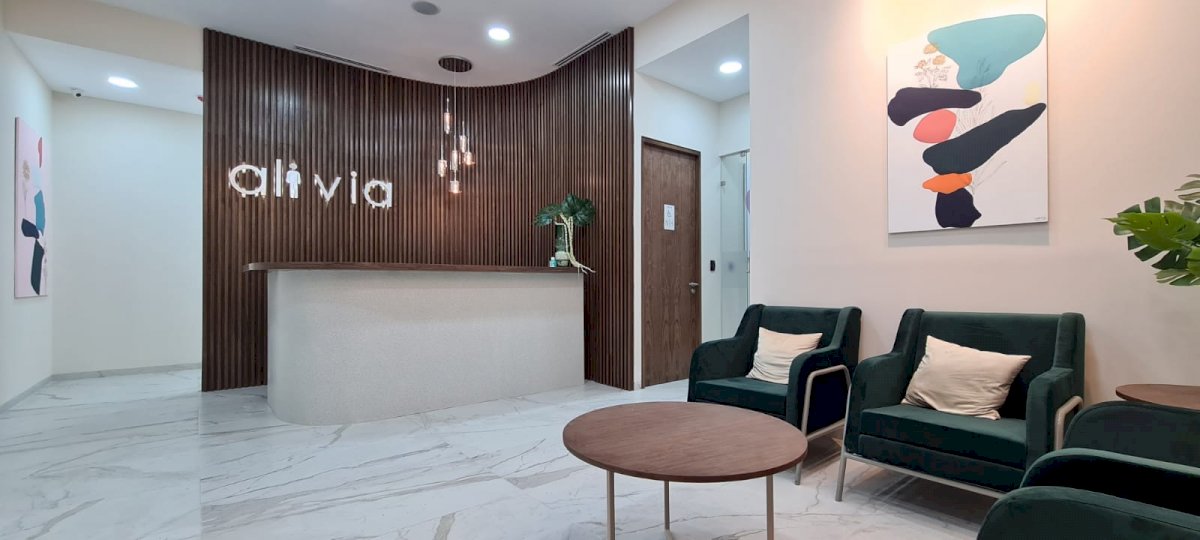
- Señales de eficiencia: Clínicas como Alivia Clinica Monterrey atienden a más de 4,000 pacientes anualmente con servicios de oncología especializados.
- Estándares de seguridad: Las mejores instalaciones cuentan con la acreditación CSG del Consejo de Salubridad General de México para la seguridad del paciente.
Perspectiva del experto de Bookimed: Si bien muchas clínicas fronterizas promueven terapias alternativas, los principales centros urbanos de México se centran en protocolos de infusión basados en medicamentos. Clínicas como Immunotherapy Regenerative Medicine en Puerto Vallarta atienden a un gran volumen de pacientes internacional
¿Cuáles son los principales centros médicos que ofrecen inmunoterapia contra el cáncer de pulmón en México?
Los principales centros de México para la inmunoterapia contra el cáncer de pulmón incluyen Tijuana y Mexicali para el acceso fronterizo, Cancún y Puerto Vallarta para terapia celular especializada, y la Ciudad de México para atención hospitalaria de alto nivel. Estos centros ofrecen inhibidores de puntos de control como Keytruda y Opdivo a costos significativamente reducidos en comparación con los Estados Unidos.
- Tijuana: Centro fronterizo que cuenta con clínicas como el Immunity Therapy Center para oncología personalizada y vacunas.
- Mexicali: Sede del Hospital de la Familia, una instalación acreditada por el CSG especializada en protocolos dirigidos.
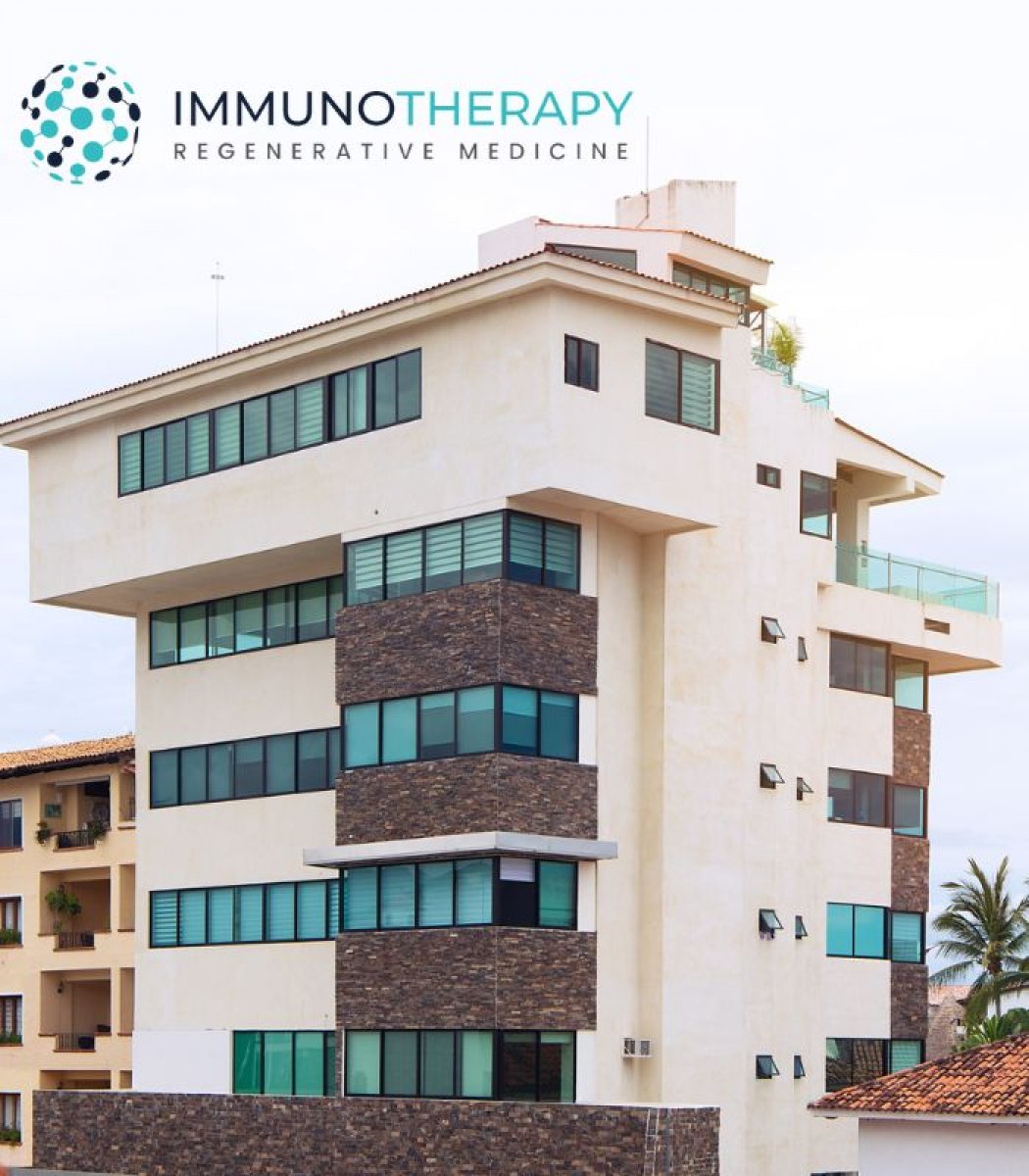
- Puerto Vallarta: Ubicación de Immunotherapy Regenerative Medicine, especializado en células madre e inmunoterapia a largo plazo.
- Ciudad de México: Centro académico que alberga hospitales de élite como Médica Sur para oncología compleja y de alta credibilidad.
- Cancún: Centro de destino para instalaciones con certificación ISO como el Immunocine Cancer Center y el Hospital Galenia.
Perspectiva del experto de Bookimed: Aunque los costos de la inmunoterapia en México suelen oscilar entre $9,000 y $20,000, la ubicación geográfica afecta su presupuesto total. Los centros boutique en ciudades fronterizas como Mexicali ofrecen un gran volumen de ca
¿Cuánto tiempo debe permanecer un paciente en México para el protocolo completo de inmunoterapia?
Un protocolo completo de inmunoterapia en México requiere generalmente una estancia inicial de 3 a 6 semanas. Este periodo fundamental cubre la fase intensiva de inducción, incluyendo el aislamiento celular, la expansión en laboratorio y la administración activa de tratamientos como vacunas de células dendríticas o terapias con células asesinas naturales (NK).
- Fase de inducción: Los programas intensivos suelen requerir 21 días para infusiones biológicas diarias y monitoreo.
- Terapia celular: Las sesiones dirigidas, como la expansión de células asesinas naturales, suelen tomar de 1 a 3 semanas.
- Protocolos extendidos: Las clínicas especializadas pueden requerir una estancia de 6 semanas para una preparación integral del sistema inmunológico.
- Programa de mantenimiento: La atención continua a menudo implica visitas breves cada 3 a 4 semanas para refuerzos.
Perspectiva del experto de Bookimed: Los datos sobre el volumen de pacientes muestran que las clínicas en ciudades fronterizas como Mexicali o Tijuana ofrecen ventajas logísticas para quienes requieren protocolos de múltiples visitas. Instalaciones como el Hospital de la Familia están estratégicamente ubicadas cerca de la frontera, lo que permite a los pacientes pasar fácilmente de estancias intensivas de 2 semanas a visitas de refuerzo de un solo día sin los altos costos de viajar al inte