Inmunoterapia para el cáncer de pulmón. en Corea del Sur — obtén 3 clínicas con costos


Revisado médicamente por
Fahad Mawlood
¿Cuál es el precio de Inmunoterapia para el cáncer de pulmón. en Corea del Sur? Descubra ahora
Beneficios clave
¿Por qué eligen los pacientes la República de Corea para la inmunoterapia contra el cáncer de pulmón?
- Clínicas acreditadas: Hospitales certificados por JCI ofrecen atención de clase mundial y cumplen con los estándares internacionales de salud.
- Últimas tecnologías: Tratamientos como Pembrolizumab (Keytruda) y Nivolumab (Opdivo) son ampliamente utilizados. Estos ofrecen opciones innovadoras para pacientes con cáncer de pulmón.
- Altas tasas de éxito: La inmunoterapia ha demostrado una tasa de eficacia del 50-60% en mejorar las tasas de supervivencia para ciertos tipos de cáncer de pulmón.
- Cirujanos expertos: Oncólogos líderes, certificados por la Asociación Médica de Corea, han tratado exitosamente más de 2,000 casos de cáncer de pulmón utilizando inmunoterapia. Esto garantiza una atención experimentada y especializada.
Acceda a soluciones avanzadas de inmunoterapia para el cáncer de pulmón en clínicas de confianza de $9,000.
Sus beneficios y garantías con Bookimed
Precios directos
Bookimed no añade cargos adicionales a los precios de Inmunoterapia para el cáncer de pulmón.. Las tarifas proceden de las listas de precios oficiales de las clínicas. Pagará directamente en la clínica por su Inmunoterapia para el cáncer de pulmón. a su llegada al país.
Sólo clínicas y médicos verificados
Bookimed está comprometido con su seguridad. Solo trabajamos con las clínicas que mantienen altos estándares internacionales en Inmunoterapia para el cáncer de pulmón. y tienen las licencias necesarias para atender a pacientes internacionales en todo el mundo.
Asistencia 24/7 gratuita
Bookimed ofrece asistencia experta gratuita. Un coordinador médico personal le apoya antes, durante y después del tratamiento, resolviendo cualquier problema. Nunca estará solo en su viaje médico de Inmunoterapia para el cáncer de pulmón..

Su coordinador médico personal de Bookimed
- Le apoya en cada etapa
- Ayuda a elegir la clínica y el médico adecuados
- Asegura un acceso rápido y conveniente a la información
Descubra las mejores clínicas de Inmunoterapia para el cáncer de pulmón. en Corea del Sur: 6 opciones verificadas y Precios
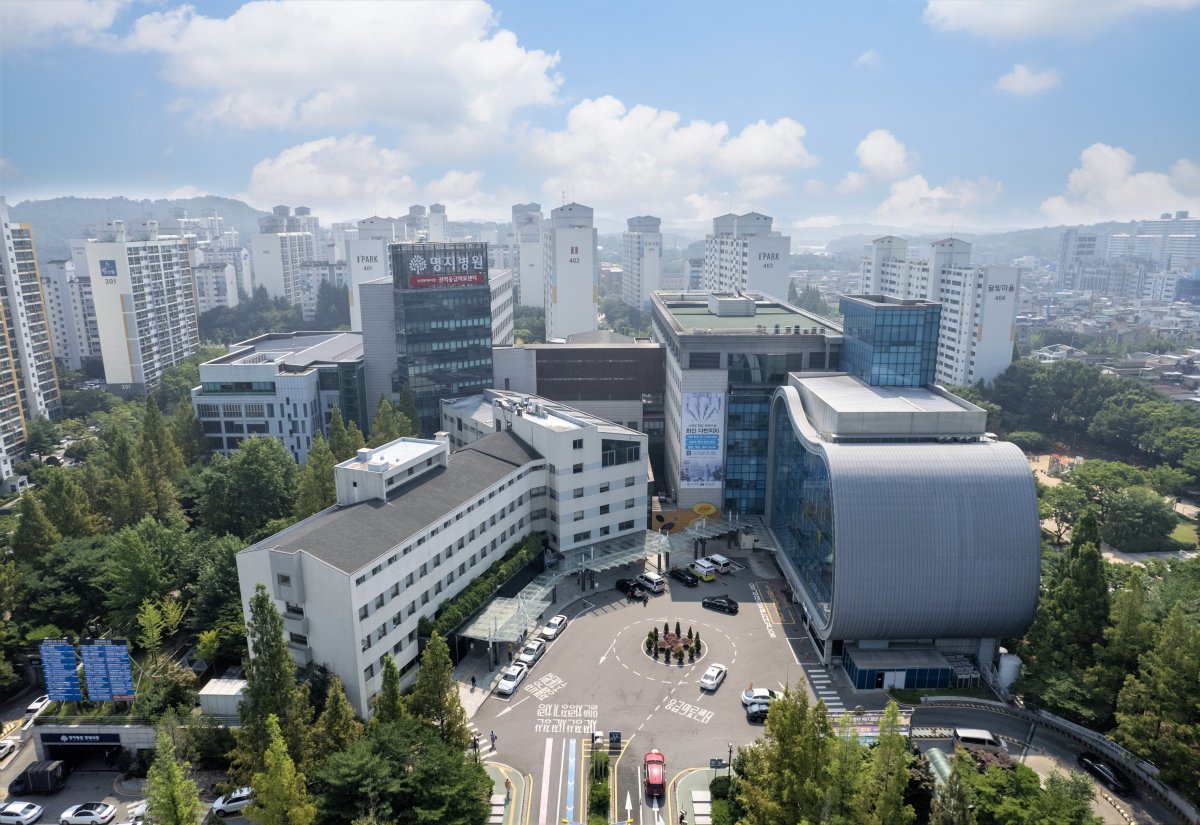










Descripción general de Inmunoterapia para el cáncer de pulmón. en Corea del Sur
- Terapia biológica - de $6,500Esta terapia utiliza organismos vivos para tratar enfermedades estimulando el propio sistema inmunológico del cuerpo.
- Inmunoterapia - de $9,000Esta terapia potencia las defensas naturales del organismo para combatir enfermedades como el cáncer, acarreando menos efectos secundarios.
- Terapia con el bacilo de Calmette-Guérin (BCG) - de $2,500Esta terapia, que emplea una vacuna contra la tuberculosis, ayuda en el tratamiento del cáncer de vejiga mediante la inserción directa en la vejiga.
- Inmunoterapia con Keytruda (Pembolizumab) - de $5,200La terapia es un tratamiento que potencia el sistema inmunitario del organismo para combatir el cáncer, utilizando un fármaco altamente dirigido y eficaz.
- Inmunoterapia para el cáncer de próstata. - de $12,000Esta terapia estimula el sistema inmunitario del cuerpo para luchar contra el cáncer de próstata, ofreciendo un tratamiento específico y generalmente bien tolerado.
- Inmunoterapia para el cáncer de pulmón. - de $9,000Esta terapia potencia las defensas naturales de tu organismo para combatir el cáncer de pulmón, utilizando sustancias elaboradas por el propio organismo.
- Inmunoterapia para el cáncer de mama - de $14,000Esta terapia estimula su sistema inmunológico para combatir y erradicar las células de cáncer de mama de manera efectiva.
- Inmunoterapia para el cáncer de riñón - de $9,000Esta terapia estimula las defensas naturales del organismo, a menudo prolongando la vida de los pacientes con cáncer de riñón.
Día 1 - Llegada
- Llegada a la clínica y check-in en recepción.
- Conozca al coordinador de pacientes para un recorrido por el hospital.
- Instálese en la habitación del paciente proporcionada.
Día 2 - Preoperatorio
- Reúnase con un oncólogo para una consulta detallada.
- Realice las pruebas médicas necesarias, incluido el análisis de sangre.
- Hágase una tomografía computarizada o una tomografía por emisión de positrones si es necesario.
- Reúnase con una enfermera para discutir el plan de tratamiento.
Día 3 - Inmunoterapia
- Tome una comida ligera antes del procedimiento.
- Recibir inmunoterapia, que dura alrededor de 2-3 horas.
- Descanse en su habitación bajo supervisión médica.
Día 4 - Postoperatorio
- Reúnase con un médico para discutir los efectos del tratamiento.
- Permanezca en el hospital para observación si es necesario.
Semana 1 - Rehabilitación
- Inicie actividades físicas ligeras como caminar.
- Continúe con una dieta saludable para apoyar la recuperación.
Semana 2 - Rehabilitación
- Regrese al trabajo si se siente bien.
- Continúe con las citas regulares de seguimiento.
Tenga en cuenta que el viaje de cada paciente es único y puede variar. Siga siempre los consejos específicos proporcionados por su equipo médico.
- Depósito de Bookimed: 200 $ o 200 €.
- Depósito de la clínica: Pague un porcentaje fijo por adelantado.
Historias en video de pacientes de Bookimed
Reseñas
Todas las reseñasCompartir contenido
 Olena Sikoza
Preguntas frecuentes sobre Inmunoterapia para el cáncer de pulmón. en Corea del Sur
¿Necesito una visa para Corea del Sur?
Hasta la fecha, Corea del Sur tiene acuerdos sin visado con 112 estados . No se requiere visa para estadías de menos de 90 días. Para permanecer más tiempo en este país, necesita una visa. Qué estados necesitan una visa para el tratamiento en Corea del Sur y qué países pueden cruzar las fronteras de forma gratuita y fácil de leer aquí .
¿Cuál es el nivel de la medicina en Corea del Sur?
El cuidado de la salud es un sector de desarrollo clave del gobierno coreano. Las autoridades coreanas están convencidas de que el cuidado de la salud de los ciudadanos debe ser una prioridad incondicional de la política estatal, y anualmente gastan alrededor de mil millones de dólares para atraer turistas médicos.
Según Mark Britnell , los hospitales dominan el sistema de salud. El 94% de los hospitales son de propiedad privada.
¿Cuáles son las cirugías plásticas más populares?
Según las estadísticas de la ASPS , en 2018 se realizaron 17,7 millones de cirugías estéticas y 5,8 millones de procedimientos reconstructivos. Los procedimientos cosméticos más populares incluyen:
- aumento de senos
- liposucción
- rinoplastia (cirugía de nariz)
- cirugía de párpado
- Abdominoplastia.
La extirpación de tumores, la cicatrización de desgarros, la cirugía maxilofacial, la revisión de cicatrices, la cirugía de la mano son las operaciones más comunes en el contexto de la cirugía reconstructiva.
¿Qué documentos se requieren para solicitar una visa a Corea del Sur para recibir tratamiento?
Las visas para viajar a Corea del Sur requieren una serie de documentos . La documentación necesaria se puede presentar 90 días antes de la salida prevista. La lista de documentos incluye:
- tarjeta de identificación
- confirmación del registro en línea y llenado del cuestionario
- certificado de ingresos y disponibilidad de fondos
- póliza de seguro de estancia en Corea del Sur (original y copia)
- 2 fotos (5x6)
- obtener una visa
- reserva de vuelos y hoteles
- opinión del médico sobre la necesidad de tratamiento.
¿Qué necesitas saber sobre Corea del Sur antes de viajar?
Moneda | Won surcoreano (el pago de los servicios también es posible en dólares) |
Mejor época para viajar | Abril, mayo y junio o septiembre, octubre y noviembre. |
Idioma | Coreano (la mayoría del personal médico habla inglés con fluidez) |
Visa | no requerido para estadías de hasta 90 días o menos |
Diferencia horaria con Europa | 9:00 |
Diferencia horaria de Estados Unidos | 9:00 |
Capital | Seúl |
Centro de Turismo Médico | seúl |
Estaciones populares | Gangwon-do, Gyeongju, Boseong, Jeju |
¿Qué servicios hoteleros se brindan aquí?
En Corea del Sur , hay hoteles de diferentes rangos de precios y niveles de servicio. La mayoría de los turistas eligen hoteles de 4 y 5 estrellas con régimen de todo incluido. Dichos hoteles tienen todo para una estancia confortable: comida variada, amplio territorio bien cuidado, animación para niños y adultos. Algunos hoteles tienen su propio parque acuático, que los huéspedes pueden utilizar de forma gratuita. Los viajeros con poco presupuesto pueden permitirse reservar un hotel económico de 3 estrellas con media pensión o sin comidas.