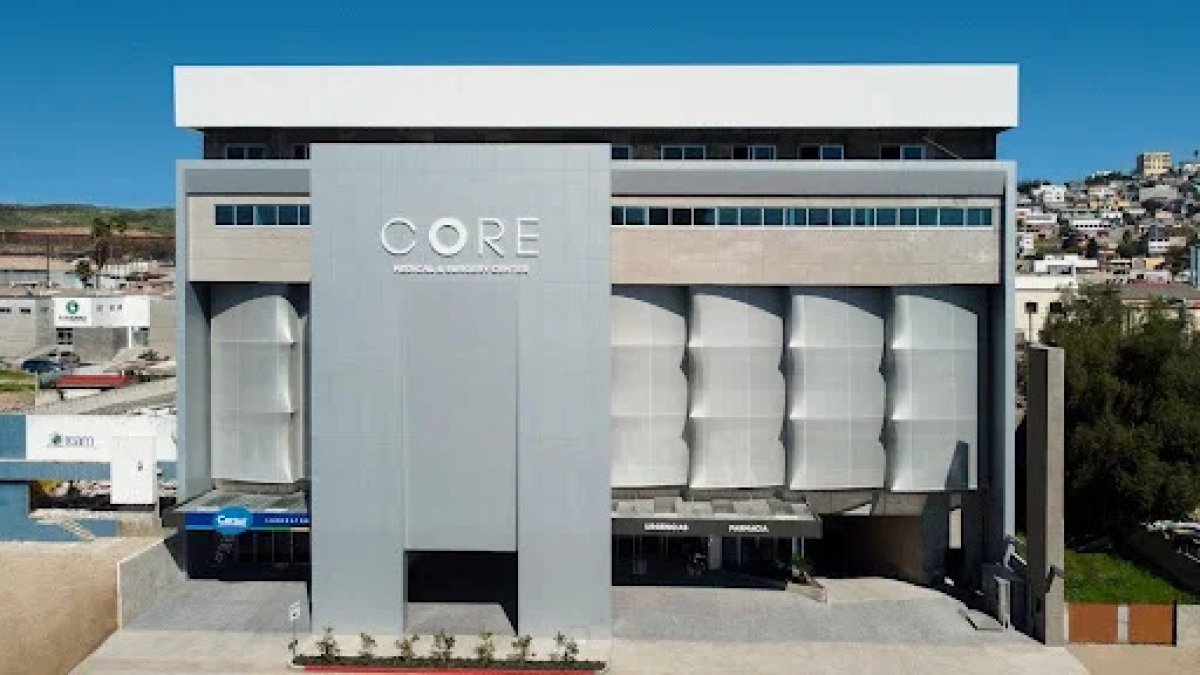
Hospital de la Familia
México, Mexicali
Juan Bustamante
38 años de experiencia

Clínica certificada por : 



Revisado médicamente por
Fahad Mawlood
El costo de la artroplastia de hombro en México suele estar desde $15,500 hasta $23,000. Los precios varían según el hospital, la experiencia del cirujano, la marca del implante (como Zimmer Biomet o DePuy) y si se requiere un reemplazo total o parcial. UU.
Los hospitales mexicanos suelen incluir en el precio las pruebas preoperatorias, anestesia general, implantes de alta calidad, varios días de hospitalización, medicamentos y la terapia física inicial. En EE. UU., es común que se facture por separado la anestesia, los implantes, la estancia hospitalaria y la rehabilitación. Siempre confirmar exactamente qué está incluido con la clínica elegida.
| España | Turquía | México | |
|---|---|---|---|
| Reemplazo de hombro | de $18,500 | de $7,000 | ≈ $15,500 |
| Tratamiento conservador de la luxación habitual del hombro | ≈ $900 | ≈ $450 | de $4,000 |
| Reparación de Bankart | ≈ $5,200 | de $6,000 | ≈ $5,500 |
| Cirugía de reparación del manguito rotador | de $17,000 | de $3,600 | de $8,800 |
Bookimed no añade cargos adicionales a los precios de Reemplazo de hombro. Las tarifas proceden de las listas de precios oficiales de las clínicas. Pagará directamente en la clínica por su Reemplazo de hombro a su llegada al país.
Bookimed está comprometido con su seguridad. Solo trabajamos con las clínicas que mantienen altos estándares internacionales en Reemplazo de hombro y tienen las licencias necesarias para atender a pacientes internacionales en todo el mundo.
Bookimed ofrece asistencia experta gratuita. Un coordinador médico personal le apoya antes, durante y después del tratamiento, resolviendo cualquier problema. Nunca estará solo en su viaje médico de Reemplazo de hombro.

Día 1: Llegada y Pre-Operación
Día 2: reemplazo de hombro
Día 3-7: Postoperatorio y Estancia en el Hospital
Semana 1-6: Rehabilitación
Semana 6-12: Regreso a las actividades normales
Tenga en cuenta: el cronograma de recuperación de cada paciente puede variar según las condiciones de salud y el progreso individuales.
El doctor es un distinguido Cirujano Ortopédico con más de 35 años de experiencia, especializado en ortopedia, traumatología y medicina deportiva. Ha sido miembro activo de varias sociedades profesionales, incluyendo la Sociedad de Ortopedia, la Sociedad Latinoamericana de Ortopedia y Traumatología, y la Academia Americana de Cirujanos Ortopédicos. Su trayectoria académica comenzó en la Universidad Autónoma de México, seguida de una formación especializada en ortopedia y medicina deportiva ta
 Olena Sikoza
El reemplazo de hombro en México es seguro cuando lo realizan cirujanos certificados por el Consejo Mexicano de Ortopedia y Traumatología (CMOT). Las instalaciones de alto nivel en ciudades como Guadalajara y Mexicali utilizan implantes aprobados por la FDA y mantienen protocolos de seguridad que arrojan tasas de éxito de alrededor del 90%.
Perspectiva de expertos de Bookimed: Los datos muestran una brecha de calidad entre las clínicas fronterizas y los centros de alta gama como Guadalajara o Monterrey. Instalaciones como el Hospital de la Familia en Mexicali brindan seguridad de estilo boutique cerca de la frontera. Sin embargo, los pacientes que buscan una cirugía avanzada asistida por robot deben dirigirse a Monterrey para obtener estándares que coincidan con los principal
Para verificar a un cirujano ortopédico mexicano, confirme que posee dos licencias gubernamentales principales (Cédulas Profesionales) para medicina general y la especialidad de ortopedia. Asegúrese de que mantenga una certificación activa con el Consejo Mexicano de Ortopedia y Traumatología (CMOT) y que tenga privilegios en instalaciones quirúrgicas acreditadas.
Perspectiva de expertos de Bookimed: Aunque muchos se centran en los números de licencia, la afiliación hospitalaria es el filtro secundario más fuerte. Instalaciones como el Hospital de la Familia en Mexicali se someten a la acreditación del CSG, que implica una evaluación rigurosa de todos los cirujanos del personal. Elegir a un cirujano en un hospital de mayor rango a menudo garantiza que ya ha superado los protocolos de seguridad institucional y revisión por
México ofrece reemplazos de hombro totales, inversos y parciales avanzados realizados por cirujanos ortopédicos certificados. Las clínicas utilizan implantes aprobados por la FDA de marcas como Zimmer Biomet y Exactech. Estos procedimientos están ampliamente disponibles en centros médicos que incluyen Tijuana, Mexicali y Guadalajara para el tratamiento de la osteoartritis o desgarros del manguito rotador.
Perspectiva del experto de Bookimed: Si bien las instalaciones de primer nivel como el Hospital de la Familia cuentan con la acreditación CSG, el verdadero diferenciador es la transparencia de los implantes. Los cirujanos mexicanos líderes ahora utilizan componentes personalizados impresos en 3D para casos de revisión complejos. Esta tecnología proporciona una coincidencia anatómica que supera las opciones de implantes está
La recuperación de un reemplazo de hombro en México sigue un cronograma estructurado de 6 a 12 meses. La fisioterapia comienza dentro de las 24 horas para prevenir la rigidez. Los pacientes generalmente logran una movilidad casi completa para el tercer mes, mientras que la integración ósea completa y la fuerza para actividades pesadas suelen requerir de 6 a 9 meses de rehabilitación.
Perspectiva del experto de Bookimed: Mientras que los protocolos de EE. UU. a menudo retrasan la fisioterapia intensiva, los centros ortopédicos mexicanos como el Hospital de la Familia inician frecuentemente el movimiento pasivo el primer día postoperatorio. Esta movilización temprana es una respuesta estratégica al modelo de turismo médico. Asegura que los pacientes internacionales alcancen una movilidad base estable antes de volar a casa, lo que reduce significativamente e
Los reemplazos de hombro modernos demuestran altas tasas de éxito, con aproximadamente el 90% al 95% de los implantes funcionando eficazmente después de 20 años. La mayoría de las prótesis contemporáneas duran entre 15 y 25 años. El éxito se define principalmente por un alivio significativo del dolor y la restauración de la movilidad para las actividades diarias en instalaciones mexicanas acreditadas por la JCI.
Perspectiva del experto de Bookimed: Los datos de los pacientes muestran que la experiencia del cirujano en las tasas de revisión es más crítica que la marca del implante en sí. En México, clínicas como el Hospital de la Familia utilizan estándares acreditados por el CSG para garantizar resultados de alta calidad. Si bien el 95% de los pacientes informan un excelente alivio del dolor, solo el 65% recupera el rango completo de movimiento. Elegir a
Los pacientes que se someten a un reemplazo de hombro en México generalmente permanecen de 10 a 14 días antes de volar a casa. Este período permite a los cirujanos controlar la aparición de coágulos sanguíneos, controlar la hinchazón y completar la fisioterapia inicial. Esto garantiza que los pacientes alcancen hitos críticos de recuperación y reciban una autorización formal para volar.
Perspectiva del experto de Bookimed: Los datos de coordinación muestran que instalaciones como el Hospital de la Familia en Mexicali se benefician de su proximidad a la frontera. Los pacientes a menudo eligen estas ubicaciones porque pueden hacer la transición a la fisioterapia en los EE. UU. más rápidamente. Sin embargo, incluso para distancias cortas, los cirujanos exigen una estancia mínima de 7 días para controlar los tubos de drenaje.
Consenso de los pacientes:
El personal médico en los hospitales privados mexicanos habla frecuentemente inglés fluido, especialmente los cirujanos y los administradores superiores. El dominio del idioma sigue siendo más alto en los centros de turismo médico como Tijuana y Mexicali. Muchos especialistas poseen certificaciones estadounidenses o han completado becas en los Estados Unidos, Europa o Canadá.
Perspectiva del experto de Bookimed: Aunque los médicos muestran un alto dominio, a menudo surgen brechas de comunicación durante la atención postoperatoria o la fisioterapia. Los datos sugieren elegir clínicas con acreditación CSG del Consejo de Salubridad General de México. Estas instalaciones generalmente proporcionan coordinadores bilingües dedicados para cerrar la brecha lingüística entre los pacientes y el personal de enfermería.
Consenso de los pacientes: Mucho