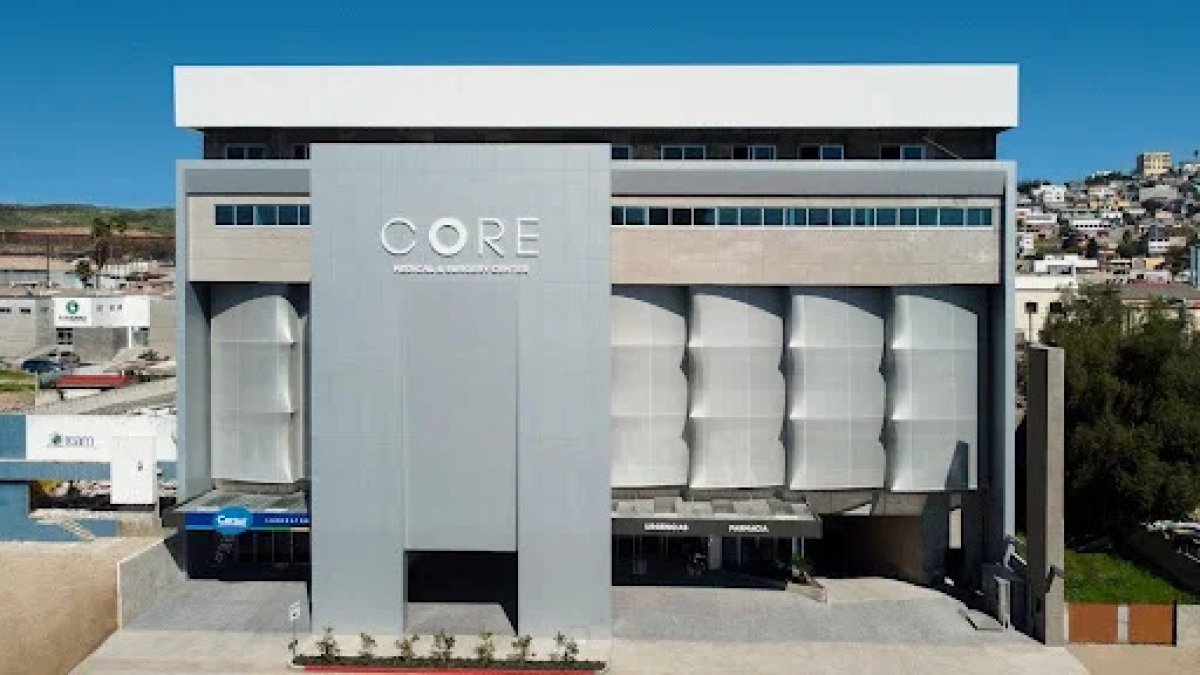
Hospital de la Familia
México, Mexicali
Juan Bustamante
38 años de experiencia

Clínica certificada por : 



Revisado médicamente por
Fahad Mawlood
De $8,800. Los precios pueden variar según la clínica, la experiencia del cirujano, si el procedimiento es artroscópico o abierto, y la complejidad de la lesión. UU.
Las clínicas mexicanas generalmente incluyen en el precio los honorarios del cirujano, la anestesia, la estancia hospitalaria, los materiales quirúrgicos y el seguimiento postoperatorio inicial. En EE. UU., los costos de anestesia, hospital y fisioterapia suelen facturarse por separado de los honorarios del cirujano. Se debe confirmar exactamente qué está incluido con cada clínica antes de reservar.
| España | Turquía | México | |
|---|---|---|---|
| Cirugía de reparación del manguito rotador | de $17,000 | de $3,600 | de $8,800 |
Bookimed no añade cargos adicionales a los precios de Cirugía de reparación del manguito rotador. Las tarifas proceden de las listas de precios oficiales de las clínicas. Pagará directamente en la clínica por su Cirugía de reparación del manguito rotador a su llegada al país.
Bookimed está comprometido con su seguridad. Solo trabajamos con las clínicas que mantienen altos estándares internacionales en Cirugía de reparación del manguito rotador y tienen las licencias necesarias para atender a pacientes internacionales en todo el mundo.
Bookimed ofrece asistencia experta gratuita. Un coordinador médico personal le apoya antes, durante y después del tratamiento, resolviendo cualquier problema. Nunca estará solo en su viaje médico de Cirugía de reparación del manguito rotador.

Día 1 - Llegada
Día 2 - Preoperatorio
Día 3 - Cirugía
Día 4 a 7 - Postoperatorio
Semana 1-2 - Rehabilitación
Semana 3-6 - Rehabilitación
Semana 7 en adelante - Rehabilitación
Tenga en cuenta que el cronograma de recuperación de cada paciente puede variar según las circunstancias individuales.
El doctor es un distinguido Cirujano Ortopédico con más de 35 años de experiencia, especializado en ortopedia, traumatología y medicina deportiva. Ha sido miembro activo de varias sociedades profesionales, incluyendo la Sociedad de Ortopedia, la Sociedad Latinoamericana de Ortopedia y Traumatología, y la Academia Americana de Cirujanos Ortopédicos. Su trayectoria académica comenzó en la Universidad Autónoma de México, seguida de una formación especializada en ortopedia y medicina deportiva ta
 Olena Sikoza
Los cirujanos ortopédicos y los hospitales en México son seguros y están cualificados si selecciona especialistas certificados por el Consejo Mexicano de Ortopedia y Traumatología (CMOT). Los principales hospitales privados mantienen la acreditación JCI o la certificación CSG, lo que garantiza que los protocolos de seguridad clínica coincidan con los estándares encontrados en los Estados Unidos.
Perspectiva de expertos de Bookimed: El análisis de los datos clínicos muestra que la elección de la ubicación afecta la infraestructura de seguridad. Hospitales como el Hospital de la Familia en Mexicali proporcionan entornos quirúrgicos acreditados por el CSG a poca distancia de la frontera con EE. UU. Esta proximidad simplifica la logística posto
Los cirujanos ortopédicos en México utilizan principalmente la reparación artroscópica, una técnica mínimamente invasiva que implica pequeñas incisiones y cámaras especializadas. Para desgarros complejos o grandes, los especialistas ofrecen reparaciones mini-abiertas o abiertas tradicionales. Algunos pacientes con desgarros masivos y artritis pueden someterse a una artroplastia total de hombro invertida para restaurar la función.
Perspectiva de expertos de Bookimed: Aunque la reparación artroscópica es el estándar de oro, muchas clínicas mexicanas de alto volumen como el Hospital de la Familia utilizan instalaciones acreditadas por el CSG para manejar reconstrucciones abiertas complejas. Nuestros datos muestran que los principales centros cerca de la frontera a menudo utilizan los mismos sistemas de anclaje de sutura q
Las tasas de éxito de la reparación del manguito rotador en México oscilan entre el 80% y el 90% para desgarros pequeños a medianos. Los resultados se alinean con los estándares internacionales cuando se realizan en centros certificados por el Consejo de Salubridad General (CSG). El éxito clínico se define por el alivio del dolor y la restauración de la movilidad del hombro.
Perspectiva de expertos de Bookimed: La proximidad a la frontera afecta significativamente la continuidad de la atención. Clínicas como el Hospital de la Familia en Mexicali se encuentran a pasos de la frontera con California. Esto permite a los pacientes cruzar fácilmente para los seguimientos iniciales. Elegir clínicas en ciudades fronterizas simplifica el período de monitoreo po
La recuperación del manguito rotador en México suele durar de 6 a 12 meses para una restauración funcional completa. Los pacientes utilizan un cabestrillo de abducción durante las primeras 6 semanas para proteger el injerto. La curación inicial se centra en el movimiento pasivo, seguido de fortalecimiento y fisioterapia avanzada.
Perspectiva del experto de Bookimed: Si bien clínicas como el Hospital de la Familia ofrecen atención de alta calidad acreditada por el CSG, el éxito depende de la rehabilitación posterior al viaje. Nuestros datos muestran que los pacientes que organizan fisioterapia en casa antes de partir hacia México se recuperan más rápido. La transición del protocolo quirúrgico
La mayoría de los pacientes deben permanecer en México de 7 a 14 días después de una reparación del manguito rotador. Este período permite a los cirujanos monitorear la cicatrización inicial, controlar el dolor postoperatorio y realizar el primer cambio de vendaje. Los procedimientos ortopédicos requieren estabilización para prevenir la trombosis venosa profunda y la hinchazón inducida por la altitud durante los vuelos.
Perspectiva del experto de Bookimed: Aunque muchos piensan que la cirugía es la parte difícil, el viaje de regreso suele ser el verdadero punto crítico. Clínicas como el Hospital de la Familia en Mexicali están situadas justo en la frontera con Estados Unidos. Est
Elegir ciudades fronterizas específicas como Mexicali para la reparación del manguito rotador ofrece ventajas logísticas como la reducción del tiempo de viaje después de la anestesia y la proximidad inmediata a los Estados Unidos. Instalaciones como el Hospital de la Familia se encuentran a pasos de la frontera de Calexico, lo que minimiza el esfuerzo físico y facilita el regreso de los pacientes internacionales.
Perspectiva del experto de Bookimed: El beneficio más significativo es la naturaleza boutique de las clínicas fronterizas como el Hospital de la Familia. Con solo 32 habitaciones privadas, estas instalaciones priorizan la coordinación postoperatoria rápida. Este entorno garantiza que reciba atención perso