Inmunoterapia para el cáncer de riñón en Corea del Sur: las 6 mejores clínicas y sus precios


Revisado médicamente por
Fahad Mawlood
¿Cuál es el precio de Inmunoterapia para el cáncer de riñón en Corea del Sur? Descubra ahora
Immunotherapy for kidney cancer in the Republic of Korea typically costs from $9,000 to $20,000. The final price depends on the specific drug agent, dosage, and cancer stage. Costs usually cover medical consultations, treatment support, and initial diagnostics.
- Specific drug agents: Prices vary significantly between different checkpoint inhibitors such as pembrolizumab or nivolumab.
- Facility tier: Premium university hospitals in Seoul often cost 15-20% more than regional centers.
- Cancer stage: Advanced metastatic cases require higher dosages and more frequent cycles, increasing total costs.
- Medical hubs: Most international oncology care is concentrated in Seoul, Goyang, and Bundang.
Bookimed Expert Insight: Choosing high-volume centers like Severance Hospital or SNUH offers exceptional value. These facilities partner with top US institutions like MD Anderson. Seoul National University Hospital even reports breast cancer survival rates exceeding US averages. Gangnam Severance Hospital provides free interpreters and airport transfers for bills over $4,400. This makes premium Seoul-based care surprisingly accessible for international patients.
Sus beneficios y garantías con Bookimed
Precios directos
Bookimed no añade cargos adicionales a los precios de Inmunoterapia para el cáncer de riñón. Las tarifas proceden de las listas de precios oficiales de las clínicas. Pagará directamente en la clínica por su Inmunoterapia para el cáncer de riñón a su llegada al país.
Sólo clínicas y médicos verificados
Bookimed está comprometido con su seguridad. Solo trabajamos con las clínicas que mantienen altos estándares internacionales en Inmunoterapia para el cáncer de riñón y tienen las licencias necesarias para atender a pacientes internacionales en todo el mundo.
Asistencia 24/7 gratuita
Bookimed ofrece asistencia experta gratuita. Un coordinador médico personal le apoya antes, durante y después del tratamiento, resolviendo cualquier problema. Nunca estará solo en su viaje médico de Inmunoterapia para el cáncer de riñón.

Su coordinador médico personal de Bookimed
- Le apoya en cada etapa
- Ayuda a elegir la clínica y el médico adecuados
- Asegura un acceso rápido y conveniente a la información
Descubra las mejores clínicas de Inmunoterapia para el cáncer de riñón en Corea del Sur: 6 opciones verificadas y Precios
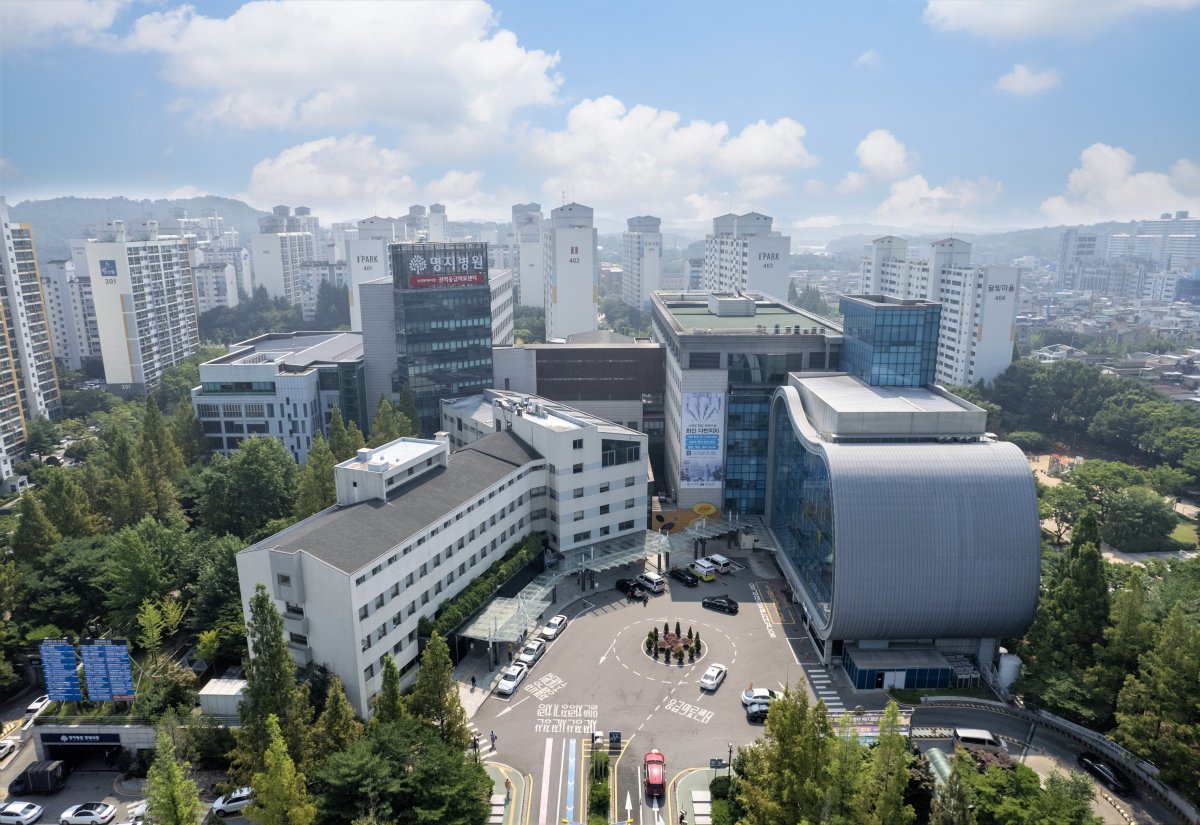











Descripción general de Inmunoterapia para el cáncer de riñón en Corea del Sur
- Terapia biológica - de $6,500Esta terapia utiliza organismos vivos para tratar enfermedades estimulando el propio sistema inmunológico del cuerpo.
- Inmunoterapia - de $9,000Esta terapia potencia las defensas naturales del organismo para combatir enfermedades como el cáncer, acarreando menos efectos secundarios.
- Terapia con el bacilo de Calmette-Guérin (BCG) - de $2,500Esta terapia, que emplea una vacuna contra la tuberculosis, ayuda en el tratamiento del cáncer de vejiga mediante la inserción directa en la vejiga.
- Inmunoterapia con Keytruda (Pembolizumab) - de $5,200La terapia es un tratamiento que potencia el sistema inmunitario del organismo para combatir el cáncer, utilizando un fármaco altamente dirigido y eficaz.
- Inmunoterapia para el cáncer de próstata. - de $12,000Esta terapia estimula el sistema inmunitario del cuerpo para luchar contra el cáncer de próstata, ofreciendo un tratamiento específico y generalmente bien tolerado.
- Inmunoterapia para el cáncer de pulmón. - de $9,000Esta terapia potencia las defensas naturales de tu organismo para combatir el cáncer de pulmón, utilizando sustancias elaboradas por el propio organismo.
- Inmunoterapia para el cáncer de mama - de $14,000Esta terapia estimula su sistema inmunológico para combatir y erradicar las células de cáncer de mama de manera efectiva.
- Inmunoterapia para el cáncer de riñón - de $9,000Esta terapia estimula las defensas naturales del organismo, a menudo prolongando la vida de los pacientes con cáncer de riñón.
Día 1
- Llegar al centro de salud.
- Consulta con especialistas en oncología.
- Realizar pruebas médicas previas a la inmunoterapia.
Dia 2
- Recibir resultados de exámenes médicos.
- Discutir el plan de tratamiento con el oncólogo.
Día 3
- Comenzar inmunoterapia para el cáncer de riñón.
- El tratamiento suele durar varias horas.
- No se requiere anestesia para este procedimiento.
Día 4
- Descanse y permita que el cuerpo se adapte al tratamiento.
Dia 5
- Consulte con el oncólogo para monitorear el progreso.
- Planifique el próximo curso de tratamiento si es necesario.
Semana 2-8
- Continúe con la inmunoterapia según las instrucciones del oncólogo.
- Consultas regulares con el oncólogo para monitorear el progreso.
Semana 9
- Evaluar la respuesta global a la inmunoterapia.
- Discuta otras opciones de tratamiento si es necesario.
semana 10
- Regreso gradual al trabajo y actividades normales.
- Continúe monitoreando la salud e informe cualquier cambio.
Tenga en cuenta que el viaje de cada paciente con la inmunoterapia para el cáncer de riñón puede variar. Su equipo de atención médica le proporcionará un plan de tratamiento basado en su condición y necesidades específicas.
- Depósito de Bookimed: 200 $ o 200 €.
- Depósito de la clínica: Pague un porcentaje fijo por adelantado.
Historias en video de pacientes de Bookimed
Reseñas
Todas las reseñasCompartir contenido
 Olena Sikoza
Preguntas frecuentes sobre Inmunoterapia para el cáncer de riñón en Corea del Sur
¿Necesito una visa para Corea del Sur?
Hasta la fecha, Corea del Sur tiene acuerdos sin visado con 112 estados . No se requiere visa para estadías de menos de 90 días. Para permanecer más tiempo en este país, necesita una visa. Qué estados necesitan una visa para el tratamiento en Corea del Sur y qué países pueden cruzar las fronteras de forma gratuita y fácil de leer aquí .
¿Cuál es el nivel de la medicina en Corea del Sur?
El cuidado de la salud es un sector de desarrollo clave del gobierno coreano. Las autoridades coreanas están convencidas de que el cuidado de la salud de los ciudadanos debe ser una prioridad incondicional de la política estatal, y anualmente gastan alrededor de mil millones de dólares para atraer turistas médicos.
Según Mark Britnell , los hospitales dominan el sistema de salud. El 94% de los hospitales son de propiedad privada.
¿Cuáles son las cirugías plásticas más populares?
Según las estadísticas de la ASPS , en 2018 se realizaron 17,7 millones de cirugías estéticas y 5,8 millones de procedimientos reconstructivos. Los procedimientos cosméticos más populares incluyen:
- aumento de senos
- liposucción
- rinoplastia (cirugía de nariz)
- cirugía de párpado
- Abdominoplastia.
La extirpación de tumores, la cicatrización de desgarros, la cirugía maxilofacial, la revisión de cicatrices, la cirugía de la mano son las operaciones más comunes en el contexto de la cirugía reconstructiva.
¿Qué documentos se requieren para solicitar una visa a Corea del Sur para recibir tratamiento?
Las visas para viajar a Corea del Sur requieren una serie de documentos . La documentación necesaria se puede presentar 90 días antes de la salida prevista. La lista de documentos incluye:
- tarjeta de identificación
- confirmación del registro en línea y llenado del cuestionario
- certificado de ingresos y disponibilidad de fondos
- póliza de seguro de estancia en Corea del Sur (original y copia)
- 2 fotos (5x6)
- obtener una visa
- reserva de vuelos y hoteles
- opinión del médico sobre la necesidad de tratamiento.
¿Qué necesitas saber sobre Corea del Sur antes de viajar?
Moneda | Won surcoreano (el pago de los servicios también es posible en dólares) |
Mejor época para viajar | Abril, mayo y junio o septiembre, octubre y noviembre. |
Idioma | Coreano (la mayoría del personal médico habla inglés con fluidez) |
Visa | no requerido para estadías de hasta 90 días o menos |
Diferencia horaria con Europa | 9:00 |
Diferencia horaria de Estados Unidos | 9:00 |
Capital | Seúl |
Centro de Turismo Médico | seúl |
Estaciones populares | Gangwon-do, Gyeongju, Boseong, Jeju |
¿Qué servicios hoteleros se brindan aquí?
En Corea del Sur , hay hoteles de diferentes rangos de precios y niveles de servicio. La mayoría de los turistas eligen hoteles de 4 y 5 estrellas con régimen de todo incluido. Dichos hoteles tienen todo para una estancia confortable: comida variada, amplio territorio bien cuidado, animación para niños y adultos. Algunos hoteles tienen su propio parque acuático, que los huéspedes pueden utilizar de forma gratuita. Los viajeros con poco presupuesto pueden permitirse reservar un hotel económico de 3 estrellas con media pensión o sin comidas.