Hueso navicular accesorio en España: clínica verificada para su tratamiento


Revisado médicamente por
Fahad Mawlood
¿Cuál es el precio del diagnóstico y los tratamientos de Hueso navicular accesorio en España? Descubra ahora
Sus beneficios y garantías con Bookimed
Precios directos
Bookimed no añade cargos extra a los precios de los tratamientos de Hueso navicular accesorio. Las tarifas proceden de las listas de precios oficiales de las clínicas. Pagará directamente en la clínica por su tratamiento a su llegada al país.
Sólo clínicas y médicos verificados
Bookimed está comprometido con su seguridad. Solo trabajamos con las clínicas que mantienen altos estándares internacionales en el tratamiento de Hueso navicular accesorio y cuentan con las licencias necesarias para atender a pacientes internacionales en todo el mundo.
Asistencia 24/7 gratuita
Bookimed ofrece asistencia experta gratuita. Un coordinador médico personal le apoya antes, durante y después de su tratamiento, resolviendo cualquier problema. Nunca estará solo en su viaje médico de tratamiento de Hueso navicular accesorio.

Su coordinador médico personal de Bookimed
- Le apoya en cada etapa
- Ayuda a elegir la clínica y el médico adecuados
- Asegura un acceso rápido y conveniente a la información
Descubra las mejores clínicas de tratamiento de Hueso navicular accesorio en España: 1 opciones verificadas y Precios
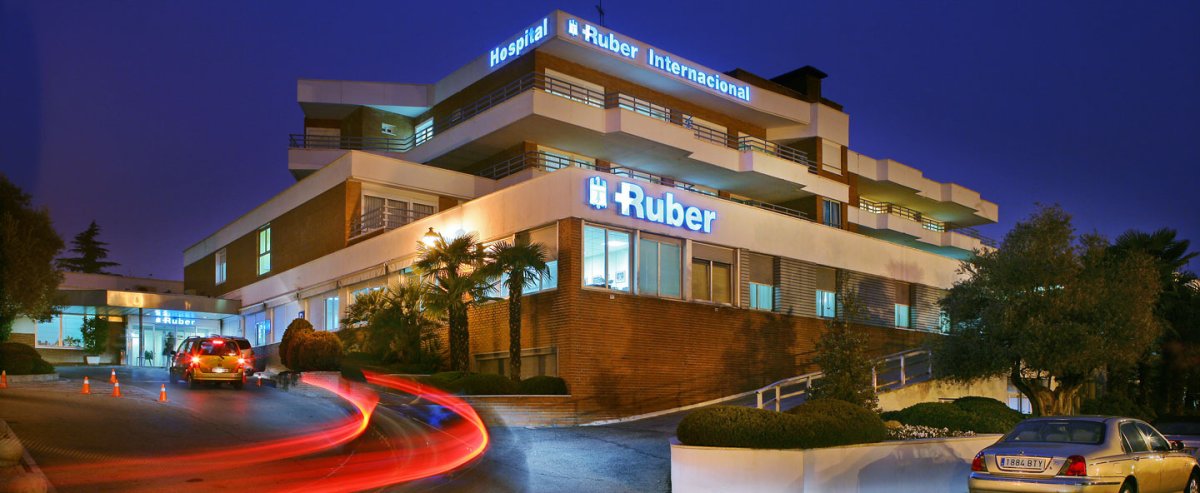


Obtenga una evaluación médica para Hueso navicular accesorio en España: consulte con doctores experimentados ahora
Ver todos los médicos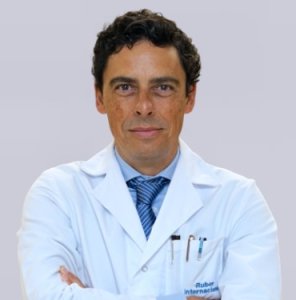
Pablo De La Cuadra
El Dr. Pablo de la Cuadra (Pablo Cuadra de la Virgili) es cirujano ortopédico y traumatólogo en Madrid. Está especializado en lesiones deportivas y cirugía de hombro en el Hospital Ruber Internacional, donde ejerce desde 1999. Cuenta con más de 25 años de experiencia. Dirige una unidad multidisciplinar y un equipo especializado en traumatología. Es un experto reconocido en trastornos complejos del hombro y utiliza técnicas artroscópicas y reconstructivas avanzadas para la inestabilidad y las
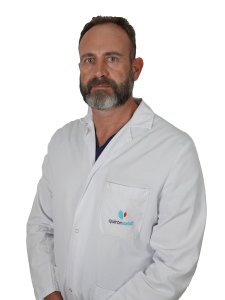
Néstor Antonio Zurita Uroz
El doctor es un especialista de gran prestigio en Cirugía Ortopédica y Traumatología, que actualmente ejerce como Jefe del Departamento de Traumatología en el Hospital Quirónsalud Torrevieja. Con un Doctorado en Medicina y Cirugía, el doctor posee una amplia experiencia en traumatología deportiva, cirugía de rodilla y hombro, y técnicas artroscópicas mínimamente invasivas. El doctor ha prestado atención médica al Equipo Nacional Español de Natación desde 1996 y es editor de la revista europea
Compartir contenido
Historias en video de pacientes de Bookimed
 Olena Sikoza
Preguntas frecuentes sobre el tratamiento de Hueso navicular accesorio en España
¿Cuándo es necesaria la cirugía y qué procedimiento se utiliza habitualmente en España para el escafoides accesorio?
La cirugía para un escafoides accesorio es necesaria cuando los tratamientos conservadores como las ortesis o la fisioterapia no logran resolver el dolor crónico. En España, los cirujanos realizan habitualmente el procedimiento de Kidner. Esta técnica consiste en extirpar el hueso adicional y volver a insertar el tendón tibial posterior para restaurar la función del pie.
- Motivos quirúrgicos: Dolor persistente, hinchazón y movilidad limitada a pesar de meses de cuidados no quirúrgicos.
- Técnica estándar: El procedimiento de Kidner desprende el hueso adicional para eliminar la prominencia dolorosa.
- Reinserción tendinosa: Los cirujanos redirigen el tendón tibial posterior al hueso escafoides principal.
- Enfoque modificado: Las variantes mínimamente invasivas permiten una recuperación más rápida al alisar el hueso sin necesidad de un desprendimiento completo.
Perspectiva del experto de Bookimed: El Hospital Ruber Internacional realiza más de 6.000 cirugías al año dentro de un marco acreditado por la JCI. Los datos muestran que especialistas como el Dr. Pablo De La Cuadra se centran en la traumatología artroscópica y mínimamente invasiva. Estas técnicas suelen reducir el periodo de inmovilización en comparación con las cirugías abiertas tradicionales. Elegir un centro con un alto volumen quirúrgico garantiza el acceso a tecnologías refinadas d
¿Cuál es el cronograma típico de recuperación después de una cirugía de hueso navicular accesorio en España?
La recuperación después de una cirugía de hueso navicular accesorio en España suele durar de 3 a 6 meses. Los pacientes pasan las primeras 2 semanas con un yeso sin carga de peso. Las clínicas españolas modernas utilizan fisioterapia especializada para restaurar la movilidad en un plazo de 12 semanas. Los deportes de alto impacto generalmente se reanudan después de 6 meses.
- Inmovilización inicial: Los cirujanos utilizan yesos rígidos durante 14 días para proteger el sitio quirúrgico.
- Transición a la carga de peso: Los pacientes a menudo comienzan la carga de peso parcial con una bota ortopédica alrededor de la tercera semana.
- Fisioterapia: La rehabilitación centrada en el rango de movimiento generalmente comienza en la sexta semana.
- Retorno a la actividad: El retorno a los deportes de alto impacto generalmente ocurre entre 4 y 6 meses después de la cirugía.
Perspectiva del experto de Bookimed: Centros españoles como el Hospital Ruber Internacional combinan la extirpación quirúrgica con traumatología deportiva especializada. El Dr. Pablo De La Cuadra tiene más de 25 años de experiencia en recuperación funcional. El enfoque de su equipo garantiza que los protocolos de rehabilitación comiencen temprano. Esta experiencia ayuda a los pacientes a pasar de las botas a los zapatos normales para la semana 12. El uso de instalaciones acreditadas
¿Qué tratamientos no quirúrgicos son estándar en España para el navicular accesorio?
Los tratamientos no quirúrgicos estándar en España para el navicular accesorio se centran en la corrección biomecánica y el control de la inflamación. Los especialistas utilizan ortesis personalizadas para apoyar el arco. La inmovilización temporal en botas de caminar o tobilleras permite que los tejidos sanen. La fisioterapia implica el fortalecimiento específico del tendón tibial posterior.
- Ortesis personalizadas: Los podólogos diseñan plantillas para reducir la tensión en el tendón tibial posterior.
- Reposo mecánico: Se utilizan botas de caminar extraíbles durante 2 a 3 semanas durante los brotes.
- Inyecciones guiadas: Los especialistas utilizan inyecciones de corticosteroides guiadas por ultrasonido para tratar la inflamación de manera precisa y segura.
- Fisioterapia: El tratamiento incluye estiramientos de pantorrilla y fortalecimiento de los músculos intrínsecos del pie.
- Terapia de ondas de choque: La terapia de ondas de choque extracorpóreas puede utilizarse para estimular la curación en casos crónicos.
Perspectiva del experto de Bookimed: Los centros de salud españoles priorizan la atención multidisciplinaria. Por ejemplo, el Hospital Ruber Internacional integra a más de 800 médicos en 42 departamentos. El Dr. Pablo De La Cuadra utiliza más de 25 años de experiencia en traumatología ortopédica para tratar
¿Dónde se encuentran los principales hospitales y clínicas de España especializados en el tratamiento del hueso navicular accesorio?
Los principales hospitales españoles para el tratamiento del hueso navicular accesorio se concentran en Madrid y Barcelona. Las instalaciones de primer nivel incluyen el Hospital Ruber Internacional y el Centro Médico Teknon. Estos centros cuentan con unidades acreditadas por la JCI. Los cirujanos utilizan técnicas artroscópicas y el procedimiento de Kidner para resolver eficazmente el dolor del tendón tibial posterior.
- Hospital Ruber Internacional: Centro con sede en Madrid que realiza más de 6.000 cirugías anuales con certificaciones JCI e ISO.
- Cirujano ortopédico experto: El Dr. Pablo De La Cuadra ofrece más de 25 años de experiencia en técnicas reconstructivas.
- Diagnóstico avanzado: Los centros utilizan tecnología de resonancia magnética de 3 Teslas para evaluar la irritación del tendón y la prominencia ósea.
- Unidades especializadas: Los departamentos de pie y tobillo priorizan los protocolos de escisión mínimamente invasiva y reinserción tendinosa.
Perspectiva del experto de Bookimed: El Hospital Ruber Internacional mantiene una alta proporción de médicos por paciente, con 800 médicos atendiendo a aproximadamente 25.000 pacientes al año. Esta concentración de experiencia es vital para los casos de navicular accesorio. Estos a menudo requieren una reconstrucción compleja del mediopié en lugar de una simple extirpación ósea. Elegir c