Ir a inicio

Cómo funciona

Hemos transformado el proceso de búsqueda de clínicas, haciéndolo simple, rápido y personalizado.
Responda algunas preguntasComplete un breve formulario para contarnos sobre su estado de salud y necesidades médicas.
Obtenga ofertas personalizadas3 clínicas seleccionadas especialmente según sus respuestas le proporcionan planes de tratamiento personalizados y presupuestos.
Elija la mejor opciónCompare ofertas y elija la clínica que más le convenga.
También puede consultar las 8 clínicas a continuación.
820К+ pacientes han recibido asistencia desde 2014
50 países
1,500 clínicas
6K+ reseñas
3K+ médicos calificados

¿Cuál es el precio del diagnóstico y los tratamientos de Fibroadenoma en España? Descubra ahora

El precio se proporciona bajo petición

Descubra las mejores clínicas de tratamiento de Fibroadenoma en España: 8 opciones verificadas y Precios

El ranking de clínicas de Bookimed se basa en algoritmos de data science, ofreciendo una comparación confiable, transparente y objetiva. Tiene en cuenta la demanda de pacientes, las puntuaciones de reseñas (positivas y negativas), la frecuencia de actualización de opciones de tratamiento y precios, la rapidez de respuesta y las certificaciones de las clínicas.
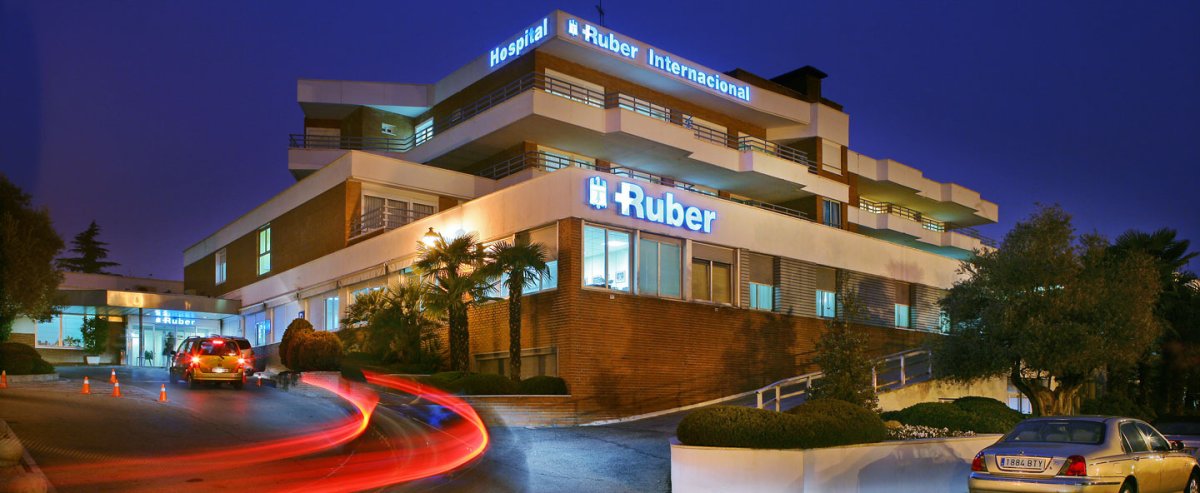
Hospital Ruber Internacional
4.5
Precio a consultar
Más información
Quironsalud Madrid
3.86 reseñas
Precio a consultar
Más información
Anuncio
Centro Médico Teknon
Hospital Quiron Barcelona
4.46 reseñas
Precio a consultar
Más información
Hospital Sant Joan de Déu Barcelona
4.744 reseñas
Precio a consultar
Más información

Obtenga una evaluación médica para Fibroadenoma en España: consulte con doctores experimentados ahora

Ver todos los médicos
verificado

Guillermo Luis Bassols

39 años de experiencia

El Dr. Bassols ha realizado más de 900 tratamientos y se especializa en procedimientos ginecológicos mínimamente invasivos en el Centro Médico Teknon.

  • 37 años de experiencia en obstetricia y ginecología
  • Especialista jefe en ginecología, obstetricia y cirugía de mama
  • Formado en cirugía endoscópica en la Universidad de Clermont-Ferrand
  • Autor de publicaciones científicas sobre técnicas mínimamente invasivas
verificado

Antonio Fernandez Oliva

16 años de experiencia

El Dr. Fernandez Oliva se especializa en Obstetricia y Ginecología con un enfoque en la educación continua y la investigación científica.
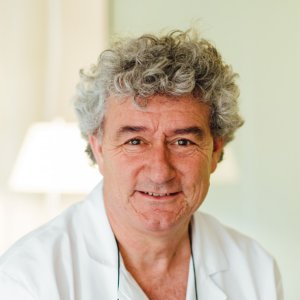
  • Graduado con honores por la Universitat Autònoma de Barcelona
  • Residencia completada en el Hospital de la Vall d'Hebrón
  • Profesor en la Academia Médica CTO
  • Participante en congresos ginecológicos europeos y españoles
  • Formado en cirugía robótica y laparoscópica
verificado

Isabel Maria Blanco Herraez

22 años de experiencia

El Dr. Blanco Herraez dirige la Unidad multidisciplinar de Mama de Quirónsalud Marbella, centrándose en la salud integral de la mama, desde la prevención hasta la recuperación.

  • Jefe de Obstetricia y Ginecología de Quirónsalud Marbella
  • Especializarse en atención obstétrica de baja intervención y humanizada
  • Miembro de la Sociedad Española de Obstetricia y Ginecología
  • Promover la detección precoz y los planes de tratamiento personalizados

Compartir contenido

Historias en video de pacientes de Bookimed

Dayana
Combiné mis vacaciones en Antalya con un chequeo médico.
Procedimiento: Chequeo femenino
Igor
¡Fue genial! Traslados, alojamiento, tratamiento, todo incluido.
Procedimiento: Implante dental
Clínica: WestDent Clinic
Marina
Bookimed se encargó de todo. No tuve que preocuparme por nada.
Procedimiento: Chequeo femenino
Actualizado: 12/09/2024
Escrito por
Olena Sikoza
Olena Sikoza
Сopywriter en español
Copywriter médica certificada responsable del contenido en español de Bookimed. Más de 7 años de experiencia en redacción sobre salud y turismo médico, con formación académica en edición científica y desarrollo de contenidos.
Fahad Mawlood
Editor médico y Científico de datos
Médico general. Ganador de 4 premios científicos. Sirvió en Asia Occidental. Es el ex jefe del equipo médico que soporta a pacientes de habla árabe. Ahora es responsable del procesamiento de datos y la precisión del contenido médico.
Fahad Mawlood Linkedin
Esta página puede incluir información relacionada con diversas afecciones médicas, tratamientos y servicios de salud disponibles en diferentes países. Tenga en cuenta que el contenido se proporciona sólo con fines informativos y no debe interpretarse como asesoramiento médico o orientación. Por favor consulte con su médico o con un profesional médico calificado antes de comenzar o cambiar el tratamiento médico.

Preguntas frecuentes sobre el tratamiento de Fibroadenoma en España

Estas preguntas frecuentes provienen de pacientes reales que buscan atención médica a través de Bookimed. Las respuestas son proporcionadas por coordinadores médicos experimentados y representantes autorizados de las clínicas.

Do all breast fibroadenomas need to be surgically removed?

The vast majority of breast fibroadenomas do not require surgical removal. These benign tumors are medically safe to monitor if imaging or biopsy confirms the diagnosis. Doctors typically recommend surgery only if the mass grows rapidly, exceeds 2 centimeters, or causes physical pain.

  • Watchful waiting: Ultrasound monitoring every 3 to 6 months tracks stability in small lumps.
  • Growth threshold: Removal is suggested for masses larger than 2 to 3 centimeters in size.
  • Surgical triggers: Pain, breast tissue compression, or suspicious biopsy results necessitate surgical intervention.
  • Non-surgical options: Cryoablation freezes tissue using liquid nitrogen through an ultrasound-guided needle.

Bookimed Expert Insight: Spain ranks 8th globally for medical tourism, attracting patients to JCI-accredited hubs like Madrid and Barcelona for specialized care. Clinics like Hospital Quiron Barcelona integrate the Baselga Institute of Oncology, ensuring fibroadenoma management follows strict protocols. This high-volume environment allows specialists at centers like Hospital Universitario HM Madrid, which sees 2.3 million outpatients annually, to differentiate benign fibroadenomas from rarer phyllodes tumors with high precision.

Patient Consensus: Patients emphasize that cosmetic outcomes and the risk of scarring heavily influence their choice between removal and monitoring. Many value a core needle biopsy first to gain the peace of mind needed to avoid surgery.

What non-surgical and surgical treatment options are available in Spain?

Spain provides advanced surgical and non-surgical options for fibroadenoma within its top-ranked private medical sector. JCI-accredited facilities in Madrid and Barcelona offer definitive surgical excision or minimally invasive vacuum-assisted removals. Specialists conduct blood tests and hormonal profiles alongside mammologist consultations to confirm diagnosis.

  • Surgical excision: Surgeons perform definitive removal for painful, growing, or cosmetically bothersome lumps.
  • Minimally invasive options: Techniques like vacuum-assisted removal offer smaller scars and faster outpatient recovery.
  • Biopsy protocols: Core needle biopsies routinely confirm the diagnosis before any surgical intervention begins.
  • Specialized units: Dedicated breast units at clinics like Quironsalud Madrid focus on multidisciplinary care.

Bookimed Expert Insight: Spain’s private clinics like Centro Médico Teknon and Clínica Universidad de Navarra serve massive patient volumes. Navajo Hospital alone treats 700,000 international patients. This high volume allows surgeons to maintain a 95% preservation rate for healthy tissue in complex removals. Choosing these high-capacity centers often ensures access to specialized breast units that prioritize aesthetic outcomes after excision.

Patient Consensus: Patients often choose removal when lumps cause physical discomfort or anxiety. Many prioritize centers offering outpatient techniques to minimize scarring and recovery time.

What is the recovery time after a lumpectomy in Spain?

Physical recovery after a lumpectomy in Spain typically takes one to two weeks. Most patients return home the same day as an outpatient procedure. Light activities are possible within five days. Full healing of internal tissues and surface incisions generally occurs within four weeks.

  • Initial discharge: Most cases are treated as day surgery with same-day discharge.
  • Daily routine: Light daily routines usually resume within 5 to 7 days post-surgery.
  • Physical restrictions: Avoid lifting objects over 5 kg for at least 2 weeks.
  • Travel clearance: Internationally traveling patients are typically cleared to fly after 14 days.

Bookimed Expert Insight: While most clinics like Centro Médico Teknon handle 10,000+ patients annually, recovery timelines often depend on the multidisciplinary approach. Specialized units, such as the one led by Dr. Isabel Maria Blanco Herraez at Quirónsalud Marbella, focus specifically on psychological and functional recovery. This suggests that patients in Spain benefit from integrated care that addresses both surgery and long-term well-being.

Patient Consensus: Patients note that underarm tightness and incision discomfort are common initially. Many suggest wearing front-opening loungewear and a supportive bra during the first week to manage these sensations efficiently.

Will fibroadenoma removal affect my ability to breastfeed in the future?

Fibroadenoma removal rarely impacts your ability to breastfeed. Over 80% of women successfully produce milk after benign breast surgery. Surgeons in Spain prioritize preserving healthy tissue and milk ducts. Healthy nerves and ducts are essential for future lactation. Most patients maintain full breastfeeding function.

  • Incision approach: Inframammary or radial incisions carry lower risks than periareolar ones.
  • Surgical priority: Specialists intentionally protect the nipple-areola complex and major milk ducts.
  • Natural compensation: Breasts function independently. One breast can increase supply if needed.
  • Tissue preservation: Minimally invasive techniques or superficial removals minimize ductal disruption significantly.

Bookimed Expert Insight: Spanish oncology and gynecology centers like Centro Médico Teknon or Clinica Universidad de Navarra maintain high success rates because they integrate multidisciplinary breast units. Dr. Isabel Maria Blanco Herraez at Quirónsalud specifically developed a protocol for early detection and breast conservation. This specialization ensures that surgeons are trained specifically in preserving functional anatomy rather than just removing lumps. Choosing a clinic with a dedicated `Breast Unit` often means accessing refined surgical approaches that prioritize long-term breastfeeding capability.

Patient Consensus: Patients note that breastfeeding feels most natural when surgery happens years before pregnancy. Success often depends on keeping the nipple area untouched and trusting the other breast to help with milk supply.

Is there a risk that the fibroadenoma will grow back after treatment?

A completely excised fibroadenoma rarely regrows. However, new lumps can develop in the same or opposite breast tissue. Clinical data shows recurrence rates for surgical excision range from 1% to 10%. Minimally invasive methods carry a 15% risk if tissue fragments remain.

  • Procedure type: Traditional surgery offers the lowest recurrence risk at under 10%.
  • Initial size: Lumps exceeding 2 cm have a significantly higher chance of returning.
  • Microscopic fragments: Percutaneous excision may leave cells that slowly regrow into lumps.
  • Hormonal influence: Fluctuations from pregnancy or therapy can trigger new fibroadenoma growth.

Bookimed Expert Insight: Spanish clinics like Centro Médico Teknon integrate gynecological expertise with multidisciplinary breast units for monitoring. Data shows that clinics with high surgical volumes, such as HM Madrid performing 26,000 operations annually, typically offer more precise margins. Choosing a specialist like Dr. Guillermo Luis Bassols, who has decades of experience, may help ensure complete removal during the first procedure.

Patient Consensus: Patients note that new lumps often cause anxiety even if the original mass was removed. They emphasize that regular follow-up imaging is necessary to distinguish scar tissue from new growths.

Which are the top-rated clinics for breast care in Spain?

Top-rated breast care clinics in Spain include Centro Médico Teknon and Clínica Universidad de Navarra. These facilities hold Joint Commission International accreditation and Newsweek rankings. Leading centers in Madrid and Barcelona utilize advanced diagnostic imaging and multidisciplinary breast units for fibroadenoma and oncology.

  • Accredited facilities: Clinics like Teknon hold JCI and EFQM quality certifications.
  • Specialized units: Dedicated breast units coordinate radiology, pathology, and surgical teams.
  • Advanced diagnostics: Digital imaging and PET-CT provide precise monitoring of breast lumps.
  • Expert surgeons: Specialists like Dr. Guillermo Luis Bassols focus on endoscopic gynecological surgery.

Bookimed Expert Insight: Spanish healthcare data highlights a clear trend toward high-volume centers for breast health. Centro Médico Teknon alone performs over 23,500 operations annually and serves high-profile individuals. Patients should prioritize clinics like Clínica Universidad de Navarra. It was the first in Spain to achieve JCI accreditation and maintains a 95% limb preservation rate in complex cases.

Patient Consensus: Patients emphasize finding a dedicated senology unit rather than general women's health clinics. Many note that private facilities provide much faster access to necessary imaging and biopsies.

Pedir una consulta gratis

Seleccione la mejor manera de contactarle