Fibroadenoma en Austria: las 3 mejores clínicas para su tratamiento


Revisado médicamente por
Fahad Mawlood
Cómo funciona
¿Cuál es el precio del diagnóstico y los tratamientos de Fibroadenoma en Austria? Descubra ahora
Descubra las mejores clínicas de tratamiento de Fibroadenoma en Austria: 3 opciones verificadas y Precios



Compartir contenido
Historias en video de pacientes de Bookimed
 Olena Sikoza
Preguntas frecuentes sobre el tratamiento de Fibroadenoma en Austria
¿En qué casos recomiendan los médicos austriacos la extirpación quirúrgica del fibroadenoma?
Los especialistas austriacos recomiendan la extirpación del fibroadenoma si el tumor mide más de 2,5 centímetros o crece rápidamente. También recomiendan la cirugía para pacientes mayores de 35 años para descartar malignidad. El dolor físico, la deformidad mamaria o los resultados no concluyentes de la biopsia son indicaciones adicionales para la cirugía. A menudo se prefieren los métodos mínimamente invasivos, como la crioablación.
- Tasa de crecimiento: Las lesiones de rápido crecimiento generan sospecha clínica de tumor filodes, lo que requiere su extirpación inmediata.
- Criterios de tamaño: Las lesiones de más de 5 centímetros se clasifican como fibroadenomas gigantes y están sujetas a extirpación quirúrgica.
- Claridad diagnóstica: La intervención quirúrgica es obligatoria si se detectan células atípicas o anormales en una biopsia con aguja.
- Método mínimamente invasivo: la resección asistida por vacío (VAE) se recomienda para tumores de menos de 4 centímetros.
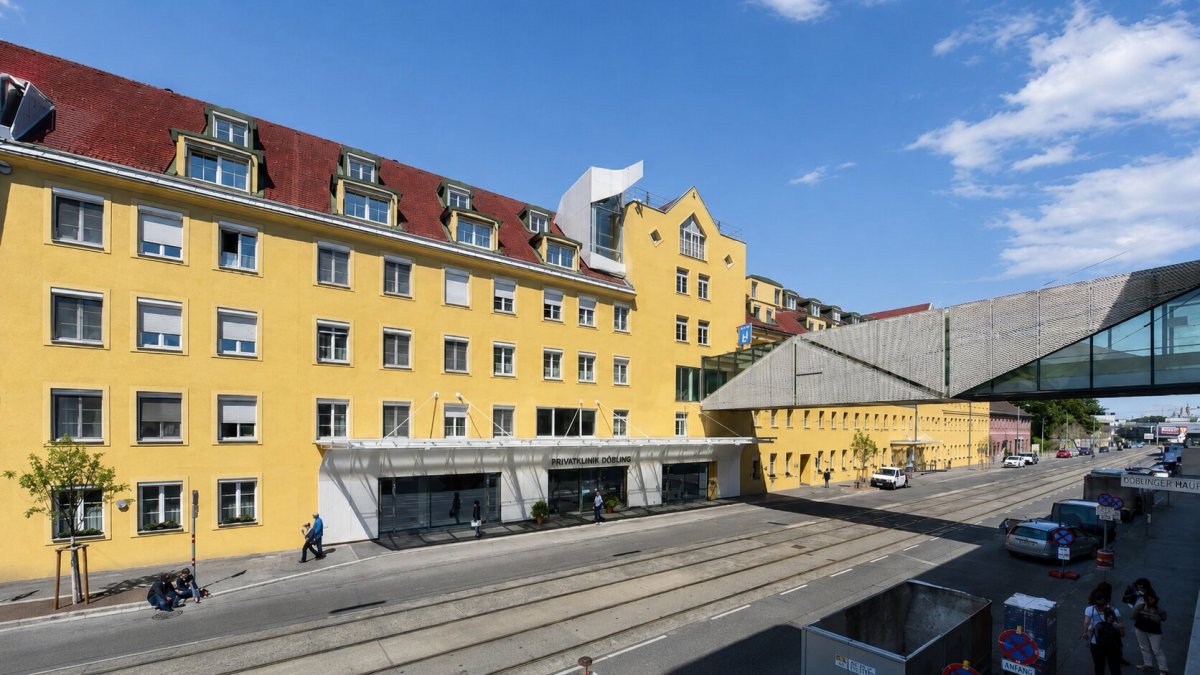
Opinión de los expertos de Bookimed: Clínicas como el Hospital Privado Döbling presentan tasas de complicaciones significativamente menores de lo esperado. Este alto estándar de seguridad permite a los cirujanos ofrecer intervenciones incluso para fibroadenomas benignos pequeños. Los centros acreditados por la JCI priorizan el bienestar psicológico y el mantenimiento de los resultad
¿Qué técnicas quirúrgicas se ofrecen en los hospitales y clínicas austriacas?
Los hospitales austriacos ofrecen técnicas quirúrgicas de vanguardia, incluyendo sistemas robóticos da Vinci y laparoscopia mínimamente invasiva. Instituciones como el Hospital Privado Döbling priorizan la preservación y la seguridad de los órganos, de acuerdo con los estándares de la JCI. Los protocolos quirúrgicos garantizan una alta precisión, manteniendo resultados estéticos y funcionales mediante incisiones pequeñas y estratégicamente ubicadas.
- Precisión robótica: los sistemas da Vinci permiten la extirpación mínimamente invasiva de tumores ginecológicos y oncológicos.
- Preservación de órganos: Los cirujanos utilizan la enucleación para extirpar tumores preservando el tejido sano.
- Ubicación de las incisiones: Las técnicas de incisión oculta minimizan las cicatrices visibles y mantienen la forma natural de los senos.
- Seguridad diagnóstica: Las clínicas con certificación ISO utilizan la biopsia con aguja para garantizar una planificación quirúrgica precisa.
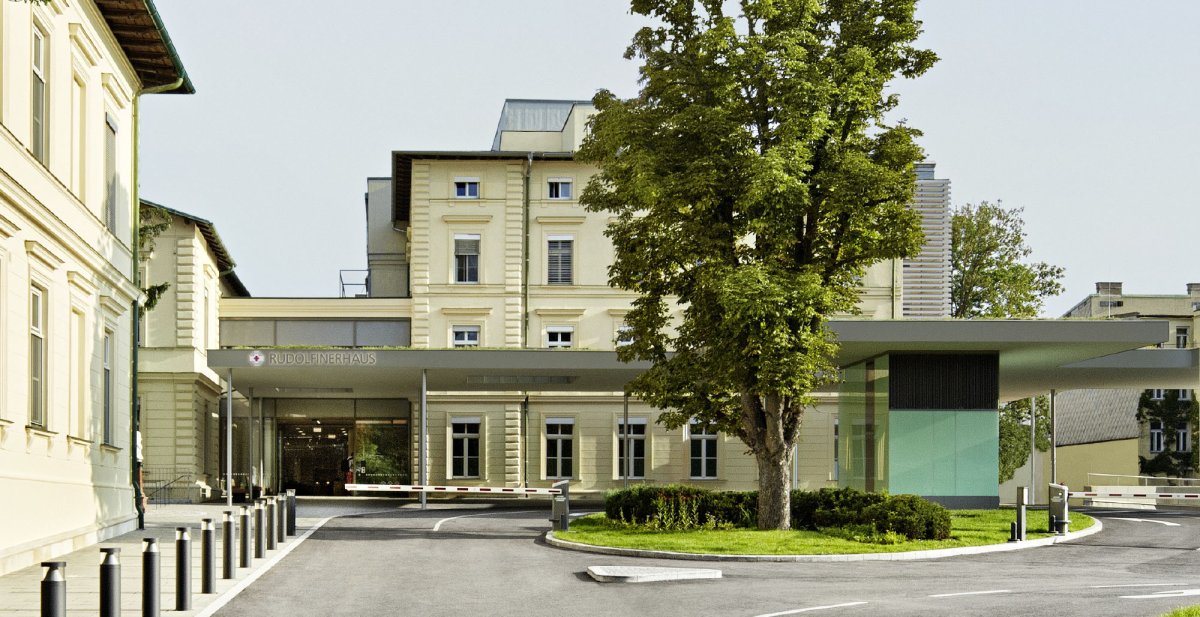
Opinión de expertos de Bookimed: Los datos sobre el volumen de pacientes indican una preferencia por las clínicas privadas con larga trayectoria en Viena. La clínica privada Rudolfinerhaus lleva más de 150 años en funcionamiento. Por su parte, el Hospital Privado Döbling atiende a 16 000 pacientes anualmente. Un volumen tan elevado suele correlacionarse con una menor tasa de complica
¿Es suficiente la vigilancia rutinaria o deberían extirparse todos los fibroadenomas?
El protocolo estándar para la mayoría de los fibroadenomas estables consiste en la observación programada. La extirpación solo es necesaria si la lesión crece rápidamente, causa dolor o presenta características sospechosas en las pruebas de imagen. Las lesiones benignas pequeñas, de menos de 4 centímetros, suelen permanecer sin cambios o reducirse de tamaño de forma natural sin intervención médica.
- Criterios de observación: Los médicos recomiendan la observación de lesiones asintomáticas confirmadas mediante biopsia con aguja.
- Calendario de seguimiento: La vigilancia activa incluye exámenes físicos y ecografías cada 6 a 12 meses.
- Criterios de tamaño: Las formaciones de más de 5 centímetros o que causan deformidad mamaria generalmente requieren extirpación quirúrgica.
- Indicaciones para la extirpación: se recomienda la escisión en casos de crecimiento tumoral rápido, incertidumbre diagnóstica o ansiedad grave del paciente.
Opinión de expertos de Bookimed: Si bien muchos pacientes desconfían de la necesidad de cirugía, los centros privados austriacos, como el Hospital Privado Döbling, hacen especial hincapié en un diagnóstico preciso para evitar procedimientos innecesarios. Elegir un centro acreditado por la JCI que ofrezca perfiles hormonales especializados ayuda a confirmar la seguridad del seguimiento. Los datos muestran que los centros c
¿Qué médicos especialistas tratan los fibroadenomas en Austria?
En Austria, los fibroadenomas son tratados principalmente por ginecólogos, quienes supervisan todo el proceso clínico, desde la exploración inicial hasta el seguimiento a largo plazo. En clínicas como el Hospital Privado de Döbling, los equipos multidisciplinarios incluyen radiólogos y patólogos. Los especialistas optan por la observación o la extirpación mínimamente invasiva según las características del tejido y los síntomas de la paciente.
- Ginecólogos: realizan exámenes iniciales y seguimiento médico a largo plazo para detectar la aparición de neoplasias.
- Radiólogos: Realizan estudios de diagnóstico por imagen mediante ecografía, mamografía o resonancia magnética de alta resolución.
- Patólogos: evalúan las muestras de tejido obtenidas durante las biopsias con aguja para descartar con precisión la malignidad.
- Cirujanos de mama: realizan la extirpación quirúrgica o la crioablación de fibroadenomas grandes o dolorosos.
Opinión de expertos de Bookimed: En una clínica privada austriaca, un alto volumen de pacientes suele indicar diagnósticos fiables. El Hospital Privado Döbling atiende a 16 000 pacientes al año e implementa los estándares de seguridad JCI. Las tasas de complicaciones notificadas son significativamente inferiores a los valores estándar. Este alto volumen de pacientes permite a los ginecólogos detectar rápidamente los fibroade
¿Cuál es el periodo de recuperación previsto y cuáles son las recomendaciones para los cuidados postoperatorios en Austria?
La recuperación tras la extirpación de un fibroadenoma en Austria suele durar de 1 a 3 semanas. La mayoría de los pacientes se reincorporan al trabajo en 7 días. Los protocolos estándar priorizan la seguridad, en consonancia con las directrices de la JCI. Instituciones como el Hospital Privado de Döbling registran tasas de complicaciones significativamente inferiores a las esperadas gracias a un riguroso control de calidad.
- Recuperación inicial: La mayor parte del dolor y la hinchazón desaparecen en los primeros 5 días.
- Actividad física: Evite levantar pesas de más de 5 kg durante 1-2 semanas después de la cirugía.
- Cuidado de la herida: Mantenga las incisiones secas durante 48 horas, siguiendo las instrucciones de su hospital.
- Restricciones de actividad: Está prohibido nadar y visitar balnearios termales hasta que la herida quirúrgica esté completamente curada.
Opinión de los expertos de Bookimed: Clínicas como Leech Private Clinic y Rudolfinerhaus combinan el tratamiento quirúrgico con unidades de rehabilitación especializadas. Si bien la recuperación básica es rápida, el sistema austriaco suele recomendar la observación formal en estas unidades especializadas. Esto garantiza que los niveles hormonales y los resultados de la mamografía se estabilicen antes del alta definitiva. Este enfoque gradual es la razón por la que pacientes de toda
¿Qué tan efectivos son los procedimientos mínimamente invasivos o sin fisuras para mantener una apariencia natural de los senos?
Las técnicas mínimamente invasivas permiten preservar de forma fiable el aspecto natural de las mamas, incluso en casos de lesiones o cambios tisulares menores. Estas técnicas utilizan incisiones ocultas o micropunciones para mantener el contorno mamario. El éxito depende de las características anatómicas, el tamaño del tumor y la experiencia del cirujano. En casos complejos con flacidez significativa o lesiones grandes, siguen siendo necesarios los métodos tradicionales de remodelación mamaria.
- Lugar de la incisión: Los cirujanos ocultan las marcas en la axila, el ombligo o el pliegue areolar.
- Extirpación de fibroadenomas: La biopsia asistida por vacío permite la extirpación de pequeños crecimientos a través de diminutas punciones en la piel de cuatro milímetros de diámetro.
- Aumento de volumen: El injerto de grasa permite añadir volumen de forma natural mediante microcánulas sin dejar cicatrices en los senos.
- Preservación de los tejidos: Los tratamientos de radiofrecuencia tensan la piel desde abajo mediante pequeñas inyecciones del tamaño de una aguja.
Opinión de expertos de Bookimed: Elegir una clínica con un alto volumen de pacientes suele traducirse en mejores resultados estéticos. El Hospital Privado Döbling de Viena atiende a 16 000 pacientes al año y mantiene una tasa de complicaciones muy baja. El elevado número de procedimientos
¿Cuál es la duración típica de la hospitalización necesaria para el tratamiento del fibroadenoma en Austria?
Los pacientes suelen permanecer en hospitales austriacos entre 0 y 1 día para la extirpación de un fibroadenoma. Los procedimientos mínimamente invasivos a menudo permiten el alta el mismo día. Las extirpaciones quirúrgicas convencionales pueden requerir una noche de hospitalización para observación. Los pacientes internacionales deben planificar un viaje de 7 a 10 días para el seguimiento médico.
- Procedimientos ambulatorios: La crioablación o la biopsia asistida por vacío generalmente permiten que el paciente reciba el alta el mismo día, en pocas horas.
- Extirpación quirúrgica: La lumpectomía bajo anestesia general a menudo requiere una estancia hospitalaria de una noche.
- Casos complejos: Los fibroadenomas gigantes pueden requerir de 1 a 3 días para su drenaje.
- Periodo de viaje adecuado: Para obtener un permiso de vuelo, debe permanecer en Austria durante 10 días.
Opinión de expertos de Bookimed: Si bien clínicas vienesas como el Hospital Privado Döbling y el Hospital Privado Rudolfinerhaus cuentan con décadas de experiencia en atención quirúrgica, la especialización de la clínica suele determinar la duración de la estancia. En el Hospital Privado Döbling, la tasa de complicaciones es baja. Este alto nivel de seguridad suele acelerar la recuperación. Elegir un centro con un departamento de ginecología especializado garantiza el acceso a a