Prótesis de pierna para niños en España — obtén 3 clínicas con costos


Revisado médicamente por
Fahad Mawlood
¿Cuál es el precio de Prótesis de pierna para niños en España? Descubra ahora
El costo de una pierna protésica para niños en España suele oscilar desde _price_from_ hasta _price_to_. Los precios varían según el tipo de prótesis (por debajo de la rodilla, por encima de la rodilla, controlada por microprocesador), la clínica y las necesidades específicas del niño. UU.
Las clínicas españolas suelen incluir la consulta inicial, la evaluación preoperatoria, la adaptación y ajuste de la prótesis, sesiones de fisioterapia, medicación postoperatoria y consultas de seguimiento. El personal que habla inglés, los planes de tratamiento personalizados y el soporte al paciente 24/7 son estándar. En EE. UU., muchos de estos servicios—especialmente la fisioterapia y los ajustes posteriores—se facturan por separado. Siempre confirmar qué servicios están incluidos en la clínica elegida.
Beneficios clave
¿Por qué elegir España para soluciones de prótesis de pierna para niños?
- Clínicas acreditadas: Hospitales certificados por JCI ofrecen atención de clase mundial y mantienen rigurosos estándares de seguridad.
- Últimas tecnologías: Dispositivos como el Ottobock C-Leg 4 y el Pro-Flex XC de Össur son reconocidos por su adaptabilidad y comodidad. Ofrecen a los niños una mejor movilidad y calidad de vida.
- Altas tasas de éxito: Las intervenciones de prótesis de pierna en España tienen un 95% de eficacia. Mejoran significativamente la movilidad y la función diaria en diversas condiciones de los pacientes.
- Cirujanos expertos: Los principales cirujanos ortopédicos, certificados por la Sociedad Española de Cirugía Ortopédica y Traumatología, realizan más de 500 adaptaciones de prótesis pediátricas al año. Aseguran planes de tratamiento personalizados y efectivos.
Acceda a soluciones avanzadas de prótesis de pierna para niños en clínicas de confianza .
Sus beneficios y garantías con Bookimed
Precios directos
Bookimed no añade cargos adicionales a los precios de Prótesis de pierna para niños. Las tarifas proceden de las listas de precios oficiales de las clínicas. Pagará directamente en la clínica por su Prótesis de pierna para niños a su llegada al país.
Sólo clínicas y médicos verificados
Bookimed está comprometido con su seguridad. Solo trabajamos con las clínicas que mantienen altos estándares internacionales en Prótesis de pierna para niños y tienen las licencias necesarias para atender a pacientes internacionales en todo el mundo.
Asistencia 24/7 gratuita
Bookimed ofrece asistencia experta gratuita. Un coordinador médico personal le apoya antes, durante y después del tratamiento, resolviendo cualquier problema. Nunca estará solo en su viaje médico de Prótesis de pierna para niños.

Su coordinador médico personal de Bookimed
- Le apoya en cada etapa
- Ayuda a elegir la clínica y el médico adecuados
- Asegura un acceso rápido y conveniente a la información
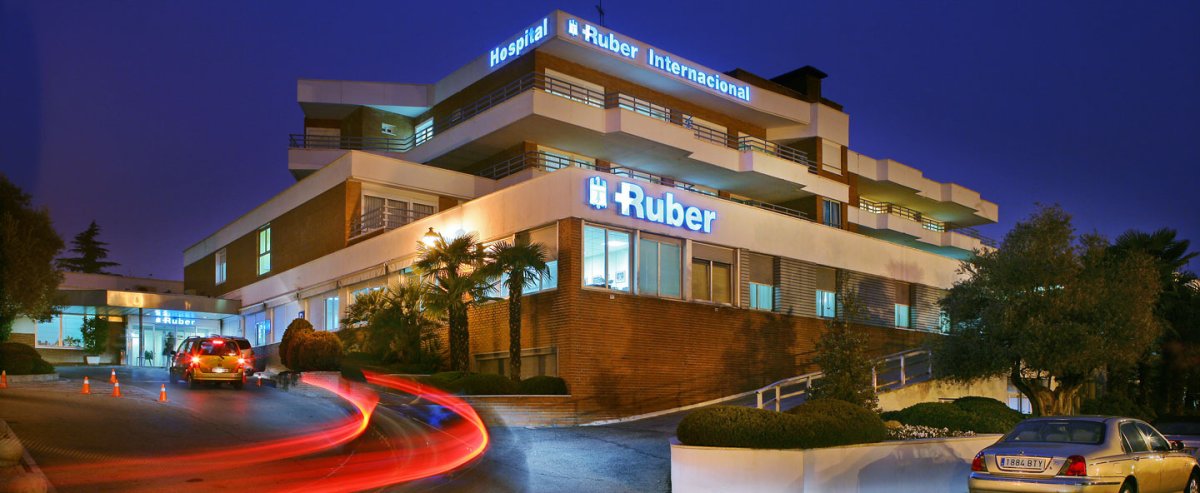
Descubra las mejores clínicas de Prótesis de pierna para niños en España: 1 opciones verificadas y Precios


Descripción general de Prótesis de pierna para niños en España
- Prótesis de extremidades - de $5,400El procedimiento consiste en reemplazar las extremidades perdidas, mejorar la movilidad, utilizando prótesis hechas para diversas actividades.
- Prótesis por debajo de la rodilla - de $5,500Esta terapia reemplaza la parte inferior de la pierna, mejorando la movilidad y mejorando la calidad de vida después de la amputación.
- Pie protésico - de $4,500El procedimiento consiste en colocar un pie artificial para permitir la movilidad y mejorar la calidad de vida.
- Pierna biónica - de $40,000La operación instala una prótesis de alta tecnología, mejorando la movilidad y el equilibrio de las personas con pérdida de una pierna.
- Prótesis electrónicas de la pierna - de $14,000El procedimiento equipa a los pacientes con piernas artificiales avanzadas y programables, mejorando el movimiento, la precisión y la comodidad.
- Prótesis de brazo - de $4,500Esta terapia reemplaza un brazo perdido, mejorando la movilidad y la funcionalidad a través de una prótesis.
- Prótesis de brazo cosmética - de $4,200El procedimiento ofrece un reemplazo estético de un brazo faltante, lo que garantiza una apariencia natural y aumenta la confianza en sí mismo.
- Prótesis de dedo - de $3,800El procedimiento ayuda a reemplazar los dígitos que faltan, mejorando la función de la mano y la apariencia con reemplazos móviles y personalizables.
Día 1
- Llegada a la clínica, proceso de check-in.
- Consulta con el especialista en prótesis.
- Examen físico por el pediatra.
- Se realizan pruebas radiográficas.
Dia 2
- Planificación preoperatoria de la pierna protésica.
- Se toman las medidas para el dispositivo protésico.
- Comienza el diseño y la fabricación de la pierna protésica.
Día 3
- Se realizan las adaptaciones y ajustes finales a la pierna protésica.
- Se realiza la prueba inicial de la pierna protésica.
Semana 1
- Los pacientes comienzan con sesiones de fisioterapia.
- Aprender a equilibrarse y caminar con la pierna protésica.
- Seguimientos regulares con el especialista en prótesis para ajustes.
Semana 2-4
- Continuación de las sesiones de fisioterapia.
- Aumento gradual del uso diario de la pierna protésica.
- El paciente comienza a realizar actividades diarias.
Semana 5-8
- Se alienta a los pacientes a regresar a la escuela.
- En la terapia se introducen actividades más complejas.
- Se hacen los ajustes finales a la pierna protésica.
Semana 9-12
- Los pacientes pueden comenzar a practicar deportes y otras actividades físicas.
- Se ven los resultados finales de la pierna protésica.
La recuperación de cada paciente es única y el cronograma anterior es una estimación. Las experiencias individuales pueden variar.
- Depósito de Bookimed: 200 $ o 200 €.
- Depósito de la clínica: Pague un porcentaje fijo por adelantado.
Obtenga una evaluación médica para Prótesis de pierna para niños en España: Elija su especialista entre los mejores en el campo
Ver todos los médicos
Pablo De La Cuadra
El Dr. Pablo De La Cuadra dirige un equipo multidisciplinar en el Hospital Ruber Internacional, especializado en técnicas ortopédicas avanzadas para obtener resultados funcionales óptimos.
- Más de 25 años de experiencia en cirugía ortopédica y traumatología
- Experto en técnicas artroscópicas mínimamente invasivas
- Especializado en protocolos de recuperación orientados al deporte
- Profesor asociado en la Universidad Autónoma de Madrid
- Líder de un equipo de traumatología dedicado

Inmaculada Gómez Arrayás
La Dra. Inmaculada Gómez Arrayás es una de las 100 mejores doctoras de España según Forbes. Ejerce como Jefa de Traumatología en el Hospital Ruber Internacional de Madrid. La Dra. Arrayás es pionera en el uso de sistemas de navegación para cirugías precisas de reemplazo articular. Se especializa en procedimientos mínimamente invasivos de cadera y rodilla y en protocolos de recuperación acelerada.
- Posee la certificación ISO 9001 de calidad en cirugías de reemplazo de cadera y rodill

Javier Albiñana
El Dr. Albiñana ha dedicado 41 años a la ortopedia pediátrica, especializándose en casos complejos como la displasia de cadera y la enfermedad de Perthes en Quironsalud Madrid.
- Exjefe de Ortopedia Pediátrica en el Hospital La Paz
- Formación de fellowship en la Universidad de Iowa y la Universidad de Oxford
- Investigación publicada sobre displasia acetabular y resultados del arnés de Pavlik
- Profesor asociado en la Universidad Autónoma de Madrid
Reseñas
Todas las reseñas
Compartir contenido
Historias en video de pacientes de Bookimed
 Olena Sikoza
Preguntas frecuentes sobre Prótesis de pierna para niños en España
¿Cuáles son los principales riesgos y complicaciones asociados con las prótesis de pierna pediátricas?
Las complicaciones de las prótesis de pierna pediátricas incluyen principalmente problemas de integridad cutánea, desalineación musculoesquelética y desafíos frecuentes de ajuste causados por el crecimiento rápido. Riesgos como úlceras por presión, dolor fantasma y sobrecarga articular requieren un seguimiento constante por parte de cirujanos ortopédicos especializados en instalaciones acreditadas para garantizar la movilidad y la comodidad a largo plazo.
- Salud de la piel: La fricción del encaje a menudo causa rozaduras dolorosas, úlceras por presión y ampollas.
- Ajustes por crecimiento: Los cambios rápidos en las extremidades requieren reemplazos frecuentes del encaje para prevenir la atrofia muscular.
- Incomodidad térmica: Los revestimientos de silicona pueden atrapar el calor, causando erupciones inducidas por el sudor o reacciones alérgicas.
- Estrés articular: Los dispositivos mal alineados pueden provocar desplazamiento de cadera o dolor de espalda crónico.
- Prevención de caídas: El espacio limitado para los componentes en extremidades más pequeñas aumenta el riesgo de inestabilidad.
Perspectiva del experto de Bookimed: España alberga centros ortopédicos de clase mundial como el Hospital Ruber Internacional, donde los cirujanos a menudo manejan las complicaciones relacionadas con el crecimiento utilizando tecn
¿Qué cualificaciones y certificaciones debo buscar en un protesista pediátrico en España?
Los protesistas pediátricos en España deben poseer el título de Técnico Superior en Ortoprótesis para ejercer. Busque profesionales registrados en la Federación Española de Ortesistas Protesistas (FEDOP) y aquellos que trabajen en centros multidisciplinares acreditados por la JCI, como el Hospital Ruber Internacional.
- Título profesional español: Certificación de Técnico Superior en Ortoprótesis requerida para todos los protesistas en ejercicio.
- Registro en la FEDOP: La afiliación a la Federación Española confirma el cumplimiento de los estándares profesionales nacionales.
- Acreditación ISPO: La certificación de la Sociedad Internacional de Prótesis y Ortesis indica estándares educativos de élite.
- Experiencia multidisciplinar: La colaboración con cirujanos ortopédicos como el Dr. Javier Albinara garantiza ajustes integrados con el crecimiento.
Opinión del experto de Bookimed: Los indicadores de calidad a menudo se esconden en las afiliaciones hospitalarias del centro. Aunque existen pequeñas tiendas ortopédicas, elegir a un protesista integrado en un centro acreditado por la JCI como el Hospital Ruber Internacional garantiza el acceso a tecnología avanzada de reconstrucción 3D. Esta integración es vital en casos pediátricos donde el crecimiento óseo y la alineación de la prótesis deben ser monitoreados simultáneamente por equipos quirúrgi
¿A qué edad puede un niño recibir su primera prótesis de pierna y cómo funciona la candidatura?
Los niños suelen recibir su primera prótesis de pierna entre los 6 y los 12 meses de edad. Este momento coincide con hitos del desarrollo como sentarse y ponerse de pie. La adaptación temprana fomenta la integración cerebral de la extremidad y favorece el equilibrio natural durante el crecimiento.
- Preparación para el desarrollo: La adaptación comienza cuando los bebés muestran interés por gatear o ponerse de pie.
- Diseño personalizado: Especialistas como el Dr. Javier Albinaña proporcionan diseños que se adaptan al crecimiento para malformaciones congénitas.
- Evaluación profesional: La evaluación requiere un equipo multidisciplinar que incluya cirujanos ortopédicos y especialistas en rehabilitación.
- Ajustes frecuentes: Debido al crecimiento, los bebés necesitan nuevos encajes o dispositivos anualmente hasta los 5 años.
Perspectiva del experto de Bookimed: España ofrece una ventaja clínica única a través de centros acreditados por la JCI como el Hospital Ruber Internacional. Estos centros combinan la ortopedia pediátrica avanzada con una experiencia quirúrgica reconocida por Forbes. Elegir un centro que trate tanto a niños como a adultos garantiza una transición fluida en la atención a largo plazo. Esto es vital, ya que el cambio de encajes sigue siendo frecuente durante todo el desarrollo infantil.
Consenso de los pacientes
¿Qué tipos de prótesis de pierna están disponibles para niños y en qué se diferencian?
Las prótesis de pierna pediátricas van desde modelos pasivos para niños pequeños hasta láminas de fibra de carbono de alto rendimiento y sistemas adaptables al crecimiento. Estos dispositivos difieren según el nivel funcional, los requisitos de actividad y los componentes especializados, como pies con retorno de energía o materiales impermeables diseñados para soportar juegos de alto impacto y un rápido desarrollo físico.
- Tipos funcionales: Los modelos estándar de longitud fija, adaptables al crecimiento, impresos en 3D y biónicos se adaptan a diferentes necesidades de movilidad.
- Adaptación al crecimiento: Las prótesis ajustables permiten compensar el crecimiento durante 12 a 15 meses antes de requerir un reemplazo completo del encaje.
- Nivel de actividad: Las láminas deportivas como la Cheetah Junior proporcionan retorno de energía para correr y saltar.
- Durabilidad del material: La fibra de carbono y el acero inoxidable garantizan la seguridad durante las actividades escolares y deportivas de alto impacto.
Opinión del experto de Bookimed: No permita que el marketing de la capacidad de ajuste prevalezca sobre su elección de especialista. Aunque existen prótesis adaptables al crecimiento, los niños suelen necesitar un dispositivo completamente nuevo cada 12 a 18 meses. Los centros españoles líderes, como el Hospital Ruber Internacional, s
¿Qué implica el proceso de rehabilitación y adaptación para un niño con una nueva prótesis de pierna?
La rehabilitación para un niño con una prótesis de pierna implica una atención multidisciplinaria centrada en el entrenamiento de la marcha y ajustes por crecimiento rápido. El proceso integra fisioterapia, ajuste del encaje y fortalecimiento del núcleo para lograr la movilidad diaria en 2 meses y el regreso al deporte en 6 meses.
- Entrenamiento de la marcha: La fisioterapia especializada ayuda a los niños a dominar la caminata y el uso de escaleras de forma segura.
- Ajustes por crecimiento: Las modificaciones frecuentes del encaje se adaptan a los rápidos cambios físicos de los niños en crecimiento.
- Protección de la piel: El uso de calcetines de gel o liners previene la irritación y mejora los niveles de comodidad diaria.
- Apoyo del equipo: Cirujanos ortopédicos como Javier Albinana colaboran con protesistas para un ajuste óptimo.
Opinión experta de Bookimed: La calidad de vida depende más del ajuste del encaje que de la marca del dispositivo. Mientras que los procedimientos en EE. UU. Enfóquese en centros que ofrezcan traumatología con certificación ISO para garantizar una alineación precisa para la salud de la columna.
Consenso de los pacien
¿Cuánto tiempo suele permanecer un niño en España para la adaptación de prótesis y la rehabilitación inicial?
Los niños suelen permanecer en España de 1 a 2 meses para la adaptación privada de prótesis y la rehabilitación inicial. Este plazo incluye una evaluación personalizada, fabricación a medida y entrenamiento intensivo de movilidad. El proceso a menudo integra tecnologías avanzadas como evaluaciones articulares guiadas por computadora para asegurar un posicionamiento preciso del implante en extremidades en desarrollo.
- Cicatrización inicial: La reducción de la hinchazón y la retirada de grapas requieren de 4 a 5 semanas después de la cirugía antes de tomar el molde.
- Fabricación a medida: Las técnicas avanzadas de impresión 3D pueden reducir la producción del encaje a solo unos días.
- Entrenamiento de movilidad: La rehabilitación intensiva suele concentrarse en las últimas 2 a 4 semanas.
- Cronograma total: La entrega del dispositivo funcional generalmente ocurre de 6 a 12 semanas después del procedimiento quirúrgico.
Opinión del experto de Bookimed: Centros líderes en Madrid como el Hospital Ruber Internacional utilizan tecnologías de navegación y expertos en cirugía robótica. Mientras que los sistemas públicos pueden tardar 6 meses, los centros privados coordinan a cirujanos ortopédicos pediátricos especializados con una fabricación de alta tecnología. Esta experiencia específica asegura que la prótesis se adapte al rápido crecimiento del ni
¿Existen centros especializados en prótesis pediátricas o recomendaciones regionales en España?
España alberga centros de prótesis pediátricas de clase mundial en Madrid y Barcelona, especializados en extremidades biónicas y dispositivos que se adaptan al crecimiento. Instalaciones como el Hospital Ruber Internacional y unidades especializadas en Barcelona combinan el escaneo 3D con la rehabilitación multidisciplinaria para niños con deficiencias en las extremidades o deformidades óseas.
- Centro en Madrid: El Hospital Ruber Internacional ofrece atención ortopédica acreditada por la Joint Commission International (JCI).
- Excelencia en Barcelona: Los líderes regionales proporcionan tecnología de fibra de carbono personalizada y traumatología pediátrica especializada.
- Cirujanos especializados: Expertos como Javier Albiñana se centran en el alargamiento y estabilización compleja de extremidades.
- Enfoque tecnológico: Los centros utilizan sistemas articulares robóticos y cirugía guiada por navegación para ajustes precisos.
Perspectiva del experto de Bookimed: España ofrece una ventaja clínica única para casos complejos al combinar la corrección de deformidades óseas con la adaptación de prótesis. Cirujanos como Javier Albiñana, formado en Oxford y Iowa, cierran la brecha entre la reconstrucción quirúrgica y la movilidad biónica. Aunque una prótesis de pierna pediátrica en España oscila entre Precio a consultar y Precio a consultar, esto