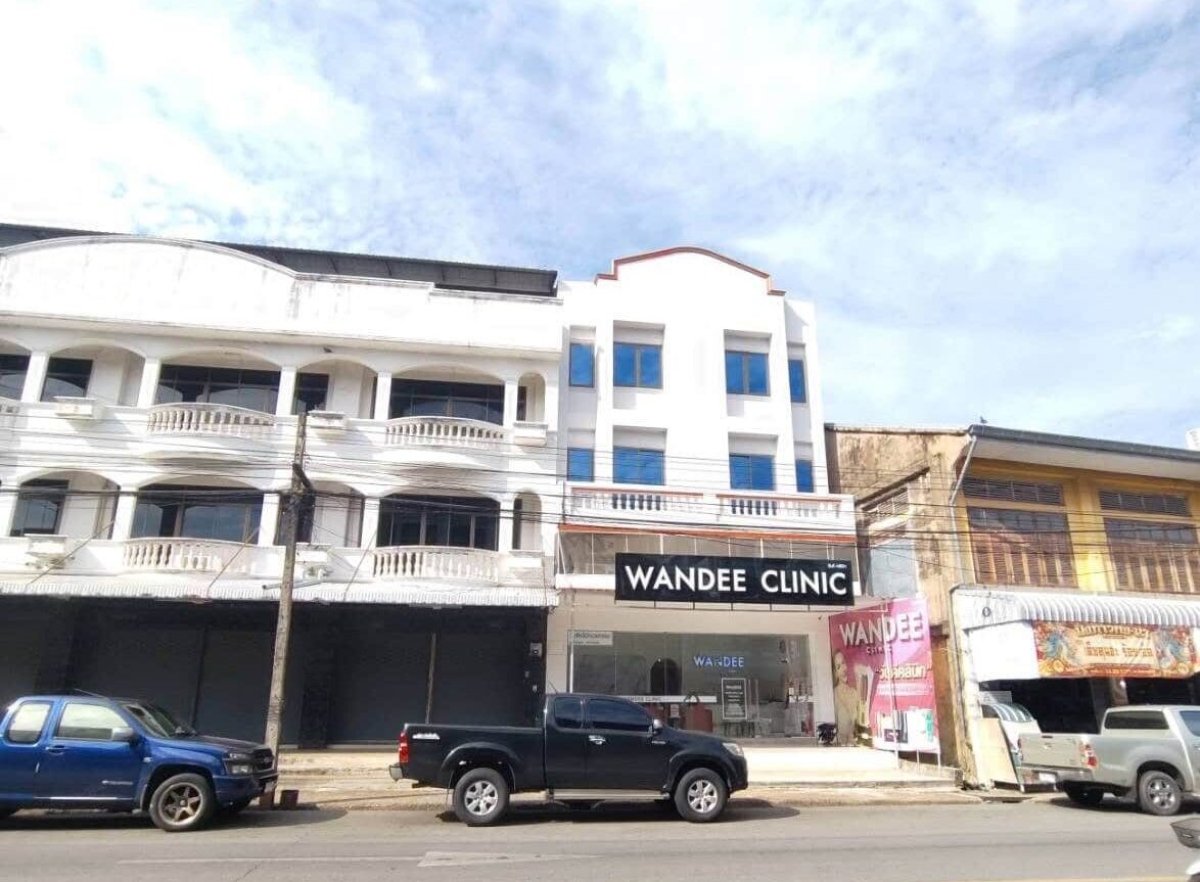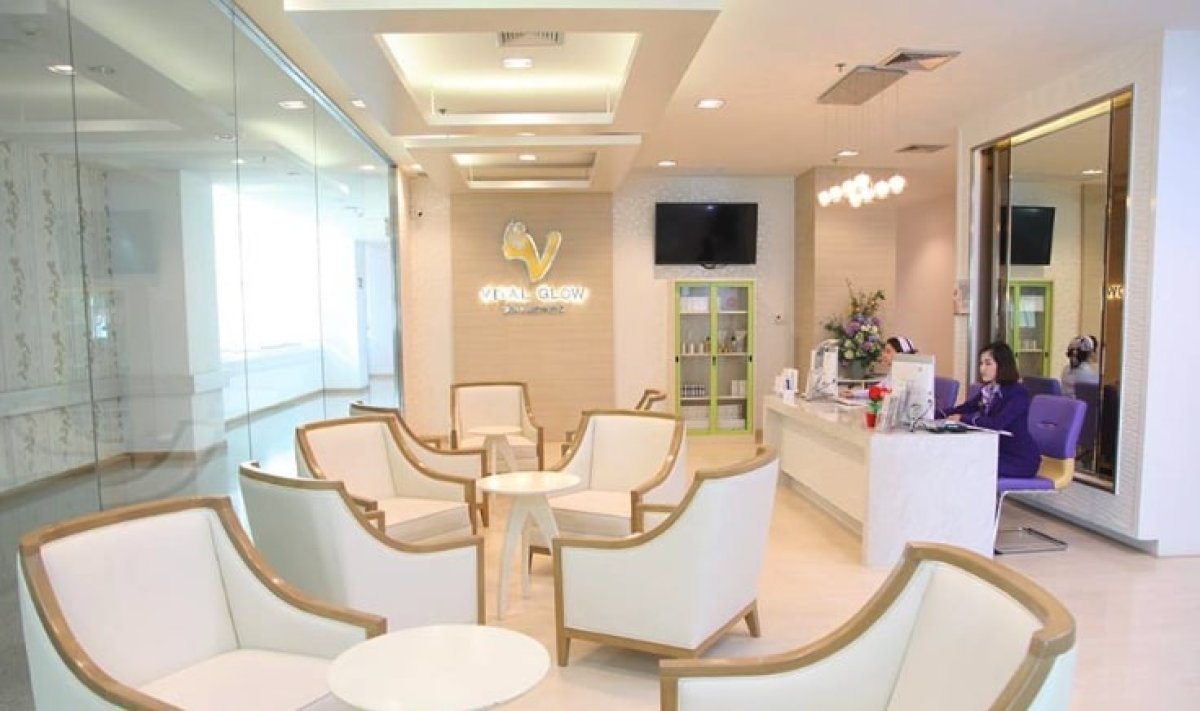
Clínica Vital Glow Skin & Aesthetic en el Hospital Navamin 9
Tailandia, Bangkok
Clínica certificada por : 


Revisado médicamente por
Fahad Mawlood
El costo de los inyectables antiarrugas en Tailandia suele oscilar de $180 / 6,700฿ a $450 / 16,700฿. Los precios varían según la marca utilizada (como Botox, Dysport, Xeomin), la reputación de la clínica, la experiencia del profesional y la cantidad de zonas a tratar. En Estados Unidos, el costo promedio es de $650 / 24,100฿ (según la ASPS). Esto significa que los inyectables antiarrugas en Tailandia pueden costar aproximadamente un 51% menos que en EE. UU.
Las clínicas tailandesas suelen incluir en el precio la consulta, el producto inyectable, la tarifa del procedimiento y una breve visita de seguimiento. En EE. UU., el precio normalmente cubre solo el producto y la inyección, mientras que las consultas y los retoques se cobran por separado. Siempre consultar con la clínica elegida para confirmar exactamente qué está incluido en el precio indicado.
| Tailandia | España | Estados Unidos | |
|---|---|---|---|
| Inyecciones antiarrugas | ≈ $180 / 6,700฿ | ≈ $260 / 9,600฿ | ≈ $450 / 16,700฿ |
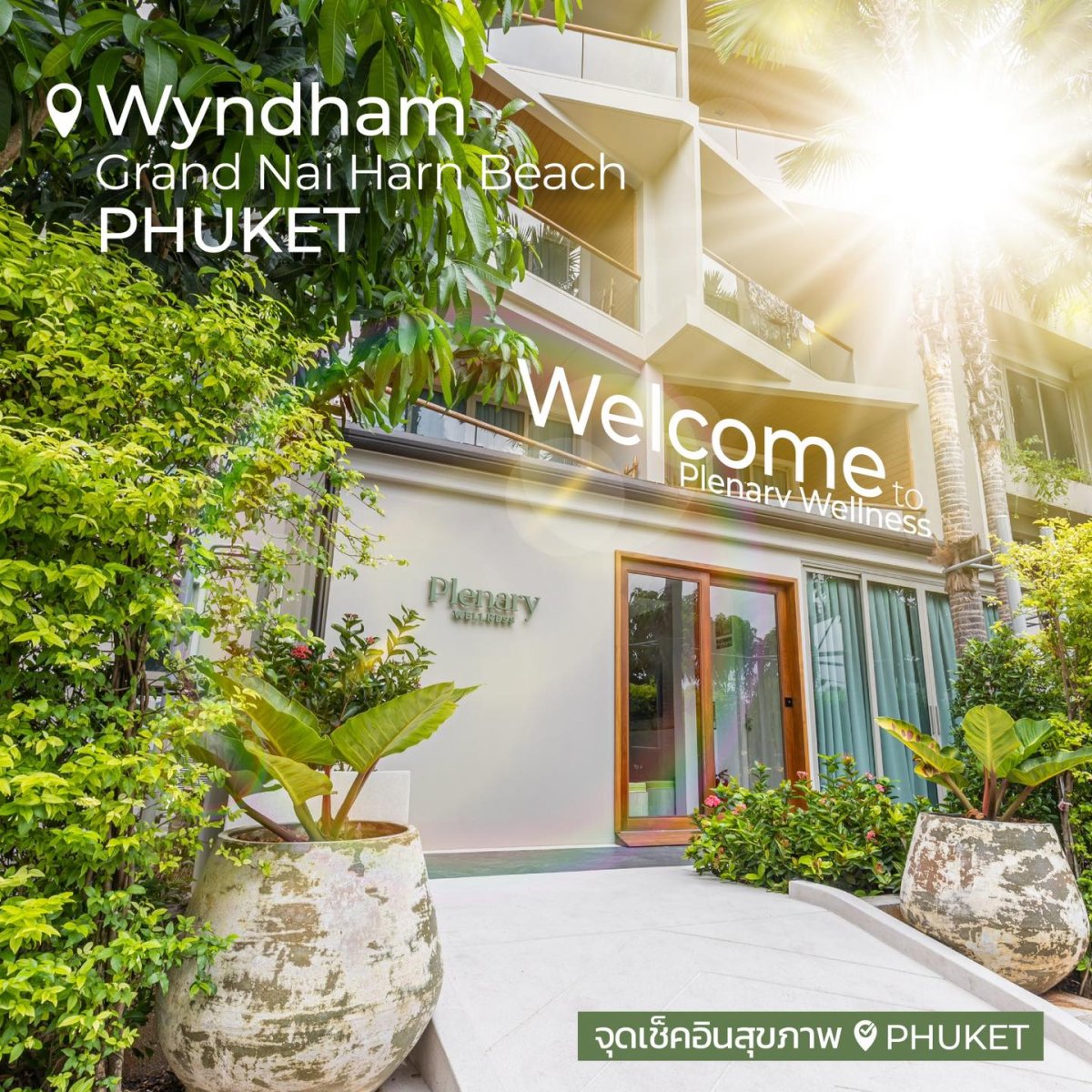
La Dra. Thamonwan Trongpanyachot (Dra. Bee) es médica en Plenary Wellness, Phuket, especializada en medicina estética, antienvejecimiento y regenerativa. Obtuvo su título de Doctora en Medicina (M.D.) en la Universidad Médica de Lublin, Polonia.
Es experta en tratamientos estéticos avanzados como Botox, rellenos dérmicos, Sculptra e inyectables bioestimuladores, con un enfoque en resultados naturales y duraderos. En medicina regenerativa, ofrece terapia capilar PRP, mesoterapia capila
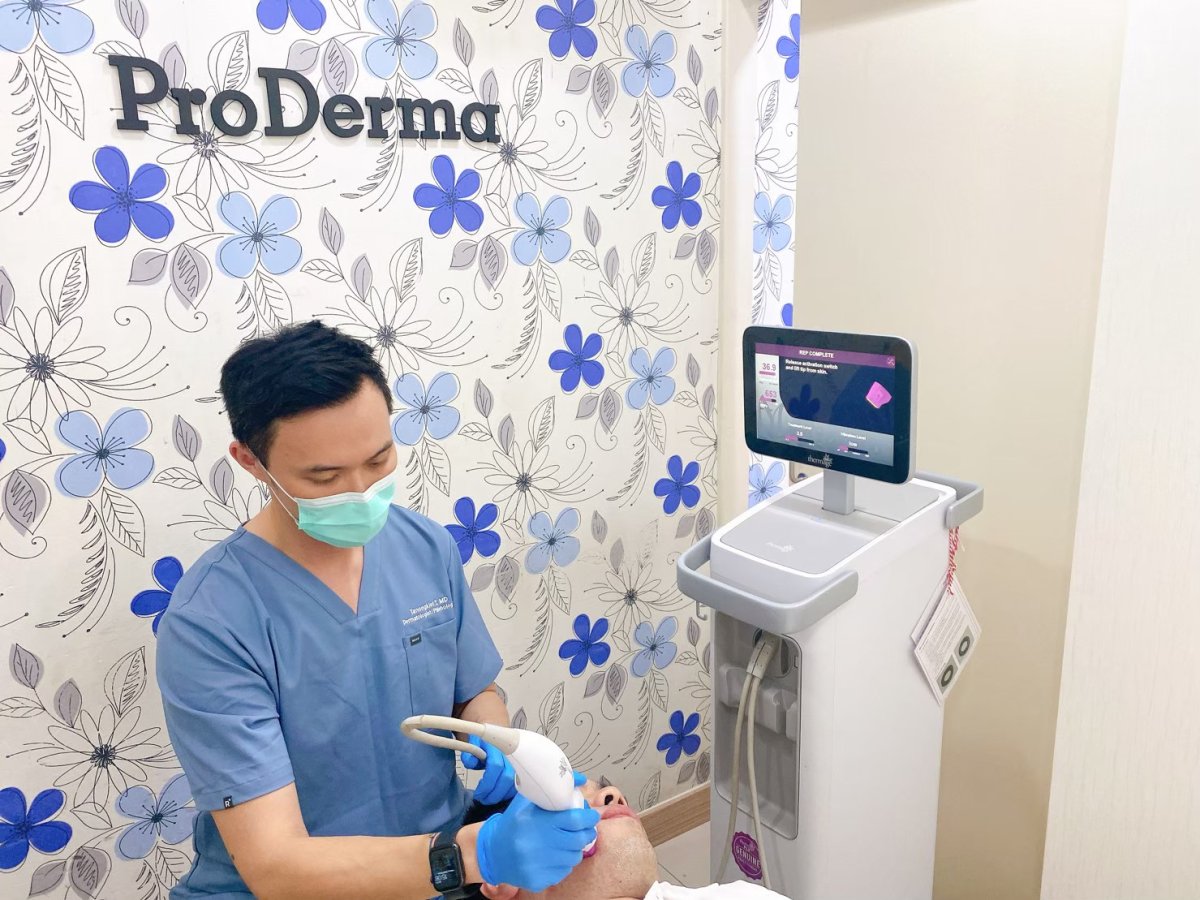
El Dr. Ariyapon Lortaraprasert se especializa en cirugía de restauración capilar, dermatología y medicina estética. Es miembro de la International Society of Hair Restoration Surgery (ISHRS), FUE Europe y World FUE Institute. Está certificado en el sistema robótico ARTAS.
Sus credenciales incluyen un Certificado en Dermatología (Sociedad Dermatológica de Tailandia) y un Certificado en Medicina Estética (AAAM). Tiene formación en Thermage, Restylane, Botox, Dysport, Juvederm y Ulthera.
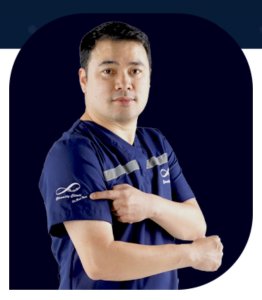
El Dr. Suebpong Angchoun combina su experiencia en urología con técnicas mínimamente invasivas, aplicando ahora sus habilidades de precisión en inyectables antiarrugas en Eternity Clinic.

Especializado en técnicas estéticas avanzadas con formación internacional en Corea e Italia – se centra en resultados antiarrugas de aspecto natural.
 Olena Sikoza
Los inyectables en Tailandia son seguros cuando los realizan médicos con licencia en instalaciones acreditadas por la JCI o centros estéticos especializados. Muchos médicos tailandeses, como los del Hospital Navamin9, poseen certificaciones internacionales de la American Academy of Aesthetic Medicine y utilizan marcas aprobadas por la FDA como Allergan, Restylane y Dysport.
Perspectiva de expertos de Bookimed: Los datos muestran que los principales especialistas tailandeses tratan a menudo a más de 500.000 pacientes al año en redes hospitalarias. Este volumen masivo conduce a una precisión técnica extrema. Algunos médicos, como la Dra. Pichayanith Sroysuwan, han realizado más de 60.000 procedimientos. Este nivel de experiencia reduce signif
Verifique la autenticidad de los inyectables en Tailandia confirmando que las clínicas posean la acreditación de la Joint Commission International y utilicen tecnología aprobada por la FDA. Asegúrese de que profesionales como el Dr. Ariyapon Lortaraprasert en el Hospital Navamin9 cuenten con certificaciones oficiales de fabricantes como Allergan o Galderma. Siempre verifique los códigos de lote de los viales a través de las aplicaciones oficiales del fabricante antes de la inyección.
Perspectiva del experto de Bookimed: Los centros de alto volumen como el Hospital Navamin9, que atiende a 500.000 pacientes al año, mantienen cadenas de suministro directas con distribuidores oficiales. Las clínicas boutique más pequeñas pueden ofrecer precios más b
Programe sus inyecciones antiarrugas durante los primeros 2 días de su viaje a Tailandia. Este tiempo permite que la hinchazón o los hematomas disminuyan en un plazo de 3 a 7 días antes de su vuelo. Reservar con antelación le asegura poder recuperarse en un ambiente con aire acondicionado para contrarrestar los efectos del calor tropical.
Perspectiva del experto de Bookimed: Los datos muestran que clínicas como el Navamin9 Hospital y el Plenary Wellness Center atienden a un gran volumen de pacientes internacionales. Es vital reservar con al menos 14 días de antelación. Las clínicas populares orientadas al turismo en Phuket y Bangkok suelen alcanzar su capacidad rápidamente durante las temporadas altas de viaje.
Consenso de los pacientes: Muchos viajeros recomiendan permanecer en interiores durante 48 horas después del tratamiento. Evi
El cuidado posterior para las inyecciones antiarrugas en Tailandia requiere mantener la cabeza elevada durante 4 horas y evitar el ejercicio extenuante durante 24 horas. Los pacientes no deben frotar ni masajear el área tratada para evitar que la toxina se propague a músculos faciales no deseados. Por lo general, se programa una visita de seguimiento a las 2 semanas.
Perspectiva del experto de Bookimed: Si bien el cuidado posterior básico es estándar, los centros tailandeses de gran volumen como el Hospital Navamin9 o el Harmony Life Center a menudo proporcionan suplementos de árnica para controlar de forma proactiva los hematomas. Nuestros datos muestran que las clínicas de primer nivel en Bangkok incluyen un seguimiento gratuito de 14 días. Esto garantiza que cualquier ajuste de simetría necesario se realice una vez que el producto se haya asentado por completo.
Consenso de los pacientes: Muchos viajeros
Tailandia ofrece marcas internacionales de primera calidad, incluyendo Botox de Allergan y Dysport de Ipsen, junto con alternativas coreanas de alta calidad como Nabota, Neuronox y Hugel. La autenticidad se verifica a través de aplicaciones de escaneo oficiales, números de registro de la FDA tailandesa y sellos de seguridad holográficos únicos proporcionados en cada vial.
Perspectiva del experto de Bookimed: Aunque el Botox sigue siendo el estándar de oro, nuestros datos muestran un cambio hacia marcas coreanas como Hugel y Nabota. Estos genéricos aprobados por la FDA tailandesa a menudo proporcionan resultados comparables a menores costos. Los pacientes deben priorizar clínicas como el Plenary Wellness Center que proporcionan el vial físico y el número de serie para una verificación independiente.
Las clínicas tailandesas ofrecen una amplia gama de marcas de inyectables aprobadas por la FDA de EE. UU., Europa y Corea del Sur. Los pacientes pueden acceder a toxinas de primera calidad como Allergan y Xeomin, junto con rellenos de alta calidad como Juvederm y Restylane. Los potenciadores de la piel (skin boosters) especializados como Rejuran y los bioestimuladores como Sculptra también están ampliamente disponibles.
Perspectiva del experto de Bookimed: Las clínicas en Tailandia a menudo se diferencian al ofrecer técnicas de inyección específicas, como el 7-point o 9-point shape del Allergan Medical Institute. La Dra. Karin Kulwacharamongkon del Harmony Life Center y otros especialistas suelen combinar estos métodos de marca con productos premium para lograr resultados de rejuvenecimiento facial no qui
Los cuidados posteriores para inyectables antiarrugas en Tailandia se centran en prevenir la migración de la toxina y asegurar que la fórmula se asiente correctamente. Los pacientes deben permanecer erguidos durante 4 horas y evitar frotarse la cara durante 24 horas. Los resultados completos suelen aparecer en un plazo de 10 a 14 días en centros acreditados por la JCI.
Perspectiva del experto de Bookimed: Los datos muestran que el momento de su cita es importante en climas tropicales como Bangkok o Phuket. Reservar una sesión por la mañana facilita seguir la regla de las 4 horas erguido antes del descanso nocturno. Especialistas con gran volumen de pacientes, como la Dra. Pichayanith Sroysuwan en el Harmony Life Center, han realizado más de 60.000 procedimientos. Esta experiencia es vital para identificar la profundidad de inyección precisa necesaria para prevenir la caída de los párpados.
Puede volar de forma segura entre 24 y 48 horas después de recibir inyectables antiarrugas en Tailandia. Aunque se trata de tratamientos no quirúrgicos, esperar 2 días permite que el producto se asiente correctamente. Este plazo evita posibles desplazamientos o migraciones causados por los cambios de presión en la cabina durante su vuelo de regreso.
Perspectiva de expertos de Bookimed: Muchos pacientes eligen centros acreditados por la JCI, como el Hospital Navamin9, para estos procedimientos. Los médicos expertos allí, incluidos los formados por la American Academy of Aesthetic Medicine, recomiendan encarecidamente la regla de las 48 horas. Esta breve espera es un pequeño sacrificio para garantizar que sus resultados permanezcan simétricos y estables.
Consenso de los pacientes: Los viajeros experimentados señalan que volar demasiado pron
Las áreas de tratamiento más frecuentes para inyectables antiarrugas en Tailandia incluyen la frente, la glabela (líneas de expresión) y las patas de gallo. Las clínicas especializadas en Bangkok y Phuket también se centran en inyecciones en el masetero para adelgazar la mandíbula y en rellenos dérmicos para el realce de labios o mejillas con el fin de lograr la simetría facial.
Perspectiva del experto de Bookimed: Los datos muestran una gran demanda de Botox en el masetero en clínicas tailandesas como el Hospital Navamin9, lo que refleja una preferencia regional por el contorno facial en forma de V. Mientras que los pacientes occidentales a menudo priorizan el suavizado de la frente, los viajeros internacionales en Tailandia combinan cada vez más el adelgazamiento de la mandíbula con inyecciones antienvejecimiento tradicionales para una transformación facial más compl
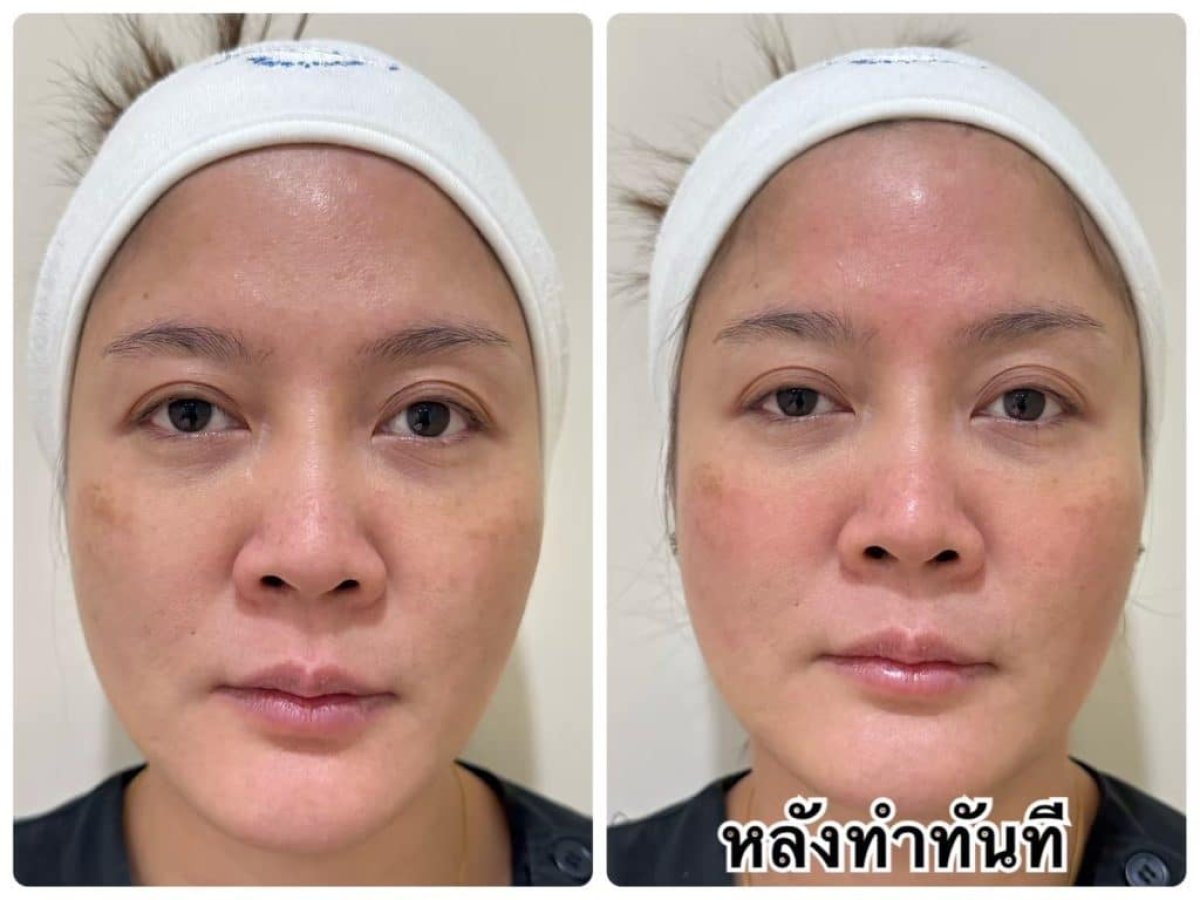
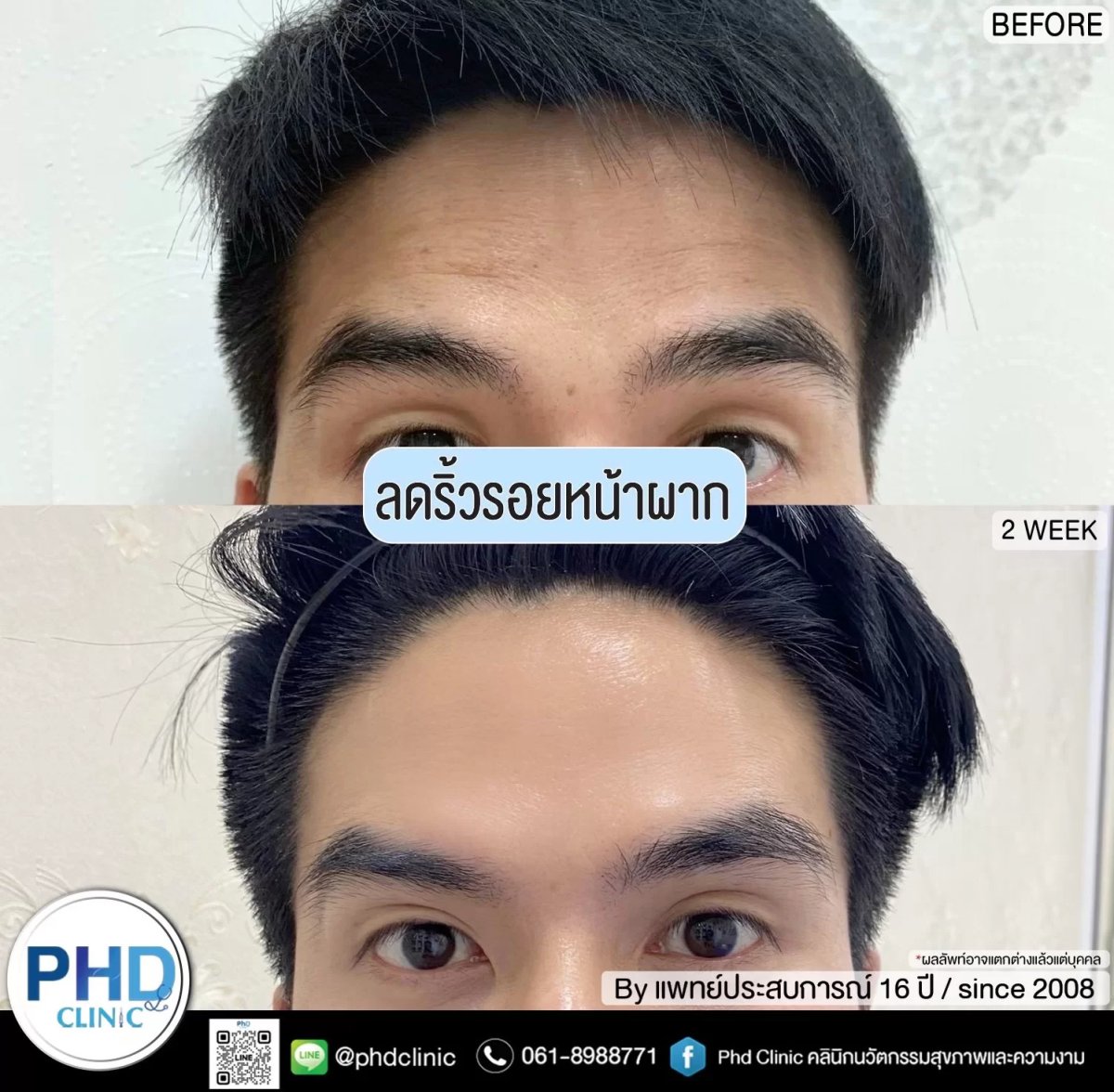
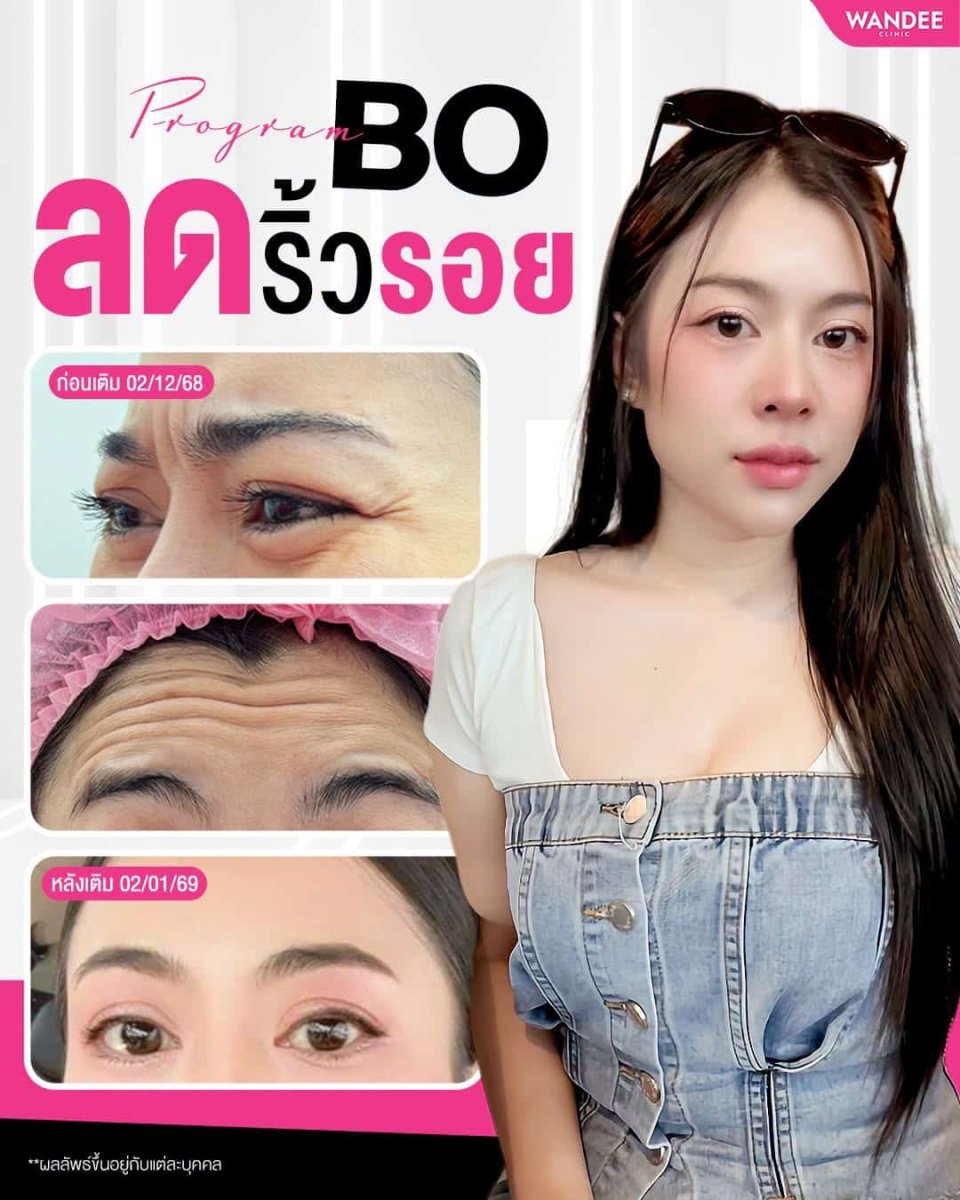
Los resultados de las inyecciones antiarrugas en Tailandia suelen aparecer en un plazo de 3 a 7 días, y el efecto suavizante completo alcanza su punto máximo a los 14 días. Estos resultados generalmente duran de 3 a 6 meses, aunque factores como un metabolismo alto o las expresiones faciales en entornos sociales pueden influir en la duración.
Perspectiva del experto de Bookimed: Los centros de gran volumen como el Hospital Navamin9, que atiende a 500,000 pacientes al año, a menudo brindan una mayor longevidad que los spas más pequeños. Sus médicos, como la Dra. Pichayanith Sroysuwan con más de 63,000 procedimientos, utilizan técnicas de dosificación precisas que evitan la decoloración prematura que a menudo se observa con unidades diluidas de bajo costo.
Consenso de los pacientes: Los pacientes inf