Tratamiento de VIH en Turquía — obtenga 3 coincidencias personalizadas de clínicas


Revisado médicamente por
Fahad Mawlood
Cómo funciona
¿Cuál es el precio del diagnóstico y los tratamientos de VIH en Turquía? Descubra ahora
El costo del tratamiento del VIH en Turquía varía según los procedimientos y diagnósticos específicos necesarios. Los diagnósticos iniciales, que incluyen análisis de sangre completos y evaluación del nivel de inmunosupresión, pueden costar entre 1.600 € y 3.350 €. Los procedimientos de diagnóstico más avanzados, incluidas las resonancias magnéticas y las exploraciones PET-CT, así como las consultas, pueden costar hasta 4.700 €. El plan de tratamiento total se personaliza según la condición del paciente y se determina después de una evaluación médica exhaustiva.
| España | Turquía | México | |
|---|---|---|---|
| Terapia con células madre para el VIH | ≈ $9,500 | ≈ $6,500 | ≈ $8,000 |
Descubra las mejores clínicas de tratamiento de VIH en Turquía: 22 opciones verificadas y Precios





Hospital Lokman Hekim de Estambul (Lokman Hekim Istanbul Hospital)


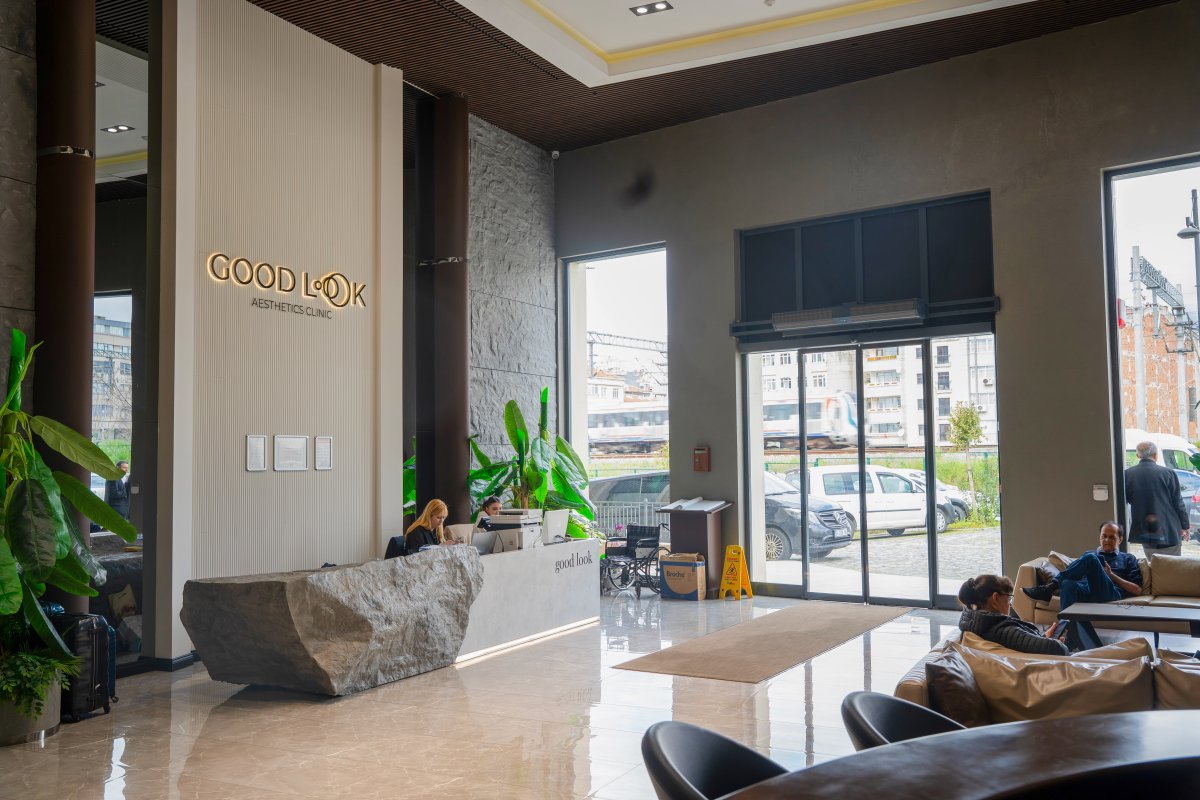







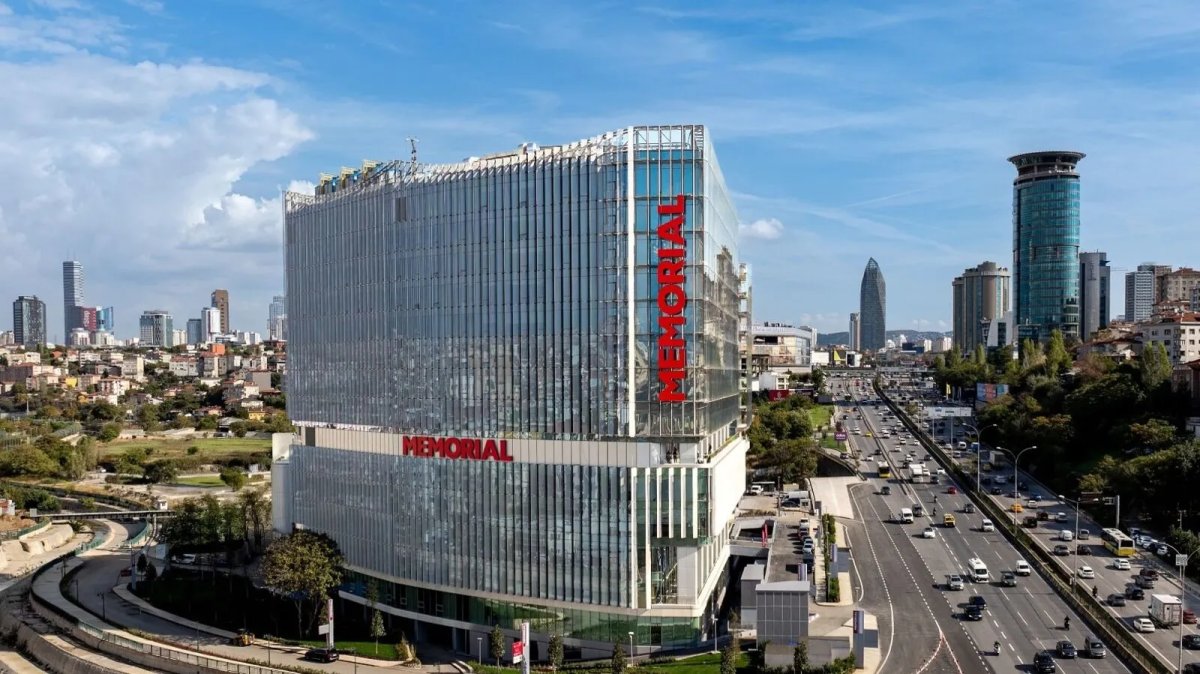
Memorial Göztepe Hospital
Obtenga una evaluación médica de tratamiento de VIH en Turquía: haga una consulta con 8 médicos experimentados ahora
Ver todos los médicos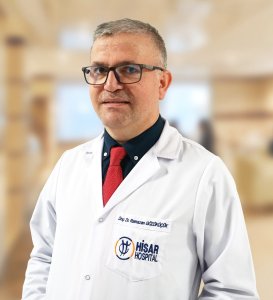
Ramazan Gozukucuk
El Dr. Ramazan Gozukucuk es especialista en enfermedades infecciosas en el Hospital Hisar Intercontinental de Estambul. Se especializa en el tratamiento de hepatitis viral, infecciones hospitalarias y enfermedades relacionadas con los viajes. Obtuvo certificados de competencia en enfermedades infecciosas y microbiología clínica. El Dr. Gozukucuk trabaja en un centro acreditado por la JCI que trata a más de 500.000 pacientes cada año.
- Participó en más de 35 congresos médicos naciona
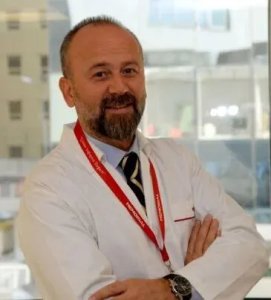
Servet Alan
El Dr. Servet Alan es especialista en Enfermedades Infecciosas y Microbiología Clínica. Trabaja en el Hospital Memorial Ataşehir (2010–presente) y en el Hospital Memorial Şişli (2000–presente). Anteriormente trabajó en el Hospital de Formación e Investigación Haseki (1997–2012).
Educación: Doctor en Medicina (MD), Universidad de Estambul (1983–1989). Maestría en Enfermedades Infecciosas Pediátricas (1991–1993). Residencia en Enfermedades Infecciosas y Microbiología Clínica, Universidad

Suleyman Hilmi Ipekci
El Dr. Suleyman Hilmi Ipekci es profesor de endocrinología en la Universidad Atlas. Trata trastornos hormonales complejos, cánceres de tiroides y enfermedades de la hipófisis. Ejerce en el Hisar Hospital Intercontinental de Estambul. Esta instalación acreditada por la JCI atiende a más de 500.000 pacientes al año. El Dr. Ipekci obtuvo su título de médico y realizó su residencia en la Universidad de Estambul.
- Autor de más de 40 artículos en revistas internacionales con 230 citas.<
Aziz Hamidi
Reseñas
Todas las reseñas

Artículos relacionados

Métodos para el tratamiento del VIH y el SIDA
Escrito por Veronika Kazina

Métodos de tratamiento del SIDA en Israel
Escrito por Veronika Kazina

Intentaron curar el cáncer pero curaron... ¡VIH!
Escrito por Veronika Kazina
Compartir contenido
Historias en video de pacientes de Bookimed
 Olena Sikoza
Preguntas frecuentes sobre el tratamiento de VIH en Turquía
¿Existen restricciones de entrada, residencia o visado para los viajeros que viven con el VIH en Turquía?
Turquía no impone restricciones de entrada, residencia o visado basadas en el estado serológico respecto al VIH. Los viajeros no están obligados a revelar su estado ni a someterse a pruebas para obtener visados estándar. Los extranjeros pueden traer medicamentos antirretrovirales para uso personal. Los permisos de residencia no exigen pruebas de detección del VIH a los solicitantes.
- Entrada de viajeros: No existen pruebas obligatorias de VIH para los turistas en ninguna frontera o aeropuerto turco.
- Reglas sobre medicamentos: Lleve tres meses de medicamentos antirretrovirales en su envase original con una receta médica.
- Permisos de residencia: Los exámenes de salud para la residencia a largo plazo se centran en la tuberculosis y la hepatitis en lugar del VIH.
- Leyes matrimoniales: El matrimonio requiere un informe de salud, pero el estado seropositivo no puede impedir legalmente la ceremonia.
Perspectiva de expertos de Bookimed: La política sanitaria turca favorece actualmente el turismo médico, como lo demuestran las 140.429 solicitudes atendidas a través de nuestra plataforma. Clínicas como el Medicalpoint International Hospital mantienen la acreditación de la Joint Commission International y bajas tasas de infección. Aunque la entrada a corto plazo no tiene restricciones, los residentes a largo plazo deben tener en cuenta que la cobert
¿Pueden los pacientes internacionales acceder a tratamiento gratuito contra el VIH mientras están en Turquía?
Los pacientes internacionales no pueden acceder a tratamiento gratuito contra el VIH en Turquía sin un registro activo en la Institución de Seguridad Social (SSI/SGK). Esto requiere un permiso de trabajo o residencia válido. Los pacientes deben recibir su diagnóstico después de que comience su cobertura de seguro. Los visitantes de corta duración y los turistas deben pagar todos los medicamentos y consultas de su propio bolsillo.
- Requisito de seguro: La inscripción activa en la SSI es obligatoria para la terapia antirretroviral (TAR) subvencionada por el estado.
- Lugar de diagnóstico: La cobertura pública generalmente requiere un diagnóstico confirmado de un centro de salud turco.
- Costos de los medicamentos: Los paquetes antirretrovirales mensuales como Eviplera pueden costar aproximadamente entre 850 y 1.400 dólares.
- Diagnósticos iniciales: Los paneles sanguíneos completos en hospitales privados oscilan entre 1.000 y 3.000 dólares.
Opinión de expertos de Bookimed: Si bien los hospitales públicos brindan el único camino hacia la atención gratuita, los pacientes internacionales a menudo enfrentan retrasos burocráticos. Los datos de Bookimed muestran que proveedores especializados como el Hisar Hospital Intercontinental atienden a más de 250.000 pacientes al año con gran eficiencia. Para aquellos que pagan de su bolsillo, elegir un centro
¿Dónde se proporciona el tratamiento contra el VIH en Turquía?
El tratamiento contra el VIH en Turquía es accesible principalmente a través de departamentos especializados en enfermedades infecciosas y microbiología clínica. Los principales centros, incluidos Estambul, Ankara e Esmirna, brindan una atención integral. Las redes privadas acreditadas como Memorial Health Group y Hisar Hospital Intercontinental ofrecen diagnósticos rápidos y apoyo multidisciplinario para pacientes internacionales.
- Instalaciones especializadas: El tratamiento se centraliza en hospitales universitarios y centros privados acreditados por la JCI.
- Diagnóstico avanzado: Las clínicas utilizan paneles de ARN del VIH y consultas detalladas con hepatólogos.
- Protocolos de tratamiento: Los especialistas prescriben terapias antirretrovirales modernas, incluyendo Tivicay, Truvada y Eviplera.
- Supervisión experta: Médicos como el profesor asociado Husrev Diktas cuentan con formación especializada de Yale.
Perspectiva del experto de Bookimed: Si bien los hospitales universitarios públicos atienden el mayor volumen de pacientes, los centros privados como el Hospital Memorial Şişli ofrecen una ventaja clara para los viajeros internacionales. Esta instalación fue la primera en Turquía en obtener la acreditación JCI y mantiene una infraestructura masiva con 92 departamentos especializados. Para los pacientes que provienen de 167 países dif
¿Cómo puedo llevar mis medicamentos personales contra el VIH a Turquía de forma segura?
Puede llevar medicamentos contra el VIH a Turquía de forma segura si lleva una receta médica válida o un informe médico. Los medicamentos deben permanecer en su envase original etiquetado. Turquía no tiene restricciones de entrada para las personas que viven con el VIH. Los viajeros pueden llevar un suministro de hasta 3 meses para uso personal.
- Documentación requerida: Lleve una carta del médico que indique el nombre genérico y la dosis.
- Reglas de empaque: Mantenga todas las pastillas en sus envases originales con las etiquetas de la farmacia adheridas.
- Límites de cantidad: Limite el suministro total a 90 días para evitar sospechas de uso comercial.
- Ubicación en el equipaje: Guarde todos los medicamentos en el equipaje de mano para evitar pérdidas.
- Declaración en aduana: Declare proactivamente los medicamentos a los funcionarios de aduanas para garantizar una entrada sin problemas.
Perspectiva de expertos de Bookimed: Si bien los visitantes de corta duración enfrentan pocos obstáculos, aquellos que buscan estancias a largo plazo deben tener en cuenta que la atención especializada del VIH en Turquía se concentra en los principales centros. Especialistas como el Dr. Husrev Diktas en Medipol y el profesor asociado Sinan Mermer en İzmir brindan una gestión experta. Esta concentración regional significa que los pac