Tratamiento de Meningioma en Turquía — obtenga 3 coincidencias personalizadas de clínicas


Revisado médicamente por
Fahad Mawlood
Cómo funciona
¿Cuál es el precio del diagnóstico y los tratamientos de Meningioma en Turquía? Descubra ahora
El costo total del tratamiento de meningioma en Turquía varía según el plan de tratamiento específico y los procedimientos requeridos. Por ejemplo, una consulta con un neurocirujano cuesta aproximadamente 132 €, mientras que un procedimiento que involucra resección tumoral con neuronavegación y aspirador ultrasónico tiene un precio de 17.890 €. Procedimientos adicionales como el tratamiento con Gamma Knife comienzan en 6.580 €. El plan de tratamiento se finaliza después de una evaluación exhaustiva por parte de profesionales médicos, asegurando un enfoque personalizado para cada paciente.
| España | Turquía | México | |
|---|---|---|---|
| TrueBeam | ≈ $12,000 | ≈ $7,500 | ≈ $7,500 |
| Radioterapia para el cáncer colorrectal | de $7,500 | de $5,000 | ≈ $6,000 |
| Halcyon | ≈ $6,500 | ≈ $9,500 | ≈ $14,000 |
| Gamma Knife | de $24,900 | de $5,500 | ≈ $9,500 |
| Eliminación de meningioma | de $27,800 | de $10,500 | de $15,000 |
Descubra las mejores clínicas de tratamiento de Meningioma en Turquía: 35 opciones verificadas y Precios
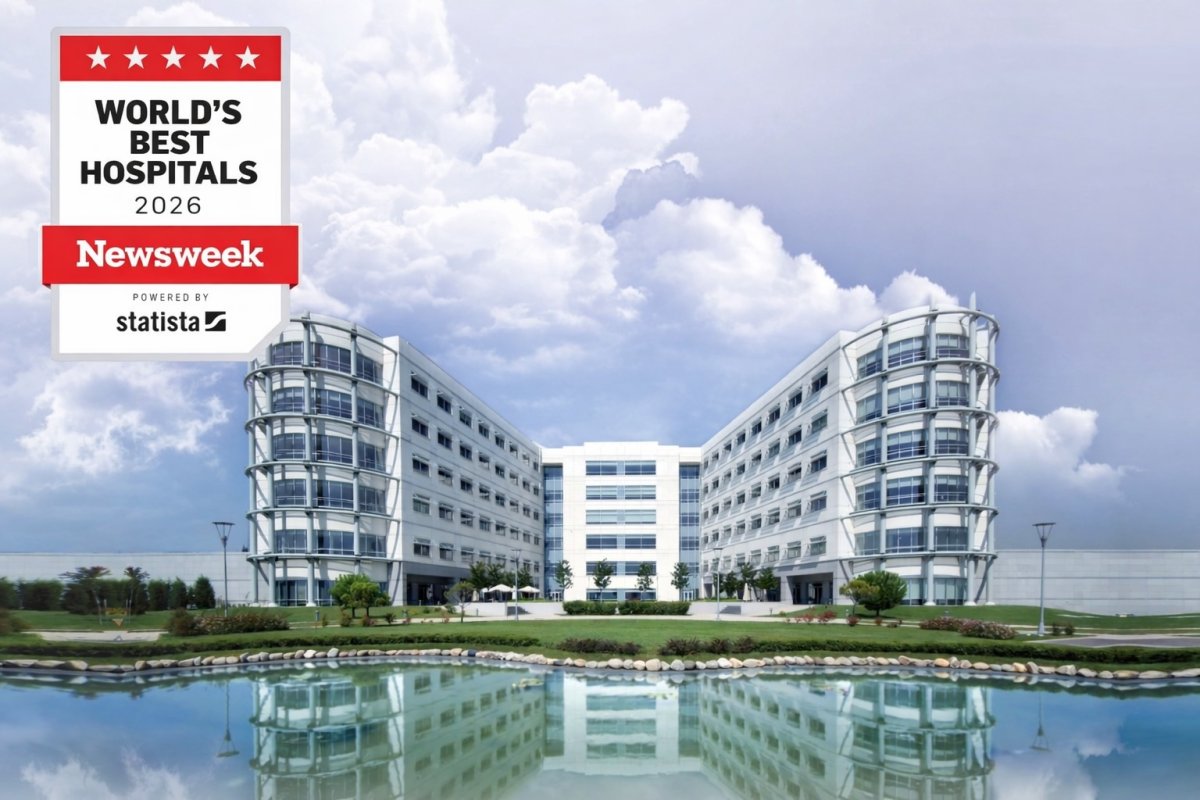











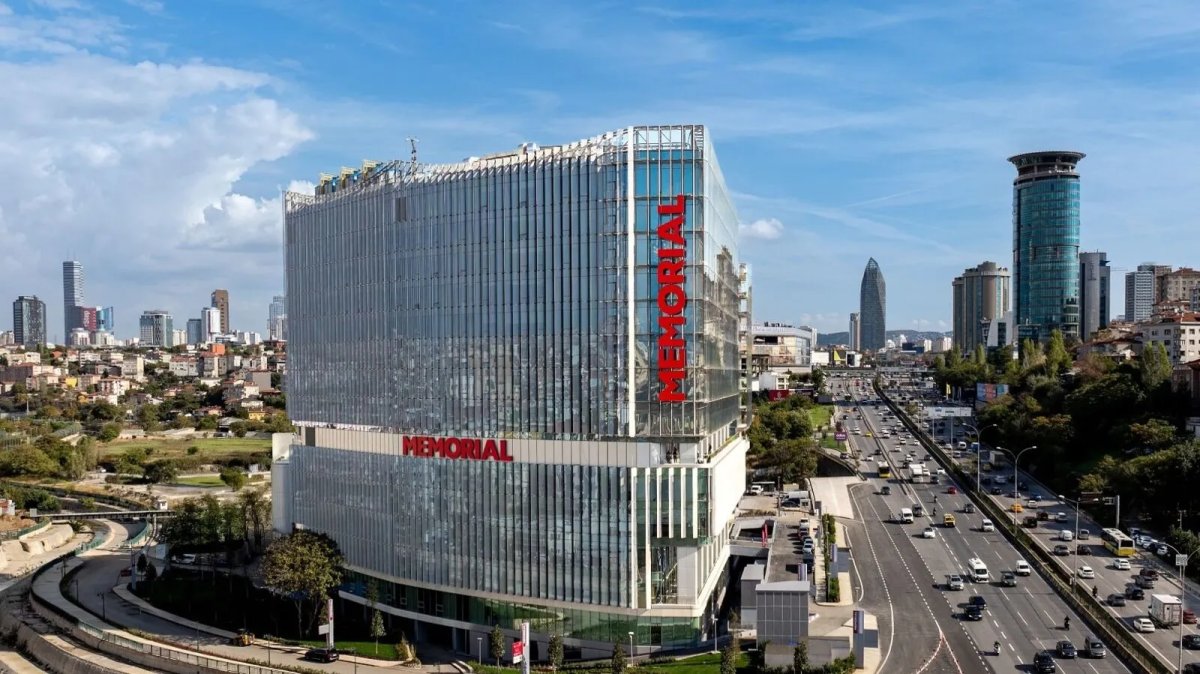
Memorial Göztepe Hospital
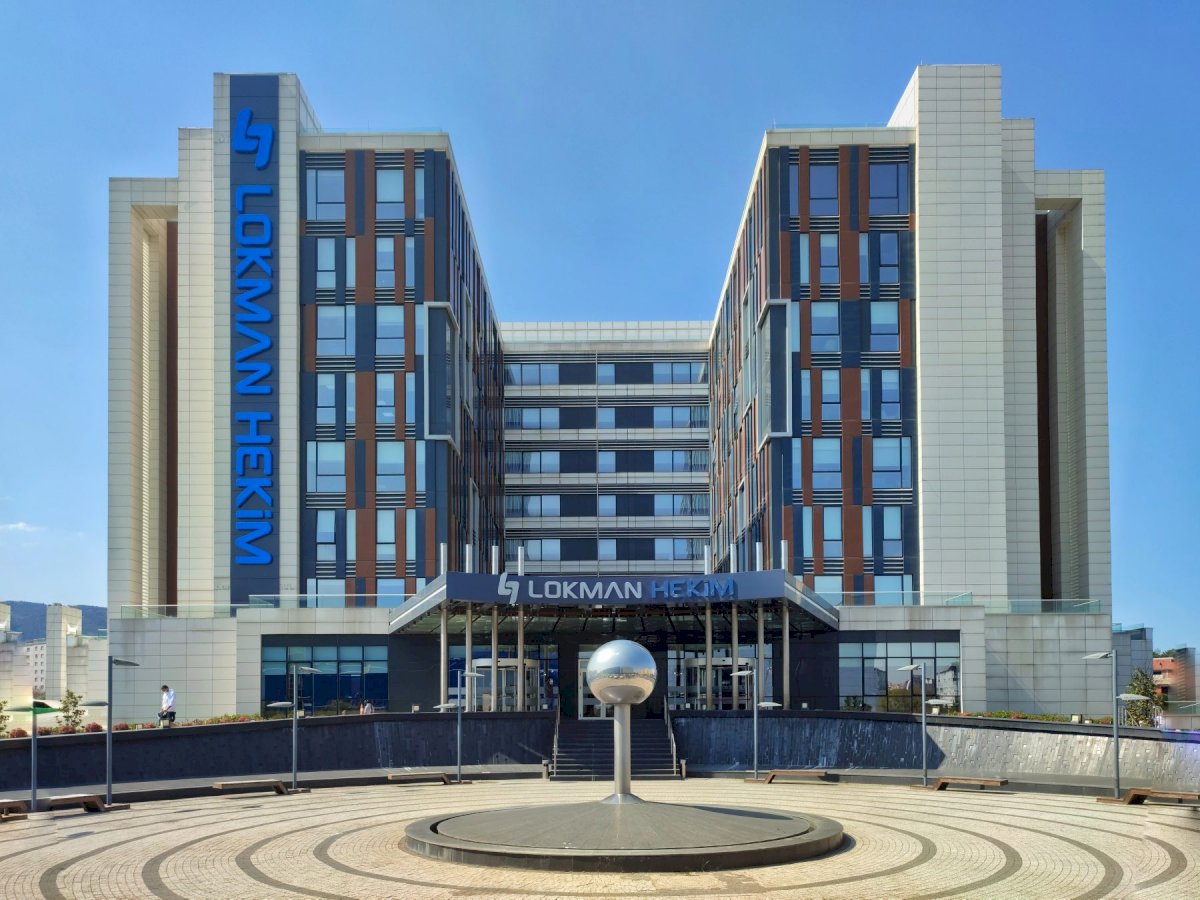
Hospital Lokman Hekim de Estambul (Lokman Hekim Istanbul Hospital)



Obtenga una evaluación médica de tratamiento de Meningioma en Turquía: haga una consulta con 42 médicos experimentados ahora
Ver todos los médicos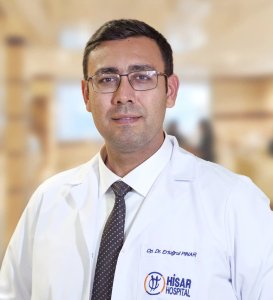
Ertugrul Pinar
El Dr. Ertugrul Pinar es neurocirujano en el Hisar Hospital Intercontinental de Estambul. Trata a pacientes adultos y pediátricos con enfermedades complejas del cerebro y la columna vertebral. El Dr. Pinar se centra en tumores cerebrales, aneurismas vasculares y patologías de la base del cráneo. Trabaja en un hospital acreditado por la JCI que atiende a más de 500.000 pacientes al año.
- Realiza procedimientos especializados, incluyendo la resección transnasal de tumores y la reparac
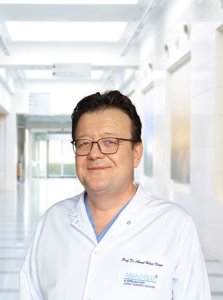
Ahmet Hilmi Kaya
El Prof. Dr. Ahmet Hilmi Kaya es profesor de neurocirugía en el Centro Médico Anadolu, en Gebze (Turquía). Obtuvo el título de médico (MD) en la Universidad de Estambul, Cerrahpaşa (programa en inglés), donde realizó la residencia en neurocirugía entre 1996 y 2003. Fue nombrado profesor en 2015. Realizó estancias de observación en la Universidad de Maastricht en 2007 y 2009.
Su actividad clínica abarca la neurocirugía funcional y estereotáxica, incluida la estimulación cerebral profund
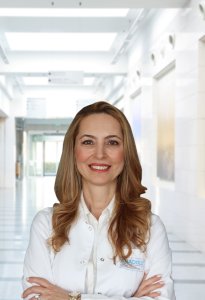
Banu Atalar
La Dra. Banu Atalar es oncóloga radioterápica con certificación de especialidad (Turquía, 2004). Es catedrática en la Universidad Acibadem MAA (2018–presente) y médica en Anadolu Medical Center (2026–presente). Se formó en Estambul y en Cerrahpaşa. En 2011 completó una beca de investigación clínica en Stanford en radiocirugía estereotáctica. Su práctica se centra en tumores del SNC, torácicos y gastrointestinales. Aproximadamente el 75% de su actividad clínica implica SRS y SRS adaptativa gui
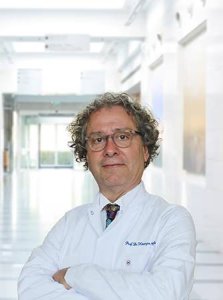
Huseyin Baloglu
El Prof. Hüseyin Baloğlu es especialista en patología en el Centro Médico Anadolu, en Gebze, Kocaeli, Turquía. Se centra en la patología molecular y quirúrgica, y en la biopsia y el diagnóstico de tumores.
Formación y acreditaciones: Médico (MD), Escuela de Medicina de GATA (1986). Especialidad en Patología, GATA (1992). Profesor asociado (Doçent), GATA (2004). Investigador visitante en el Albert Einstein College of Medicine (Nueva York) y la Universidad de Heidelberg.
Logros: a
Reseñas
Todas las reseñasCompartir contenido
Historias en video de pacientes de Bookimed
 Olena Sikoza
Preguntas frecuentes sobre el tratamiento de Meningioma en Turquía
¿Es siempre necesaria la cirugía para un meningioma?
La cirugía no siempre es necesaria para un meningioma. Los médicos suelen recomendar la observación para tumores pequeños de crecimiento lento. Alternativas no invasivas como Gamma Knife o CyberKnife tratan tumores en ubicaciones difíciles. La intervención quirúrgica suele reservarse para tumores grandes o agresivos de grado 2 y 3 que causan síntomas.
- Observación y espera: Las resonancias magnéticas regulares monitorean tumores pequeños que no muestran síntomas.
- Radioterapia: Los haces de alta energía se dirigen a las lesiones cuando la cirugía es físicamente demasiado arriesgada.
- Tecnología CyberKnife: Este sistema no invasivo trata tumores pequeños con precisión submilimétrica.
- Manejo de síntomas: El tratamiento comienza si los tumores causan convulsiones, pérdida de visión o debilidad.
Perspectiva del experto de Bookimed: Los centros de neurocirugía turcos como el Anadolu Medical Center a menudo ofrecen CyberKnife para casos que otras clínicas podrían etiquetar como inoperables. Más del 40% de los casos que vemos se manejan sin cirugía abierta. Esta tendencia favorece a los pacientes con tumores cerca de nervios ópticos delicados o del tronco encefálico. CyberKnife a menudo preserva mejor las funciones que la resección invasiva en estas áreas sensibles.
Consenso de los pacientes: Los pacientes inicialmente pre
¿Cuáles son las principales opciones de tratamiento para el meningioma disponibles en Turquía?
El tratamiento primario para el meningioma en Turquía incluye la resección microquirúrgica y la radioterapia de precisión. Los cirujanos utilizan neuronavigación y resonancia magnética intraoperatoria para la extirpación precisa del tumor. Las opciones no invasivas como Gamma Knife y CyberKnife se dirigen a tumores inoperables. Muchos centros de neurocirugía turcos cuentan con la acreditación JCI por seguridad.
- Microcirugía: Los cirujanos utilizan microscopios de alta potencia para extirpar tumores preservando el tejido cerebral.
- Gamma Knife: Este sistema de radiación preciso trata tumores pequeños sin realizar incisiones.
- CyberKnife: Un sistema robótico administra haces enfocados a tumores en ubicaciones sensibles.
- Monitoreo activo: Los médicos realizan un seguimiento de los meningiomas asintomáticos de crecimiento lento mediante resonancias magnéticas regulares.
Perspectiva del experto de Bookimed: El Centro Médico Anadolu destaca por su afiliación con Johns Hopkins. Esta asociación trae protocolos de oncología de nivel estadounidense a la región. El centro ofrece tecnologías especializadas de CyberKnife y Gamma Knife. Estos sistemas permiten a los médicos tratar casos complejos sin la cirugía abierta tradicional.
Consenso de los pacientes: Los pacientes señalan que es importante elegir clínicas que ofrezcan si
¿Cuál es la tasa de éxito de la cirugía de meningioma en Turquía?
Los neurocirujanos en Turquía reportan tasas de éxito superiores al 90% para los procedimientos de extirpación de meningiomas. Los centros especializados mantienen una tasa de éxito del 91% en neurocirugías intracraneales utilizando neuronavigación avanzada. El control de tumores benignos suele alcanzar el 95%. Los casos de etapa temprana de Grado I muestran una remisión a largo plazo en el 85% de los pacientes.
- Precisión quirúrgica: La resonancia magnética intraoperatoria y los sistemas de neuronavigación utilizados en centros acreditados por la JCI garantizan la precisión.
- Tasas de supervivencia: Los principales departamentos de neurocirugía reportan tasas de supervivencia general de hasta el 91%.
- Eficacia de la radiocirugía: Los tratamientos con CyberKnife y Gamma Knife logran un control tumoral del 90% al 95%.
- Registros de seguridad: Los hospitales turcos de primer nivel reportan una tasa de supervivencia del 99% para estos procedimientos complejos.
- Control de recurrencia: La recurrencia en casos benignos se mantiene baja, en aproximadamente un 3% después de la extirpación completa.
Perspectiva del experto de Bookimed: El éxito a menudo depende de la disponibilidad de equipos específicos más que solo de la habilidad del cirujano. Centros como el Memorial Hospital y el Liv Hospital priorizan los quirófanos h
¿Cuánto dura la estancia hospitalaria y el período de recuperación general después de una cirugía de meningioma?
La mayoría de los pacientes permanecen en el hospital de 3 a 7 días después de la cirugía de meningioma. El período total de recuperación para volver al trabajo suele durar de 6 a 12 semanas. Los centros especializados en Turquía priorizan la movilización temprana para mejorar los resultados y acelerar el alta.
- Monitoreo en UCI: Los pacientes suelen pasar la primera noche en cuidados intensivos para una estrecha vigilancia.
- Cuidado de heridas: Los cirujanos suelen retirar los puntos o grapas 14 días después del procedimiento.
- Actividad física: Se restringe levantar más de 4,5 kg (10 libras) durante al menos 1 mes.
- Curación cerebral: La curación significativa del tejido cerebral y la recuperación de energía toman de 6 a 12 meses.
Perspectiva del experto de Bookimed: Los centros oncológicos turcos a menudo utilizan neuroravegación y neuromonitoreo durante la extirpación de meningiomas. Estas tecnologías ayudan a preservar el tejido cerebral sano. Nuestros datos muestran que esta precisión a menudo reduce las estancias en la UCI a solo 24 horas. Las estancias más cortas en la UCI ayudan a los pacientes a comenzar la fisioterapia mucho más rápido.
Consenso de los pacientes: Los pacientes enfatizan que la fatiga extrema es normal durante el primer mes en casa. Muchos sugieren tener un cuidador listo durante al menos 2
¿Qué hospitales acreditados por la JCI en Turquía tienen más experiencia en el tratamiento de meningiomas?
El Anadolu Medical Center y el Hospital Memorial Bahcelievler son los principales centros acreditados por la JCI en Turquía para el tratamiento de meningiomas. Estos centros emplean neurocirujanos certificados especializados en tumores de la base del cráneo. Los planes de tratamiento utilizan sistemas avanzados como Gamma Knife, CyberKnife y neuronavigación para garantizar una alta precisión.
- Anadolu Medical Center: Afiliado a Johns Hopkins Medicine para revisiones multidisciplinarias de comités de tumores.
- Neurocirujano principal: El Dr. Serdar Kahraman aporta más de 35 años de experiencia quirúrgica de alto volumen.
- Memorial Bahcelievler: Cuenta con quirófanos de neurocirugía avanzados con herramientas modernas de resonancia magnética intraoperatoria y navegación.
- Medipol University Hospital: Utiliza Gamma Knife para el tratamiento no invasivo de tumores cerebrales profundos.
Perspectiva de expertos de Bookimed: Nuestros datos clínicos destacan al Dr. Serdar Kahraman en el Anadolu Medical Center. Aporta más de 35 años de experiencia en cirugías cerebrales complejas. Anadolu atiende a un gran volumen de pacientes internacionales cada año. Esta profundidad clínica garantiza un manejo seguro de los tumores cercanos al nervio óptico. Muchas clínicas ofrecen tecnología similar, pero pocas poseen este volumen quirúrgico.
Cons
¿Puede un meningioma reaparecer después del tratamiento y qué seguimiento se recomienda?
Los meningiomas pueden reaparecer incluso después de un tratamiento exitoso. Los tumores de grado 1 muestran una recurrencia del 50 % en 20 años. Los tumores de grado 2 y 3 regresan con mayor frecuencia. Es esencial un seguimiento de por vida con resonancia magnética (RM) con contraste. Esto permite monitorear el sitio para detectar cualquier recrecimiento o nuevo tejido tumoral.
- RM de seguimiento: Los escaneos se realizan cada 3 a 6 meses para casos de alto grado.
- Monitoreo de tumores benignos: Los casos de grado 1 generalmente pasan a escaneos anuales o bienales.
- Extensión quirúrgica: La extirpación total del tumor y la duramadre minimiza los riesgos futuros.
- Grado del tumor: Los grados de la OMS más altos requieren programas de imágenes más frecuentes e intensivos.
Perspectiva del experto de Bookimed: Los centros de neurocirugía turcos a menudo integran la RM intraoperatoria (iMRI) durante la resección inicial. Esta tecnología ayuda a los cirujanos a confirmar la extirpación total antes de cerrar el cráneo. Nuestros datos muestran que esta precisión reduce significativamente la necesidad de radiación secundaria posterior. Este enfoque proactivo ayuda a mantener tasas de recurrencia a largo plazo más bajas para los pacientes.
Consenso de los pacientes: Los pacientes destacan el alivio de tener un cronograma de