Tratamiento de Parálisis de las cuerdas vocales en Turquía — obtenga 3 coincidencias personalizadas de clínicas


Revisado médicamente por
Fahad Mawlood
Cómo funciona
¿Cuál es el precio del diagnóstico y los tratamientos de Parálisis de las cuerdas vocales en Turquía? Descubra ahora
Descubra las mejores clínicas de tratamiento de Parálisis de las cuerdas vocales en Turquía: 3 opciones verificadas y Precios






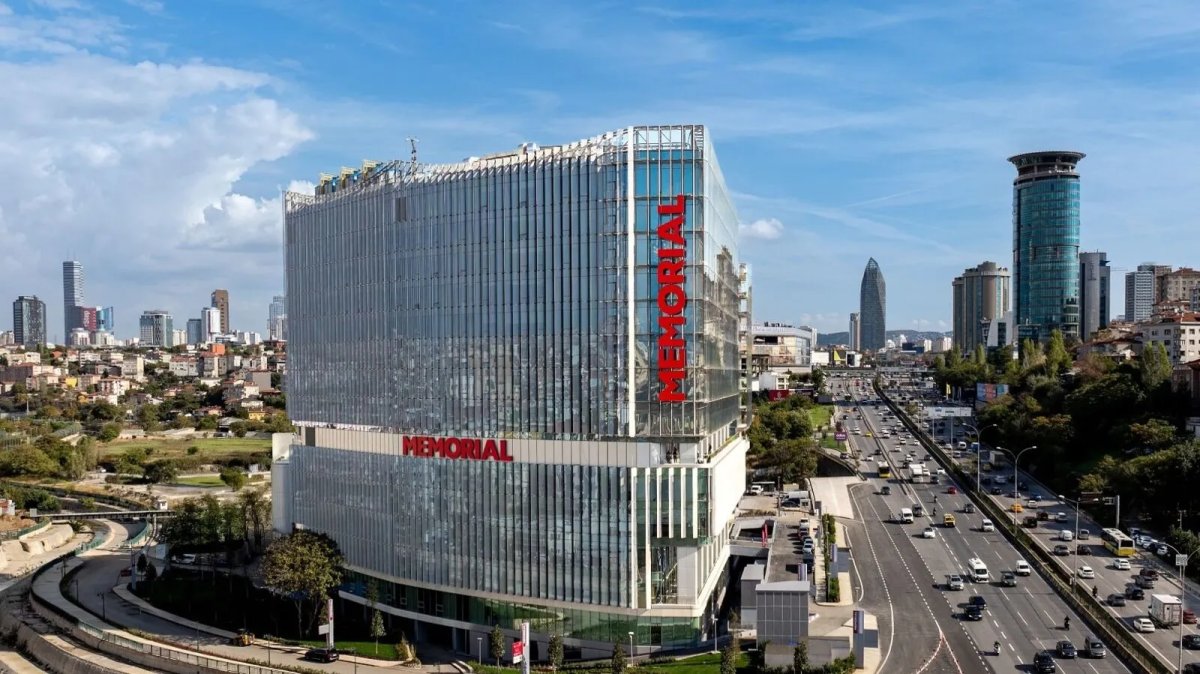
Memorial Göztepe Hospital
Obtenga una evaluación médica de tratamiento de Parálisis de las cuerdas vocales en Turquía: haga una consulta con 10 médicos experimentados ahora
Ver todos los médicos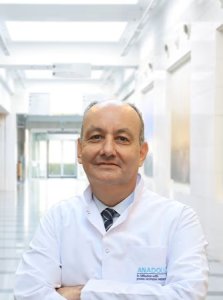
Mehmet Emre Ustundag
El Prof. Dr. M. Emre Üstündağ es profesor de Otorrinolaringología–Cirugía de Cabeza y Cuello en el Anadolu Medical Center de Gebze. Es profesor en la Universidad de Kocaeli desde 2006. Completó su título de médico (MD) y la residencia en ORL en la Universidad de Estambul entre 1983 y 1995. Ha trabajado en las universidades de Estambul y Kocaeli y en los hospitales Acıbadem. Además, mantiene consulta privada desde 2006.
Enfoque clínico: oncología y cirugía de cabeza y cuello; rinología

Dogukan Aydenizoz
El Dr. Dogukan Aydenizoz se especializa en atención de otorrinolaringología con enfoque en la parálisis de las cuerdas vocales en el complejo hospitalario Medical Park Antalya.
- Más de nueve años de experiencia en otorrinolaringología y estética facial
- Formado en el Hospital de Formación e Investigación de Antalya
- Miembro de la Asociación Turca de Cirugía Plástica Facial
- Conocido por su precisión y enfoque centrado en el paciente

Yavuz Selim Yildirim
El Dr. Yavuz Selim YILDIRIM tiene una Maestría en Gestión de Hospitales e Instituciones de Salud y ha trabajado en muchas instituciones, como el Hospital de Capacitación e Investigación Haseki del Ministerio de Salud y la Universidad de Bezmialem.
Ha asistido a muchas conferencias internacionales y ganado premios, y tiene trabajos de investigación publicados.
Sus campos de especialización incluyen:
- la estética de la nariz;
- el implante coclear;
Erkan Vuralkan
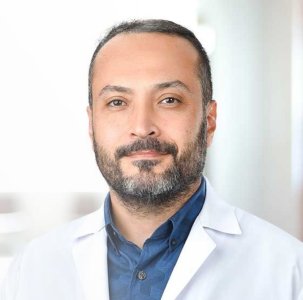
El Dr. Vuralkan es un especialista en otorrinolaringología con investigaciones notables sobre ototoxicidad y trastornos sinusales, contribuyendo a tratamientos avanzados de las cuerdas vocales en el Hospital VM Medical Park Florya.
- Certificado en otorrinolaringología con una década de experiencia
- Investigaciones galardonadas sobre ototoxicidad y afecciones sinusales
- Miembro de la Asociación Turca de Otorrinolaringología y Rinología
- Publicaciones en revistas internacionales sobre tratamientos nasales y del oído interno
- Especializado en procedimientos quirúrgicos y médicos de otorrinolaringología
Compartir contenido
Historias en video de pacientes de Bookimed
 Olena Sikoza
Preguntas frecuentes sobre el tratamiento de Parálisis de las cuerdas vocales en Turquía
¿Qué tipos de tratamientos para la parálisis de las cuerdas vocales están disponibles en Turquía?
Turquía ofrece tratamientos avanzados para la parálisis de las cuerdas vocales, incluyendo terapia vocal, laringoplastia por inyección y tiroplastia de medialización. Las clínicas especializadas en ORL en Estambul y Antalya utilizan los estándares de la Joint Commission International para realizar reinervación microquirúrgica y procedimientos asistidos por láser para el manejo de las vías respiratorias.
- Laringoplastia por inyección: Inyecciones de relleno mínimamente invasivas con ácido hialurónico o grasa.
- Tiroplastia de medialización: Reposicionamiento quirúrgico de la estructura para restaurar el volumen y la fuerza de la voz.
- Cirugía de reinervación: Técnicas especializadas de injerto nervioso para restaurar la función activa de las cuerdas vocales.
- Terapia vocal: Rehabilitación dirigida para mejorar la coordinación muscular y reducir la fatiga vocal.
Perspectiva del experto de Bookimed: Las clínicas de ORL turcas demuestran una alta capacidad técnica para casos complejos. El Dr. Furkan Sokmen y el Prof. Dr. Mehmet Emre Ustundag se especializan específicamente en laringología y tiroplastia en centros importantes. Estos especialistas a menudo trabajan en centros como el Centro Médico Anadolu o Memorial Şişli, que atienden a pacientes de más de 160 países, asegurando una amplia experiencia con los estándares médicos internacionales.
¿Están los especialistas en otorrinolaringología turcos cualificados en laringología y trastornos de la voz?
Los especialistas en otorrinolaringología (ORL) turcos están altamente cualificados en laringología y trastornos de la voz. Muchos poseen becas internacionales y certificaciones de consejos médicos. Los especialistas en centros acreditados por la JCI realizan procedimientos avanzados como la tiroplastia y la medialización. Expertos como el Prof. Dr. Mehmet Emre Ustundag se han formado en Stanford y en instituciones alemanas.
- Credenciales avanzadas: Los cirujanos a menudo poseen certificaciones del Consejo Europeo y becas de investigación clínica internacional.
- Procedimientos especializados: Los expertos realizan complejas tiroplastias y cirugías laríngeas endoscópicas para la parálisis de las cuerdas vocales.
- Experiencia académica: Los especialistas líderes publican investigaciones en revistas internacionales y ocupan cátedras en las mejores universidades.
- Formación internacional: Muchos médicos completan periodos de observación en instituciones como Johns Hopkins y el House Ear Institute.
Perspectiva del experto de Bookimed: La experiencia en laringología turca está altamente concentrada en hospitales vinculados a instituciones académicas. Por ejemplo, el Prof. Dr. Yasar Cokkeser en el Hospital Liv de la Universidad Istinye de Topkapi combina un gran volumen quirúrgico con la investigación. Sus más de 75 publicaciones y su formación en
¿Cuánto tiempo tarda la voz en recuperarse después de una cirugía de cuerdas vocales en Turquía?
La recuperación de la voz después de una cirugía de cuerdas vocales en Turquía suele requerir de 3 a 14 días de reposo estricto. La curación inicial se estabiliza en un plazo de 2 a 3 semanas. El ajuste vocal completo y la curación total del tejido suelen tardar de 6 a 12 meses en la mayoría de los pacientes.
- Reposo absoluto: Los pacientes deben mantener silencio total durante 3 a 5 días después de la cirugía.
- Uso inicial: El uso suave de la voz comienza generalmente de 1 a 2 semanas después del procedimiento.
- Terapia vocal: La rehabilitación especializada suele durar de 4 a 6 semanas para asegurar resultados funcionales adecuados.
- Fase de inflamación: La calidad de la voz puede disminuir temporalmente durante 4 días debido a la inflamación quirúrgica natural.
Perspectiva del experto de Bookimed: Los centros de otorrinolaringología turcos como el Hospital Memorial Sisli a menudo utilizan equipos multidisciplinarios que incluyen logopedas. Nuestros datos muestran que el Profesor Asociado Dr. Murat Damar, en el Hospital Optimed International, se especializa específicamente en trastornos de la voz. Los pacientes deben priorizar las clínicas con unidades de logopedia dedicadas para cerrar la brecha entre la curación quirúrgica y la claridad funcional.
Consenso de los pacientes: Los pacientes señalan que la voz a menu
¿Es la inyección en las cuerdas vocales un tratamiento permanente?
La inyección en las cuerdas vocales es un tratamiento duradero pero temporal para la insuficiencia glótica. Materiales como el ácido hialurónico duran de 2 a 3 meses. La hidroxiapatita de calcio puede durar hasta 2 años. Los resultados permanentes generalmente requieren cirugía de tiroplastia en lugar de solo inyecciones.
- Rellenos temporales: El ácido hialurónico proporciona volumen inmediato durante aproximadamente 2 a 3 meses.
- Rellenos de larga duración: Las inyecciones de hidroxiapatita de calcio mantienen los resultados durante 9 a 12 meses.
- Objetivo del tratamiento: Los médicos usan inyecciones temporales cuando la recuperación nerviosa aún es posible.
- Alternativas quirúrgicas: La tiroplastia de tipo 1 sigue siendo el estándar para el reposicionamiento permanente de las cuerdas vocales.
Opinión de experto de Bookimed: Los especialistas en otorrinolaringología turcos como el Dr. Murat Damar o el Prof. Mehmet Emre Ustundag suelen utilizar las inyecciones como un puente diagnóstico. Dado que las principales clínicas de Estambul atienden a pacientes de más de 160 países, priorizan estos rellenos reversibles. Esto permite a los cirujanos probar la mejora de la voz antes de comprometerse con cirugías invasivas permanentes.
Consenso de los pacientes: Los pacientes señalan que los cambios en la voz son a menudo inme
¿En qué centros se realizan habitualmente los tratamientos de parálisis de cuerdas vocales en Turquía?
Los tratamientos vocales especializados en Turquía se realizan en centros acreditados por la JCI en Estambul y Ankara. Estas instalaciones ofrecen servicios avanzados de laringología como inyección de aumento y tiroplastia. Las instituciones líderes incluyen el Hospital Memorial Şişli y el Hisar Hospital Intercontinental. Los cirujanos aquí se especializan en oncología de cabeza y cuello y rehabilitación de la voz.
- Instalaciones especializadas: El Hospital Memorial Şişli brinda atención integral de otorrinolaringología con sistemas robóticos avanzados.
- Opciones mínimamente invasivas: El Hisar Hospital Intercontinental ofrece procedimientos especializados para problemas de cuerdas vocales.
- Laringólogos expertos: El Prof. Dr. Mehmet Emre Ustundag en el Anadolu Medical Center se especializa en laringología.
- Diagnóstico avanzado: El Hospital Memorial Göztepe utiliza resonancia magnética (RM) de 3 Tesla con soporte de IA para imágenes precisas.
Opinión de experto de Bookimed: Los pacientes a menudo se enfocan en clínicas generales de otorrinolaringología. Los datos muestran que buscar hospitales con juntas de tumores multidisciplinarias, como el Hospital Memorial Göztepe, es más efectivo. Estos centros brindan atención especializada para parálisis complejas causadas por daños nerviosos o cirugías. Este alto nivel de especialización garantiza
¿Qué causa la parálisis de las cuerdas vocales que requiere estos tratamientos?
La parálisis de las cuerdas vocales ocurre cuando los impulsos nerviosos hacia la laringe se interrumpen, lo que a menudo requiere una intervención como una tiroplastia o una inyección de aumento. Las causas principales incluyen trauma quirúrgico del nervio laríngeo recurrente, tumores que presionan las vías nerviosas, infecciones virales o afecciones neurológicas como la enfermedad de Parkinson.
- Trauma quirúrgico: El daño a los nervios durante cirugías de tiroides, cuello, pecho o columna es una causa principal.
- Compresión neoplásica: Los tumores malignos o benignos en la tiroides, los pulmones o el cuello pueden invadir los nervios.
- Inflamación viral: Infecciones por virus como COVID-19 o Herpes pueden causar inflamación que daña los nervios.
- Lesión traumática: Un traumatismo contundente o penetrante en el cuello puede contusionar o seccionar los nervios.
Opinión de experto de Bookimed: Los datos de los pacientes muestran que las clínicas turcas a menudo tratan casos complejos que involucran lesiones quirúrgicas previas. El Prof. Dr. Mehmet Emre Ustundag, del Anadolu Medical Center, es especialista en laringología. Su formación incluye estudios en Stanford, lo cual es vital para una reinervación nervio-músculo precisa. Seleccionar a un especialista con experiencia internacional asegura un pronóstico de recuperación más preciso.
¿Cuál es el tiempo de recuperación sugerido después de una tiroplastia de medialización en Turquía?
La tiroplastia de medialización en Turquía requiere una estancia hospitalaria de una noche y un reposo vocal estricto durante 3 días. La recuperación total suele tomar 1 semana. Los especialistas turcos en instalaciones acreditadas por la JCI monitorean a los pacientes para asegurar la estabilidad respiratoria antes del alta. La mayoría de los pacientes retoman una comunicación ligera dentro de los 14 días.
- Estancia hospitalaria: Espere 1 noche en centros como el Hisar Hospital Intercontinental para su monitoreo.
- Reposo vocal estricto: Se requiere no hablar, susurrar ni reír durante los primeros 3 días.
- Actividad física: Evite levantar más de 15 libras (aprox. 7 kg) durante al menos 2 semanas después de la cirugía.
- Ajuste dietético: Se recomiendan alimentos blandos durante varios días para controlar la irritación de garganta.
Opinión de experto de Bookimed: Los pacientes no deben confundir una estancia de una noche en el hospital con una recuperación inmediata de la voz. Los datos de clínicas como el Hospital Memorial Şişli sugieren que la estabilidad de la voz alcanza su punto máximo a los 3 meses. Planee quedarse en Turquía durante 5 a 7 días. Esto permite a los cirujanos revisar la incisión externa del cuello antes de que vuele de regreso.
Consenso de los pacientes: Los pacientes señalan que las voces a menudo