CyberKnife para tumor cerebral en Turquía: las 20 mejores clínicas y sus precios


Revisado médicamente por
Fahad Mawlood
Cómo funciona
¿Cuál es el precio de CyberKnife para tumor cerebral en Turquía? Descubra ahora
El costo del tratamiento con CyberKnife para tumores cerebrales en Turquía suele oscilar entre $5,300 y $8,300. Los precios pueden variar según la clínica, la experiencia del neurocirujano y del oncólogo radioterápico, así como la complejidad o el tamaño del tumor. UU.
Las clínicas turcas suelen incluir en el precio la consulta inicial, los análisis de sangre preoperatorios, la medicación postoperatoria, las consultas de seguimiento y el apoyo en inglés. Los paquetes a menudo cubren planes de tratamiento personalizados, instrucciones de cuidados postoperatorios, comidas durante las visitas a la clínica y soporte al paciente las 24 horas. En EE. UU., los honorarios por imágenes, anestesia y seguimientos suelen facturarse por separado. Siempre confirmar exactamente qué está incluido en cada clínica.
| España | Turquía | México | |
|---|---|---|---|
| CyberKnife para tumor cerebral | de $9,500 | de $5,300 | ≈ $9,500 |
Descubra las mejores clínicas de CyberKnife para tumor cerebral en Turquía: 20 opciones verificadas y Precios











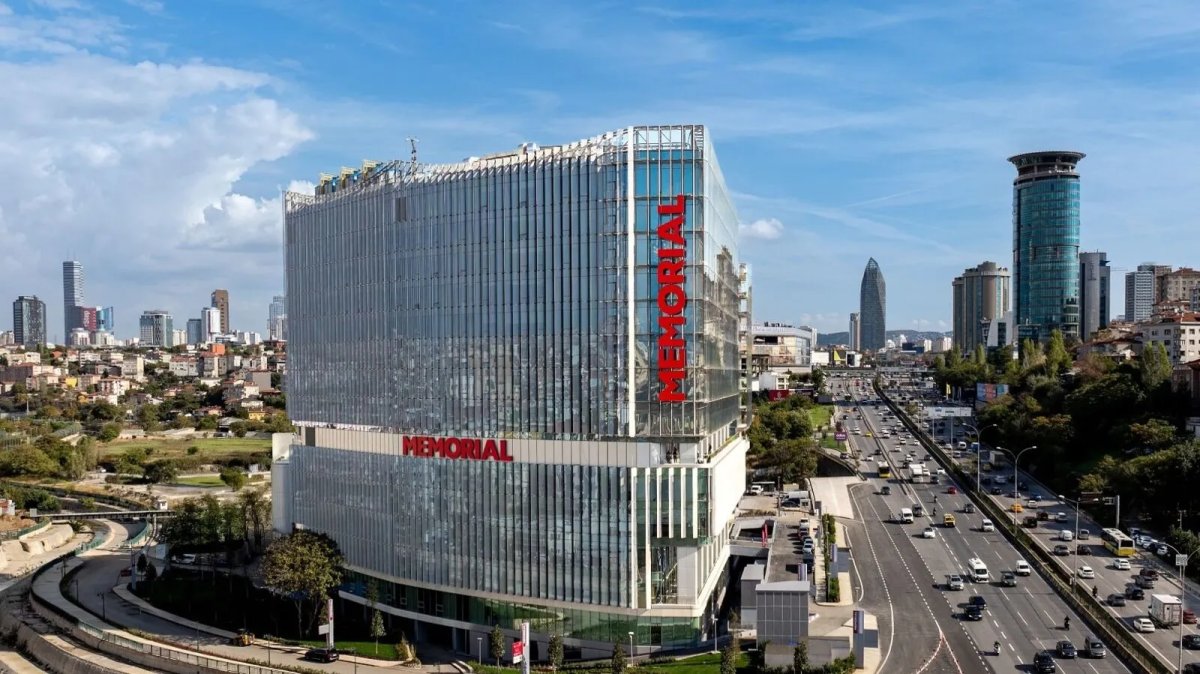
Memorial Göztepe Hospital








Memorial Ankara Hospital
Descripción general de CyberKnife para tumor cerebral en Turquía
- CyberKnife - de $4,900Esta terapia es una opción no invasiva que utiliza radiación precisa para el tratamiento de tumores cancerosos y no cancerosos.
- CyberKnife para tumor cerebral - de $5,300Esta terapia se dirige a los tumores cerebrales con altas dosis de radiación, preservando el tejido sano y ofreciendo menos dolor y tiempo de recuperación.
- CyberKnife para el cáncer de próstata - de $6,000El procedimiento usa radiación precisa para destruir el cáncer de próstata, mejorando las tasas de supervivencia con efectos secundarios mínimos.
- CyberKnife para el cáncer de pulmón - de $6,300Esta terapia utiliza radiación dirigida para destruir las células de cáncer de pulmón sin cirugía, lo que ofrece efectos secundarios y tiempo de inactividad mínimos.
Día 1
- Llegada al país y traslado al hotel.
- Descansar y adaptarse al nuevo entorno.
Dia 2
- Traslado del hotel a la clínica.
- Consulte con un radiólogo sobre el procedimiento CyberKnife.
- Someterse a las pruebas médicas necesarias.
Día 3
- Revise los resultados de la prueba con un radiólogo.
- Planifique el tratamiento con CyberKnife.
Día 4
- Someterse a CyberKnife para el procedimiento de tumor cerebral.
- No se necesita anestesia para este procedimiento.
- El procedimiento dura alrededor de 1-2 horas.
Dia 5
- Consulta postoperatoria con un radiólogo.
- Traslado de la clínica al hotel.
día 6
- Descansar y recuperarse en un hotel.
Día 7
- Salida del hotel y traslado al aeropuerto.
- Salida del país.
Semanas 1-2
- Recupérate en casa, sigue las indicaciones post-operatorias del médico.
Semana 3
- Regreso al trabajo y actividades ligeras.
Semana 4
- Regreso a las actividades regulares y deportivas.
Tenga en cuenta que este es un plan general y cada caso es individual.
Lo que les gusta a los pacientes:
- Precio. El CyberKnife para el tumor cerebral cuesta en Turquía entre $7000 y $12000. Esto es significativamente menor en comparación con $ 35000 en los EE. UU. o $ 25000 en Alemania.
- Profesionalidad del médico. Los médicos turcos tienen certificados internacionales y membresías en organizaciones prestigiosas. Su vasta experiencia a menudo es enfatizada por los pacientes.
- Nivel de servicio. El servicio de alta calidad es un cumplido común. Los pacientes se sienten bien cuidados y cómodos durante su estancia.
- CyberKnife para la eficacia del tumor cerebral. Los pacientes aprecian los resultados positivos. Las técnicas modernas son muy eficaces y conducen a la extirpación exitosa del tumor.
- Logística. La ubicación estratégica de Turquía hace que sea fácilmente accesible. Los pacientes valoran los arreglos de viaje organizados y sin problemas.
Lo que no les gusta a los pacientes:
- Tiempo de espera. Los pacientes a veces se quejan de los largos tiempos de espera para citas o procedimientos.
- Barrera del idioma. Pueden ocurrir problemas de comunicación si el personal médico no domina el idioma del paciente.
- Cuidado posterior limitado. Algunos pacientes sienten que la atención de seguimiento podría mejorarse, especialmente para los pacientes internacionales.
- Depósito de Bookimed: 200 $ o 200 €.
- Depósito de la clínica: Pague un porcentaje fijo por adelantado.
Obtenga una evaluación médica de CyberKnife para tumor cerebral en Turquía: haga una consulta con 20 médicos experimentados ahora
Ver todos los médicos
Banu Atalar
Especialista en CyberKnife para tumores cerebrales con una beca en Radiocirugía Estereotáctica de la Universidad de Stanford. Dirige el Departamento de Oncología Radioterápica del Anadolu Medical Center.
- Certificado en Oncología Radioterápica desde 2004
- Galardonado con el Premio Internacional de Mentoría de la IASLC (2018)
- Publicó 72 artículos internacionales revisados por pares
- Presidente de la Sociedad Turca de Oncología Radioterápica
- Experto en radiocirugía adaptativa guiada por RM

Mehmet Tonge
El Dr. Mehmet Tonge se especializa en neurocirugía estereotáctica y funcional, con 32 publicaciones y 92 presentaciones sobre técnicas avanzadas como la radiocirugía Gamma Knife.
- Miembro de la junta de la sección de neurocirugía estereotáctica y funcional de la Sociedad Turca de Neurocirugía
- Formado en el Hospital Universitario de Zúrich en microneurocirugía y neurorradiología intervencionista
- Miembro de las sociedades mundial y europea de neurocirugía estereotáctica y funcional
- Profesor asistente en el Centro Gamma Knife de la Universidad Medipol de Estambul

Hasan Ozgur Ozdemir
El Prof. Dr. Hasan Özgür Özdemir se especializa en cirugía de tumores cerebrales y procedimientos CyberKnife en el complejo hospitalario Medical Park Antalya.
- Más de _doctor_9311_ años de experiencia en neurocirugía
- Experto en técnicas de cirugía cerebral endoscópica
- 1er lugar en el examen de competencia de la Sociedad Turca de Neurocirugía
- Miembro de la Sociedad Turca de Neurocirugía

Mehmet Osman Akcakaya
Profesor asociado en los hospitales Florence Nightingale con una beca en Neurocirugía Estereotáctica y Funcional de la Escuela de Medicina de Hannover.
- Especializado en neurocirugía con enfoque en tumores cerebrales
- Formado en microcirugía de nervios periféricos y plexo braquial en Tel Aviv
- Más de 20 años de experiencia en neurocirugía
- Trabaja en el Hospital Gayrettepe Florence Nightingale
Historias en video de pacientes de Bookimed
Reseñas
Todas las reseñasCompartir contenido
 Olena Sikoza
Datos сlave sobre CyberKnife para tumor cerebral
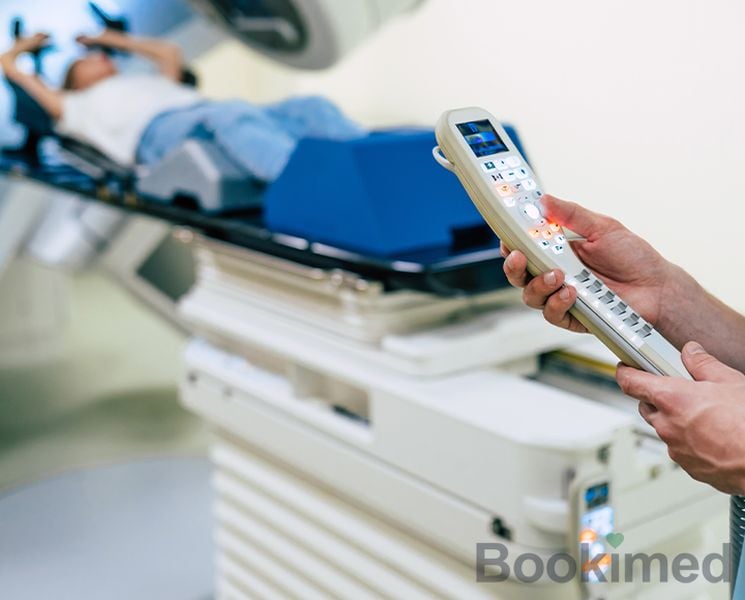
CyberKnife para tumores cerebrales
Este tratamiento no invasivo utiliza radioterapia de precisión para tratar tumores cerebrales con gran exactitud.
Preguntas frecuentes sobre CyberKnife para tumor cerebral en Turquía
¿Cuál es la tasa de éxito clínico de CyberKnife para tumores cerebrales en Turquía?
Las tasas de éxito de CyberKnife para tumores cerebrales en Turquía oscilan entre el 83% y el 95% para el control local del tumor. Los resultados clínicos alcanzan el 90-95% para la estabilización del crecimiento en instalaciones de primer nivel. Centros especializados como el Hospital Memorial Atasehir informan de éxitos de hasta el 99% en casos neurológicos complejos.
- Control local: Los mejores hospitales logran un éxito del 90-95% en la estabilización del crecimiento de tumores cerebrales.
- Tumores metastásicos: La eficacia para controlar las metástasis cerebrales se mantiene en aproximadamente el 85% después de dos años.
- Alivio de síntomas: Más del 92% de los pacientes experimentan una reducción significativa de los síntomas después del tratamiento.
- Tasa de supervivencia: Ciertos tipos de tumores muestran una tasa de supervivencia al año del 96,8% tras la radioterapia.
Perspectiva del experto de Bookimed: El Centro Médico Anadolu mantiene una ventaja distintiva a través de su afiliación directa con el Hospital Johns Hopkins. Nuestros datos muestran que sus especialistas, como la Dra. Banu Atalar, ofrecen experiencia de nivel Stanford en radiocirugía estereotáctica. Esta asociación de élite garantiza que los pacientes reciban protocolos estándar de EE. UU. a un costo significativamente menor.
Consenso de los pacientes:<
¿Es doloroso el procedimiento CyberKnife y qué puedo esperar durante la recuperación?
CyberKnife es una radiocirugía robótica completamente indolora y no invasiva. No sentirá la radiación durante las sesiones de 30 a 90 minutos. El alta es inmediata y la mayoría de los pacientes retoman sus actividades diarias el mismo día, aunque a menudo persiste una fatiga leve durante 1 a 2 semanas.
- Experiencia del tratamiento: Los pacientes permanecen totalmente despiertos sin anestesia durante el procedimiento no invasivo y sin marco.
- Precisión robótica: Un brazo robótico se mueve a su alrededor, administrando radiación de alta dosis desde varios ángulos.
- Cronograma de recuperación: La mayoría de los pacientes reanudan sus rutinas normales inmediatamente después de salir del hospital como pacientes ambulatorios.
- Efectos secundarios comunes: La fatiga temporal, los dolores de cabeza leves o las náuseas suelen desaparecer en un plazo de 7 a 14 días.
Perspectiva del experto de Bookimed: Los centros oncológicos turcos como el Anadolu Medical Center ofrecen una ventaja de seguridad distintiva. Muchos radiooncólogos allí, incluidos el Dr. Mehmet Dogu Canoglu y la Prof. Banu Atalar, completaron becas especializadas en estereotaxia en la Universidad de Stanford, donde se inventó originalmente el CyberKnife. Esta alta concentración de experiencia formada en EE. UU. en Estambul ofrece atención de nivel académico desde $5,300 has
¿Qué hospitales turcos son reconocidos por el tratamiento de tumores cerebrales con CyberKnife?
Anadolu Medical Center, Memorial Şişli Hospital y Medipol Mega University Hospital son instalaciones turcas de primer nivel para el tratamiento de tumores cerebrales con CyberKnife. Estos centros utilizan el sistema Accuray CyberKnife para la administración de radiación robótica no invasiva, proporcionando una precisión submilimétrica para lesiones craneales complejas o de difícil acceso.
- Anadolu Medical Center: Afiliado a Johns Hopkins Medicine, mantiene estándares europeos en oncología intervencionista mediante la certificación IASIOS.
- Memorial Şişli Hospital: Primera instalación turca acreditada por la JCI, que cuenta con especialistas como la Prof. Dra. Züleyha Akgün.
- Medipol Mega University: Gran complejo académico que realiza CyberKnife como procedimiento ambulatorio bajo los estándares de la JCI.
- Acıbadem Altunizade: Reconocido por una unidad especializada en neurooncología que utiliza robótica avanzada y estereotaxia sin marco.
Perspectiva del experto de Bookimed: Aunque la reputación del hospital importa, el volumen específico de casos del cirujano es la señal de calidad más fuerte. La Prof. Dra. Züleyha Akgün en Memorial Şişli ha realizado personalmente más de 1,100 procedimientos de CyberKnife. Esta experiencia especializada a menudo se correlaciona con una mayor precisión al atacar tumores de forma irregular en comparación c
¿Cuántos días debo planificar quedarme en Turquía para el proceso completo de CyberKnife?
Los pacientes deben planificar una estancia en Turquía de 10 a 14 días para completar el proceso completo de CyberKnife. Este plazo incluye las consultas iniciales con especialistas, escaneos de planificación de alta precisión mediante resonancia magnética o tomografía computarizada, hasta 5 sesiones de tratamiento diarias y un escaneo de verificación final antes de la salida.
- Fase de pre-tratamiento: Reserve de 2 a 3 días para consultas oncológicas y escaneos de mapeo tumoral diagnóstico.
- Sesiones de tratamiento: Espere de 1 a 5 sesiones ambulatorias diarias con una duración de 30 a 90 minutos cada una.
- Periodo de recuperación: Permanezca en el país durante 48 horas después de la última sesión para controlar la fatiga.
- Estancia total: Los casos simples pueden tomar 7 días, mientras que los tumores complejos requieren hasta 14 días.
Perspectiva del experto de Bookimed: Aunque CyberKnife es un procedimiento ambulatorio sin hospitalización, elegir una clínica como el Anadolu Medical Center es ventajoso. Su afiliación con Johns Hopkins y sus becas específicas en radiocirugía estereotáctica en Stanford garantizan una precisión de nivel académico. La mayoría de los pacientes ignoran que la fatiga del viaje puede imitar los síntomas posteriores a la radiación, por lo que reservar un hotel a menos de 15 minutos de la clínica es vital para la r