El costo de la terapia intravenosa en Turquía suele oscilar entre $200 y $400. El precio depende del tipo de infusión (vitamínica, hidratante, desintoxicante), la clínica y la cantidad de sesiones. En Estados Unidos, el costo promedio es de $1,600 (según la Asociación de Terapia IV). Esto significa que la terapia intravenosa en Turquía es aproximadamente un 81% más económica que en EE. UU.
Las clínicas turcas suelen incluir en el precio la consulta inicial, la solución intravenosa, los materiales de un solo uso y la monitorización durante la sesión. En EE. UU., el precio base normalmente cubre solo la infusión, con cargos adicionales por vitaminas, análisis de laboratorio y visitas de seguimiento. Siempre confirmar qué está incluido con la clínica elegida.
| España | Turquía | México | |
| Terapia intravenosa | de $300 | de $150 | de $250 |
Bookimed no añade cargos adicionales a los precios de Terapia intravenosa. Las tarifas proceden de las listas de precios oficiales de las clínicas. Pagará directamente en la clínica por su Terapia intravenosa a su llegada al país.
Bookimed está comprometido con su seguridad. Solo trabajamos con las clínicas que mantienen altos estándares internacionales en Terapia intravenosa y tienen las licencias necesarias para atender a pacientes internacionales en todo el mundo.
Bookimed ofrece asistencia experta gratuita. Un coordinador médico personal le apoya antes, durante y después del tratamiento, resolviendo cualquier problema. Nunca estará solo en su viaje médico de Terapia intravenosa.
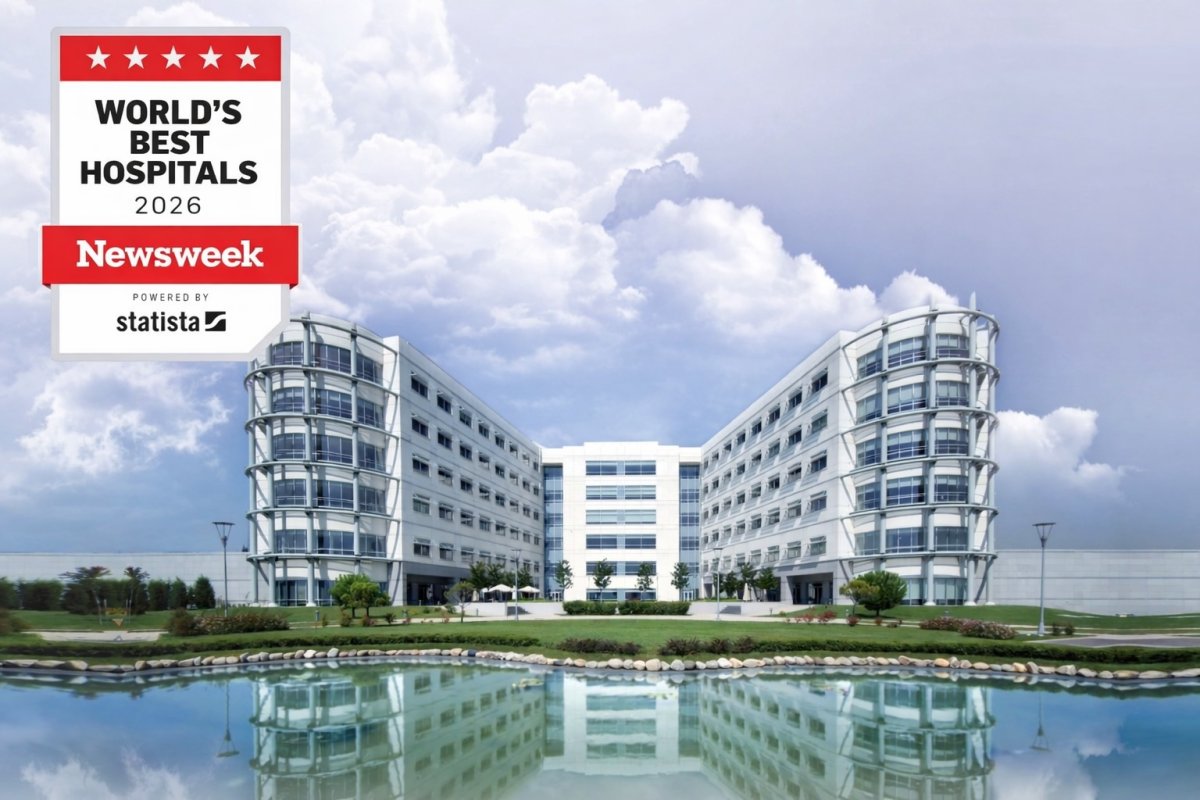
La terapia intravenosa en Turquía es segura cuando se administra en hospitales o clínicas autorizadas y acreditadas por la Joint Commission International (JCI). Turquía mantiene altos estándares de calidad a través de las regulaciones del Ministerio de Salud, y muchas instituciones, como el Centro Médico Anadolu, cuentan con certificaciones de élite. La seguridad depende del uso de soluciones médicas y de la cualificación de los profesionales sanitarios.
Opinión experta de Bookimed: Los datos muestran una clara diferencia en seguridad entre hospitales multidisciplinarios y pequeños centros de salud. Instituciones como el Centro Médico Anadolu, perteneciente a la Universidad Johns Hopkins, integran la terapia intravenosa en sus departamentos clínicos más amplios. Esto garantiza una calidad farmacéutica que las vías intravenosas aisladas en la calle a menudo no pueden garantizar.
Opinión del paciente: Los pacientes enfatizan que, para una atención más profesional, es mejor buscar médicos que trabajen en hospitales de Estambul. Muchos desaconsejan el uso de servicios médicos móviles, señalando que un entorno clínico brinda mucha más tranquilidad.
IV therapy in Turkey is safe for Australian tourists at reputable clinics or JCI-accredited hospitals. Facilities like Anadolu Medical Centre provide medical supervision and sterile protocols. In contrast, unregulated storefront drip bars or hotel services carry risks of infection and severe anaphylaxis.
Bookimed Expert Insight: Wellness clinics are popular, but hospital-affiliated centres offer a higher safety margin. Facilities like Anadolu Medical Centre maintain affiliations with Johns Hopkins Hospital. Their emergency response and infection controls align with the strict standards patients expect in Australia.
Patient Consensus: Travellers recommend hospital-based infusions over mobile services for better accountability. Choosing doctor-supervised treatments ensures sterile techniques and clear English instructions for aftercare.
In Turkey, only licensed medical doctors and registered nurses are authorised to administer IV therapy. Under Turkish Ministry of Health regulations, a board-certified doctor must perform a physical evaluation. They must also issue a prescription before any infusion. Qualified nurses then insert the IV line and monitor the patient.
Bookimed Expert Insight: Wellness IV drips are popular in Istanbul. However, centres like Anadolu Medical Center maintain strict safety standards through JCI accreditation. Patients should check that a doctor is present or on-call during infusions to handle any reactions.
Patient Consensus: Confirm who inserts the cannula and who supervises the drip before starting in Turkey. Choosing a clinic with emergency backup provides more peace of mind than mobile hotel services.
IV therapy in Turkey is generally safe in accredited clinical settings. Universal risks like bruising, vein inflammation, or localised swelling remain possible. Specialist centres minimise these through sterile protocols and medical screenings. Licensed doctors oversee treatment rather than spa staff.
Bookimed Expert Insight: While wellness shops offer quick drips, specialists at major hospitals like Anadolu Medical Center supervise medical-grade IV therapy. These centres serve 65,000+ patients annually. They integrate the treatment into broader health screenings. This clinical environment helps confirm that heart and kidney function are assessed before fluids are administered.
Patient Consensus: Patients in Turkey suggest checking that cannulas and tubing are opened fresh as single-use equipment. Most recommend avoiding hotel-based drips. Instead, visit proper clinics where staff follow strict aseptic techniques for safety.
IV therapy in Turkey provides 100% bioavailability by delivering nutrients directly into the bloodstream. This bypasses the digestive system for immediate rehydration and cellular repair. Turkish facilities, such as Anadolu Medical Center, combine hospital-grade safety with JCI (Joint Commission International) accreditation for effective treatment.
Bookimed Expert Insight: Turkish clinics often lead in safety by performing baseline biomarker checks before therapy. For example, Anadolu Medical Center is affiliated with Johns Hopkins Hospital. They monitor kidney eGFR levels to confirm high-dose infusions suit your metabolic profile.
Patient Consensus: Patients in Turkey report feeling better quickly after fluids, particularly when recovering from travel-related dehydration. The convenience of quick appointments and bundled wellness services makes the experience straightforward and effective.
A typical IV therapy session in Turkey lasts between 30 and 60 minutes for the infusion. Patients should budget 45 to 90 minutes total. This allows time for medical intake, vital signs checks, and vein preparation at JCI-accredited facilities like Anadolu Medical Center.
Bookimed Expert Insight: Basic drips are quick. However, highly rated centres like Anadolu Medical Center often include IV therapy in broader check-up programs. This can extend your stay but results in a bespoke drip formula based on your diagnostic results.
Patient Consensus: Infusion times in Turkey are generally short. Plan a buffer of several hours for your first visit to cover registration and post-drip observation.
Patients can have IV therapy administered at their hotel in Turkey through mobile medical services. Licensed nurses or doctors travel to accommodation in Istanbul, Antalya, and Bodrum. They deliver treatments for jet lag, hydration, or wellness.
Bookimed Expert Insight: In-room services are popular. However, booking through clinics like Anadolu Medical Center ensures JCI-accredited standards. Some premier hotels in Antalya have dedicated on-site wellness wings. These allow for professional IV administration without waiting for mobile nurses in traffic.
Patient Consensus: Patients recommend booking mobile services in advance rather than relying on hotel staff. They should always ask for the ingredients list and verify the clinician's medical credentials.
Istanbul and Antalya are the primary hubs for IV therapy in Turkey. Istanbul provides high-dose medical protocols within JCI-accredited facilities. Antalya focuses on holiday-friendly longevity and detox treatments. Both cities offer luxury wellness retreats and hospital-based clinical suites.
Bookimed Expert Insight: While wellness spas are popular, choosing a hospital-based centre like Anadolu Medical Center ensures better infection control. Our data shows these facilities offer better value. For example, IV therapy in Turkey typically costs $200 to $400. This is a saving of around 81% compared to Australian prices.
Patient Consensus: Patients favour Istanbul for its international support and English-speaking coordinators. Many highlight the convenience of combining medical-grade hydration with airport transfers in Turkey.