Extirpación de parte del tumor y nervio del ojo en Turquía — obtén 3 clínicas con costos


Revisado médicamente por
Fahad Mawlood
¿Cuál es el precio de Extirpación de parte del tumor y nervio del ojo en Turquía? Descubra ahora
El costo de la extirpación de parte del tumor y del nervio ocular en Turquía suele oscilar entre $7,500 y $12,000. Los precios varían según el hospital, la experiencia del cirujano en oncología ocular, la complejidad del tumor y si se requieren técnicas avanzadas de imagen o microcirugía. En EE.
Los hospitales turcos suelen incluir en el precio las evaluaciones preoperatorias, la anestesia, el procedimiento quirúrgico, los materiales quirúrgicos estándar, la estancia hospitalaria y la atención básica de seguimiento. En EE. UU., el precio listado suele cubrir solo los honorarios del cirujano, con cargos separados por anestesia, imágenes, estancia hospitalaria y seguimiento postoperatorio. Siempre confirmar exactamente qué está incluido en cada clínica.
Beneficios clave
¿Por qué los pacientes eligen Turquía para la extirpación de parte del tumor y nervio del ojo?
- Clínicas acreditadas: Hospitales certificados por JCI ofrecen garantía de atención médica de alta calidad y estándares de seguridad.
- Últimas tecnologías: El uso de equipos como el sistema CyberKnife y la resonancia magnética intraoperatoria asegura precisión en la extirpación del tumor. Este enfoque ayuda a preservar la función del nervio.
- Altas tasas de éxito: Hay hasta un 85% de efectividad en la resección completa del tumor. Este éxito viene con mínimas complicaciones en diversas condiciones de los pacientes.
- Cirujanos expertos: Los principales oftalmólogos, certificados por juntas internacionales, han realizado con éxito más de 500 casos. Su amplia experiencia y pericia están bien documentadas.
Acceda a soluciones avanzadas para la extirpación de parte del tumor y nervio del ojo en clínicas de confianza de $7,500.
| España | Turquía | México | |
|---|---|---|---|
| Extirpación de parte del tumor y nervio del ojo | ≈ $6,500 | ≈ $7,500 | ≈ $7,500 |
Sus beneficios y garantías con Bookimed
Precios directos
Bookimed no añade cargos adicionales a los precios de Extirpación de parte del tumor y nervio del ojo. Las tarifas proceden de las listas de precios oficiales de las clínicas. Pagará directamente en la clínica por su Extirpación de parte del tumor y nervio del ojo a su llegada al país.
Sólo clínicas y médicos verificados
Bookimed está comprometido con su seguridad. Solo trabajamos con las clínicas que mantienen altos estándares internacionales en Extirpación de parte del tumor y nervio del ojo y tienen las licencias necesarias para atender a pacientes internacionales en todo el mundo.
Asistencia 24/7 gratuita
Bookimed ofrece asistencia experta gratuita. Un coordinador médico personal le apoya antes, durante y después del tratamiento, resolviendo cualquier problema. Nunca estará solo en su viaje médico de Extirpación de parte del tumor y nervio del ojo.

Su coordinador médico personal de Bookimed
- Le apoya en cada etapa
- Ayuda a elegir la clínica y el médico adecuados
- Asegura un acceso rápido y conveniente a la información
Descubra las mejores clínicas de Extirpación de parte del tumor y nervio del ojo en Turquía: 11 opciones verificadas y Precios
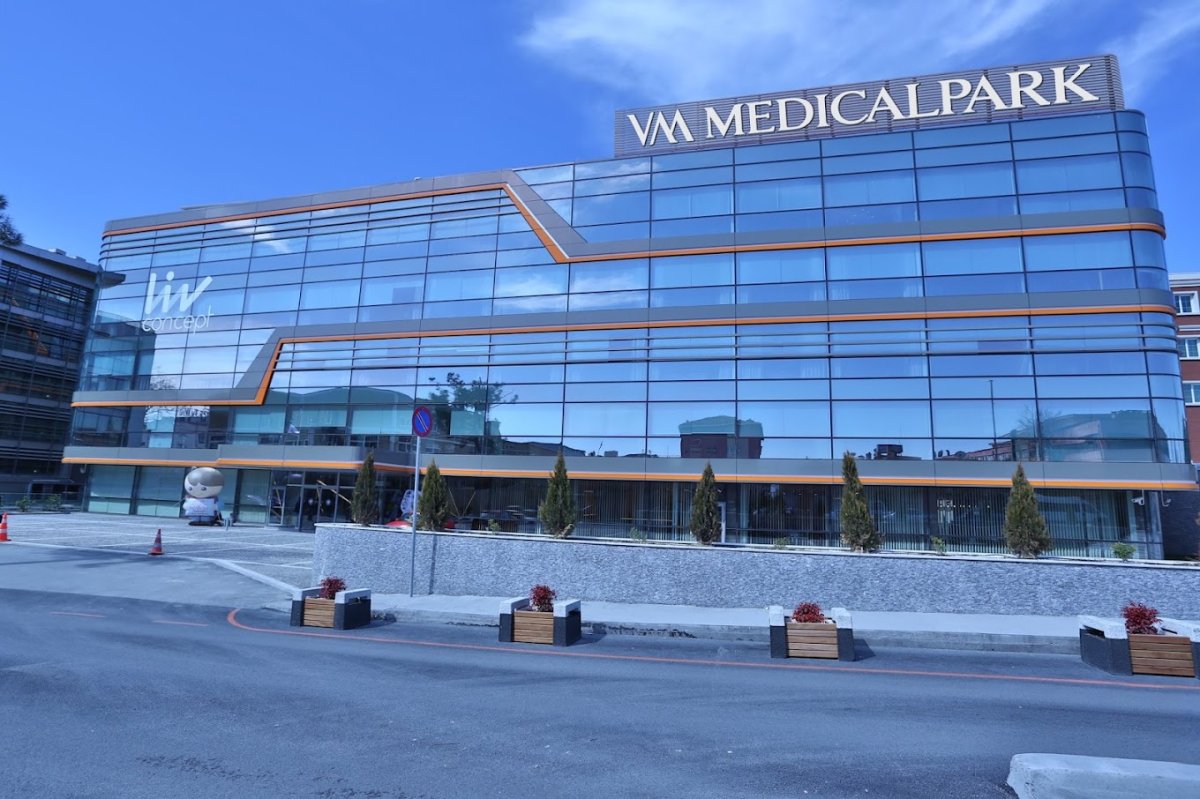





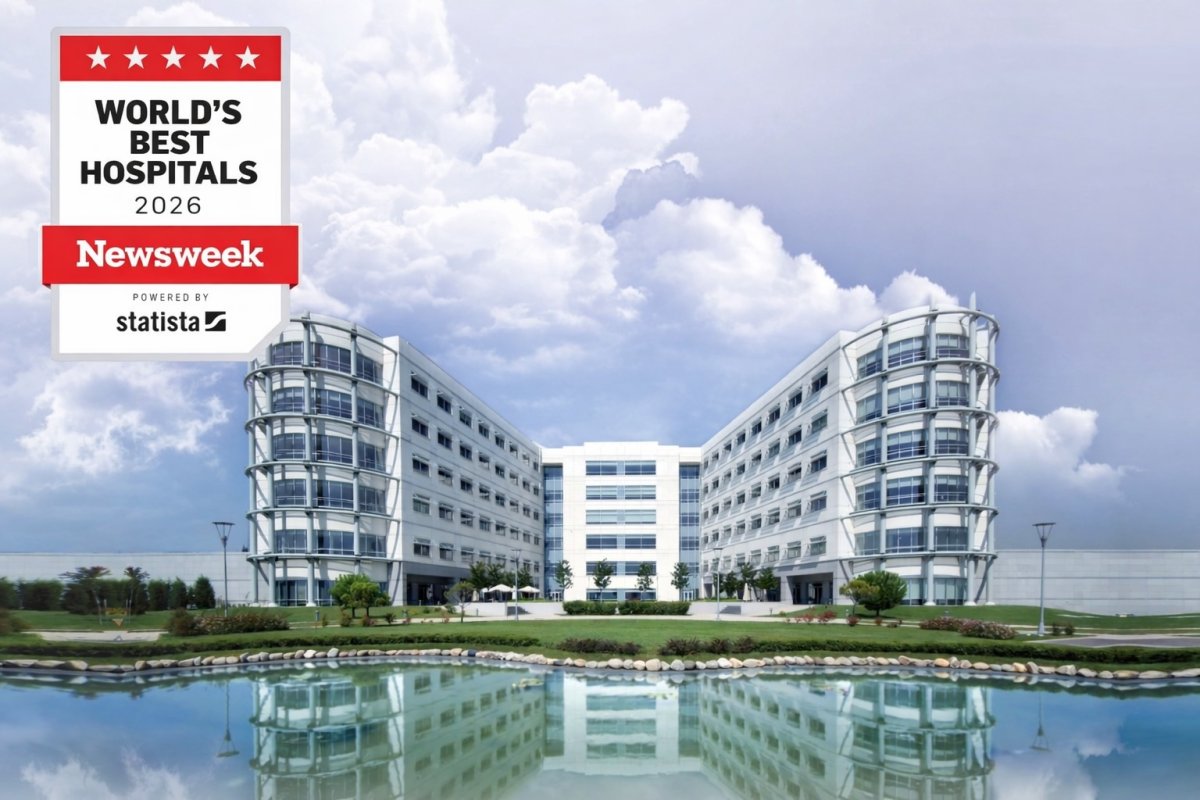





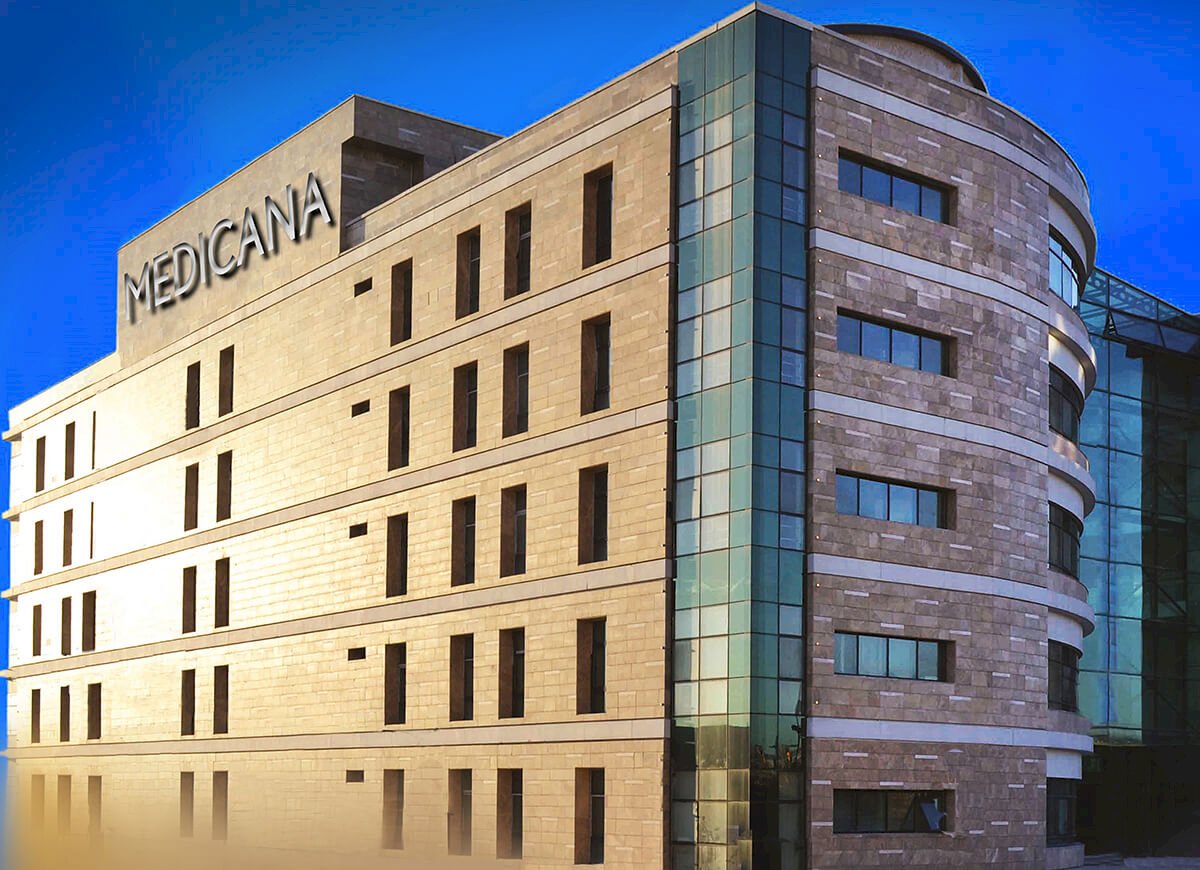
Medicana Sivas Hospital

Ophthalmology Clinics Bati Goz



Descripción general de Extirpación de parte del tumor y nervio del ojo en Turquía
- Enucleación del ojo - de $1,800Esta cirugía extrae un ojo dañado para aliviar el dolor o lo reemplaza con una prótesis por razones estéticas.
- Extirpación de parte del tumor y nervio del ojo - de $7,500La operación extirpa una sección de un tumor ocular y un nervio, lo que ayuda a preservar la visión y reducir el tumor.
- Enucleación con inserción de implante - de $2,000Esta operación elimina un ojo enfermo y lo reemplaza con una prótesis para mejorar la apariencia.
Día 1 - Llegada
- Llegada al hospital para el ingreso.
- Reúnase con un cirujano ocular para una consulta.
- Someterse a un examen ocular previo a la cirugía.
- Pida que le tomen muestras de sangre para analizarlas.
Día 2 - Preoperatorio
- Reúnase con un anestesiólogo para analizar las opciones de anestesia.
- Reciba instrucciones para el ayuno antes de la cirugía.
- Discutir y firmar formularios de consentimiento para la cirugía.
Día 3 - Cirugía
- Llegada al quirófano para la cirugía.
- Recibir anestesia local o general.
- La cirugía dura de 2 a 4 horas, según el tamaño del tumor.
- Se extirpa parte del tumor y el nervio del ojo.
Día 4 - Postoperatorio
- Estancia en el hospital para seguimiento y recuperación.
- Recibir analgésicos si es necesario.
- Reúnase con el cirujano ocular para la consulta posoperatoria.
Semana 1 - Rehabilitación
- Comience una actividad ligera en casa.
- Siga las instrucciones para el cuidado de los ojos y la medicación.
- Asistir a la cita de seguimiento postoperatorio.
Semana 2 - Rehabilitación
- Continúe con actividades livianas, evitando tareas extenuantes.
- Asistir a las citas regulares de seguimiento.
Semana 4 - Rehabilitación
- Reanudar las actividades normales, excluyendo los deportes.
- Asistir a las citas de seguimiento para evaluar la recuperación.
Semana 6 - Rehabilitación
- Reanude los deportes y otras actividades extenuantes.
- El resultado final debe ser visible en esta etapa.
Tenga en cuenta que el tiempo de recuperación y la experiencia de cada paciente pueden variar ligeramente.
- Depósito de Bookimed: 200 $ o 200 €.
- Depósito de la clínica: Pague un porcentaje fijo por adelantado.
Obtenga una evaluación médica para Extirpación de parte del tumor y nervio del ojo en Turquía: Elija su especialista entre los mejores en el campo
Ver todos los médicos
Mustafa Solak
El Dr. Solak se especializa en cánceres de cabeza y cuello, con una beca de formación en el Instituto del Cáncer de la Universidad de Hacettepe.
- Formado en el MD Anderson Cancer Center de la Universidad de Texas
- Experto en procedimientos complejos de extirpación de tumores
- Trabaja en el Hospital Intercontinental Hisar

Mustafa Serkan Alemdar
El Dr. Alemdar se especializa en oncología médica con una amplia formación en el Hospital Universitario Akdeniz.
- Certificado por el consejo en oncología médica desde 2018
- Más de _doctor_9570_ años de experiencia en medicina interna y oncología
- Ha trabajado en varios hospitales prestigiosos, incluido el Hospital Universitario Akdeniz
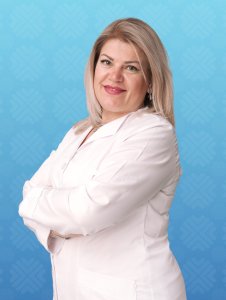
Gul Alco
La Prof. Dra. Gül Alço es oncóloga radioterápica con unos 27 años de experiencia. Trata cánceres de mama, pulmón, próstata, gastrointestinales, ginecológicos, del sistema nervioso central, de cabeza y cuello, de tejidos blandos y óseos con radioterapia.
Su experiencia incluye radioterapia adaptativa y radiocirugía. Emplea técnicas avanzadas de radiación para ofrecer una atención personalizada y basada en la evidencia en un entorno multidisciplinario centrado en el paciente.
Abdullah Sakin
El Prof. Dr. Abdullah Sakin es profesor de oncología médica. Trata tumores sólidos, incluidos los de pulmón, mama, gastrointestinales, genitourinarios, ginecológicos, de cabeza y cuello, y melanoma.
Brinda atención personalizada y basada en la evidencia. Sus tratamientos incluyen quimioterapia, terapias dirigidas, inmunoterapia, hormonoterapia y oncología de precisión. Ha publicado más de 200 trabajos científicos y participa en investigación clínica internacional. Este trabajo impulsa
Historias en video de pacientes de Bookimed
Reseñas
Todas las reseñasCompartir contenido
 Olena Sikoza
Preguntas frecuentes sobre Extirpación de parte del tumor y nervio del ojo en Turquía
¿Cuáles son las razones principales para extirpar parte de un tumor orbitario y el nervio óptico afectado?
Los cirujanos extirpan parte de un tumor orbitario y el nervio óptico afectado para eliminar neoplasias malignas, prevenir la invasión cerebral y controlar síntomas graves. Este procedimiento es común en gliomas o meningiomas agresivos cuando el nervio no es funcional y el tumor amenaza el quiasma óptico.
- Control de la enfermedad: Logra márgenes limpios en tumores malignos como el carcinoma de células escamosas o basales.
- Protección intracraneal: Evita que el cáncer se propague a lo largo del nervio hacia el cerebro o el quiasma.
- Alivio de síntomas: Mitigación del dolor orbitario debilitante, exoftalmos extremo o presión ocular incontrolada.
- Gestión de infecciones: Detiene infecciones fúngicas potencialmente mortales como la mucormicosis antes de que lleguen al sistema nervioso central.
Perspectiva de expertos de Bookimed: Los centros multidisciplinarios turcos como el Anadolu Medical Center o el Hospital Memorial Şişli a menudo involucran a neurocirujanos y oftalmólogos en estos casos. Los datos muestran que estas instalaciones acreditadas por la JCI mantienen estándares de tratamiento estadounidenses a través de afiliaciones con Johns Hopkins, ofreciendo costos un 69% más bajos que el promedio en EE. UU. Este enfoque colaborativo es vital, ya que la escisión parcial a menudo sirve como una medida que salva vidas cuando la radioterapia
¿Cuáles son los riesgos específicos y las posibles complicaciones de esta cirugía?
La cirugía de tumores orbitarios y nervios conlleva riesgos específicos, incluyendo la pérdida permanente de la visión, parálisis del nervio facial y recurrencia del tumor. Los pacientes y cirujanos deben sopesar la preservación funcional frente a la necesidad de la reducción tumoral. Complicaciones como fugas de líquido cefalorraquídeo u ojo seco crónico son posibles debido a la proximidad con el cerebro y los conductos lagrimales.
- Pérdida de visión: La extirpación parcial de un nervio conlleva un riesgo del 50% de discapacidad visual permanente o ceguera.
- Parálisis facial: El daño nervioso conlleva un riesgo del 20-40% de que el párpado no cierre.
- Recurrencia tumoral: La resección incompleta resulta en una tasa de recrecimiento del 30-50% en 2 años.
- Riesgos sistémicos: La proximidad al cerebro crea un riesgo del 1-5% de fugas de líquido cefalorraquídeo.
Perspectiva del experto de Bookimed: Aunque existen opciones económicas, los datos de centros líderes en Estambul como el Anadolu Medical Center o Memorial Şişli sugieren una mayor seguridad. Estas instalaciones acreditadas por la JCI mantienen tasas de infección más bajas que las clínicas más pequeñas. Los pacientes deben priorizar clínicas con equipos multidisciplinarios de neurooftalmología para gestionar eficazmente el riesgo del 5% de complicaciones intracraneales.
¿Qué enfoques quirúrgicos se utilizan para acceder y extirpar parcialmente los tumores orbitarios y el nervio óptico?
Los cirujanos utilizan tres enfoques quirúrgicos principales para acceder a los tumores orbitarios y al nervio óptico: externo, transcraneal y endonasal endoscópico. El método específico depende de la ubicación del tumor en relación con el nervio, con el objetivo de maximizar la extirpación del tumor mientras se preservan las estructuras visuales.
- Enfoque orbitario externo: La orbitotomía lateral o medial se dirige a los tumores anteriores mediante incisiones en el párpado o la conjuntiva.
- Enfoque transcraneal: La craneotomía pterional o fronto-orbitaria accede a los tumores posteriores o a aquellos que llegan al cerebro.
- Enfoque endonasal endoscópico: El acceso nasal mínimamente invasivo llega a los tumores mediales sin crear cicatrices externas.
- Enfoque supraorbitario (keyhole): Una pequeña incisión en la ceja proporciona una vía hacia los tumores situados por encima del nervio.
Perspectiva de expertos de Bookimed: Los equipos de neurooftalmología turcos en centros como el Anadolu Medical Center a menudo prefieren el enfoque supraorbitario para los tumores superiores. Esta técnica reduce significativamente la retracción cerebral en comparación con las craneotomías tradicionales. Mientras que los costos en EE. UU. promedian _price_compare_US_average_, estas instalaciones turcas especializadas ofrecen tecnología similar por entre _op_41
¿Cuánto dura normalmente la cirugía cuando se realiza en los centros de referencia de Turquía?
La cirugía para extirpar tumores oculares y nervios en Turquía suele durar de 2 a 4 horas. La duración se extiende a 5 o 6 horas si los cirujanos deben realizar injertos nerviosos complejos o una reconstrucción orbitaria. Los procedimientos se llevan a cabo en instalaciones acreditadas por la JCI por especialistas formados en instituciones como Johns Hopkins.
- Duración estándar: La mayoría de los casos que implican una disección cuidadosa del tumor concluyen en 2 a 3 horas.
- Implicación compleja: La afectación del nervio óptico o de los músculos añade de 1 a 2 horas para su preservación.
- Necesidades reconstructivas: Los casos de varias etapas que requieren reparación del suelo orbitario a menudo alcanzan la marca de las 4 horas.
- Tiempo total en el centro: Los pacientes deben planificar de 5 a 6 horas, incluyendo la anestesia y la recuperación.
Perspectiva del experto de Bookimed: Los centros de gran volumen como el Anadolu Medical Center y Memorial Şişli a menudo realizan estas cirugías complejas más rápido que los hospitales occidentales debido a la experiencia especializada concentrada. Aunque una estimación de 3 horas es común, los cirujanos orbitarios más experimentados priorizan la preservación del tejido sobre la velocidad. Observamos que las clínicas con afiliaciones internacionales, como la relación de Anadolu con Johns Hopkins, m
¿Cuál es el cronograma esperado de recuperación inicial y curación general?
La recuperación inicial tras la extirpación de un tumor ocular o un nervio en Turquía requiere una estancia hospitalaria de 2 a 5 días. Los pacientes suelen regresar a casa en un plazo de 1 a 2 semanas, aunque la hinchazón y los hematomas alcanzan su punto máximo el tercer día. La curación completa de los tejidos suele tardar de 3 a 6 meses, mientras que la regeneración nerviosa puede continuar durante 1 año.
- Estancia hospitalaria: Espere de 2 a 5 días en centros acreditados por la JCI como Memorial Şişli para una supervisión profesional.
- Cuidado de heridas: Las suturas suelen retirarse entre el día 10 y el 14 después del procedimiento.
- Actividad inicial: Planifique 2 semanas de baja laboral y evite movimientos extenuantes durante 1 mes.
- Curación a largo plazo: La cicatrización orbitaria interna se estabiliza en 3 a 6 meses, aunque los resultados nerviosos tardan más.
Perspectiva del experto de Bookimed: Aunque la curación clínica finaliza al sexto mes, la recuperación nerviosa sigue un reloj biológico mucho más lento. Los datos de los principales centros de Estambul muestran que las mejoras funcionales suelen aparecer entre el noveno y el duodécimo mes. Los pacientes de clínicas como el Anadolu Medical Center se benefician de protocolos tempranos de neurorrehabilitación para maximizar estos resultados a largo plazo.
Cons