Radiocirugía estereotáxica en Turquía: las 23 mejores clínicas y sus precios


Revisado médicamente por
Fahad Mawlood
Cómo funciona
¿Cuál es el precio de Radiocirugía estereotáxica en Turquía? Descubra ahora
De $6,400. Los precios varían según el tipo de sistema de radiocirugía (como Gamma Knife o CyberKnife), la tecnología de la clínica y la complejidad del caso. UU.
Las clínicas turcas suelen incluir imágenes preoperatorias (RM o TC), la sesión de radiocirugía, anestesia o sedación si es necesario y consultas de seguimiento. En EE. UU., los precios a menudo cubren solo el procedimiento en sí, con facturas separadas para las imágenes, la anestesia y la atención de seguimiento. Siempre confirmar exactamente qué está incluido antes de reservar el tratamiento.
| España | Turquía | México | |
|---|---|---|---|
| Radiocirugía estereotáxica | de $18,100 | de $6,400 | ≈ $9,500 |
Descubra las mejores clínicas de Radiocirugía estereotáxica en Turquía: 23 opciones verificadas y Precios
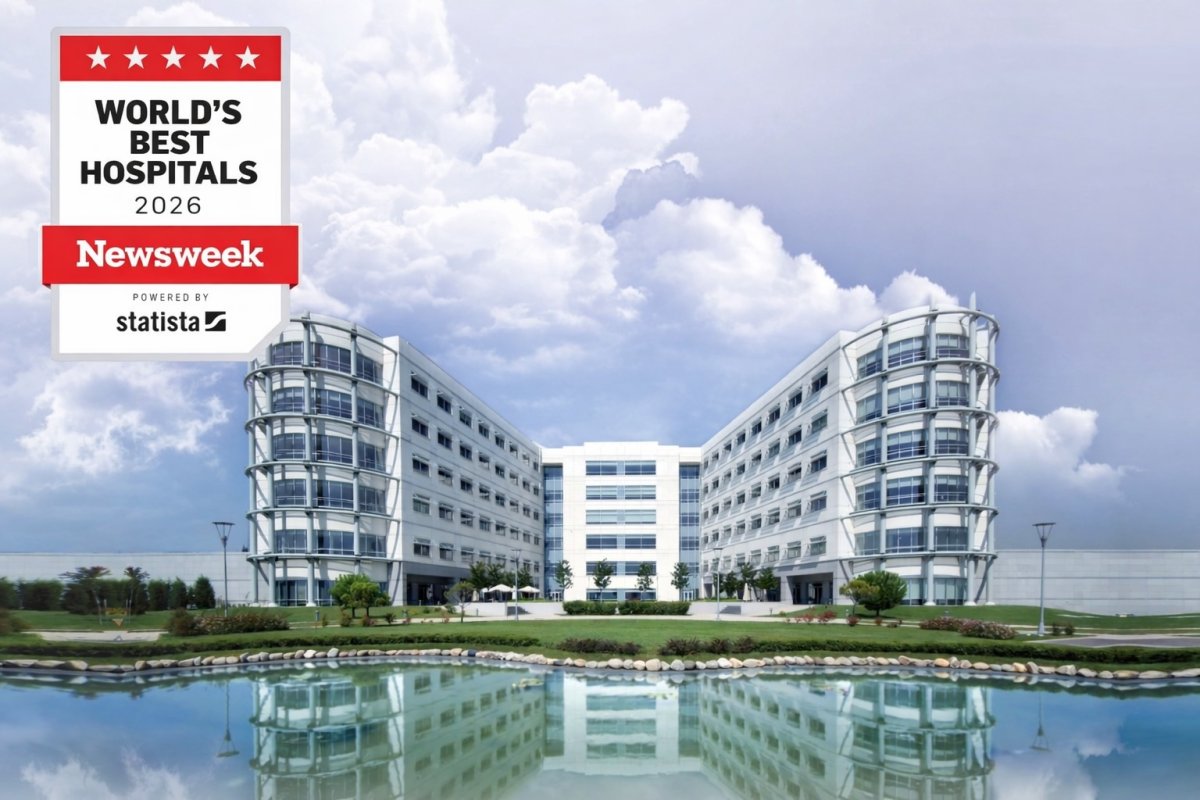








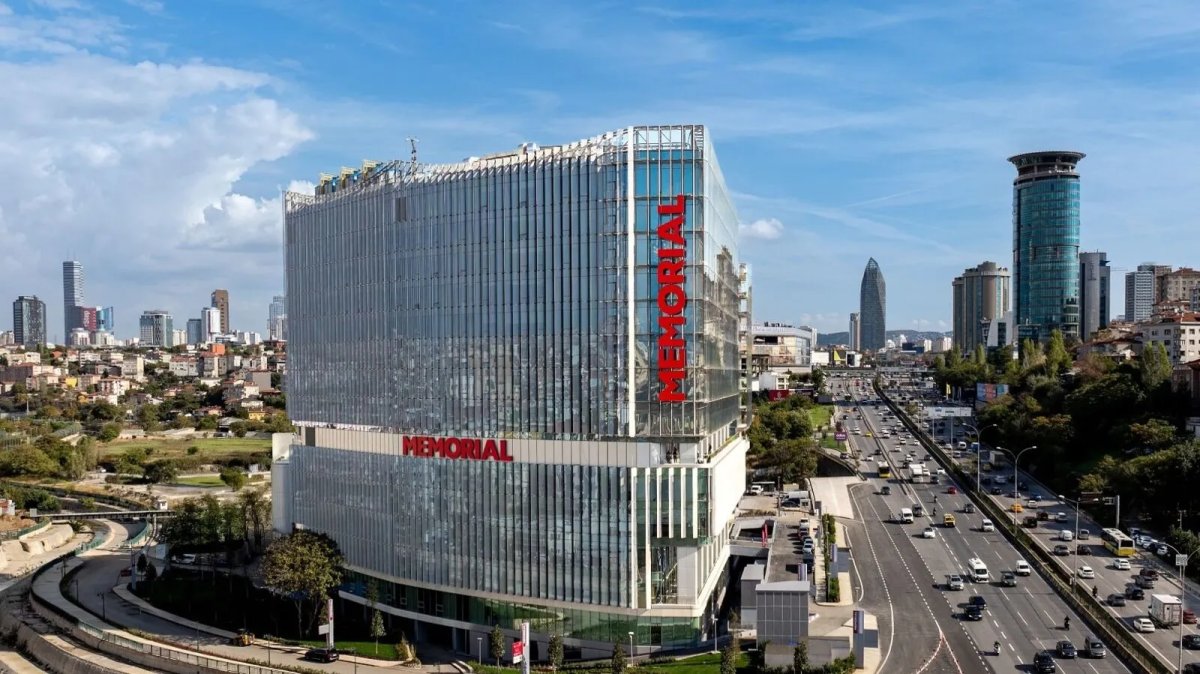
Memorial Göztepe Hospital



Hospital Lokman Hekim de Estambul (Lokman Hekim Istanbul Hospital)



Memorial Ankara Hospital



Descripción general de Radiocirugía estereotáxica en Turquía
- Radioterapia - de $3,500Esta terapia utiliza ondas de alta energía para destruir las células cancerosas, proporcionando un tratamiento no quirúrgico con pocos efectos secundarios.
- TrueBeam - de $7,500Esta terapia es una técnica de radiación de alta potencia para tratar el cáncer con gran precisión y rapidez.
- Radiocirugía estereotáxica - de $6,400Esta terapia se dirige a los tumores con radiación precisa, reduciendo el daño a los tejidos circundantes y evitando la cirugía invasiva.
- Tomoterapia - de $6,700Esta terapia es un tratamiento de radiación de vanguardia, que se dirige con precisión a los tumores y reduce el daño al tejido sano cercano.
- Radiocirugía de un tumor cerebral - de $5,000Esta terapia se enfoca selectivamente en los tumores cerebrales, utilizando radiación precisa para eliminar las células sin afectar el tejido circundante.
- Radioterapia para el cáncer colorrectal - de $5,000Este procedimiento utiliza rayos de alta energía para destruir las células de cáncer colorrectal, un método de tratamiento eficaz y específico.
- Radioterapia para tumor cerebral - de $4,000Esta terapia tiene como objetivo destruir los tumores cerebrales utilizando rayos de alta energía, reduciendo los síntomas y mejorando las tasas de supervivencia.
- Radioterapia para el cáncer de garganta. - de $5,000Esta terapia tiene como objetivo destruir las células cancerosas de la garganta utilizando radiación de alta energía, mejorando la supervivencia y el control de los síntomas.
Día 1
- Llegada al país.
- Traslado al hotel desde el aeropuerto.
Dia 2
- Traslado del hotel a la clínica.
- Consulta con especialistas.
- Hemograma completo con prueba de marcadores de cáncer.
- Prueba de proteinograma.
Día 3
- Preparación para la radiocirugía estereotáxica.
- Explicación de los detalles del procedimiento.
Día 4
- Procedimiento de radiocirugía estereotáxica, dura de 1 a 4 horas.
- Se utiliza anestesia local.
- Traslado de regreso al hotel después del procedimiento.
Día 5-7
- Descanso y recuperación en el hotel.
- Asistencia lingüística para hablantes no nativos.
Semana 2
- Consulta de seguimiento con especialistas.
- El paciente es dado de alta.
- Traslado al aeropuerto.
Tenga en cuenta que esta es una guía general y que los casos individuales pueden variar.
- Depósito de Bookimed: 200 $ o 200 €.
- Depósito de la clínica: Pague un porcentaje fijo por adelantado.
Obtenga una evaluación médica de Radiocirugía estereotáxica en Turquía: haga una consulta con 33 médicos experimentados ahora
Ver todos los médicos
Serdar Turhal
El Dr. Serdar Turhal es un oncólogo con mucha experiencia que se especializa en oncología médica y quimioterapia para el cáncer de mama en el Centro Médico Anadolu. Es miembro de muchas asociaciones internacionales de oncología y es autor de numerosos artículos en publicaciones internacionales. Se especializa en factores pronósticos y la terapia de neoplasias gastrointestinales malignas. Para recibir una consulta del Dr. Turhal, envíe una solicitud en Bookimed.

Banu Atalar
La profesora Banu Atalar se especializó en radiocirugía estereotáctica en la Universidad de Stanford, centrándose en tumores del SNC, torácicos y gastrointestinales. El 75% de su práctica involucra SRS adaptativa guiada por RM.
- Formada bajo los pioneros Dr. John Adler y Dr. Scott Soltys en Stanford
- Presidenta de la Sociedad Turca de Oncología Radioterápica (2025-2027)
- 72 publicaciones revisadas por pares sobre técnicas avanzadas de radiocirugía
- Organizó simposios internacionales sobre tratamientos de cánceres raros
- Miembro honorario del American College of Radiology

Ahmet Hilmi Kaya
El Prof. Dr. Ahmet Hilmi Kaya se especializa en radiocirugía estereotáctica en el Anadolu Medical Center, aportando décadas de experiencia neuroquirúrgica.
- Profesor de Neurocirugía con amplia formación en neurocirugía funcional
- Experto en tumores espinales y cirugía de base de cráneo
- Galardonado en múltiples ocasiones por la Sociedad Turca de Neurocirugía
- Activo en investigación neuroquirúrgica y supervisión de tesis médicas

Mehmet Tonge
El Dr. Mehmet Tonge se especializa en radiocirugía estereotáctica en el Centro PARMER de la Universidad Medipol, con una amplia investigación y enfoque clínico en técnicas neuroquirúrgicas avanzadas.
- 32 publicaciones sobre neurocirugía estereotáctica y funcional
- Formación en el Hospital Universitario de Zúrich en microneurocirugía y neurorradiología intervencionista
- Miembro de la junta directiva de la sección de neurocirugía estereotáctica y funcional de la Sociedad Turca de Neurocirugía
- Miembro de la Sociedad Internacional de Radiocirugía Estereotáctica
Historias en video de pacientes de Bookimed
Reseñas
Todas las reseñasCompartir contenido
 Olena Sikoza
Datos сlave sobre Radiocirugía estereotáxica
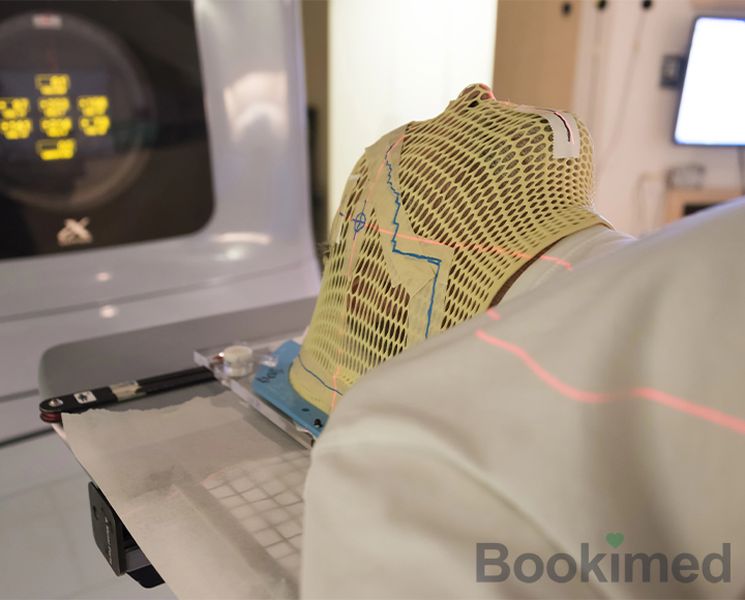
Radiocirugía estereotáxica
Es un tratamiento de radiación no invasivo que actúa con precisión sobre tumores y anomalías del cerebro y otras partes del cuerpo.
Preguntas frecuentes sobre Radiocirugía estereotáxica en Turquía
¿Qué afecciones se tratan con radiocirugía estereotáctica en Turquía?
La radiocirugía estereotáctica en Turquía trata metástasis cerebrales malignas, gliomas y tumores benignos como meningiomas o neuromas acústicos. Esta radiación no invasiva también se dirige a malformaciones arteriovenosas vasculares y trastornos funcionales, incluyendo la neuralgia del trigémino y temblores, utilizando tecnologías avanzadas Gamma Knife y CyberKnife en centros acreditados por la Joint Commission International.
- Tumores malignos: Se dirige a metástasis cerebrales, gliomas y glioblastomas con precisión submilimétrica TrueBeam STx.
- Afecciones benignas: Maneja eficazmente neuromas acústicos, adenomas hipofisarios y craneofaringiomas sin cirugía tradicional.
- Trastornos funcionales: Proporciona alivio no quirúrgico para la neuralgia del trigémino, temblores relacionados con el Parkinson y formas específicas de epilepsia.
- Anomalías vasculares: Trata malformaciones arteriovenosas profundas y cavernomas ubicados en áreas cerebrales de alto riesgo.
Perspectiva del experto de Bookimed: Los principales centros oncológicos turcos, como el Anadolu Medical Center y el Memorial Şişli Hospital, ofrecen una ventaja clínica distintiva al integrar los protocolos del Johns Hopkins Hospital y juntas multidisciplinarias de tumores. Mientras que muchas clínicas globales ofrecen solo una tecnología, los centros en Estambul a menudo proporcionan
¿Cuáles son los riesgos y efectos secundarios potenciales del procedimiento?
La radiocirugía estereotáctica en Turquía es un procedimiento no invasivo y sin sangre con altas tasas de éxito. Los efectos secundarios comunes incluyen dolores de cabeza temporales, náuseas e irritación localizada del cuero cabelludo. Los riesgos raros pero graves incluyen inflamación cerebral o radionecrosis, que los equipos especializados manejan utilizando tecnologías avanzadas como Gamma Knife y TrueBeam STx.
- Recuperación temprana: Los pacientes a menudo experimentan fatiga y náuseas durante varios días después del tratamiento.
- Inflamación cerebral: El edema puede ocurrir dentro de las dos semanas, generalmente manejado de manera efectiva con esteroides.
- Pérdida de cabello localizada: El adelgazamiento ocurre solo en los puntos de entrada de la radiación y generalmente vuelve a crecer en meses.
- Riesgos neurológicos: Casos raros de debilidad focal o convulsiones pueden requerir ajustes temporales de la medicación.
Perspectiva del experto de Bookimed: Los datos de los principales centros de Estambul, como el Anadolu Medical Center, muestran que la coordinación especializada evita los obstáculos postoperatorios comunes. Si bien las clínicas turcas cumplen con los estándares técnicos globales, la experiencia de 30 años de cirujanos como el Dr. Salih Murat Imer es el verdadero diferenciador de seguridad. Los pacientes deben programar d
¿Es la radiocirugía estereotáctica adecuada para niños y pacientes de edad avanzada?
La radiocirugía estereotáctica es altamente adecuada para niños y pacientes de edad avanzada debido a su naturaleza no invasiva y su precisión. Este procedimiento ambulatorio evita los riesgos de la anestesia general en personas mayores con comorbilidades y minimiza la exposición a la radiación del tejido cerebral en desarrollo en casos pediátricos mediante el uso de tecnologías Gamma Knife o CyberKnife.
- Seguridad en ancianos: Sirve como alternativa quirúrgica para pacientes mayores de 80 años con condiciones de salud preexistentes.
- Precisión pediátrica: La alta precisión protege el cerebro en crecimiento de efectos secundarios cognitivos o de desarrollo a largo plazo.
- Velocidad de recuperación: Los pacientes suelen retomar sus actividades normales en 24-48 horas sin incisiones quirúrgicas.
- Rango de condiciones: Trata eficazmente malformaciones arteriovenosas, meningiomas y tumores de bajo grado en todos los grupos de edad.
Perspectiva del experto de Bookimed: Los centros turcos como el Medipol Mega University Hospital son reconocidos específicamente por su excelencia en oncología pediátrica. Los datos muestran que estas clínicas de alto volumen suelen utilizar el Leksell Gamma Knife Icon, que permite un tratamiento sin marco. Esto es una gran ventaja para los niños, ya que puede eliminar la necesidad de marcos craneales invasivos.
¿Cuáles son los principales beneficios de elegir Turquía para la SRS?
Turquía ofrece radiocirugía estereotáctica (SRS) a costos un 92 % más bajos que los Estados Unidos, utilizando tecnologías idénticas como Gamma Knife y CyberKnife. Los pacientes reciben tratamiento de neurocirujanos certificados en instalaciones acreditadas por la JCI en Estambul, como el Anadolu Medical Center y el Hospital Memorial Şişli, pocos días después de realizar la consulta.
- Acceso a tecnología: Las clínicas utilizan TrueBeam STx, Gamma Knife y CyberKnife para el tratamiento no invasivo de tumores.
- Cirujanos expertos: Profesores como Esra Kaytan Saglam cuentan con más de 32 años de experiencia clínica en radiooncología.
- UU.
- Programación rápida: Los pacientes suelen pasar de la consulta inicial a la sala de procedimientos en el plazo de 1 semana.
Perspectiva del experto de Bookimed: Aunque muchos eligen Turquía por el ahorro del _price_percent_discount_%, la verdadera ventaja es la afiliación con instituciones estadounidenses. Por ejemplo, el Anadolu Medical Center está afiliado a Johns Hopkins Medicine, lo que significa que los pacientes acceden a protocolos de estándar estadounidense y tecnología TrueBeam STx a una fracción del costo que se encuentra en Balt