Poliquistosis renal en Austria: las 3 mejores clínicas para su tratamiento


Revisado médicamente por
Fahad Mawlood
Cómo funciona
¿Cuál es el precio del diagnóstico y los tratamientos de Poliquistosis renal en Austria? Descubra ahora
| Austria | España | Turquía | |
|---|---|---|---|
| Tratamiento sintomático | ≈ $1,500 | ≈ $900 | de $220 |
Descubra las mejores clínicas de tratamiento de Poliquistosis renal en Austria: 3 opciones verificadas y Precios






Obtenga una evaluación médica para Poliquistosis renal en Austria: consulte con doctores experimentados ahora
Ver todos los médicos
Georg Shatzl
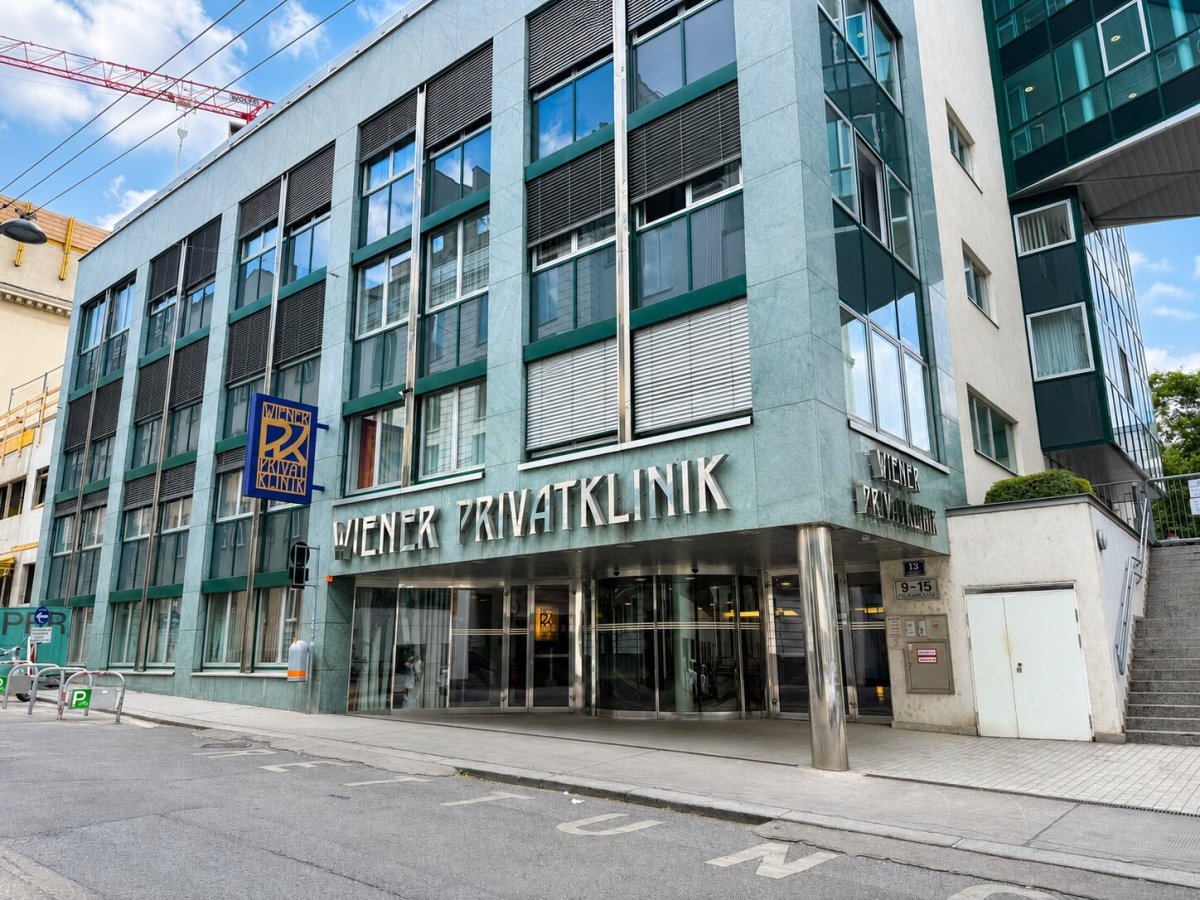
Con más de 33 años de experiencia en urología, el Prof. Georg Shatzl se especializa en casos complejos de riñón y oncología urológica en Wiener Privatklinik.
- Pionero en técnicas avanzadas para cirugías de tumores renales
- Profesor asociado en la Universidad Médica de Viena
- Ha publicado extensamente sobre terapia de cáncer urológico
- Especializado en urología laparoscópica y reconstructiva
- Se centra en preservar la función renal después de la cirugía
Reseñas
Todas las reseñasCompartir contenido
Historias en video de pacientes de Bookimed
 Olena Sikoza
Preguntas frecuentes sobre el tratamiento de Poliquistosis renal en Austria
¿Está disponible el tolvaptán para pacientes con enfermedad renal poliquística en Austria?
En Austria, tolvaptán está disponible para pacientes con enfermedad renal poliquística autosómica dominante (ERPAD). La Agencia Europea de Medicamentos lo aprobó en 2015. Ralentiza el crecimiento de los quistes y protege la función renal. El tratamiento para pacientes adultos con enfermedad de rápida progresión lo proporcionan especialistas en Viena y Graz.
- Estado de aprobación: Aprobado para su uso bajo la marca Jinarc desde 2015.
- Indicación clínica: retrasa la progresión de la insuficiencia renal en pacientes con enfermedad renal crónica en estadios G1-G4.
- Supervisión médica: Los nefrólogos deben controlar periódicamente la función hepática y el equilibrio de líquidos y electrolitos.
- Puntos de acceso: Grandes centros como la Wiener Privatklinik ofrecen servicios especializados en el campo de la oncología urológica.
Opinión de expertos de Bookimed: Si bien el tolvaptán es un fármaco estándar en Austria, los hospitales universitarios de Viena priorizan el seguimiento a largo plazo. Centros como la Wiener Privatklinik tratan casos complejos con la ayuda de médicos como el Dr. Georg Schatzl, certificado por la Junta Europea de Urología (FEBU). Sus protocolos de tratamiento específicos suelen basarse en los resultados de importantes investigaciones científicas.
Comentarios de los pacientes: Los pacientes señalan que l
¿Qué hospitales de Austria se especializan en el tratamiento de la enfermedad renal poliquística y los quistes renales?
En Austria, entre los hospitales especializados en el tratamiento de la enfermedad renal poliquística (PKD) se encuentran la Universidad Médica de Innsbruck, el Hospital General de Viena (AKH) y el Hospital Universitario de Graz. Instituciones privadas, como el Hospital Privado Döbling y la Clínica Privada de Viena, ofrecen atención urológica y nefrológica especializada para el tratamiento de quistes y el alivio del dolor.
- Experiencia universitaria: Innsbruck y Viena son centros asociados a ERKNet para enfermedades renales raras.
- Especialistas quirúrgicos: El Dr. Georg Schatzl, de la Wiener Privatklinik, está especializado en enfermedades urológicas complejas.
- Diagnóstico de vanguardia: La clínica privada Leech ofrece servicios de resonancia magnética (RM) y tomografía computarizada (TC) de alta resolución para monitorizar el estado de los pacientes.
- Normas de seguridad: El Hospital Privado Döbling implementa los objetivos de la JCI y mantiene una baja tasa de complicaciones.
Opinión de expertos de Bookimed: Si bien los hospitales universitarios atienden la mayor cantidad de casos genéticos, las clínicas privadas en Viena ofrecen un acceso más rápido a especialistas altamente cualificados. Por ejemplo, el Dr. Georg Schatzl trasladó su experiencia del Hospital General de Viena al sector privado. Estas clínicas, como la Clínica Döbling, ati
¿Cuál es el tiempo de espera actual para un trasplante de riñón en Austria?
El tiempo medio de espera para un trasplante de riñón en Austria es de aproximadamente tres años. Este periodo está regulado por la organización Eurotransplant. Los tiempos de espera individuales dependen de factores como el grupo sanguíneo, la compatibilidad genética y la edad. Los pacientes con grupos sanguíneos poco comunes suelen tener tiempos de espera más prolongados.
- Sistema de asignación: Eurotransplant gestiona la asignación de órganos utilizando criterios médicos y de urgencia estrictos.
- Cálculo del tiempo de espera: Normalmente, el tiempo se calcula a partir de la fecha de la primera sesión de diálisis.
- Donación en vida: El uso de un donante vivo elimina la necesidad de una lista de espera para trasplantes y permite realizar el trasplante de inmediato.
- Factores de compatibilidad: Una mayor compatibilidad tisular se traduce en una priorización más rápida en la base de datos nacional.
Opinión de expertos de Bookimed: Austria mantiene altos estándares de seguridad en clínicas como el Hospital Privado Döbling. Esta institución cumple con los objetivos internacionales de seguridad del paciente de la JCI. Los datos muestran que las tasas de complicaciones se mantienen significativamente por debajo del estándar. Este entorno contribuye a mejores resultados a largo plazo para pacientes con trasplantes complejos.
Opinión
¿Existen ensayos clínicos activos para la enfermedad renal poliquística en Austria?
Actualmente no hay ensayos clínicos intervencionistas activos para el tratamiento de la enfermedad renal poliquística en Austria. Los estudios se encuentran en fase de desarrollo. Un proyecto de desarrollo de fármacos en la Universidad Médica de Innsbruck tiene como objetivo desarrollar ensayos de fase II para 2027. Los pacientes suelen buscar ensayos multicéntricos en Alemania.
- Planificación para la segunda fase: La iniciativa de la Universidad Médica de Innsbruck tiene como objetivo identificar nuevas opciones terapéuticas para 2027.
- Estudio de referencia: Finalizado el estudio piloto RAP en la Universidad Médica de Viena.
- Investigación externa: Los centros de investigación STOP-PKD operan únicamente en Alemania y los Países Bajos.
- Tratamientos aprobados: Tolvaptán está disponible a través del sistema sanitario austriaco estándar, pero no en un estudio experimental.
Opinión de los expertos de Bookimed: Si bien el número de ensayos clínicos locales es limitado, los pacientes austriacos se benefician de una atención altamente cualificada. El Dr. Georg Schatzl, de la Clínica Privada de Viena, dirige grupos de trabajo profesionales de urología. Gracias a su amplia experiencia clínica, los pacientes reciben apoyo de profesores que supervisan estudios en consorcios europeos. Si busca protocolos experimentales, la estrategia más práctica es co
¿Qué tratamientos no farmacológicos para la enfermedad renal poliquística (PKD) recomiendan principalmente los especialistas austriacos?
Los especialistas austriacos priorizan la reestructuración metabólica integral y las modificaciones precisas del estilo de vida para el tratamiento de la enfermedad renal poliquística (PKD). Entre las estrategias no farmacológicas clave se incluyen los protocolos cetogénicos metabólicos, la ingesta extrema de líquidos para suprimir la vasopresina y la restricción estricta de sodio. Estos métodos buscan reducir la proliferación de quistes preservando de forma natural la función renal.
- Reestructuración metabólica: Los expertos utilizan dietas cetogénicas o ayuno intermitente para limitar el crecimiento de los quistes.
- Regula los niveles de hidratación: Beber de 3 a 4 litros de agua al día ayuda a suprimir las hormonas que contribuyen a la formación de quistes.
- Control dietético: Limitar la ingesta de sal a menos de 2 gramos ayuda a controlar eficazmente la presión arterial.
- Tratamientos avanzados: La escleroterapia o la embolización renal proporcionan un alivio no quirúrgico de los síntomas de los quistes grandes.
Opinión experta de Bookimed: Los datos muestran que los hospitales privados austriacos, como el Hospital Privado Döbling, presentan tasas de complicaciones significativamente inferiores a la media internacional. Esto permite a los especialistas combinar de forma segura tratamientos dietéticos conservadores con procedimientos inter