Tratamiento de Poliquistosis renal en Israel — obtenga 3 coincidencias personalizadas de clínicas


Revisado médicamente por
Fahad Mawlood
Cómo funciona
¿Cuál es el precio del diagnóstico y los tratamientos de Poliquistosis renal en Israel? Descubra ahora
| Israel | España | Turquía | |
|---|---|---|---|
| Tratamiento sintomático | ≈ $1,200 | de $20,300 | de $230 |
Descubra las mejores clínicas de tratamiento de Poliquistosis renal en Israel: 6 opciones verificadas y Precios










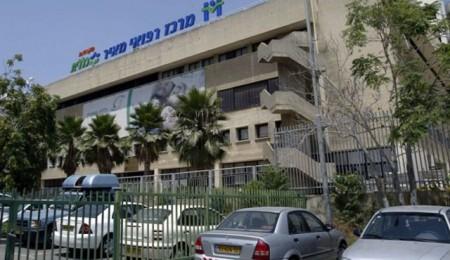
Meir Medical Center

Shaare Zedek Medical Center

Elisha Hospital
Obtenga una evaluación médica de tratamiento de Poliquistosis renal en Israel: haga una consulta con 10 médicos experimentados ahora
Ver todos los médicos
Barak Rosenzweig
El Dr. Barak Rosenzweig, MD, dirige el Servicio de Oncología Urológica del Centro Médico Sheba. Es un cirujano uro-oncológico con casi 20 años de experiencia. Trata cánceres urológicos complejos con métodos robóticos avanzados y mínimamente invasivos. Figura entre los Mejores Médicos de Israel según Forbes.
Su experiencia abarca tumores de próstata, riñón, vejiga, testículo y tracto urinario superior. Realiza prostatectomía radical robótica, nefrectomía parcial con preservación renal y

Jacob Ben-chaim
Destacado urólogo pediátrico especializado en afecciones renales como la enfermedad poliquística, respaldado por una formación de élite en Johns Hopkins y más de 40 años de experiencia.
- Dirige la división de Urología Pediátrica en el Centro Médico Sourasky de Tel Aviv
- Experto en cirugías laparoscópicas mínimamente invasivas para niños, como la pieloplastia
- Investigador galardonado por su trabajo en técnicas urológicas pediátricas avanzadas
- Preside la Unión de Urología Pediátrica de la Asociación Urológica Israelí
- Conferenciante y tutor en la Facultad de Medicina Sackler de la Universidad de Tel Aviv

Haim Matskin
El Prof. Haim Matskin dirige el Departamento de Urología del Centro Médico Sourasky, especializándose en oncourología y tratamientos avanzados para enfermedades genitourinarias.
- Experto en braquiterapia y crioterapia para el tratamiento de tumores
- Miembro de la Asociación Médica de Israel y de asociaciones internacionales de urología
- Trata una amplia gama de tumores genitourinarios malignos

Mario Sofer
Jefe de endourología en el Centro Médico Sourasky – El Dr. Sofer se especializa en técnicas avanzadas para la enfermedad poliquística renal.
- Formado en urología oncológica en la Universidad de Miami
- Urólogo senior con 39 años de experiencia clínica
- Ha publicado 50 artículos científicos sobre urología
- Miembro de asociaciones urológicas europeas e internacionales
Compartir contenido
Historias en video de pacientes de Bookimed
 Olena Sikoza
Preguntas frecuentes sobre el tratamiento de Poliquistosis renal en Israel
¿Se realiza en Israel la cirugía laparoscópica o robótica de reducción de quistes para la enfermedad renal poliquística, y qué tan segura es?
Los centros médicos israelíes realizan cirugías laparoscópicas y asistidas por robot para la enfermedad renal poliquística con altas tasas de éxito. Los cirujanos utilizan plataformas avanzadas como el sistema Da Vinci Xi para la reducción de quistes y la nefrectomía. Estos procedimientos son alternativas más seguras a la cirugía abierta. La mayoría de los pacientes no experimentan complicaciones durante la recuperación.
- Tasas de éxito: Aproximadamente el 75% de los pacientes se someten a la cirugía sin complicaciones médicas.
- Pérdida de sangre: Las técnicas mínimamente invasivas suelen resultar en una baja pérdida de sangre de 75-85 cc.
- Estancia hospitalaria: Los pacientes generalmente permanecen en el hospital solo de 3 a 4 días.
- Alivio de los síntomas: La decorticación de quistes puede reducir el dolor abdominal y la presión hasta en un 90%.
Perspectiva del experto de Bookimed: Los datos muestran una clara división técnica entre los centros de Jerusalén y Tel Aviv. El Hadassah Medical Center lidera en cirugía robótica de alto volumen con más de 40,000 operaciones anuales. El Dr. Vladimir Yutkin es el único cirujano allí que utiliza la reconstrucción renal en 3D. El Sourasky Medical Center en Tel Aviv se centra en urología especializada de élite. El Dr. Ben Cchaim Jacob en Sourasky tiene más de 30 años de experiencia. Fue pionero en u
¿Qué tratamientos hay disponibles en Israel para la PQRAD además de la cirugía?
El tratamiento no quirúrgico de la PQRAD en Israel se centra en ralentir el crecimiento de los quistes y controlar las complicaciones mediante medicamentos especializados y protocolos de estilo de vida rigurosos. Los pacientes acceden a terapias modificadoras de la enfermedad como el Tolvaptan, junto con un control avanzado de la presión arterial y asesoramiento genético en centros acreditados por la JCI, como el Centro Médico Sourasky y el Centro Médico Hadassah.
- Fármaco modificador de la enfermedad: El Tolvaptan (Jynarque) ralentiza el deterioro de la función renal y reduce el volumen de los quistes.
- Control de la hipertensión: Los inhibidores de la ECA o los ARA II mantienen la presión arterial por debajo de 130/80 mmHg.
- Manejo del dolor: La aspiración terapéutica de quistes proporciona un alivio inmediato de la presión sin necesidad de cirugía mayor.
- Intervención dietética: Una ingesta de sodio inferior a 2.000 mg diarios limita la retención de líquidos y el estrés.
Perspectiva del experto de Bookimed: Los centros médicos israelíes como Sourasky y Hadassah integran imágenes digitales avanzadas e IA para rastrear la progresión de los quistes con alta precisión. Aunque muchos pacientes internacionales buscan cirugía, la estrategia aquí a menudo prioriza las pruebas genéticas tempranas para asegurar la aprobación del Tolvaptan. Este en
¿Quién es candidato para una cirugía de reducción de quistes y qué tamaño renal o síntomas justifican la intervención?
Los candidatos para la cirugía de reducción de quistes en Israel suelen presentar quistes de más de 5 centímetros o síntomas graves. La intervención está justificada cuando los quistes causan dolor persistente en el flanco, infecciones recurrentes u obstrucciones urinarias. Los quistes complejos clasificados como Bosniak III o IV requieren extirpación quirúrgica para abordar una posible malignidad.
- Umbral de tamaño: La cirugía generalmente está indicada para quistes de más de 5 centímetros de diámetro.
- Gravedad de los síntomas: Justificada para dolor debilitante en el flanco, masas palpables o presión arterial alta.
- Complicaciones clínicas: Esencial para controlar hemorragias internas recurrentes, infecciones crónicas u obstrucción del flujo urinario.
- Riesgo de malignidad: La intervención es obligatoria para quistes complejos con componentes sólidos o paredes gruesas.
Perspectiva del experto de Bookimed: Los especialistas israelíes en centros como Sourasky o Hadassah a menudo priorizan la reconstrucción renal en 3D antes de proceder con una nefrectomía parcial robótica. El Dr. Vladimir Yutkin es un especialista poco común que utiliza este mapeo 3D para preservar el máximo de tejido sano. Esta tecnología es especialmente vital para pacientes con riñones grandes de 2000 mL donde las imágenes estándar pueden pasar por alto los límites vasc
¿Cuánto tiempo necesitaré permanecer en Israel y cómo es el cronograma típico de admisión?
Los pacientes generalmente requieren de 3 a 6 semanas en Israel para el tratamiento de la enfermedad poliquística renal. Las consultas de diagnóstico y las imágenes toman 1 semana. Los procedimientos quirúrgicos requieren de 7 a 14 días de hospitalización. El monitoreo de seguimiento dura de 1 a 2 semanas antes de autorizar a los pacientes para viajes internacionales.
- Ventana de admisión: El proceso toma de 1 a 3 meses desde la consulta inicial hasta la admisión hospitalaria.
- Evaluación inicial: Las consultas virtuales y la revisión de documentos médicos toman de 1 a 2 semanas.
- Fase preoperatoria: Las pruebas de diagnóstico y biopsias en el país generalmente requieren una estancia de 1 semana.
- Período de recuperación: El monitoreo postquirúrgico dura de 10 a 14 días para gestionar los riesgos de ruptura de quistes.
Perspectiva del experto de Bookimed: Los datos de instituciones líderes como el Centro Médico Sourasky y Hadassah revelan una alta concentración de experiencia especializada. El Dr. Vladimir Yutkin en Hadassah es el único especialista en Israel que realiza nefrectomías parciales robóticas con reconstrucción 3D. Esta tecnología es vital para la enfermedad poliquística renal, ya que ayuda a preservar el tejido sano. Elegir un centro con capacidades robóticas a menudo conduce a estancias hospitalarias más cortas en comparación c
¿Cuáles son los resultados a corto y largo plazo y las tasas de recurrencia después de la descompresión de quistes?
La descompresión de quistes en Israel ofrece un alivio inmediato significativo para los síntomas de la poliquistosis renal. Los pacientes informan frecuentemente de un 80% a un 90% menos de dolor en el flanco después de la decorticación laparoscópica. Si bien el éxito a corto plazo es alto, el manejo a largo plazo a menudo requiere procedimientos repetidos. La recurrencia suele oscilar entre el 50% y el 80% en un plazo de cinco años.
- Alivio inmediato: La mayoría de los pacientes informan una reducción drástica del dolor y una mejor calidad del sueño.
- Recuperación quirúrgica: Los métodos laparoscópicos o robóticos mínimamente invasivos permiten el alta en pocos días.
- Estabilidad funcional: Los procedimientos se centran en estabilizar la función renal en lugar de lograr una reversión completa.
- Cronología de recurrencia: Los estudios sugieren que aproximadamente el 50% de los quistes pueden volver a crecer en 12 meses.
Perspectiva del experto de Bookimed: Los datos de los principales centros israelíes, como el Sourasky Medical Center y Hadassah, indican un cambio hacia la cirugía robótica guiada por 3D. El Dr. Vladimir Yutkin en Hadassah utiliza la reconstrucción 3D para una nefrectomía y un manejo de quistes precisos. Este enfoque de alta precisión en instalaciones que realizan más de 35,000 cirugías al año ayuda a los cirujanos a tratar
¿Existen ensayos clínicos o terapias novedosas en Israel centradas en la poliquistosis renal?
Israel es un centro principal para la investigación de la poliquistosis renal (PKR), centrándose en la medicina regenerativa y los organoides renales humanos. Los ensayos clínicos a menudo se dirigen a las vías de señalización genética y la reparación de tejidos. Instituciones de primer nivel como el Centro Médico Sheba y el Centro Médico Hadassah lideran estos protocolos experimentales avanzados y avances diagnósticos.
- Tecnología de organoides: Los investigadores cultivaron con éxito organoides renales humanos 3D estables durante más de 30 semanas.
- Terapia regenerativa: Los científicos están desarrollando terapias utilizando células derivadas de la orina para crear mini-riñones.
- Mapeo genético: Nuevas variantes en los genes PKD1 y PKD2 mejoran la precisión diagnóstica para los pacientes.
- Pruebas de fármacos: Los cultivos de tejido sintético permiten pruebas personalizadas de nuevos fármacos sin modelos animales.
Perspectiva del experto de Bookimed: La nefrología israelí destaca porque los mejores especialistas a menudo desempeñan un doble papel como investigadores activos. Por ejemplo, el Dr. Vladimir Yutkin en el Centro Médico Hadassah realiza complejas nefrectomías parciales robóticas utilizando reconstrucción 3D. Esta experiencia quirúrgica de alta tecnología combinada con la investigación regenerativa en centros como Sourasky signi
¿Cómo se controla el dolor postoperatorio y cuál es el cronograma de recuperación antes de volar a casa?
Los pacientes suelen controlar el dolor postoperatorio mediante analgesia intravenosa controlada por el paciente durante 48 horas antes de pasar a la medicación oral. La mayoría de las personas pueden volar de forma segura entre 10 y 14 días después de procedimientos renales laparoscópicos. Las cirugías abiertas o los trasplantes requieren un período de recuperación más largo de 4 semanas antes de viajar en avión.
- Control del dolor: Las bombas intravenosas administran medicamentos durante 2 días antes de cambiar a analgésicos orales.
- Alta hospitalaria: La mayoría de los pacientes abandonan el centro entre 3 y 7 días después de la cirugía.
- Cronograma para volar: Los cirujanos generalmente autorizan a los pacientes para vuelos internacionales después de 10 a 14 días.
- Seguridad en los viajes: Caminar por la cabina y usar medias de compresión ayuda a prevenir coágulos sanguíneos.
Perspectiva del experto de Bookimed: Los datos de centros israelíes de primer nivel como Hadassah y Sourasky revelan una gran dependencia de las técnicas asistidas por robot. El Dr. Vladimir Yutkin en Hadassah ha realizado más de 300 cirugías robóticas, incluidas reconstrucciones 3D complejas. Elegir la cirugía robótica en lugar de la abierta a menudo reduce las estancias hospitalarias a 3 días y acelera el cronograma de vuelo seguro en casi un 50 %.
¿Por qué Israel es uno de los principales destinos para la neurocirugía?
Israel es un centro líder en neurocirugía gracias a su combinación de avances médicos de alta tecnología y una experiencia quirúrgica de primer nivel. Instalaciones avanzadas como el Centro Médico Sheba utilizan sistemas de navegación basados en IA y resonancia magnética intraoperatoria en tiempo real. Centros especializados reportan una tasa de éxito del 98% en procedimientos complejos, como la craneotomía con el paciente despierto y el tratamiento de trastornos del movimiento.
- Tecnología avanzada: Las clínicas utilizan ultrasonido enfocado guiado por resonancia magnética (MRgFUS) y sistemas robóticos para realizar incisiones.
- Experiencia quirúrgica: Cirujanos como el Dr. Zvi Ram lideran asociaciones internacionales con más de 25 años de experiencia.
- Acceso rápido: Los pacientes internacionales generalmente pueden programar cirugías complejas de cerebro o columna en un plazo de 2 a 4 semanas.
- Atención médica acreditada: Grandes centros como Sourasky (Ichilov) y Assuta están acreditados por la JCI, lo que confirma su seguridad.
Opinión experta de Bookimed: Los datos muestran una clara diferencia entre las opciones de tratamiento públicas y privadas en Israel. Centros privados, como el Centro Médico Assuta, realizan más de 92.000 cirugías al año y permiten a los pacientes elegir a un cirujano líder específico. Esto supone una ventaja signi
¿Qué tipos de enfermedades neuroquirúrgicas se tratan en Israel?
Los neurocirujanos israelíes tratan una amplia gama de afecciones, desde tumores cerebrales y de médula espinal hasta trastornos funcionales complejos. Los centros especializados utilizan tecnologías de vanguardia, como el bisturí de rayos gamma, la estimulación cerebral profunda y la resonancia magnética intraoperatoria, para un diagnóstico altamente preciso de la epilepsia, la enfermedad de Parkinson y las patologías cerebrovasculares.
- Enfermedades oncológicas: tratamiento de gliomas, meningiomas y tumores hipofisarios mediante resección de la base del cráneo.
- Trastornos funcionales: tratamiento de la enfermedad de Parkinson y del temblor esencial mediante estimulación cerebral profunda.
- Patologías de columna: corrección de escoliosis, hernias discales y tumores espinales mediante sistemas robóticos.
- Tratamiento de las enfermedades cerebrovasculares: tratamiento quirúrgico de aneurismas cerebrales y malformaciones arteriovenosas mediante intervenciones endovasculares.
- Neurocirugía pediátrica: atención especializada en hidrocefalia y anomalías congénitas en centros pediátricos especializados.
Opinión experta de Bookimed: Los hospitales israelíes suelen combinar diversas especialidades para abordar casos complejos. En el Centro Médico Sourasky, neurocirujanos como el Dr. Zvi Lidar combinan neurocirugía y ortopedi
¿Qué hospitales en Israel son más conocidos por sus departamentos de neurocirugía?
Israel alberga centros neuroquirúrgicos de renombre mundial, como el Centro Médico Sourasky, el Centro Médico Sheba y el Centro Médico Hadassah. Estas instituciones son líderes mundiales en el tratamiento de tumores cerebrales complejos, enfermedades de la columna vertebral y trastornos del movimiento. Utilizan tecnologías de vanguardia como el bisturí de rayos gamma, sistemas robóticos y resonancia magnética intraoperatoria.
- Suraski (Ichilov): realiza más de 2.500 operaciones neuroquirúrgicas al año en Tel Aviv con una tasa de éxito del 98%.
- Centro Médico Sheba: clasificado entre los diez mejores hospitales del mundo, trata a 1,9 millones de pacientes al año.
- Centro Médico Hadassah: Nominado al Premio Nobel de la Paz. Líder en neurocirugía pediátrica y terapia génica.
- Centro Médico Assuta: el centro médico privado más grande de Israel. Especializado en cirugías mínimamente invasivas de columna y cerebro.
- Hospital Infantil Schneider: un centro líder en neurocirugía pediátrica que trata a 275.000 niños al año.
Opinión experta de Bookimed: Nuestros datos muestran que, si bien la mayoría de los pacientes buscan tratamiento en Tel Aviv, el Centro Médico Rambam en Haifa ofrece una atención única para neurotraumatismos. Cuenta con una unidad especializada en cuidados neurocríticos que atiende a aproximadamente un milló