Poliquistosis renal Tratamiento en Tailandia — Costos 2026


Revisado médicamente por
Fahad Mawlood
¿Cuál es el precio del diagnóstico y los tratamientos de Poliquistosis renal en Tailandia? Descubra ahora
| Tailandia | España | Turquía | |
|---|---|---|---|
| Tratamiento sintomático | de $130 / 4,800฿ | de $20,200 / 747,400฿ | de $220 / 8,100฿ |
Sus beneficios y garantías con Bookimed
Precios directos
Bookimed no añade cargos extra a los precios de los tratamientos de Poliquistosis renal. Las tarifas proceden de las listas de precios oficiales de las clínicas. Pagará directamente en la clínica por su tratamiento a su llegada al país.
Sólo clínicas y médicos verificados
Bookimed está comprometido con su seguridad. Solo trabajamos con las clínicas que mantienen altos estándares internacionales en el tratamiento de Poliquistosis renal y cuentan con las licencias necesarias para atender a pacientes internacionales en todo el mundo.
Asistencia 24/7 gratuita
Bookimed ofrece asistencia experta gratuita. Un coordinador médico personal le apoya antes, durante y después de su tratamiento, resolviendo cualquier problema. Nunca estará solo en su viaje médico de tratamiento de Poliquistosis renal.

Su coordinador médico personal de Bookimed
- Le apoya en cada etapa
- Ayuda a elegir la clínica y el médico adecuados
- Asegura un acceso rápido y conveniente a la información
Descubra las mejores clínicas de tratamiento de Poliquistosis renal en Tailandia: 3 opciones verificadas y Precios







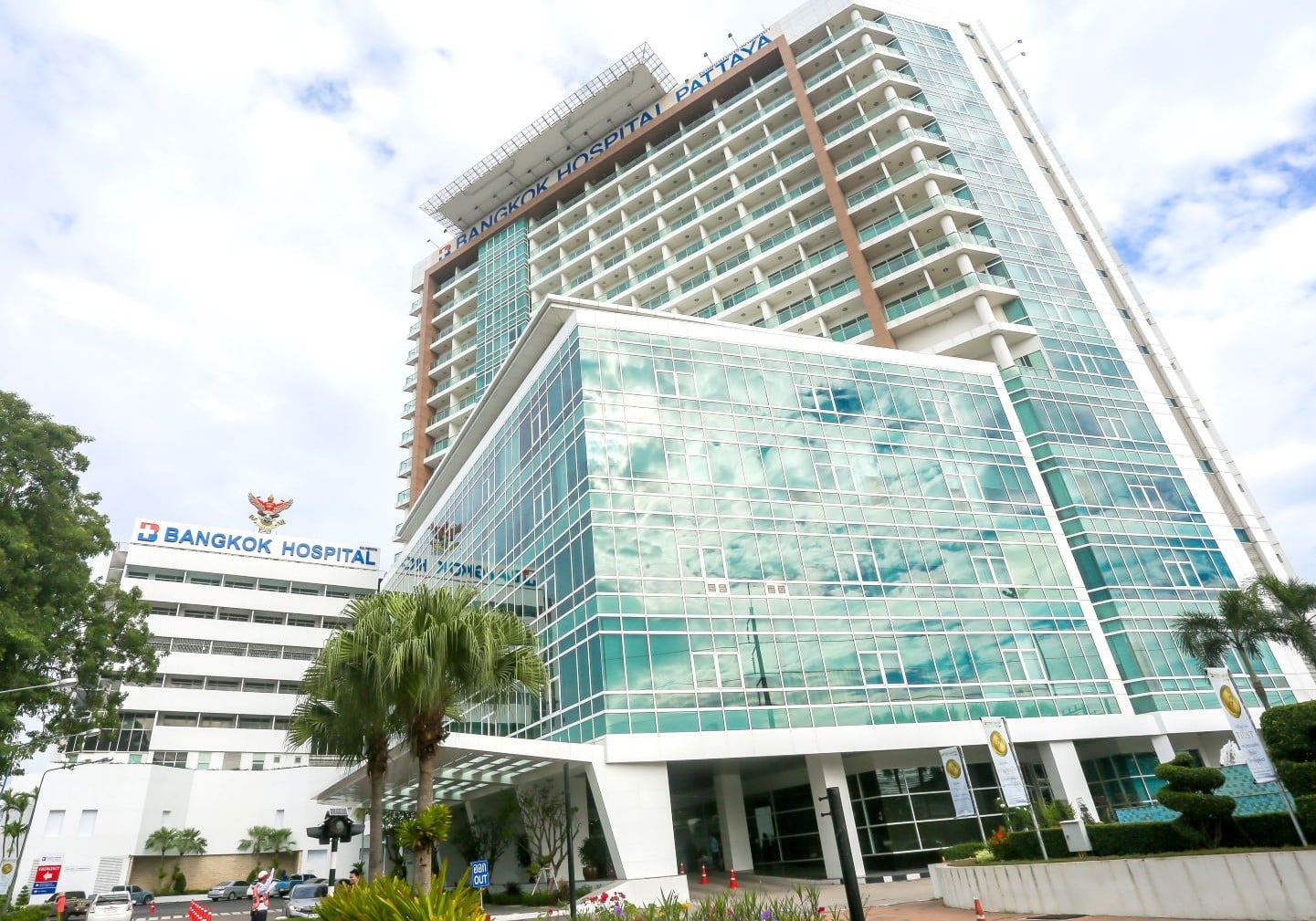



Obtenga una evaluación médica para Poliquistosis renal en Tailandia: consulte con doctores experimentados ahora
Ver todos los médicos
Siriporn Leehacharoenkul
El médico es un profesional altamente cualificado especializado en medicina interna y nefrología. Tras obtener la Licenciatura en Medicina en la Facultad de Medicina de la Universidad Príncipe de Songkla, el médico amplió su experiencia con un Diploma en Medicina Interna en la misma institución y un Diploma especializado en Nefrología en el Hospital Rajavithi.
Actualmente, el médico ejerce como internista general y nefrólogo en el Hospital Intrarat, donde proporciona atención clínica in

Teanchai Siricharoensang
El Dr. Teanchai Siricharoensang aporta 38 años de experiencia senior en urología desde el Hospital Samitivej de Bangkok, especializándose en técnicas laparoscópicas y endoscópicas avanzadas.
- Graduado de la facultad de medicina Siriraj y la Universidad Mahidol
- Cirujano laparoscópico avanzado con habilidades de precisión
- Especialista certificado en lipólisis ultrasónica
- Miembro de la Asociación Americana de Urología
Compartir contenido
Historias en video de pacientes de Bookimed
 Olena Sikoza
Preguntas frecuentes sobre el tratamiento de Poliquistosis renal en Tailandia
¿Cuáles son las principales opciones de tratamiento para la poliquistosis renal en Tailandia?
El tratamiento de la poliquistosis renal en Tailandia se centra en ralentir el crecimiento de los quistes y controlar las complicaciones. Centros líderes como el Bumrungrad International Hospital utilizan Tolvaptán para retrasar la progresión. La atención especializada incluye control de la presión arterial, cirugía laparoscópica para quistes grandes, diálisis y trasplante renal de donante vivo para casos en etapa terminal.
- Control de la presión arterial: Los médicos utilizan inhibidores de la ECA para reducir el daño renal y la hipertensión.
- Cirugía sintomática de quistes: Los cirujanos realizan una decorticación laparoscópica para drenar quistes dolorosos o infectados.
- Terapia de reemplazo renal: La hemodiafiltración avanzada y la diálisis apoyan a los pacientes con función renal en declive.
- Trasplante renal: Los centros tailandeses reportan una supervivencia al año del 99,4% en procedimientos de trasplante de donante vivo.
- Medicamentos especializados: El Tolvaptán está disponible en centros de nefrología dedicados para enfermedades de progresión rápida.
Perspectiva del experto de Bookimed: Tailandia ocupa el sexto lugar a nivel mundial en turismo médico en Bookimed, en gran parte debido a sus centros de alta capacidad. El Bumrungrad International Hospital atiende a más de 1 millón de pacientes al año con 70
¿Cuáles son las tasas de supervivencia después de un trasplante de riñón en Tailandia?
Las tasas de supervivencia de los trasplantes de riñón en Tailandia son altas. Los receptores de donantes vivos tienen una supervivencia del paciente al año del 99,4 %. Los receptores de donantes fallecidos alcanzan el 97,2 %. La supervivencia a 5 años sigue siendo sólida en el 96,7 % para los donantes vivos. Muchos centros mantienen la acreditación de la Joint Commission International para garantizar estos estándares de seguridad.
- Supervivencia con donante vivo: Estos receptores alcanzan una supervivencia del paciente del 87,9 % a los 10 años.
- Funcionalidad del injerto: Aproximadamente el 98 % de los riñones de donantes vivos funcionan después de 1 año.
- Perspectiva a largo plazo: Más del 78 % de todos los pacientes trasplantados en Tailandia viven más de 10 años.
- Enfoque en la seguridad: Centros como el Bumrungrad International Hospital atienden a 1.000.000 de pacientes al año con atención acreditada por la JCI.
Opinión de expertos de Bookimed: Las altas tasas de supervivencia de Tailandia se deben al enorme volumen de pacientes en los centros líderes. El Bumrungrad International Hospital por sí solo gestiona más de 1.000.000 de pacientes al año. Esta alta repetición ayuda a los equipos quirúrgicos a perfeccionar los protocolos postoperatorios. Los centros grandes a menudo logran mejores resultados que las clínicas más pequeñas debido
¿Pueden los pacientes internacionales recibir un trasplante de riñón en Tailandia?
Los pacientes internacionales pueden recibir un trasplante de riñón en Tailandia solo si proporcionan un donante vivo legalmente relacionado. La ley tailandesa prohíbe estrictamente los trasplantes de donantes fallecidos para no residentes. Los pacientes deben demostrar un vínculo biológico o matrimonial. Todos los procedimientos deben pasar por una revisión de un comité de ética para prevenir el tráfico de órganos.
- Criterios del donante: Los donantes deben ser parientes biológicos directos o cónyuge legal del receptor.
- Requisitos matrimoniales: Los cónyuges deben estar legalmente casados durante 3 años, a menos que tengan hijos biológicos en común.
- Verificación obligatoria: Se requieren pruebas de ADN y certificados de nacimiento o matrimonio certificados por la embajada en todos los casos.
- Duración de la estancia: Los pacientes deben permanecer de 6 a 8 semanas para la evaluación, la cirugía y el seguimiento postoperatorio.
Perspectiva del experto de Bookimed: Tailandia mantiene una estricta supervisión a través de la Cruz Roja Tailandesa para garantizar el cumplimiento ético. Clínicas como el Bumrungrad International Hospital atienden a pacientes de más de 190 países, pero se adhieren a estas leyes rígidas. Los pacientes deben priorizar la obtención de documentos legales certificados antes de su llegada para evitar el rechazo por par
¿Cuánto tiempo debo planificar quedarme en Tailandia para procedimientos relacionados con la poliquistosis renal (PKD)?
Planifique una estancia de 1 a 2 semanas para intervenciones menores de PKD en Tailandia. Las cirugías mayores como la nefrectomía o el trasplante requieren de 6 a 8 semanas. Este plazo garantiza un seguimiento seguro por parte de especialistas en centros acreditados por la JCI. Los pacientes deben obtener un certificado de aptitud para volar para evitar complicaciones de viaje postoperatorias.
- Trasplante de riñón: Planifique de 6 a 8 semanas en Tailandia para el seguimiento.
- Nefrectomía nativa: Espere de 9 a 10 días para la recuperación quirúrgica y el alta.
- Decorticación de quistes: Reserve de 6 a 7 días para la estancia hospitalaria y la curación inicial.
- Evaluación diagnóstica: Presupueste 1 semana completa para escáneres y pruebas de laboratorio específicas para PKD.
Perspectiva del experto de Bookimed: Aunque los grandes hospitales como Bumrungrad tratan a más de 1 millón de pacientes al año, la logística de seguimiento varía según la ciudad. En Bangkok, planifique 2 días adicionales solo para el tráfico y los desplazamientos entre citas clínicas. Elegir una clínica en Pattaya puede reducir la fatiga por viajes locales durante la recuperación debido a tiempos de tránsito más cortos.
Consenso de los pacientes: Los pacientes enfatizan quedarse al menos 2 semanas cerca de la clínica para cualquier cirugía rena
¿Cómo se trata el dolor relacionado con la poliquistosis renal (PKD) en los hospitales tailandeses?
Los hospitales tailandeses gestionan el dolor de la poliquistosis renal mediante un protocolo graduado. Los especialistas equilibran la medicación conservadora con el drenaje mínimamente invasivo y la cirugía laparoscópica. Los centros acreditados por la JCI utilizan imágenes avanzadas para tratar quistes grandes. Este enfoque multidisciplinario se centra en preservar la función renal restante mientras se proporciona alivio.
- Medicación escalonada: El paracetamol es la opción inicial para las molestias renales crónicas leves.
- Aspiración guiada: Los especialistas utilizan ultrasonido para drenar quistes e inyectar agentes esclerosantes.
- Decorticación laparoscópica: Los cirujanos eliminan las paredes de los quistes para reducir la presión interna en los riñones.
- Gestión dietética: Los nutricionistas diseñan planes bajos en sodio para minimizar los brotes de quistes y la presión.
Opinión del experto de Bookimed: Los centros de Bangkok, como el Bumrungrad International Hospital, atienden a más de 1 millón de pacientes al año. Este alto volumen permite contar con equipos especializados en enfermedades quísticas. Mientras que los hospitales generales tratan los síntomas, estos centros más grandes ofrecen cirugía asistida por robot. Elegir una clínica con centros de imágenes digitales garantiza una orientación más precisa de los quistes. Esta p
¿Qué orientación sobre el estilo de vida se da a los pacientes con EPQ durante el tratamiento en Tailandia?
La orientación médica tailandesa para la enfermedad poliquística renal (EPQ) se centra en una estricta modificación del comportamiento para retrasar el deterioro renal. Los especialistas enfatizan dietas bajas en sodio (menos de 2,000 miligramos diarios) y una ingesta controlada de proteínas de 0.8 gramos por kilogramo. Los pacientes deben evitar los deportes de contacto para prevenir la ruptura de quistes dentro de las instalaciones acreditadas por la JCI.
- Restricción de sodio: Limite la sal a menos de 2,000 miligramos para controlar los niveles de presión arterial.
- Moderación de proteínas: Enfóquese en proteínas de origen vegetal para reducir la carga sobre los riñones.
- Gestión de líquidos: Mantenga niveles altos de hidratación mientras monitorea la producción de orina durante las estancias clínicas.
- Precauciones de actividad: Realice caminatas suaves en lugar de deportes bruscos o levantamiento de pesas.
- Presión arterial: Realice un monitoreo diario para asegurar que los inhibidores de la ECA controlen eficazmente el crecimiento de los quistes.
Perspectiva del experto de Bookimed: Los principales centros de Tailandia, como el Hospital Internacional Bumrungrad, atienden a más de 1 millón de pacientes al año con una infraestructura masiva de 1,300 médicos. Este alto volumen permite departamentos de urología es
¿Cómo elijo el especialista o el hospital adecuado para el tratamiento de la poliquistosis renal (PKD) en Tailandia?
Para elegir el tratamiento adecuado para la PKD en Tailandia, priorice los hospitales acreditados por la JCI con centros de nefrología dedicados. Busque especialistas con formación internacional, como la certificación del American Board of Nephrology. Los centros de gran volumen, como el Bumrungrad International Hospital, atienden a más de 1 millón de pacientes al año con equipos especializados en atención renal.
- Acreditación hospitalaria: Los estándares de la Joint Commission International (JCI) garantizan puntos de referencia globales de seguridad y calidad.
- Experiencia del especialista: Seleccione nefrólogos con experiencia documentada en el manejo de la poliquistosis renal autosómica dominante (ADPKD).
- Enfoque multidisciplinario: Asegúrese de que el centro coordine la atención entre nefrólogos, genetistas y cirujanos de trasplantes.
- Diagnóstico avanzado: Confirme que la clínica proporcione pruebas genéticas e imágenes avanzadas para el monitoreo de quistes.
Perspectiva de expertos de Bookimed: Los datos muestran una brecha de experiencia significativa entre los hospitales generales y los centros de alta capacidad. El Bumrungrad International Hospital emplea a más de 1.300 médicos y maneja casos internacionales en 70 departamentos. Para la PKD, elegir estas instalaciones a gran escala es vital porque mantienen la infraestructura para