Ir a inicio

Cómo funciona

Hemos transformado el proceso de búsqueda de clínicas, haciéndolo simple, rápido y personalizado.
Responda algunas preguntasComplete un breve formulario para contarnos sobre su estado de salud y necesidades médicas.
Obtenga ofertas personalizadas3 clínicas seleccionadas especialmente según sus respuestas le proporcionan planes de tratamiento personalizados y presupuestos.
Elija la mejor opciónCompare ofertas y elija la clínica que más le convenga.
También puede consultar las 7 clínicas a continuación.
820К+ pacientes han recibido asistencia desde 2014
50 países
1,500 clínicas
6K+ reseñas
3K+ médicos calificados

¿Cuál es el precio del diagnóstico y los tratamientos de Poliquistosis renal en España? Descubra ahora

El precio se proporciona bajo petición
EspañaTurquíaMéxico
Tratamiento sintomáticode $800de $300de $150
Datos verificados por Bookimed a partir de July 2026, basados en solicitudes de pacientes y cotizaciones oficiales de 99 clínicas en todo el mundo. Los costos medianos se basan en facturas reales (2025–2026) y se actualizan mensualmente. Los precios reales pueden variar.

Descubra las mejores clínicas de tratamiento de Poliquistosis renal en España: 7 opciones verificadas y Precios


El ranking de clínicas de Bookimed se basa en algoritmos de data science, ofreciendo una comparación confiable, transparente y objetiva. Tiene en cuenta la demanda de pacientes, las puntuaciones de reseñas (positivas y negativas), la frecuencia de actualización de opciones de tratamiento y precios, la rapidez de respuesta y las certificaciones de las clínicas.
Hospital Quiron Barcelona
4.46 reseñas
Precio a consultar
Más información
Quironsalud Madrid
3.86 reseñas
Precio a consultar
Más información
Anuncio
Centro Médico Teknon
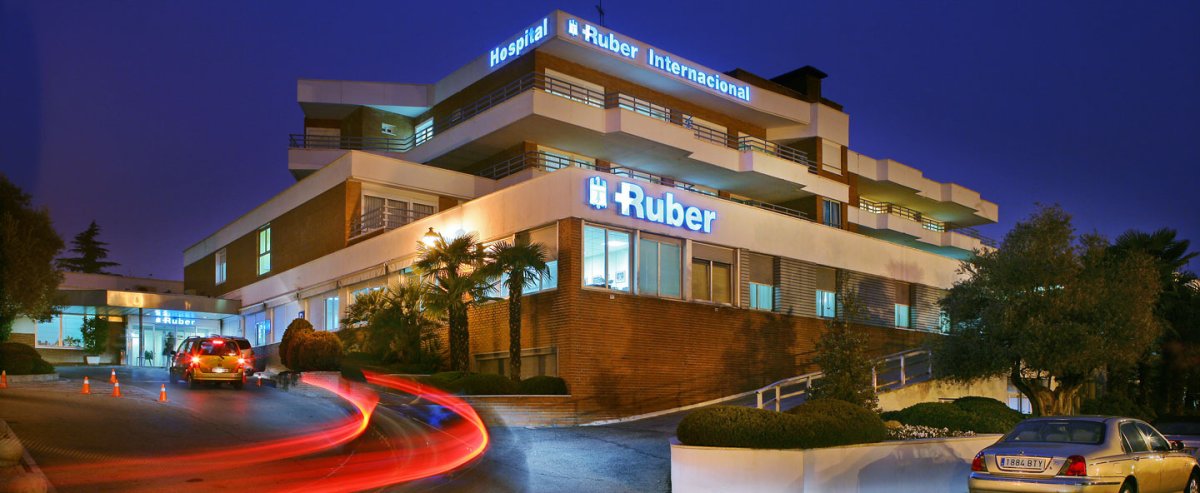
Hospital Ruber Internacional
4.5
Precio a consultar
Más información
Hospital Sant Joan de Déu Barcelona

4.744 reseñas
Precio a consultar
Más información

Obtenga una evaluación médica para Poliquistosis renal en España: consulte con doctores experimentados ahora

Ver todos los médicos
verificado

Jose Emilio Batista Miranda

41 años de experiencia

El Dr. Batista fue pionero en cirugías láser en Barcelona y ha realizado más de 1.100 tratamientos en urología. Fundó y dirige la unidad Uroclínica en el Centro Médico Teknon.

  • Especializarse en urología funcional y pediátrica con 35 años de experiencia
  • Primero en Barcelona en utilizar láser GreenLight y Thulium para tratamientos de próstata
  • Autor de 102 artículos y 84 informes científicos en congresos mundiales
  • Formación de posgrado en el Hospital Infantil de Harvard y la Universidad de Boston
  • Miembro activo de la Asociación Europea de Urología y de la International Continence Society
verificado

Josep Torremade Barreda

18 años de experiencia

Especialista líder en andrología y urología con más de 15 años de experiencia: el Dr. Torremade dirige el Departamento de Andrología del Centro Médico Teknon.

  • Poseer el título de Doctor en Medicina con honores por la Universitat de Barcelona
  • Jefe de Andrología del Hospital Clínic de Barcelona y del Centro Médico Teknon
  • Miembro del European Board of Urology y del European Committee of Sexual Medicine
  • Profesor asociado de Andrología Clínica en la Universitat Autònoma de Barcelona

verificado

Navarro Vilches

14 años de experiencia

El Dr. Navarro Vilches se especializa en cirugía renal avanzada y dirige la Unidad de Urología de Quirónsalud Marbella.

  • Formado en el Memorial Sloan-Kettering Cancer Centre de Nueva York
  • Cofundador del Instituto de Cirugía Urológica de Málaga
  • Miembro de la Unidad de Trasplante Renal del Hospital Carlos Haya
  • Autor de múltiples artículos sobre patologías urológicas
verificado

Antonio Allona

45 años de experiencia

El Dr. Antonio Allona es director de la Unidad de Urología del Hospital Ruber Internacional (Madrid) desde 1993. Cuenta con más de 40 años de experiencia en cáncer de próstata, urología reconstructiva y andrología. Es reconocido por la cirugía urológica compleja y los tratamientos oncológicos avanzados.

Trayectoria: Jefe de Urología y Andrología en Ruber Internacional. Urólogo sénior en el Hospital Universitario Ramón y Cajal (1981–2010). Especialista en el Centro Médico Teknon.

Credenciales: Licenciatura en Medicina, Universidad de Granada (1977), Premio Extraordinario de Licenciatura. Doctorado (PhD), Universidad de Alcalá de Henares, cum laude (tesis sobre reservorio ileal detubulizado). Miembro del European Board of Urology (FEBU, 1992). Certificación del Foreign Medical Examination (1980).

Contribuciones: Miembro de la Comisión Nacional de Urología (1986–2004). Secretario general de la AEU durante ocho años. Ha ocupado cargos en juntas directivas de sociedades internacionales. Ha contribuido a avances en reconstrucción vesical y urología funcional. Miembro de la AEU, la Asociación Española de Andrología, la EAU, la AUA, la SIU y la Confederación Americana de Urología.

Compartir contenido

Historias en video de pacientes de Bookimed

Dayana
Combiné mis vacaciones en Antalya con un chequeo médico.
Procedimiento: Chequeo femenino
Igor
¡Fue genial! Traslados, alojamiento, tratamiento, todo incluido.
Procedimiento: Implante dental
Clínica: WestDent Clinic
Marina
Bookimed se encargó de todo. No tuve que preocuparme por nada.
Procedimiento: Chequeo femenino
Actualizado: 12/09/2024
Escrito por
Olena Sikoza
Olena Sikoza
Сopywriter en español
Copywriter médica certificada responsable del contenido en español de Bookimed. Más de 7 años de experiencia en redacción sobre salud y turismo médico, con formación académica en edición científica y desarrollo de contenidos.
Fahad Mawlood
Editor médico y Científico de datos
Médico general. Ganador de 4 premios científicos. Sirvió en Asia Occidental. Es el ex jefe del equipo médico que soporta a pacientes de habla árabe. Ahora es responsable del procesamiento de datos y la precisión del contenido médico.
Fahad Mawlood Linkedin
Esta página puede incluir información relacionada con diversas afecciones médicas, tratamientos y servicios de salud disponibles en diferentes países. Tenga en cuenta que el contenido se proporciona sólo con fines informativos y no debe interpretarse como asesoramiento médico o orientación. Por favor consulte con su médico o con un profesional médico calificado antes de comenzar o cambiar el tratamiento médico.

Preguntas frecuentes sobre el tratamiento de Poliquistosis renal en España

Estas preguntas frecuentes provienen de pacientes reales que buscan atención médica a través de Bookimed. Las respuestas son proporcionadas por coordinadores médicos experimentados y representantes autorizados de las clínicas.

What are the top hospitals in Spain for PKD treatment?

Top hospitals in Spain for polycystic kidney disease (PKD) treatment include JCI-accredited facilities like Centro Médico Teknon and Hospital Quiron Barcelona. These centers provide expert urological consultations. They manage symptoms and complications of PKD using robotized surgeries and advanced imaging like MRI.

  • Specialized facilities: Centro Médico Teknon serves 10,000 patients annually with JCI accreditation.
  • Expert urologists: Dr. Jose Emilio Batista Miranda has over 35 years of experience.
  • Advanced diagnostics: Clinics utilize PET-CT and MRI for monitoring kidney cyst progression.
  • Pediatric expertise: SJD Barcelona Children's Hospital manages PKD in infants and children.

Bookimed Expert Insight: Choosing a large hospital network like HM Hospitales or Quirónsalud provides a significant safety net. These networks, such as Hospital HM Nou Delfos or Quironsalud Madrid, serve over 400,000 patients yearly. This high volume ensures that specialists have extensive experience with rare PKD complications. Patients also gain access to clinical trials for neurodegenerative research through these larger institutions.

Patient Consensus: Patients note it is important to choose hospitals that offer personalized care and international services. They appreciate clinics that provide airport transfers and nearby hotel accommodations to make the treatment process smoother.

Which specialists in Spain are experts in PKD?

Expert nephrologists in Spain treat polycystic kidney disease using advanced molecular diagnostics and robotic surgery. Dr. Roser Torra and Dr. Jorge Moises Sandrus are leading specialists in Barcelona. Patients access multidisciplinary care at JCI-accredited centers like Centro Medico Teknon and Hospital Quiron Barcelona.

  • Specialist expertise: Dr. Roser Torra manages hereditary renal conditions at Fundacio Puigvert.
  • Surgical leadership: Dr. Antonio Alcaraz performs complex robotic kidney transplants in Barcelona.
  • Clinical experience: Dr. Jorge Moises Sandrus has overseen more than 900 cases.
  • Pediatric care: Dr. Alvaro Madrid Aris treats severe childhood renal disorders at SJD.

Bookimed Expert Insight: Barcelona has become a primary hub for hereditary kidney care due to massive patient volumes. Centro Medico Teknon alone manages 10,000 patients annually. This high concentration of cases allows specialists to refine diagnostic protocols for rare genetic variations. Doctors here often coordinate between 50 different departments to manage multi-organ PKD symptoms.

Patient Consensus: Patients note the importance of choosing centers with international departments for smooth coordination. Many highlight that personalized treatment plans in Barcelona often combine genetic counseling with long-term monitoring.

Is Tolvaptan available for PKD treatment in Spain?

Tolvaptan is available in Spain as a standard treatment for Autosomal Dominant Polycystic Kidney Disease (ADPKD). The drug is used in major hospitals to slow cyst growth. Eligible adults must show rapid progression and satisfy specific kidney function criteria. European Medicines Agency protocols require local monthly liver monitoring.

  • Eligible patients: Adults with ADPKD and chronic kidney disease stages 1 to 4.
  • Clinical monitoring: Mandatory monthly liver enzyme tests for 18 months to ensure safety.
  • Regional access: Available at major centers like Hospital Universitario HM Sanchinarro in Madrid.
  • Specialist care: Urologists like Dr. Antonio Allona provide expertise in complex kidney cases.

Bookimed Expert Insight: Spain ranks third globally on Bookimed for medical travel, reflecting a highly regulated healthcare system where innovative drugs like Tolvaptan are integrated into clinical networks. While large public centers manage many cases, private facilities like those in the HM Hospitales network offer streamlined access to specialists like Dr. Javier Romero Otero. This ensures that international patients can receive advanced symptomatic treatment in JCI-accredited environments that handle over 400,000 patients annually.

Patient Consensus: Patients note that while the national health system covers the drug, regional approvals can take around 3 months to finalize. Those using the medication emphasize that initial side effects like extreme thirst usually become more manageable after several weeks.

What are the primary treatment methods used in Spanish clinics?

Spanish clinics treat polycystic kidney disease through symptomatic management and advanced surgical interventions. Specialists focus on slowing cyst growth with targeted drug therapies like Tolvaptan. High-volume centers in Barcelona and Madrid integrate minimally invasive urology and robotic systems to manage complications and preserve renal function effectively.

  • Symptomatic care: Physicians use ACE inhibitors and Tolvaptan to manage blood pressure and cyst expansion.
  • Expert consultations: Leading urologists like Dr. Antonio Allona provide specialized diagnostics for chronic kidney conditions.
  • Robotic surgery: Centers use the da Vinci system for precise abdominal and urogenital procedures.
  • Transplant access: Spain maintains rapid transplant timelines, often within 1 to 2 years for eligible patients.

Bookimed Expert Insight: Spanish healthcare excellence is driven by massive patient volumes and specialized expertise. Hospital HM Nou Delfos and Centro Médico Teknon each treat over 10,000 patients annually. Doctors like Dr. Jose Emilio Batista Miranda bring over 35 years of experience to complex cases. This high volume across JCI-accredited facilities ensures refined clinical protocols and reliable outcomes for chronic renal management.

Patient Consensus: Patients value the speed of donor matching in Spain compared to other countries. Many note that conservative lifestyle changes and blood pressure control are prioritized before considering more invasive surgical options.

Is kidney transplantation available in Spain for patients with polycystic kidney disease?

Kidney transplantation is available in Spain for patients with polycystic kidney disease. Spain maintains a high transplant rate and leads the world in organ donation. Specialists at major centres manage end-stage renal disease through living and deceased donor transplant programs.

  • Renal surgery: Dr Navarro Vilches at Quirónsalud Marbella has extensive expertise in transplant units.
  • Certified facilities: JCI-accredited hospitals such as Hospital Ruber Internacional and Centro Médico Teknon provide urology.
  • Diagnostic support: Clinics use 3-Tesla MRI and CT scans for precise pre-transplant kidney assessment.
  • Paediatric options: SJD Barcelona Children’s Hospital serves paediatric PKD cases with specialised molecular medicine.

Bookimed Expert Insight: Spain ranks third globally for medical requests. However, transplant access for international patients often requires a living donor. Our data shows that top urologists like Dr Antonio Allona have over 40 years of experience. They focus on complex reconstruction. This is vital for PKD patients with enlarged kidneys.

Patient Consensus: Patients note that eligibility depends heavily on local legislation and donor availability. It is important to organise follow-up care in Australia. You should also confirm medical paperwork early due to complex legal requirements in Spain.

What are the primary treatment options for polycystic kidney disease in Spain?

Spain treats polycystic kidney disease through medication, blood pressure management, and specialist urological care. Major centres in Madrid and Barcelona follow European Medicines Agency guidelines. They use tolvaptan to slow cyst growth. Severe cases may require dialysis or transplantation at JCI-accredited facilities.

  • Medication: Tolvaptan therapy slows cyst growth and preserves kidney function for eligible patients.
  • Symptomatic care: Specialists manage hypertension with ACE inhibitors and provide targeted pain management.
  • Expert specialists: Dr Antonio Allona in Madrid has over 40 years of urological experience.
  • Transplant excellence: Spain leads globally in organ transplantation for end-stage renal disease cases.

Bookimed Expert Insight: Spanish clinics like Hospital Universitario HM Sanchinarro have extensive experience with international patients. This includes those from Commonwealth countries. Familiarity with Australian-style medical expectations ensures smoother communication during complex renal treatments. Some clinics also provide dedicated medical coordinators to assist with long-term kidney monitoring.

Patient Consensus: Patients note that Spanish specialists focus heavily on early blood pressure control and regular imaging. They also suggest discussing transplant eligibility early to understand the referral pathway in Spain.

Are there clinical trials for polycystic kidney disease treatment in Spain?

Active clinical trials for polycystic kidney disease (PKD) exist in Spain. These studies investigate drugs like dapagliflozin to slow kidney decline. Major centres like Quironsalud Madrid offer trial participation for eligible patients. Some research focuses on gene therapies using CRISPR technology.

  • Trial locations: Major research hubs include Madrid and Barcelona at JCI-accredited facilities.
  • Drug research: The STOP-PKD trial tests SGLT2 inhibitors like dapagliflozin across European sites.
  • Clinic options: Quironsalud Madrid conducts trials in cancer and neurodegenerative disorders regularly.
  • Expert leaders: Dr Jose Emilio Batista Miranda at Centro Médico Teknon participates in clinical trials.

Bookimed Expert Insight: Spain ranks third globally for medical requests. It serves nearly 1,500 patients annually through 83 clinics. While many focus on surgery, Quironsalud Madrid allows patients to participate in clinical trials for free. This provides access to emerging PKD therapies that are not yet standard in Australia.

Do Spanish hospitals offer genetic counselling for polycystic kidney disease?

Spanish hospitals provide genetic counselling for polycystic kidney disease (PKD) through specialised nephrology units and molecular research departments. Centres like Centro Médico Teknon and Hospital Quiron Barcelona offer these services. Expert nephrologists manage inheritance discussions. However, Spain does not recognise genetic counselling as a separate medical speciality.

  • Specialist delivery: Nephrologists specialising in inherited kidney diseases typically conduct sessions.
  • Clinical genetics: Hospitals like SJD Barcelona Children’s Hospital use molecular medicine laboratories.
  • Expert guidelines: Services follow recommendations from the Spanish Working Group on Inherited Kidney Diseases.
  • Diagnostic access: Genetic testing helps families discuss inheritance patterns and long-term management.

Bookimed Expert Insight: Spain ranks third globally on Bookimed for patient requests. This is largely due to its high-volume centres. Hospitals like HM Nou Delfos and Hospital Ruber Internacional serve over 400,000 and 25,000 patients annually. This scale means doctors see rare genetic variations more frequently than in smaller clinics.

Patient Consensus: Patients note that availability varies across Spain. Verifying in-house genetics clinics is essential. Many recommend confirming if telehealth is available for follow-up results after returning to Australia.

How do specialists in Spain diagnose polycystic kidney disease?

Specialists in Spain diagnose polycystic kidney disease through imaging, clinical assessment, and genetic studies. Spanish nephrologists use ultrasound as the first-line check to detect kidney cysts. MRI and CT scans then help calculate kidney volume to track disease progression.

  • Imaging methods: Ultrasound, 3-Tesla MRI, and CT scans identify cysts and liver involvement.
  • Laboratory tests: Blood and urine checks assess kidney function through filtration rate measurements.
  • Genetic testing: Detailed hereditary studies examine family history to confirm genetic mutations.
  • Molecular medicine: Dedicated laboratories, such as at SJD Barcelona, offer specialised molecular diagnostics.

Bookimed Expert Insight: Spanish centres such as Hospital Ruber Internacional and Hospital HM Nou Delfos offer 3-Tesla MRI and EOS imaging. These technologies provide high-resolution data that traditional scans miss. Patients benefit from precise total kidney volume (TKV) measurements. This metric is the gold standard for predicting future kidney function decline.

Patient Consensus: Patients value how Spanish specialists combine imaging with thorough family history reviews. They often mention the efficiency of accessing MRI and genetic testing in centres like Barcelona.

How is pain managed for patients with polycystic kidney disease in Spain?

Spanish clinics manage polycystic kidney disease pain through a stepwise approach. Doctors use non-opioid medications initially. Persistent pain may require cyst aspiration, where specialists drain fluid. Surgical options include laparoscopic cyst decortication. This removes cyst tops to reduce kidney pressure. Specialist urology consults cost A$100 to A$300.

  • Interventional radiology: Specialists use image-guided techniques to drain and seal painful cysts.
  • Nerve management: Doctors apply numbing medication to nerve bundles near the kidney.
  • Laparoscopic surgery: Surgeons remove cyst walls to lower volume and relieve pressure.
  • Clinical leadership: Specialists like Dr Antonio Allona at Hospital Ruber Internacional lead complex cases.

Bookimed Expert Insight: Spain ranks third globally for patient requests on our platform. This high demand leads to centres like Hospital Universitario HM Sanchinarro specialising in adult urology. Australian patients benefit from doctors with international training, such as Dr Navarro Vilches. He studied at Memorial Sloan-Kettering. This expertise means specialists manage complex renal pain with recognised protocols.

Can polycystic kidney disease be cured through treatment in Spain?

Polycystic kidney disease cannot be cured in Spain as it is a genetic condition. Spanish specialists focus on managing symptoms and slowing progression using medication. Leading centres such as Centro Médico Teknon and Hospital Universitario HM Sanchinarro provide kidney transplantation for severe cases.

  • Management goal: Spanish specialists prioritise blood pressure control and slowing cyst growth.
  • Symptomatic treatment: Clinics offer care for infections and pain management from A$1,100.
  • Transplant expertise: Dr Navarro Vilches at Quirónsalud Marbella has significant experience in renal transplant units.
  • Diagnostics: Specialists use 3-Tesla MRI and high-precision imaging to monitor cyst development.

Bookimed Expert Insight: Spain ranks third globally for patient requests in our network. This is largely due to its high concentration of JCI-accredited facilities. While a cure does not exist, centres like Hospital Ruber Internacional use the Da Vinci Xi robotic system. This technology allows for minimally invasive approaches when treating urological complications.

Patient Consensus: Patients note that Spain offers a high standard of specialist care. They emphasise that treatment aims to manage life with the condition. Many recommend verifying if a procedure is for symptom control or transplant evaluation before travelling.

Pedir una consulta gratis

Seleccione la mejor manera de contactarle