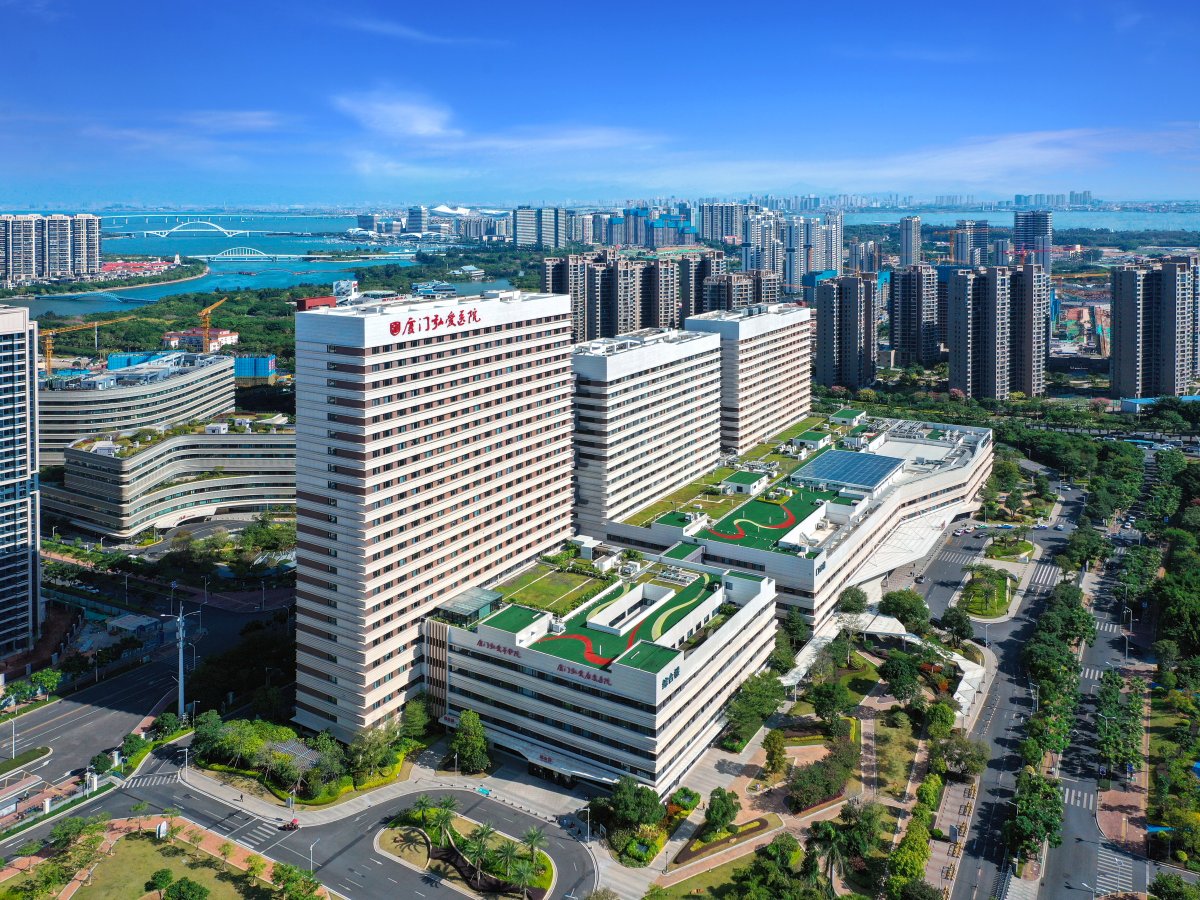
Hospital Xiamen Humanity
China, Xiamen


Revisado médicamente por
Fahad Mawlood
Bookimed no añade cargos extra a los precios de los tratamientos de Neonatología. Las tarifas proceden de las listas de precios oficiales de las clínicas. Pagará directamente en la clínica por su tratamiento a su llegada al país.
Bookimed está comprometido con su seguridad. Solo trabajamos con las clínicas que mantienen altos estándares internacionales en el tratamiento de Neonatología y tienen las licencias necesarias para atender a pacientes internacionales en todo el mundo.
Bookimed ofrece asistencia experta gratuita. Un coordinador médico personal le apoya antes, durante y después del tratamiento, resolviendo cualquier problema. Nunca estará solo en su viaje médico de procedimientos de Neonatología.





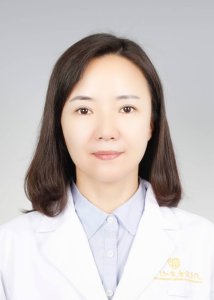
La profesora Liang Xiaoxiao es Directora del Departamento y Jefa de Servicio de Neurorrehabilitación. Cuenta con una maestría en neurología. Es experta en neuromodulación para trastornos de la conciencia, la cognición y el movimiento. Su labor se centra en casos de enfermedad cerebrovascular, enfermedad de Parkinson y afecciones relacionadas. También realiza inyecciones de toxina botulínica guiadas por ecografía para el blefaroespasmo, el espasmo hemifacial, la espasticidad de las extremidade

 Olena Sikoza
En China, la atención neonatal se brinda mediante un sistema estructurado de tres niveles basado en la complejidad clínica. Los estándares nacionales han incrementado las tasas de supervivencia del 97 % al 99,7 % desde 1990. Los centros provinciales de alto nivel ofrecen servicios quirúrgicos avanzados y ventilación mecánica para recién nacidos antes de las 28 semanas de gestación. En todo el país, al menos un profesional de la salud calificado está presente en cada parto.
Opinión de expertos de Bookimed: Un alto volumen de pacientes suele indicar el tratamiento más fiable para afecciones neonatales complejas. Instituciones como el Hospital Humanitario de Xiamen atienden a 1.000.000 de pacientes al año en 47 departamentos. Esta enorme escala permite a los hospitales terciarios mantener un alto nivel de especialización en subespecialidades neonatales poc
Los principales hospitales generales chinos ofrecen cuidados intensivos neonatales de alta calidad mediante ventilación oscilatoria de alta frecuencia y oxigenación por membrana extracorpórea. Estos centros utilizan neuromonitorización en tiempo real y pruebas genéticas de alta precisión. Los departamentos especializados, como los del Hospital Humanitario de Xiamen, atienden anualmente a un millón de pacientes en diversas especialidades.
Opinión de expertos de Bookimed: Los datos clínicos de grandes instituciones médicas demuestran un enfoque en la alta eficiencia y una elevada carga de trabajo. El Hospital Humanitario de Xiamen cuenta con 1000 camas y una plantilla de 460 médicos. Esta envergadura permite a estos centros mantener la acreditación para ensayos clínicos de fase I a IV. Los pacientes se benefician de este entorno de investigació
En China, los padres suelen poder permanecer con sus bebés en unidades de cuidados intensivos neonatales (UCIN) privadas o internacionales. Estos centros emplean un modelo de atención centrado en la familia. En la mayoría de los casos, se permite que uno de los padres permanezca las 24 horas del día en una habitación privada. Centros de alta calidad, como el Hospital Humanitario de Xiamen, ofrecen atención pediátrica integral en 47 departamentos.
Opinión de expertos de Bookimed: Los datos clínicos revelan una brecha significativa entre la atención neonatal pública y privada en China. Si bien el Hospital Humanitario de Xiamen, con 1000 camas, es un gran centro terciario, su acreditación flexible para pruebas de medicamentos y ensayos clínicos demuestra un alto nivel de transparencia técnica. Elegir departamentos priva
En las principales ciudades chinas, es común encontrar médicos que hablan inglés y unidades médicas internacionales (UMI). Los centros de Pekín, Shanghái y Cantón ofrecen unidades neonatales especializadas para familias que no hablan chino. Estas instalaciones se especializan en cuidados intensivos neonatales (UCIN) y cuentan con personal que habla inglés.
Opinión de expertos de Bookimed: Grandes centros como el Hospital Humanitario de Xiamen cuentan con 47 departamentos clínicos y atienden a una enorme cantidad de pacientes internacionales. Esta envergadura suele implicar que disponen de equipos especializados para pacientes internacionales procedentes de Europa y Asia. Para casos neonatales complejos, estas grandes instituciones ofrecen una infraestructura técnica más avanzada que las clínicas especializadas
En China, los hospitales de nivel 3 en Pekín y Shanghái ofrecen atención neonatal de élite para el turismo médico. Estas instalaciones cuentan con unidades de cuidados intensivos neonatales (UCIN) de última generación, que ofrecen servicios especializados como oxigenación por membrana extracorpórea (ECMO) e hipotermia terapéutica. Este nivel cumple con los estándares internacionales para casos complejos.
Opinión experta de Bookimed: Los hospitales de categoría III en grandes centros urbanos como Pekín atienden a un gran volumen de pacientes; algunos llegan a tratar hasta un millón de pacientes al año. Este elevado volumen de pacientes garantiza que los neonatólogos mantengan un alto nivel de especialización en el tratamiento de enfermedades congénitas raras. Los de
El método tradicional de Zuo Yueji transforma la atención posparto en una operación logística de 30 a 40 días para las familias que viven en el extranjero. Requiere coordinar una nutrición especializada para mantener el calor y brindar apoyo las 24 horas al recién nacido. Las familias deben considerar factores ambientales como la temperatura ambiente. También deben gestionar los complejos preparativos de viaje para los familiares mayores y la entrega de comidas especiales.
Opinión de expertos de Bookimed: Los datos clínicos de grandes centros como el Hospital Humanitario de Xiamen muestran un alto flujo de pacientes. Para las familias que viven en el extranjero, esta densidad subraya la necesidad de una planificación anticipada. Los hospitales