Fuda Cancer Hospital
China, Cantón


Revisado médicamente por
Fahad Mawlood
El costo del tratamiento del cáncer de mama en China generalmente incluye diagnósticos esenciales como la TC de tórax, que oscila entre Precio a consultar y Precio a consultar. De $8,000. Los gastos totales dependen de la etapa clínica y del nivel de la clínica, ofreciendo a menudo ahorros del 50-70% en comparación con los EE. UU. Las principales ciudades para el tratamiento incluyen Guangzhou y Xiamen.
Costos típicos del tratamiento del cáncer de mama en China
Perspectiva de expertos de Bookimed: Los pacientes en etapas avanzadas encuentran un gran valor en centros especializados como el Fuda Cancer Hospital. Ofrecen alternativas mínimamente invasivas como NanoKnife y criocirugía para casos complejos. Para aquellos que buscan experiencia en radiación, el profesor Liu Shi Xin en el Xiamen Humanity Hospital ofrece protocolos avanzados de IMRT y VMAT. Los pacientes internacionales se benefician de estándares acreditados por la JCI mientras mantienen importantes ventajas de costos. La detección en etapa temprana sigue siendo el camino más rentable para una recuperación a largo plazo.
| China | España | Turquía | |
|---|---|---|---|
| Tomoterapia | ≈ $7,500 | ≈ $7,500 | de $6,700 |
| Mastectomía | de $8,000 | de $14,500 | de $3,500 |
| Lumpectomía | ≈ $3,500 | de $11,200 | de $4,000 |
| Inmunoterapia con Keytruda (Pembolizumab) | ≈ $4,500 | de $10,300 | de $3,900 |
| Gamma Knife | de $4,000 | de $20,400 | de $5,500 |
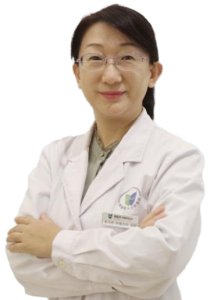
El Dr. Luan Tianyan, MD, es jefe de Oncología. Fue incorporado a la provincia de Hainan como talento de alto nivel. Es investigador visitante en el Dana-Farber Cancer Institute (EE. UU.). También es director de la Oficina de Investigación Clínica del Hospital Internacional Bozheng Hengda. Forma parte de los comités permanentes del Comité de Gestión de Investigación Clínica (Southern Oncology Clinical Research Association), del Comité de Inmunoterapia (Hainan Provincial Anti-Cancer Association
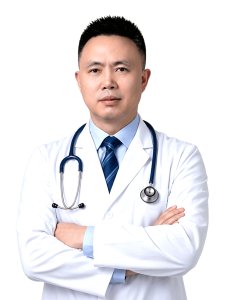
Médico jefe y profesor. Experto de nivel 1 en el Centro Oncológico del West China Hospital, Sichuan University (clasificado n.º 2 en China). Completó un posdoctorado en radiología intervencionista en el Chinese PLA General Hospital. Dirige equipos multidisciplinarios (MDT) para tumores complejos. Experto en oncología intervencionista mínimamente invasiva para cánceres de hígado, pulmón y páncreas.
Acreditaciones: Miembro del consejo, WATA. Miembro de los comités de CACA y CMDA sobre in
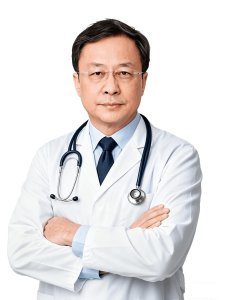
El profesor Luo Xiaoping es un radiólogo intervencionista reconocido a nivel nacional y una autoridad destacada en el oeste de China. Comenzó a realizar intervenciones vasculares pioneras a principios de la década de 1990. Ayudó a fundar el Grupo de Intervencionismo del Segundo Hospital Afiliado de la Universidad Médica de Chongqing.
Ha realizado más de 100 000 procedimientos intervencionistas, incluidos unos 4 000 casos complejos. Sus competencias clave incluyen TACE para el carcinoma
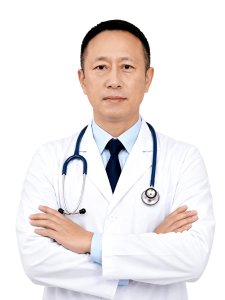
El Dr. He Weibing es pionero de la crioablación con argón‑helio en China, con más de 20 años de práctica en primera línea. Fue miembro fundador del Hospital Oncológico Fuda (Guangzhou). Cofundó su Centro de Tratamiento Tumoral Mínimamente Invasivo y fue subdirector ejecutivo. También ayudó a crear el Grupo de Ablación de la Asociación China contra el Cáncer. Ha sido operador principal en más de 10.000 procedimientos.
Se especializa en crioablación tumoral y domina la braquiterapia con

Escrito por Anna Leonova

Escrito por Halina Shubala

Escrito por Ana Hurevska

Escrito por Veronika Kazina

Escrito por Veronika Kazina
 Olena Sikoza
En China, se ofrece tratamiento de alta calidad para el cáncer de mama en centros urbanos acreditados por la JCI. En las mejores clínicas, las tasas de supervivencia en las etapas iniciales superan el 90 %. Los hospitales especializados de Pekín y Shanghái operan según protocolos internacionales con equipos multidisciplinarios. Tecnologías avanzadas, como el NanoKnife y el CyberKnife M6, ofrecen opciones precisas y mínimamente invasivas para casos complejos.
Opinión de expertos de Bookimed: Si bien muchos optan por la cirugía tradicional, China destaca por combinar la inmunoterapia con métodos de ablación únicos. El Hospital Oncológico Fuda ha tratado a más de 30 000 pacientes de 100 países mediante criocirugía e hipertermia por microondas. Este elevado número
China utiliza tratamientos de vanguardia para el cáncer de mama, incluidos conjugados anticuerpo-fármaco (ADC) de última generación, como trastuzumab deruxtecan y sacituzumab tirumotecan. Los pacientes tienen acceso a terapias dirigidas innovadoras, anticuerpos biespecíficos y radiocirugía especializada. Instituciones como el Hospital Oncológico Fuda emplean técnicas mínimamente invasivas y criocirugía para tratar la enfermedad en etapas avanzadas.
Opinión de expertos de Bookimed: China se ha convertido en un mercado clave para las innovaciones oncológicas globales. Algunos conjugados anticuerpo-fármaco (ADC) reciben la aprobación regulatoria aquí antes que en otras importantes organizaciones internacionales. Por ejemplo, el Hospital Jinshazhou ofrece el tratamiento CyberKnife M6 por a
China ofrece tratamientos de vanguardia mínimamente invasivos para el cáncer de mama, como la nanocirugía, la criocirugía y la terapia vascular intervencionista. Centros especializados en Guangzhou utilizan estas tecnologías para tratar tumores sin los efectos secundarios de la quimioterapia sistémica tradicional. Estos métodos atacan las células cancerosas preservando el tejido mamario sano circundante y las estructuras vitales.
Opinión de expertos de Bookimed: Los datos del Hospital Oncológico Fuda muestran que utiliza más de 10 tipos de tratamientos mínimamente invasivos. Una diferencia clave en China es la gran afluencia de pacientes internacionales. Solo Fuda ha tratado a más de 30 000 pacientes de 100 países. Esto demuestra un alto grado de estandarización en los protocolos de tratamiento para pacientes intern
Los principales hospitales chinos ofrecen atención especializada a pacientes internacionales a través de departamentos médicos internacionales o alas VIP. Estos departamentos cuentan con personal bilingüe, proporcionan documentación médica en inglés y ofrecen servicios optimizados. Los centros médicos en ciudades como Guangzhou y Shanghái suelen estar acreditados por la JCI, lo que garantiza el cumplimiento de los estándares sanitarios internacionales.
Opinión de expertos de Bookimed: Grandes centros como el Hospital Oncológico Fuda demuestran su enfoque internacional, atendiendo a 30 000 pacientes de más de 100 países. Los datos muestran que las instituciones líderes suelen contratar médicos con amplia experiencia internacional. Por ejempl
En China, generalmente se permite que los familiares acompañen a las pacientes con cáncer de mama. La mayoría de los hospitales grandes permiten que un cuidador designado pase la noche en la habitación de la paciente. Normalmente se proporciona una silla plegable o una camilla. El acceso suele requerir una tarjeta especial de cuidador y una identificación válida, como un pasaporte.
Opinión de expertos de Bookimed: Si bien los hospitales públicos ofrecen sillas plegables sencillas para los acompañantes, los centros acreditados por la JCI, como el Hospital Oncológico Fuda en Guangzhou, atienden a un gran volumen de pacientes internacionales en condiciones más confortables. Nuestros datos muestran que estas instalaciones suelen ser más adecuadas para familias, ya que es
Para obtener una visa médica para el tratamiento del cáncer de mama en China, debe obtener una invitación oficial de un hospital de categoría 3A. Generalmente, los solicitantes requieren una visa S2 de corta duración para estancias inferiores a 180 días. Para casos complejos de cáncer que superen los seis meses, se requiere una visa S1, que se convierte en un permiso de residencia médica.
Opinión de expertos de Bookimed: Si bien muchos buscan visas médicas generales, solicitarlas en instituciones acreditadas por la JCI, como el Hospital Oncológico Fuda en Guangzhou, puede agilizar el proceso. Estos centros atienden a un gran número de pacientes internacionales (más de 30 000) y cuentan con protocolos establecidos para la emisión de las invitaciones especiales requeridas por los consulados. Esta experiencia institucional suele reducir las demoras administrativas, que
Entre los hospitales recomendados para el tratamiento del cáncer de mama en China se encuentran el Hospital Universitario de Pekín y el Centro Oncológico de la Universidad de Fudan en Shanghái. Estas instituciones ocupan posiciones destacadas en los rankings nacionales de atención médica multidisciplinaria. Centros especializados, como el Hospital Oncológico Fuda en Guangzhou, acreditado por la JCI, ofrecen tratamientos avanzados, incluyendo criocirugía y terapia dirigida.
Opinión de expertos de Bookimed: Si bien los grandes centros oncológicos públicos, como el Centro Oncológico de la Universidad de Fudan en Shanghái, gozan de gran prestigio, suelen tener listas de espera de dos meses. Los pacientes internacionales encuentran opciones de tratamiento más eficaces en centros privados acreditado