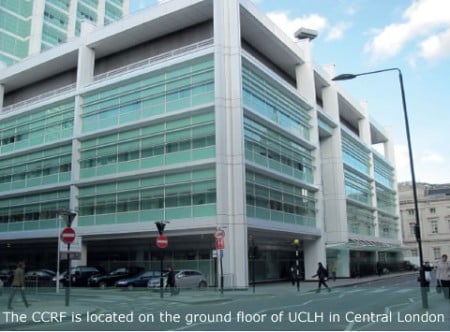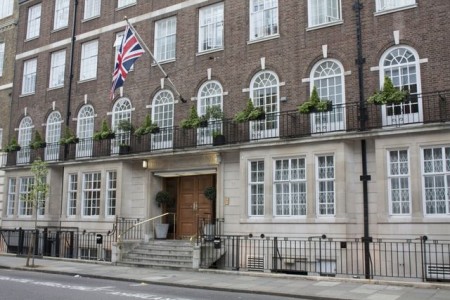
Harley Street Clinic
Reino Unido, Londres


Revisado médicamente por
Fahad Mawlood
De $1,500. Las intervenciones quirúrgicas primarias como la mastectomía oscilan entre $12,000 y $20,000, mientras que la cirugía de cáncer de mama varía de $11,500 a $19,500. Los gastos totales dependen de la etapa del cáncer, el nivel de la clínica elegida y la necesidad de terapias complementarias como quimioterapia o radiación. Las principales ciudades para la atención oncológica privada incluyen Londres.
Costos típicos del tratamiento del cáncer de mama en el Reino Unido
Perspectiva de expertos de Bookimed: Los pacientes que buscan oncología privada de alto nivel a menudo eligen centros con sede en Londres dentro de la red HCA Healthcare UK. Harley Street en el University College Hospital es la mejor opción para casos complejos que requieren acceso de diagnóstico las 24 horas del día, los 7 días de la semana. Esta instalación cuenta con certificaciones ISO y CQC, lo que garantiza estándares de seguridad rigurosos para tratamientos quirúrgicos y sistémicos. Wellington Hospital ofrece el entorno privado más grande del Reino Unido para aquellos que necesitan apoyo multidisciplinario. Estos centros son ideales para pacientes que priorizan el acceso rápido a diagnósticos avanzados y atención quirúrgica integrada sobre los tiempos de espera del NHS.
| Reino Unido | España | Turquía | |
|---|---|---|---|
| Tomoterapia | ≈ $11,500 | ≈ $7,500 | de $6,700 |
| Mastectomía | ≈ $12,000 | de $14,500 | de $3,500 |
| Lumpectomía | ≈ $7,800 | de $13,400 | de $3,600 |
| Inmunoterapia con Keytruda (Pembolizumab) | ≈ $7,000 | de $10,300 | de $3,900 |
| Gamma Knife | ≈ $15,500 | de $24,900 | de $5,500 |
Bookimed no añade cargos extra a los precios de los tratamientos de Cáncer de mama. Las tarifas proceden de las listas de precios oficiales de las clínicas. Pagará directamente en la clínica por su tratamiento a su llegada al país.
Bookimed está comprometido con su seguridad. Solo trabajamos con las clínicas que mantienen altos estándares internacionales en el tratamiento de Cáncer de mama y cuentan con las licencias necesarias para atender a pacientes internacionales en todo el mundo.
Bookimed ofrece asistencia experta gratuita. Un coordinador médico personal le apoya antes, durante y después de su tratamiento, resolviendo cualquier problema. Nunca estará solo en su viaje médico de tratamiento de Cáncer de mama.


Escrito por Anna Leonova

Escrito por Halina Shubala

Escrito por Ana Hurevska

Escrito por Veronika Kazina

Escrito por Veronika Kazina
 Olena Sikoza
El tratamiento del cáncer de mama en el Reino Unido incluye cirugía, radioterapia, quimioterapia y terapias dirigidas. Centros especializados como Harley Street en el University College Hospital utilizan equipos multidisciplinarios para una atención individualizada. Estos protocolos priorizan la cirugía conservadora de mama o la mastectomía seguida de una terapia hormonal a largo plazo para los casos hormonopositivos.
Opinión del experto de Bookimed: Los centros oncológicos privados del Reino Unido priorizan la tecnología de ultraprecisión para reducir los tiempos de recuperación. La clínica Harley Street fue pionera en el Reino Unido en ofrecer CyberKnife, cuyo costo puede oscilar entre 35,000 y 55,000 dólares aproximadamente. Elegir clínicas con acreditaciones de la Care Quality Commission (CQC) y JACIE garantiza los estándares más altos para tr
La cirugía no siempre es el primer paso en el tratamiento del cáncer de mama. Aunque es el estándar para las etapas tempranas, la secuencia depende de la biología del tumor y su estadio. Los médicos a menudo utilizan primero la quimioterapia o la terapia hormonal para reducir tumores grandes o manejar subtipos agresivos como el cáncer HER2 positivo.
Perspectiva del experto de Bookimed: Centros avanzados del Reino Unido, como Harley Street en el University College Hospital, integran ensayos clínicos con la atención estándar. Esto permite que algunos pacientes accedan a terapias emergentes antes de la cirugía. Los pacientes en estas instalaciones se benefician de un enfoque de equipo multidisciplinario. Esto asegura que el orden del tratamiento maximice la posibilidad de lograr una respues
La tumorectomía elimina solo el tumor y un borde delgado de tejido sano para preservar la mama. La mastectomía elimina todo el tejido mamario. Ambos procedimientos ofrecen la misma supervivencia a largo plazo para el cáncer en etapa temprana. La elección depende del tamaño del tumor, la genética y la capacidad del paciente para someterse a radioterapia de seguimiento.
Perspectiva de expertos de Bookimed: Los centros de Londres, como Harley Street en el University College Hospital, integran ensayos clínicos especializados. Esto permite a los pacientes acceder a terapias farmacológicas avanzadas junto con la cirugía. Si bien una mastectomía puede costar entre 12,000 y 20,000 dólares, elegir una clínica con afiliaciones de investigación proporciona más vías de tratamiento si los márgenes no están limpios despué
No necesariamente necesitará quimioterapia o radioterapia para el cáncer de mama. El tratamiento depende del tipo de cáncer, el estadio y los marcadores genéticos. Los casos en etapa temprana pueden requerir solo cirugía o terapia hormonal. Las alternativas modernas como la inmunoterapia y los fármacos dirigidos a menudo reemplazan los métodos tradicionales.
Perspectiva del experto de Bookimed: Los centros de Londres ofrecen alternativas altamente especializadas a la radiación tradicional. La Harley Street Clinic fue la primera en el Reino Unido en implementar la tecnología CyberKnife. Esto permite un tratamiento preciso y no invasivo que puede ser adecuado para pacientes que no pueden someterse a radioterapia o cirugía estándar.
Consenso de los pacientes: Los pacientes señalan que los planes de tratamiento a menudo parece
La terapia hormonal para el cáncer de mama suele durar entre 5 y 10 años. Los beneficios protectores contra la recurrencia persisten hasta 20 años después de finalizar el tratamiento. Los efectos de los medicamentos suelen desaparecer del torrente sanguíneo en cuestión de semanas. Los efectos secundarios, como el dolor articular, pueden persistir durante varios meses.
Perspectiva del experto de Bookimed: Clínicas como Harley Street en el University College Hospital cuentan con acreditaciones ISO y JACIE. Estas credenciales significan un alto estándar para protocolos complejos de sangre y cáncer. Los pacientes deben priorizar las instalaciones con tales certificaciones especializadas al gestionar los efectos secundarios hormonales a largo plazo.
Consenso de los pacientes: Los pacientes a menudo utilizan pruebas especial
La atención de seguimiento del cáncer de mama del NHS utiliza un plan de atención y apoyo personalizado adaptado a las necesidades de recuperación. Los pacientes suelen recibir mamografías anuales para su vigilancia. El sistema utiliza cada vez más un modelo de seguimiento iniciado por el paciente. Esto permite la reserva directa con equipos especializados si aparecen nuevos síntomas entre los controles de rutina.
Perspectiva del experto de Bookimed: Aunque el NHS proporciona una atención integral, los centros líderes de Londres, como Harley Street en el University College Hospital, mantienen una experiencia de gran volumen. Poseen acreditaciones del Comité Conjunto de Acreditación ISCT-Europe & EBMT (JACIE)