El costo total del tratamiento del cáncer de mama en Turquía varía según el plan de tratamiento. Las consultas iniciales con un oncólogo y un cirujano cuestan aproximadamente 150 €, mientras que una tomografía PET-CT cuesta alrededor de 660 €. Las pruebas genéticas, como el análisis BRCA, cuestan unos 570 €, y una resonancia magnética de mama con contraste cuesta aproximadamente 330 €. Las opciones quirúrgicas incluyen mastectomía segmentaria a 7.500 € y mastectomía con reconstrucción a 13.200 €. Las sesiones de quimioterapia varían de 2.350 € a 4.990 € por sesión, y la radioterapia tiene un precio de 6.100 €. Tratamientos adicionales como la inmunoterapia o la terapia dirigida pueden generar costos adicionales dependiendo de las necesidades específicas del paciente.
| España | Turquía | México | |
| Tomoterapia | de $35,000 | de $12,000 | de $25,000 |
| Terapia intravenosa con resveratrol | de $400 | de $200 | de $500 |
| Terapia intravenosa con curcumina | de $450 | de $350 | de $250 |
| Terapia de protones para el cáncer de mama | de $85,000 | de $30,000 | de $50,000 |
| Terapia con Actinio-225 | de $45,000 | de $22,955 | de $25,000 |
Más de 900 intervenciones de cáncer de mama a lo largo de 32 años: el profesor Karagöz se especializa en biología tumoral e inmunoterapia en el Anadolu Medical Center.
El Prof. Dr. Kemal Rasa se especializa en cirugía de cáncer de mama en Anadolu Medical Center, con 28 años de experiencia y más de 900 procedimientos realizados.
Profesora de oncología en el Centro Médico Anadolu. Se desempeñó como investigadora principal en numerosos estudios clínicos internacionales sobre el cáncer de mama.
El profesor asociado Mustafa Solak ha realizado más de 1.100 tratamientos, especializándose en cáncer de mama en el Hospital Hisar Intercontinental.
Escrito por Anna Leonova
Top breast cancer specialists in Turkey include Dr. Bülent Karagöz, Dr. Fatih Aydoğan, and Dr. Serkan Keskin. These experts hold international fellowships and lead oncology departments at JCI-accredited centers in Istanbul. They use multidisciplinary care to improve results for patients with breast tumors.
Bookimed Expert Insight: Patients find better continuity of care at centers like Hisar Hospital Intercontinental. Both surgical and medical oncology leads there trained at MD Anderson Cancer Center. This shared training background helps doctors align their treatment plans more closely.
Patient Consensus: Patients often mention feeling safe because doctors explain each step of the surgery clearly. Many were relieved to find translators who stayed by their side during every consultation.
Qualified breast cancer oncologists in Turkey must hold a subspecialization in medical oncology. This follows six years of medical school and a four-year internal medicine residency. Top specialists often maintain membership in the Turkish Society of Medical Oncology (TSMO) to ensure research-backed care.
Bookimed Expert Insight: Many top-rated Turkish oncologists transition to private centers like Anadolu or Medipol after state service. These doctors often have 20+ years of experience and prioritize international protocols. This ensures patients receive seasoned expertise combined with the latest hospital technology and diagnostic tools.
Patient Consensus: Patients often mention how clearly doctors explain complex hormone therapy or chemotherapy plans. Many noted that having coordinators manage all doctor communication made their treatment journey much smoother.
Turkish breast cancer surgeons use a multidisciplinary approach focused on organ preservation and aesthetic results. They use oncoplastic techniques to remove tumors while maintaining breast shape. Specialists collaborate in boards to choose between breast-conserving surgery or nipple-sparing mastectomy based on your tumor stage.
Bookimed Expert Insight: Turkish specialists emphasize immediate reconstruction during the initial tumor removal surgery. This approach reduces the physical impact and the total number of operations you need. Many surgeons hold European Board of Surgery certifications, which confirms they meet rigid international standards.
Patient Consensus: Patients often mention how clearly the doctors explain the choice between lumpectomy and mastectomy. One patient recalled feeling relieved because their surgeon prioritized both cancer removal and symmetry.
Patients typically secure a breast cancer consultation in Turkey within 1 to 7 days. Private hospitals prioritize fast scheduling to begin treatment 3 to 5 days after evaluation. Specialists like Dr. Metin Cakmakci at Anadolu Medical Center offer rapid access to advanced diagnostics without long waitlists.
Bookimed Expert Insight: Scheduling speed often depends on the hospital's affiliation with international networks. For example, Anadolu Medical Center works with Johns Hopkins Medicine. This ensures they maintain high standards for fast patient intake and immediate coordination of multidisciplinary teams.
Patient Consensus: Many felt relieved when their diagnostic appointments and tests were grouped into just two days. They noticed that coordinators handled all scheduling changes, so they never had to wait between specialist visits.
Turkish hospitals for breast cancer treatment hold international accreditations like JCI and OECI. These certifications prove clinics follow global safety protocols for oncology. Many facilities also partner with leading US institutions. This ensures patients receive care that meets US and European medical standards.
Bookimed Expert Insight: Accreditation in Turkey often goes beyond local rules by including US-based partnerships. For example, Anadolu Medical Center is affiliated with Johns Hopkins Medicine. This connection allows Turkish doctors to use the same treatment protocols used in top American hospitals.
Patient Consensus: Patients often notice how modern and clean the accredited facilities feel. They felt safer knowing their doctors hold international certifications from organizations like ESMO.
Patients typically stay in Turkey for 10 to 14 days for breast cancer surgery. This timeframe allowing for preoperative tests, the procedure, and essential follow-up. More complex cases involving chemotherapy or radiotherapy require stays from several weeks to a few months.
Bookimed Expert Insight: Coordination speed is a major differentiator in Turkey. While public systems may take 6 weeks to start, private hubs like Anadolu Medical Center frequently move from arrival to surgery in just 8 days. For Australians, this efficiency minimises total hotel costs and shortens the time spent away from home.
Patient Consensus: Patients note that Turkey offers specialised medicine where diagnostics like PET-CT and biopsies are completed rapidly within 3 days. They value the coordinated transfers and the ability to combine surgery with immediate reconstruction, often returning home within 2 weeks.
Turkey offers breast cancer treatments including robotic-assisted surgery, precision radiation therapy, and systemic treatments. Clinics use da Vinci systems for mastectomies and CyberKnife or Gamma Knife for targeted radiation. Board-certified specialists treat 500,000+ international patients annually across JCI-accredited facilities in Istanbul.
Bookimed Expert Insight: Turkey serves over 500,000 international patients annually. This high volume builds significant expertise in complex cases. Surgeons like Dr Levhi Akın at Liv Hospital Ulus belong to the European Society of Breast Cancer Specialists. Specialists often have experience with 1,000+ procedures, leading to refined surgical outcomes.
Patient Consensus: Patients note the speed of diagnosis in Istanbul. They often complete PET/CT scans and biopsies within 48 hours. They also appreciate support from interpreters and coordinators who manage logistics during treatment.
International patients receive comprehensive support including personal coordinators, 24/7 interpreter services, and VIP airport-to-clinic transfers. Major JCI-accredited centres like Anadolu Medical Center or Liv Hospital Ulus often bundle these logistics with diagnostics and surgical treatment. These services typically streamline hospital stays and recovery for overseas visitors.
Bookimed Expert Insight: Most think all-inclusive means everything. However, Bookimed data shows a significant gap in accommodation. For instance, Liv Hospital Ulus packages include 6 hotel nights. In contrast, Gayrettepe Florence Nightingale and some CyberKnife offers explicitly exclude hotel stays. Patients should confirm hotel inclusion upfront. A 7-night stay in Istanbul can add A$1,000 to the total cost.
Patient Consensus: Patients in Turkey highlight the relief of having interpreters lead them through every test. They note that coordinating imaging, biopsies, and surgery into just 3 days makes the process feel efficient and well-organised.
Turkish oncology centres use technologies like AI-supported 3 Tesla MRI, digital PET/CT, and robotic systems for breast cancer. Diagnosis follows international protocols within JCI-accredited facilities. Specialists perform robot-assisted surgery and precision radiotherapy, such as CyberKnife, to treat tumours while sparing healthy tissue.
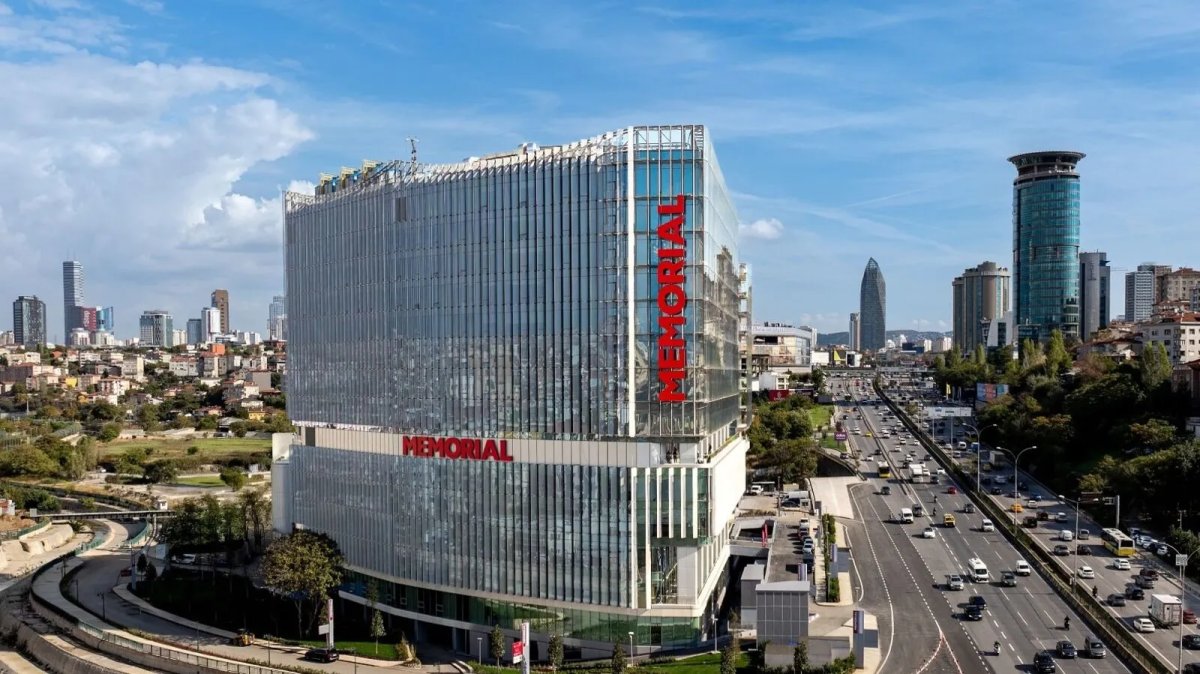
Bookimed Expert Insight: Turkish cancer centres, like Memorial Göztepe, now use MR Linac systems. These systems combine MRI imaging with radiation. This allows doctors to see tumours in real-time during treatment. This high-density technology is rare globally but standard in Istanbul's top oncology departments for minimising side effects.
Patient Consensus: Patients in Turkey highlight the speed of diagnostics. They often complete mammography, ultrasound, and biopsies within two days. Many note that coordination between surgeons and interpreters makes the complex treatment process feel manageable.
Many private Turkish hospitals accept international health insurance for breast cancer care. JCI-accredited facilities like Anadolu Medical Center and Liv Hospital often offer direct billing with global insurers. Patients must confirm coverage and pre-approval with their provider before starting treatment in Istanbul or Antalya.
Bookimed Expert Insight: While direct billing is common for surgeries, chemotherapy and immunotherapy often require upfront payment. Data shows clinics like Memorial Göztepe specialise in complex chemo protocols. Patients should request a quote with ICD codes to help with reimbursement from their insurer.
Patient Consensus: Patients in Turkey report that coordinators and interpreters manage the paperwork easily. This helps the process run smoothly. Many note that the speed of diagnosis and treatment is much faster than at home.
Australian patients often choose Turkey for breast cancer treatment to avoid long public waitlists and high private surgery costs. Leading Turkish centres maintain Joint Commission International (JCI) accreditation. They offer technologies like MR Linac, da Vinci robotic systems, and CyberKnife for precise tumour targeting.
Bookimed Expert Insight: Basic mastectomy packages are affordable. However, Australians seeking reconstruction should look at Memorial Ataşehir Hospital. Their A$9,400 package includes an ASPS-certified surgeon, seven hotel nights, and all transfers. This inclusion model often proves more cost-effective than booking separate stages. It covers the 7-day monitoring period needed for successful implant integration.
Patient Consensus: Patients in Turkey describe receiving VIP treatment where everything runs smoothly. Many note that imaging there often catches tumours missed elsewhere. They recommend being prepared for busy clinics since top specialists attract many international cases.
Patients do not need to stay in Turkey for their entire breast cancer journey. Surgical stays typically last 1 to 2 weeks for recovery. Longer treatments like chemotherapy or radiotherapy require multiple visits. This may also involve an extended stay of several months in JCI-accredited facilities.
Bookimed Expert Insight: Turkish oncology centres like Anadolu Medical Center provide personal coordinators and interpreters. This infrastructure allows patients to bridge care effectively between Turkey and Australia. Many patients have surgery in Istanbul and return home for chemotherapy under local specialist supervision.
Patient Consensus: Patients find the coordination between Turkish specialists and back home vital for long-term recovery. Many note that fast diagnostics allow for surgery within days of arrival in Istanbul.
Specialists at private Turkish hospitals generally speak fluent English. Medical training there often involves English-language instruction. Major centres like Anadolu Medical Center maintain Johns Hopkins affiliations. This helps clinicians communicate effectively with international patients. Dedicated interpreters often assist with nursing care and administrative tasks.
Bookimed Expert Insight: While specialists are often fluent, English levels among ward nurses can vary. Bookimed data shows that packages at top-tier clinics include personal coordinators. Clinics like Liv Hospital Ulus or Anadolu offer this service. These staff members bridge communication gaps during hospital stays. This is vital for post-operative safety.
Patient Consensus: Patients note that doctors communicate clearly in English. However, an interpreter is essential for navigating daily hospital logistics. Patients emphasise that translation support in Istanbul makes the process feel safe and professional.
El cuidado de la salud es un sector de desarrollo clave del gobierno turco. Las autoridades turcas están convencidas de que el cuidado de la salud de los ciudadanos debe ser una prioridad incondicional de la política estatal y gastan anualmente alrededor de 77 mil millones de liras en atención médica.
Como resultado, 28,000 instalaciones médicas brindan excelente atención médica en el país. Alrededor de 50 centros están certificados por JCI (Comisión Internacional Conjunta) , un organismo internacional para mejorar la calidad y seguridad de los servicios médicos en todo el mundo. El índice de certificados recibidos es el más grande. A modo de comparación, hay 20 instituciones acreditadas por la JCI en Israel y solo 10 clínicas de este tipo en Alemania.
| Moneda | lira (el pago de los servicios también es posible en dólares y euros) |
| Mejor época para viajar | mayo-octubre |
| Idioma | Turco (la mayoría del personal médico habla inglés con fluidez) |
| Visa | no se requiere para viajar al menos 30 días por visita |
| Diferencia horaria con Europa | 3 horas |
| Diferencia horaria de Estados Unidos | 8 en punto |
| Capital | Ankara |
| Centro de Turismo Médico | Estanbul |
| Estaciones populares | Alanya, Antalya, Kemer, Marmaris |
En Turquía hay hoteles de diferentes rangos de precios y niveles de servicio. El nivel de los hoteles turcos es comparable al de los hoteles de Túnez, Marruecos o Egipto. La mayoría de los turistas eligen hoteles de 4 y 5 estrellas con comidas todo incluido. Dichos hoteles tienen todo para una estancia confortable: comida variada, amplio territorio bien cuidado, animación para niños y adultos. Algunos hoteles tienen su propio parque acuático, que los huéspedes pueden utilizar de forma gratuita. Los viajeros con poco presupuesto pueden permitirse reservar un hotel económico de 3 estrellas con media pensión o sin comidas.
La principal ventaja de los resorts turcos es una larga temporada de playa. En la costa mediterránea, comienza en abril y dura hasta noviembre. En los centros turísticos del mar Egeo, de mayo a octubre. El momento más cómodo para nadar es desde mediados de junio hasta finales de octubre. Una gran afluencia de turistas ocurre en julio-agosto, cuando la temperatura del aire es de + 38 ° C y el agua se calienta a + 27 ° C.
Para 2020, la República de Turquía tiene acuerdos sin visa con 89 estados. Algunos extranjeros están exentos de obtener una visa de entrada, otros deben obtener una visa electrónica (e-Visa) y otros deben solicitar una visa en las representaciones turcas en el extranjero.
Qué estados necesitan una visa para el tratamiento en Turquía y qué países puede cruzar libremente la frontera fácil y simplemente lea aquí .
Las visas para viajar a Turquía requieren una serie de documentos . La documentación necesaria se puede presentar 90 días antes de la salida prevista. La lista de documentos incluye: