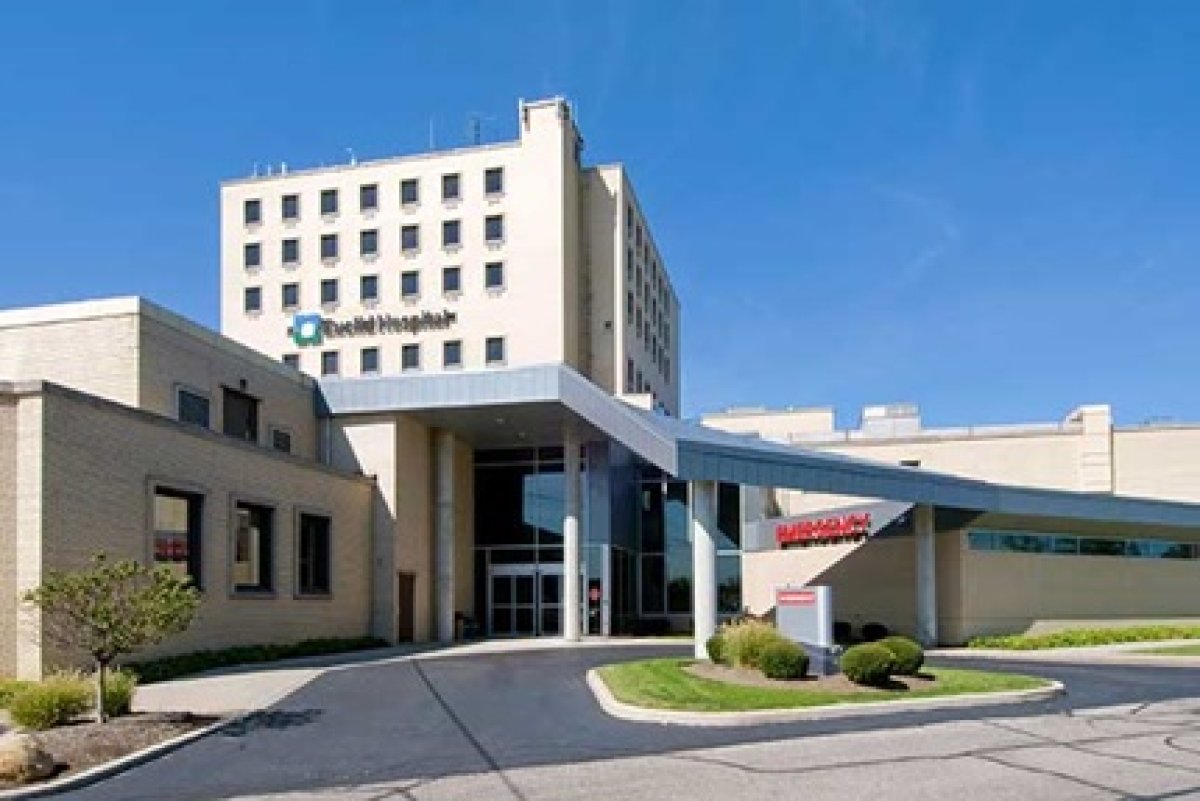
University of Texas MD Anderson Cancer Center
Estados Unidos, Houston


Revisado médicamente por
Fahad Mawlood
De $3,800. Las opciones quirúrgicas son factores primordiales, con una mastectomía que generalmente varía de $24,000 a $40,000 y costos de lumpectomía de $14,000 a $24,000. Los gastos totales dependen de la etapa de la enfermedad, los regímenes farmacológicos específicos y las tarifas hospitalarias. Los principales destinos para la atención incluyen Houston, Maryland y Nueva York.
Costos típicos del tratamiento contra el cáncer de mama en los Estados Unidos de América
Perspectiva de los expertos de Bookimed: Los pacientes que buscan la mayor autoridad clínica deben considerar el University of Texas MD Anderson Cancer Center. Es el hospital oncológico mejor clasificado de EE. UU. y trata a más de 130,000 pacientes al año. Para casos complejos, Memorial Sloan Kettering ofrece experiencia especializada con más de 15,600 especialistas médicos. Las personas que requieren cirugía reconstructiva después de una mastectomía se benefician de especialistas como la Dra. Rachel Dultz. Estos centros ofrecen una atención multidisciplinaria esencial para gestionar eficazmente las etapas avanzadas.
| Estados Unidos | España | Turquía | |
|---|---|---|---|
| Tomoterapia | ≈ $30,000 | ≈ $7,500 | de $6,700 |
| Mastectomía | ≈ $24,000 | de $14,500 | de $3,500 |
| Lumpectomía | ≈ $14,000 | de $13,400 | de $3,600 |
| Inmunoterapia con Keytruda (Pembolizumab) | ≈ $13,500 | de $10,300 | de $3,900 |
| Gamma Knife | ≈ $22,000 | de $24,900 | de $5,500 |
Bookimed no añade cargos extra a los precios de los tratamientos de Cáncer de mama. Las tarifas proceden de las listas de precios oficiales de las clínicas. Pagará directamente en la clínica por su tratamiento a su llegada al país.
Bookimed está comprometido con su seguridad. Solo trabajamos con las clínicas que mantienen altos estándares internacionales en el tratamiento de Cáncer de mama y cuentan con las licencias necesarias para atender a pacientes internacionales en todo el mundo.
Bookimed ofrece asistencia experta gratuita. Un coordinador médico personal le apoya antes, durante y después de su tratamiento, resolviendo cualquier problema. Nunca estará solo en su viaje médico de tratamiento de Cáncer de mama.


La Dra. Rachel Dultz es una dedicada mastóloga especializada en cirugías de mama en el Hospital Princeton de Plainsboro.

Jefe del Centro de Mama en el MD Anderson Cancer Center de la Universidad de Texas, uno de los hospitales oncológicos líderes en el mundo.

Escrito por Anna Leonova

Escrito por Halina Shubala

Escrito por Ana Hurevska

Escrito por Veronika Kazina

Escrito por Veronika Kazina
 Olena Sikoza
El tipo y el estadio del cáncer de mama definen su hoja de ruta de tratamiento en los Estados Unidos. El tipo identifica los impulsores biológicos del cáncer, como el estado HER2. El estadio describe el tamaño del tumor y su propagación física. Estos factores determinan si necesita cirugía, quimioterapia o terapias moleculares dirigidas.
Perspectiva de expertos de Bookimed: Los centros de oncología de EE. UU. como MD Anderson o Memorial Sloan Kettering utilizan pruebas especializadas como Oncotype DX o Ki-67. Estas puntuaciones moleculares a menudo prevalecen sobre la estadificación tradicional. Un paciente en estadio II con una puntuación genómica baja podría evitar la quimioterapia de forma segura. Solicite siempre estos marcadores específicos antes de finalizar un plan quirúrgico.
Consenso de los pacientes:
La tumorectomía es una opción para el cáncer de mama en etapa temprana cuando el tumor es pequeño y localizado. Ambas cirugías ofrecen las mismas tasas de supervivencia a largo plazo para las etapas 1 y 2. La elección depende del tamaño del tumor, la ubicación y su capacidad para someterse a la radioterapia de seguimiento necesaria.
Perspectiva de expertos de Bookimed: Los datos de centros líderes en EE. UU. como MD Anderson muestran que la quimioterapia neoadyuvante a veces puede reducir tumores más grandes. Este enfoque puede convertir a una paciente que inicialmente necesitaba una mastectomía en candidata a una tumorectomía. Oncólogos especializados como el Dr. Debasish Tripathy se centran en estas estrategias de coordinación avanzadas para una preservación óptima de la mama.
Consenso de los pacientes: Los pacientes enfatizan el valor de una segunda opinión, y
Una segunda opinión para el cáncer de mama en los EE. UU. es una práctica estándar y ampliamente alentada por los oncólogos. Garantiza la precisión diagnóstica y explora alternativas avanzadas como la inmunoterapia o los ensayos clínicos. Puede organizarlo a través de redes aprobadas por seguros o centros oncológicos especializados designados por el NCI utilizando portales en línea.
Perspectiva de expertos de Bookimed: Los datos muestran que 130,000 pacientes visitan MD Anderson anualmente, lo que ilustra la alta demanda de segundas opiniones especializadas. Para el cáncer de mama, estas revisiones a menudo resultan en un cambio de la mastectomía total a la lumpectomía conservadora de mama. Buscar una segunda opinión en grandes centros académicos como Johns Hopkins o Memorial Sloan Kettering a menudo proporciona acceso a pruebas genéticas específicas pa
Los ensayos clínicos son adecuados para pacientes que cumplen con criterios específicos del estudio y buscan terapias innovadoras. Estos estudios de investigación prueban nuevos medicamentos o protocolos para determinar su seguridad y eficacia. Las opciones van desde tratamientos de primera línea para nuevos diagnósticos hasta atención avanzada para subtipos de cáncer de mama recidivantes o agresivos.
Perspectiva de expertos de Bookimed: Centros de investigación como el MD Anderson Cancer Center tratan a más de 130,000 pacientes al año. Este volumen masivo a menudo se traduce en una mayor disponibilidad de ensayos para subtipos raros. Los pacientes deben priorizar las instalaciones con el estatus de centro integral del National Cancer Institute (NCI). Estas instituciones a menudo albergan
La quimioterapia para el cáncer de mama a menudo causa pérdida temporal del cabello y cambios reproductivos. El cabello generalmente comienza a caerse de 2 a 4 semanas después de comenzar el tratamiento. Los efectos reproductivos significativos, como la menopausia precoz o la infertilidad, son comunes. La mayor parte del cabello vuelve a crecer de 3 a 6 meses después de que termina la quimioterapia.
Perspectiva del experto de Bookimed: Líderes clínicos como el MD Anderson Cancer Center de la Universidad de Texas y el Memorial Sloan Kettering Cancer Center utilizan equipos especializados para estos efectos secundarios. Mientras que MD Anderson trata a más de 130,000 pacientes al año, los principales centros de EE. UU. priorizan la atención multidisciplinaria. A menudo integran a especialistas en fertilidad directamente en el plan de tratamiento inicial del cáncer de mama.
La mayoría de los pacientes en los Estados Unidos continúan trabajando y haciendo ejercicio de manera segura durante el tratamiento del cáncer de mama. Mantener una rutina ayuda a la salud mental y reduce la fatiga. Debe ajustar la intensidad según sus niveles de energía y su terapia específica. Consulte siempre a su oncólogo antes de comenzar nuevas actividades físicas.
Perspectiva de expertos de Bookimed: Los pacientes en centros de alto volumen como MD Anderson a menudo se benefician de la fisioterapia integrada. Si bien las pautas generales sugieren 150 minutos de actividad, los datos muestran que incluso las caminatas de 10 minutos durante los ciclos de quimioterapia AC-T preservan significativamente la masa muscular. Concéntrese en el movimiento durante sus días de mayor energía para contrarrestar la fatiga acumulativa típica de más de 25 centros de oncología especializados.
Consenso de
La ley federal de EE. UU. garantiza la cirugía reconstructiva y las pruebas de detección preventiva a través de la Ley de Derechos de la Mujer y el Cáncer (Women’s Health and Cancer Rights Act) y la Ley de Cuidado de Salud Asequible (Affordable Care Act). La mayoría de los planes deben cubrir todas las etapas de reconstrucción, procedimientos de simetría y prótesis después de una mastectomía. Las mamografías anuales para mujeres de 40 a 74 años siguen siendo un beneficio estándar sin costo.
Perspectiva de expertos de Bookimed: Los principales centros de oncología como el University of Texas MD Anderson Cancer Center y el Memorial Sloan Kettering Cancer Center gestionan más de 100,000 pacientes. Estas instituciones de alto volumen a menudo emplean coordinadores