Ir a inicio

Cómo funciona

Hemos transformado el proceso de búsqueda de clínicas, haciéndolo simple, rápido y personalizado.
Responda algunas preguntasComplete un breve formulario para contarnos sobre su estado de salud y necesidades médicas.
Obtenga ofertas personalizadas3 clínicas seleccionadas especialmente según sus respuestas le proporcionan planes de tratamiento personalizados y presupuestos.
Elija la mejor opciónCompare ofertas y elija la clínica que más le convenga.
También puede consultar las 2 clínicas a continuación.
820К+ pacientes han recibido asistencia desde 2014
50 países
1,500 clínicas
6K+ reseñas
3K+ médicos calificados

¿Cuál es el precio del diagnóstico y los tratamientos de Polineuropatía en China? Descubra ahora

El precio se proporciona bajo petición
ChinaEspañaTurquía
Plasmaféresisde $2,200de $1,800de $1,200
Plasmaféresis DFPPde $2,800-de $1,850
Intercambio de plasmade $2,400-de $3,900
Datos verificados por Bookimed a partir de June 2026, basados en solicitudes de pacientes y cotizaciones oficiales de 19 clínicas en todo el mundo. Los costos medianos se basan en facturas reales (2025–2026) y se actualizan mensualmente. Los precios reales pueden variar.

Descubra las mejores clínicas de tratamiento de Polineuropatía en China: 2 opciones verificadas y Precios

El ranking de clínicas de Bookimed se basa en algoritmos de data science, ofreciendo una comparación confiable, transparente y objetiva. Tiene en cuenta la demanda de pacientes, las puntuaciones de reseñas (positivas y negativas), la frecuencia de actualización de opciones de tratamiento y precios, la rapidez de respuesta y las certificaciones de las clínicas.

Obtenga una evaluación médica para Polineuropatía en China: consulte con doctores experimentados ahora

Ver todos los médicos
verificado

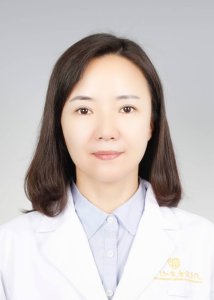
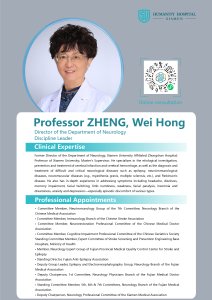
Zheng Wei Hong

45 años de experiencia

El profesor ZHENG Wei Hong es director del Departamento de Neurología y líder de la especialidad. Anteriormente fue director de Neurología del Hospital Zhongshan afiliado a la Universidad de Xiamen. Es profesor en la Universidad de Xiamen y tutor de maestría.

Su enfoque clínico incluye la investigación etiológica, la prevención y el tratamiento del infarto cerebral y la hemorragia cerebral. Asimismo, diagnostica y trata enfermedades neurológicas complejas, como la epilepsia, los trastornos neuroinmunológicos y neuromusculares (miastenia gravis, esclerosis múltiple) y la enfermedad de Parkinson.

Cargos: Miembro de los comités de Neuroinmunología (Rama de Neurología de la Asociación Médica China), Inmunología (Asociación China de Ictus), Neurorestauración (Asociación China de Médicos) y Deterioro Cognitivo (Sociedad China de Geriatría). Miembro del Comité Permanente del Comité de Expertos de los hospitales base del proyecto de cribado y prevención del ictus (Ministerio de Salud). Miembro del Grupo de Expertos en Neurología del Centro Provincial de Control de Calidad Médica de Fujian para ictus y epilepsia. Director permanente de la Asociación contra la Epilepsia de Fujian. Subjefe del Grupo de Epilepsia y Electroencefalografía (Rama de Neurología de la Asociación Médica de Fujian). Vicepresidente del Primer Comité de la Rama de Médicos Neurólogos (Asociación de Médicos de Fujian). Miembro del Comité Permanente (5.º–7.º mandatos) de la Rama de Neurología (Asociación Médica de Fujian). Vicepresidente del Comité Profesional de Neurología (Asociación Médica de Xiamen).

verificado

Shao Ming

32 años de experiencia

El Dr. Shao Ming es un neurólogo líder con 31 años de experiencia, especializado en epilepsia y monitorización neurofisiológica.
  • Becario postdoctoral en la Universidad de Harvard y la Universidad de Texas
  • Introducción del propofol para el test de Wada en China, mejorando la seguridad quirúrgica
  • Autor de más de 50 artículos científicos, destacados en The Journal of Neuroscience
  • Presidente del Grupo de Monitorización Neurofisiológica de la Sociedad China de Neurocirugía
  • Realización de más de 900 tratamientos para afecciones neurológicas

Compartir contenido

Historias en video de pacientes de Bookimed

Dayana
Combiné mis vacaciones en Antalya con un chequeo médico.
Procedimiento: Chequeo femenino
Igor
¡Fue genial! Traslados, alojamiento, tratamiento, todo incluido.
Procedimiento: Implante dental
Clínica: WestDent Clinic
Marina
Bookimed se encargó de todo. No tuve que preocuparme por nada.
Procedimiento: Chequeo femenino
Actualizado: 10/23/2024
Escrito por
Olena Sikoza
Olena Sikoza
Сopywriter en español
Copywriter médica certificada responsable del contenido en español de Bookimed. Más de 7 años de experiencia en redacción sobre salud y turismo médico, con formación académica en edición científica y desarrollo de contenidos.
Fahad Mawlood
Editor médico y Científico de datos
Médico general. Ganador de 4 premios científicos. Sirvió en Asia Occidental. Es el ex jefe del equipo médico que soporta a pacientes de habla árabe. Ahora es responsable del procesamiento de datos y la precisión del contenido médico.
Fahad Mawlood Linkedin
Esta página puede incluir información relacionada con diversas afecciones médicas, tratamientos y servicios de salud disponibles en diferentes países. Tenga en cuenta que el contenido se proporciona sólo con fines informativos y no debe interpretarse como asesoramiento médico o orientación. Por favor consulte con su médico o con un profesional médico calificado antes de comenzar o cambiar el tratamiento médico.

Preguntas frecuentes sobre el tratamiento de Polineuropatía en China

Estas preguntas frecuentes provienen de pacientes reales que buscan atención médica a través de Bookimed. Las respuestas son proporcionadas por coordinadores médicos experimentados y representantes autorizados de las clínicas.

How is polyneuropathy typically treated in China?

China treats polyneuropathy using an integrated model combining Western neurology with Traditional Chinese Medicine. This approach utilizes nerve-nourishing medications, advanced diagnostics, and herbal therapies. High-level facilities like Yanda International Hospital follow JCI-accredited protocols to manage underlying causes like diabetes while stimulating nerve repair.

  • Therapeutic integration: Clinics combine standard neurological evaluations with acupuncture and herbal medicine.
  • Expert oversight: Specialists like Dr. Shao Ming bring Harvard-trained expertise to neurophysiological monitoring.
  • Advanced diagnostics: Class A hospitals perform extensive electromyography and nerve conduction studies.
  • External therapies: TCM methods like fumigation and footbaths stimulate local circulation and function.

Bookimed Expert Insight: The most effective path involves choosing a Class A Level III facility like Yanda International Hospital. These centers maintain the highest Chinese ranking and serve over 2,500,000 patients annually. While smaller clinics focus on quick symptom relief, these major hospitals provide the multidisciplinary depth required for complex nerve regeneration. This volume ensures surgeons and neurologists have seen thousands of similar cases.

Patient Consensus: Patients note it is important to treat Traditional Chinese Medicine as a supportive add-on rather than a sole cure. Most emphasize starting with a full hospital workup at a large tertiary center to identify the root cause before starting specialized therapies.

What specific Traditional Chinese Medicine (TCM) therapies are used for nerve pain?

Traditional Chinese Medicine (TCM) treats nerve pain through acupuncture, electroacupuncture, and specialized herbal decoctions like Buyang Huanwu. These therapies aim to improve blood circulation and stimulate neural pathways. Leading Chinese hospitals often integrate these traditional methods with modern neurology protocols to manage polyneuropathy symptoms effectively.

  • Needle therapies: Electroacupuncture downregulates spinal pain receptors to provide continuous relief.
  • Herbal formulas: Buyang Huanwu decoction protects against nerve degradation and promotes neurogenesis.
  • Manual manipulation: Tuina massage kneads muscle lines to release compressed peripheral nerves.
  • Thermal therapy: Moxibustion uses deep heat to activate healing in numb or cold limbs.

Bookimed Expert Insight: Data from premier Chinese facilities like Yanda International Hospital shows that treatment success relies on a Class A Level III integration strategy. This approach combines JCI-accredited neurology diagnostics with traditional therapies. For example, Dr. Shao Ming at Dr. Eber Brain Hospital utilizes advanced neurophysiological monitoring to precisely localize nerve issues before applying TCM interventions, ensuring higher clinical accuracy than traditional-only practitioners.

Patient Consensus: Patients note that electroacupuncture often feels more effective for muscle weakness than standard needles. Many emphasize that herbal formulas are frequently adjusted based on their daily symptoms rather than staying on one fixed prescription.

Is Chinese Herbal Medicine effective for chemotherapy-induced peripheral neuropathy (CIPN)?

Chinese Herbal Medicine (CHM) effectively reduces chemotherapy-induced peripheral neuropathy symptoms like pain and numbness. High-quality clinics in China integrate these traditional approaches with international protocols. Studies show herbal pairings like Astragali Radix and Cinnamomi Ramulus improve nerve conduction and physical function during oncology treatments.

  • Symptom management: Patients report significant relief from tingling and neuropathic pain intensities.
  • Objective improvement: Meta-analyses indicate enhanced sensory nerve conduction velocity after herbal therapy.
  • Functional preservation: Formulas help maintain physical capacity and better Karnofsky Performance Status scores.
  • Delivery methods: Herbal hand and foot baths reduce symptom severity with minimal systemic risks.

Bookimed Expert Insight: While many choose herbal medicine for chronic pain, top-tier Chinese facilities like Yanda International Hospital prioritize safety through JCI-accredited standards. This hospital serves 2,500,000 patients annually and combines traditional methods with modern neurology. Choosing a Class A level III clinic ensures herbal protocols are monitored alongside chemotherapy to prevent drug interactions.

Patient Consensus: Many patients find herbal medicine most useful for preserving the ability to walk and balance. They emphasize that while herbs provide relief, success often means managing symptoms rather than achieving a full cure.

Are there any safety or side effect concerns with using TCM for polyneuropathy?

Traditional Chinese Medicine (TCM) for polyneuropathy is safe when conducted at JCI-accredited facilities using sterile protocols. Risks include minor bruising from acupuncture and potential herb-drug interactions. Patients with reduced sensation must use skilled practitioners to avoid unintended needle injuries or skin damage.

  • Infection control: JCI-accredited hospitals like Yanda International prioritize sterile, single-use disposable needles.
  • Expert oversight: Leading neurologists like Dr. Zheng Wei Hong monitor for neuromuscular contraindications.
  • Organ safety: Long-term herbal use requires regular liver and kidney function laboratory monitoring.
  • Drug interaction: Herbal compounds may alter the efficacy of blood thinners or diabetes medications.

Bookimed Expert Insight: China's Class A Level III hospitals, such as Yanda International, offer a safer environment than small clinics. These top-tier facilities integrate traditional methods with modern diagnostics. This combination ensures that underlying causes like B12 deficiency are not masked by symptomatic TCM relief. This model also allows for immediate emergency support if rare allergic reactions to herbal therapy occur.

Patient Consensus: Many patients note that while acupuncture helps manage pain, it is vital to keep a regular neurologist to track nerve damage. They often warn that herbal quality varies, so verifying a clinic's sourcing is essential for safety.

Which medical departments should a patient visit inside Chinese hospitals for polyneuropathy?

Patients should primarily visit the Department of Neurology inside Chinese hospitals for polyneuropathy. This department manages initial diagnostic tests like electromyography and nerve conduction studies. Tertiary Class A centers often have neuromuscular subspecialty clinics for complex cases like Guillain-Barré syndrome.

  • Neurology department: Primary hub for diagnosing tingling, numbness, and motor weakness.
  • Endocrinology department: Essential stop if diabetes is the suspected cause of nerve damage.
  • Rheumatology department: Required for polyneuropathy linked to autoimmune diseases like Sjögren’s syndrome.
  • Rehabilitation department: Provides necessary physiotherapy for muscle weakness or balance issues.

Bookimed Expert Insight: Data shows that Class A Level III multidisciplinary hospitals like Yanda International Hospital are best for undiagnosed cases. These facilities serve 2,500,000 people annually and maintain JCI accreditation. Choosing such a high-volume center ensures all 63 departments can collaborate if the cause shifts from neurological to autoimmune or metabolic.

Patient Consensus: Patients note it's important to confirm the hospital can perform electromyography and comprehensive nerve labs before visiting. They suggest avoiding orthopedics for systemic numbness and instead seeking urgent neurology evaluations for progressive weakness.

Can lifestyle practices common in China assist with polyneuropathy recovery?

Lifestyle practices common in China significantly assist polyneuropathy recovery by improving nerve conduction and circulation. Integrating Tai Chi, acupuncture, and targeted dietary habits helps manage neuropathic pain. These routines effectively enhance balance, reduce fall risks, and support the repair of the protective myelin sheath.

  • Balance training: Tai Chi strengthens muscles and speeds up nerve signals to the brain.
  • Microcirculation: Acupuncture stimulates the central nervous system to improve local blood flow.
  • Thermal therapy: Medicated footbaths induce vasodilation to target numbness and chronic limb pain.
  • Dietary therapy: Antioxidant-rich whole foods and herbal decoctions protect peripheral nerve endings.

Bookimed Expert Insight: Yanda International Hospital demonstrates how combining international protocols with traditional Chinese medicine serves a massive volume of 2,500,000 patients annually. This multidisciplinary approach is essential because leading neurologists like Dr. Shao Ming emphasize that complex cases require both advanced diagnostics and specialized rehabilitation. This integrated model ensures structural nerve damage and functional movement are addressed simultaneously.

Patient Consensus: Patients note that gentle, daily movement like Tai Chi is more effective than rest for managing stiffness and stability. They highlight that while these practices significantly reduce pain and fall frequency, improvement is a gradual process occurring over several months.

Pedir una consulta gratis

Seleccione la mejor manera de contactarle