Polineuropatía en Tailandia: clínica verificada para su tratamiento


Revisado médicamente por
Fahad Mawlood
¿Cuál es el precio del diagnóstico y los tratamientos de Polineuropatía en Tailandia? Descubra ahora
| Tailandia | España | Turquía | |
|---|---|---|---|
| Plasmaféresis DFPP | de $4,000 / 148,000฿ | ≈ $1,100 / 40,700฿ | ≈ $1,900 / 70,300฿ |
| Plasmaféresis | ≈ $1,200 / 44,400฿ | de $12,300 / 455,100฿ | de $3,200 / 118,400฿ |
| Intercambio de plasma | ≈ $2,800 / 103,600฿ | ≈ $2,400 / 88,800฿ | ≈ $3,900 / 144,300฿ |
Sus beneficios y garantías con Bookimed
Precios directos
Bookimed no añade cargos extra a los precios de los tratamientos de Polineuropatía. Las tarifas proceden de las listas de precios oficiales de las clínicas. Pagará directamente en la clínica por su tratamiento a su llegada al país.
Sólo clínicas y médicos verificados
Bookimed está comprometido con su seguridad. Solo trabajamos con las clínicas que mantienen altos estándares internacionales en el tratamiento de Polineuropatía y cuentan con las licencias necesarias para atender a pacientes internacionales en todo el mundo.
Asistencia 24/7 gratuita
Bookimed ofrece asistencia experta gratuita. Un coordinador médico personal le apoya antes, durante y después de su tratamiento, resolviendo cualquier problema. Nunca estará solo en su viaje médico de tratamiento de Polineuropatía.

Su coordinador médico personal de Bookimed
- Le apoya en cada etapa
- Ayuda a elegir la clínica y el médico adecuados
- Asegura un acceso rápido y conveniente a la información
Descubra las mejores clínicas de tratamiento de Polineuropatía en Tailandia: 1 opciones verificadas y Precios
Obtenga una evaluación médica de tratamiento de Polineuropatía en Tailandia: haga una consulta con 6 médicos experimentados ahora
Ver todos los médicos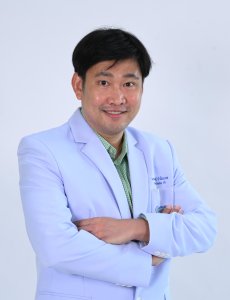
chutichate Pawaropart
El Dr. Chutichate Pawaropart es oftalmólogo con 22 años de experiencia. Tiene una subespecialidad en neuro-oftalmología. Ejerce en el Hospital Navamin9 en Bangkok. Habla inglés, tailandés y francés.
Acreditaciones y formación: MD por la Facultad de Medicina de la Universidad de Chulalongkorn. Certificado en Oftalmología, Facultad de Medicina, Universidad de Chulalongkorn. Formación de subespecialidad en Neuro-oftalmología, Universidad de la Sorbona, París, Francia.
Enfoque clíni
Compartir contenido
Historias en video de pacientes de Bookimed
 Olena Sikoza
Preguntas frecuentes sobre el tratamiento de Polineuropatía en Tailandia
¿Cuáles son los mejores hospitales para la polineuropatía en Tailandia?
Tailandia sirve como un centro principal para el tratamiento de la polineuropatía. Las instalaciones líderes en Bangkok ofrecen centros de neurología especializados y capacidades de diagnóstico avanzadas. Estos hospitales cuentan con infraestructura acreditada por la JCI y equipos multidisciplinarios. Los neurólogos expertos utilizan la electromiografía y los estudios de conducción nerviosa para identificar las causas subyacentes de manera eficiente.
- Bumrungrad International: Cuenta con un Centro de Neurociencias dedicado con más de 30 especialistas neurológicos.
- Bangkok International Hospital: Reconocido por su experiencia en el Centro de Cerebro y Huesos en Asia-Pacífico.
- Navamin 9 Hospital: Ofrece experiencia en neurooftalmología con especialistas formados en la Universidad de la Sorbona.
- PYONG Rehabilitation Group: Se especializa en neurorrehabilitación robótica y estrategias de manejo del dolor crónico.
Perspectiva del experto de Bookimed: Los centros de neurología tailandeses están cambiando hacia subdisciplinas especializadas en lugar de la práctica general. Por ejemplo, el Dr. Chutichate Pawaropart en el Hospital Navamin 9 aporta más de 20 años de experiencia específicamente en neurooftalmología. Los pacientes con problemas de visión relacionados con los nervios deben dirigirse a estos expertos subespecializados para obtener res
¿Es Tailandia segura y confiable para el cuidado de la neuropatía?
Tailandia es un destino confiable para el tratamiento de la polineuropatía. Ofrece medicina regenerativa avanzada y neurorrehabilitación especializada. Las instalaciones líderes mantienen la acreditación JCI y siguen los estándares JCI. Los centros médicos en Bangkok utilizan entrenamiento robótico de la marcha e intervenciones guiadas por ultrasonido. Los neurólogos expertos a menudo poseen certificaciones de juntas estadounidenses o europeas.
- Técnicas especializadas: Las clínicas ofrecen neurorrehabilitación robótica y entrenamiento de la marcha con exoesqueleto portátil para la movilidad.
- Medicina regenerativa: Los médicos brindan terapias con células madre para respaldar la salud nerviosa y reducir el dolor.
- Credenciales de expertos: Muchos neurólogos poseen becas de instituciones como la Universidad de la Sorbona o la Universidad de Chulalongkorn.
- Precisión diagnóstica: Los centros utilizan exámenes neurooftalmológicos y resonancia magnética de alta resolución para una estadificación precisa de la neuropatía.
Opinión experta de Bookimed: El cuidado de la neuropatía en Tailandia es muy específico de cada clínica y no uniforme en todo el país. Los centros de alto volumen, como el Hospital Navamin 9, emplean especialistas con más de 20 años de experiencia. Algunos proveedores, como el Grupo de Rehabilitación PYONG, se centran en la re
¿Qué tratamientos están disponibles para la polineuropatía en Tailandia?
Los tratamientos disponibles para la polineuropatía en Tailandia incluyen inmunoglobulina intravenosa, intercambio de plasma y medicina regenerativa especializada. Los hospitales tailandeses tratan el dolor neuropático con gabapentina, carbamazepina y antidepresivos. Los centros especializados ofrecen entrenamiento robótico de la marcha y neurorrehabilitación para pacientes con debilidad muscular. Los médicos líderes ofrecen terapias celulares avanzadas y manejo metabólico.
- Medicina regenerativa: Médicos especializados proporcionan terapias celulares para apoyar la regeneración nerviosa.
- Neurorrehabilitación: Clínicas como el grupo de rehabilitación PYONG ofrecen entrenamiento robótico de la marcha.
- Manejo metabólico: Los hospitales abordan causas subyacentes como la diabetes o las deficiencias vitamínicas.
- Manejo del dolor: Los médicos utilizan cremas tópicas personalizadas y bloqueos nerviosos para el alivio.
Opinión de experto de Bookimed: Tailandia mantiene una ventaja clínica única gracias a la accesibilidad del cannabis de grado médico para el dolor nervioso severo. Médicos como el Dr. Somjet Tosamran y el Dr. Tara Rak-areekul del grupo de rehabilitación PYONG están especializados en recuperación neurológica. Esta combinación de neurorrehabilitación avanzada y terapia cannabinoide legal ofrece opciones para el dolor refractario qu
¿Se puede revertir la polineuropatía?
La polineuropatía puede revertirse si la causa subyacente se identifica y trata a tiempo. La regeneración nerviosa es posible al corregir deficiencias vitamínicas o detener la exposición a toxinas. Si bien los daños crónicos graves suelen ser permanentes, las terapias avanzadas en Tailandia se centran en detener la progresión y restaurar la función.
- Intervención temprana: El tratamiento inmediato de los desencadenantes, como la deficiencia de B12, mejora significativamente las posibilidades de reversión.
- Medicina regenerativa: Clínicas como Vega Clinic utilizan tratamientos con células madre para la reparación nerviosa.
- Pruebas diagnósticas: El cribado integral de enfermedades autoinmunes o problemas metabólicos evita daños permanentes.
- Rehabilitación avanzada: El entrenamiento robótico de la marcha y los exoesqueletos portátiles ayudan a recuperar la movilidad perdida.
Opinión de experto de Bookimed: Tailandia se ha convertido en un destino principal para la polineuropatía porque combina la neurología tradicional con la medicina regenerativa. Tenga en cuenta que especialistas como el Dr. Kantaphong Thongrong, del grupo de rehabilitación PYONG, integran herramientas únicas como la hidrodisección guiada por ultrasonido y la terapia láser. Este enfoque multimodal a menudo logra una mejor recuperación funcional que la medicación estándar p
¿Existen tratamientos alternativos, regenerativos u holísticos disponibles?
Tailandia ofrece diversos tratamientos alternativos y regenerativos para la polineuropatía. Los pacientes acceden a terapia con células madre, neurorrehabilitación robótica y medicina tradicional china. Centros especializados en Bangkok integran células madre mesenquimales con fisioterapia avanzada. Estos programas se centran en la reparación nerviosa y el alivio de los síntomas mediante protocolos individualizados.
- Medicina regenerativa: Terapia con células madre disponible en centros como Vega Clinic e ID Clinic.
- Terapias manuales: Manipulación osteopática y técnicas de quiropráctica Gonstead utilizadas para la descompresión nerviosa estructural.
- Técnicas integrativas: Medicina tradicional china y acupuntura combinadas con farmacología neurológica moderna.
- Rehabilitación avanzada: Neurorrehabilitación robótica y entrenamiento de marcha con exoesqueleto portátil para la recuperación funcional.
Opinión de experto de Bookimed: Las clínicas tailandesas ofrecen una fusión única de robótica de alta tecnología y medicina regenerativa. El Dr. Kantaphong Thongrong, del PYONG Rehabilitation Group, combina la neurorrehabilitación robótica con la hidrodisección guiada por ultrasonido. Este enfoque doble aborda el atrapamiento nervioso físico mientras utiliza tecnología para reentrenar el sistema nervioso. Esta combinación rara vez se encuentra en
¿Cómo puedo encontrar un especialista para tratar mis síntomas de neuropatía?
Para encontrar un especialista en neuropatía, comience con un neurólogo certificado o un fisiatra especializado en rehabilitación neuromuscular. La atención experta implica pruebas de diagnóstico avanzadas y un manejo personalizado del dolor. Centros de gran volumen como los de Tailandia ofrecen clínicas especializadas enfocadas en medicina regenerativa y neurorrehabilitación robótica para casos crónicos.
- Evaluación neurológica: Los neurólogos certificados utilizan pruebas especializadas para confirmar patrones específicos de neuropatía periférica.
- Manejo del dolor: Los especialistas proporcionan bloqueos nerviosos dirigidos, compuestos tópicos y ajustes avanzados de medicación.
- Enfoque en rehabilitación: Los fisiatras utilizan entrenamiento robótico de la marcha y terapia láser para mejorar la función motora.
- Opciones regenerativas: Médicos con licencia pueden utilizar terapia de células madre e intervenciones guiadas por ultrasonido para la recuperación.
Perspectiva del experto de Bookimed: La atención de la neuropatía en Tailandia a menudo cierra la brecha entre la neurología tradicional y la recuperación innovadora. Por ejemplo, el Dr. Kantaphong Thongrong del grupo PYONG Rehabilitation integra exoesqueletos robóticos con inyecciones guiadas por ultrasonido. Esta combinación es rara en la práctica general. Elegir a un especialista c
¿Cómo me preparo para una consulta de neuropatía en Tailandia?
Prepárese para una consulta de neuropatía en Tailandia documentando una cronología de síntomas y trayendo copias físicas de estudios de conducción nerviosa o resonancias magnéticas. Los especialistas líderes en Bangkok priorizan el mapeo sensorial y los antecedentes familiares para identificar las causas subyacentes. Los pacientes deben llegar con una lista completa de los medicamentos actuales y las alergias.
- Documentación médica: Traiga análisis de sangre recientes y resultados de electromiografía (EMG) del último año.
- Diario de síntomas: Registre cuándo ocurren el entumecimiento u hormigueo y qué desencadena o alivia el dolor.
- Elección de ropa: Use prendas sueltas para permitir un fácil acceso para probar los reflejos y la sensibilidad.
- Gestión de recetas: Solicite nombres de medicamentos genéricos para comprar medicamentos en farmacias locales y ahorrar.
Perspectiva del experto de Bookimed: La atención neurológica tailandesa a menudo ofrece diagnósticos rápidos, y muchos hospitales privados completan exámenes y análisis de laboratorio en 90 minutos. Sugiero reservar con especialistas como el Dr. Somjet Tosamran de PYONG Rehabilitation Group, quienes tienen una formación de fellowship avanzada en las mejores instituciones tailandesas. Este alto nivel de especialización asegura que su consulta vaya más allá del control de los síntomas