Polineuropatía en Turquía: las 9 mejores clínicas para su tratamiento


Revisado médicamente por
Fahad Mawlood
Cómo funciona
¿Cuál es el precio del diagnóstico y los tratamientos de Polineuropatía en Turquía? Descubra ahora
El costo del tratamiento de la polineuropatía en Turquía varía según el plan de tratamiento específico. Una consulta con un especialista cuesta aproximadamente 170 €. La prueba WES cuesta alrededor de 945 €, mientras que una punción lumbar cuesta unos 1.985 €. La electromiografía tiene un precio de 615 €. Las pruebas de sangre adicionales comienzan en 285 €, y los análisis de laboratorio específicos pueden llegar hasta 470 €. Una resonancia magnética sin contraste cuesta aproximadamente 725 €, y un EEG cuesta 375 €. Los paquetes de rehabilitación neurológica integral, que incluyen alojamiento y comidas, están disponibles por unos 4.060 €. El plan de tratamiento final y los costos se determinan después de un examen y diagnóstico exhaustivos por parte del equipo médico.
| España | Turquía | México | |
|---|---|---|---|
| Plasmaféresis DFPP | ≈ $1,100 | ≈ $1,900 | ≈ $1,400 |
| Plasmaféresis | de $12,300 | de $3,200 | de $2,600 |
| Intercambio de plasma | ≈ $2,400 | ≈ $3,900 | ≈ $2,200 |
Descubra las mejores clínicas de tratamiento de Polineuropatía en Turquía: 9 opciones verificadas y Precios


Memorial Sisli Hospital
Dilek Necioglu Orken



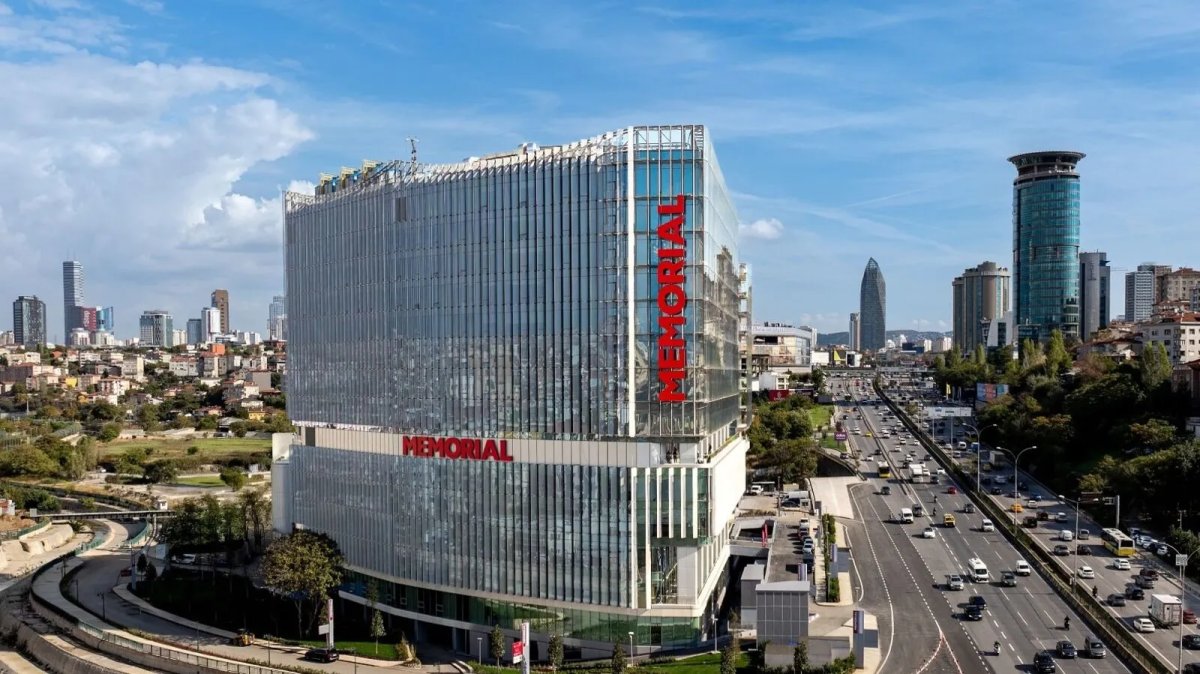
Memorial Göztepe Hospital


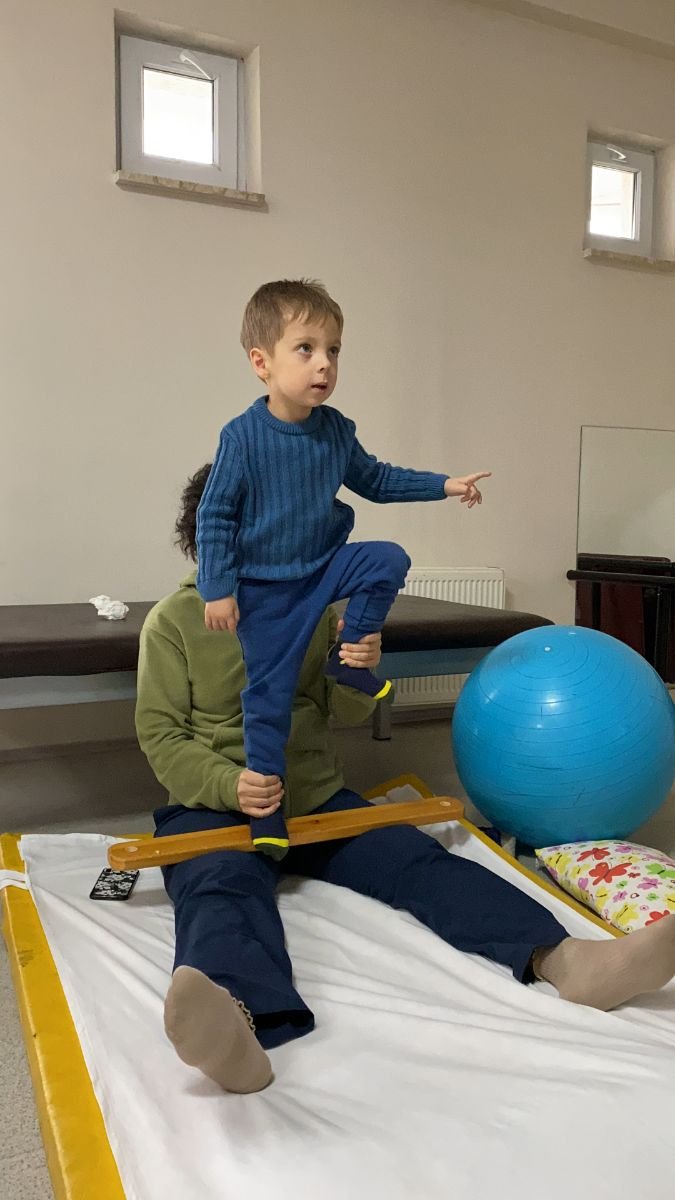
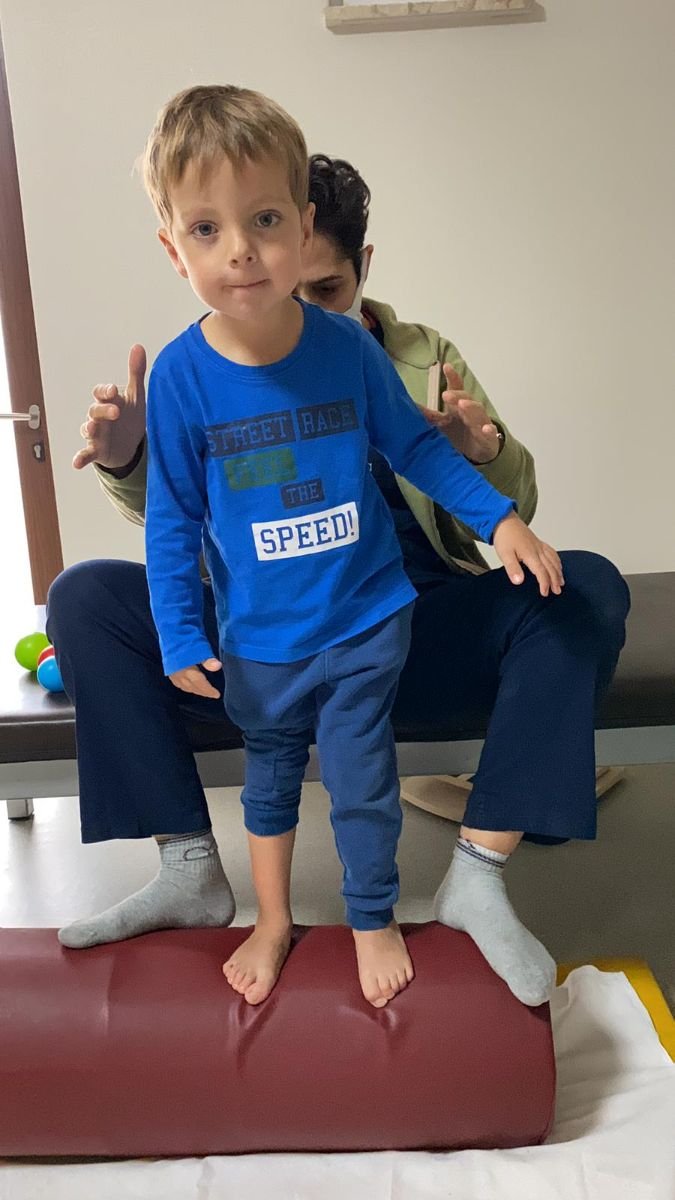
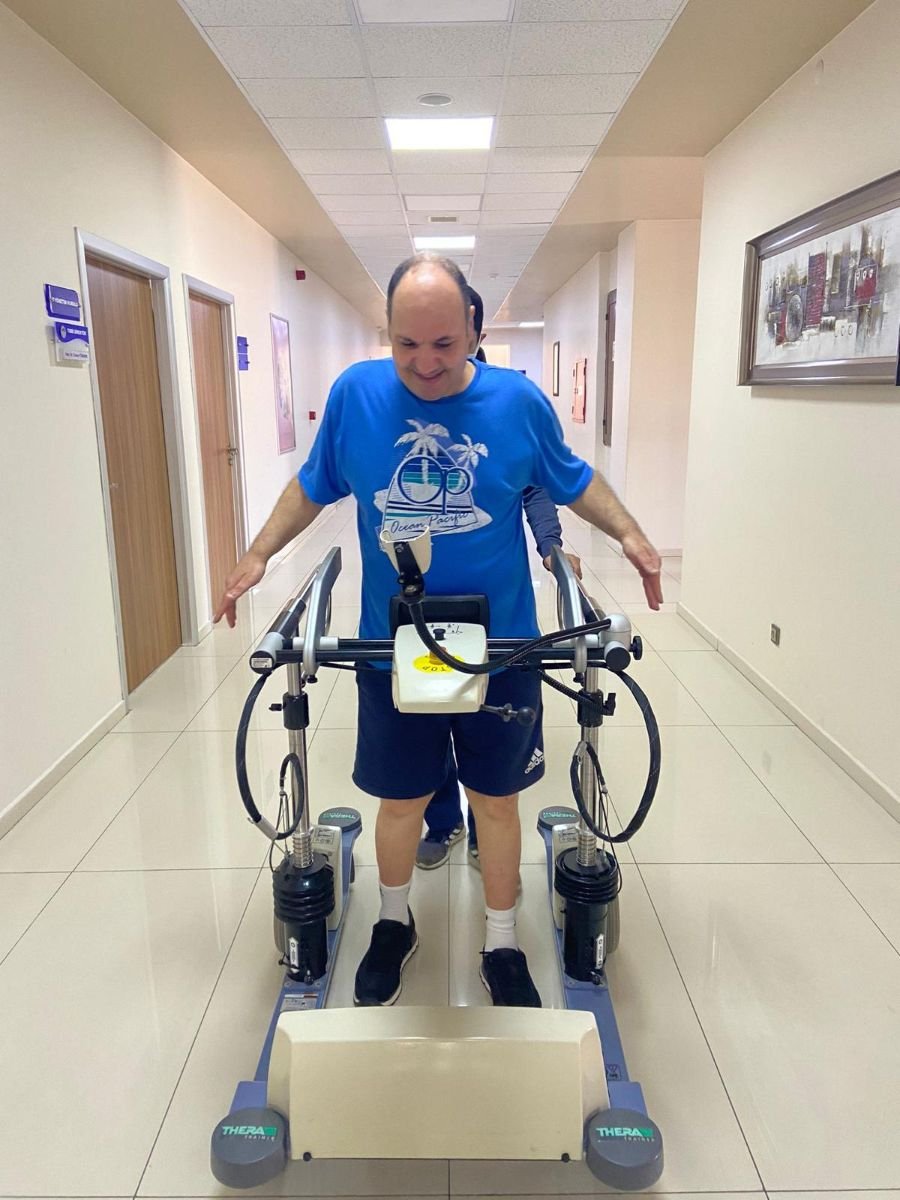
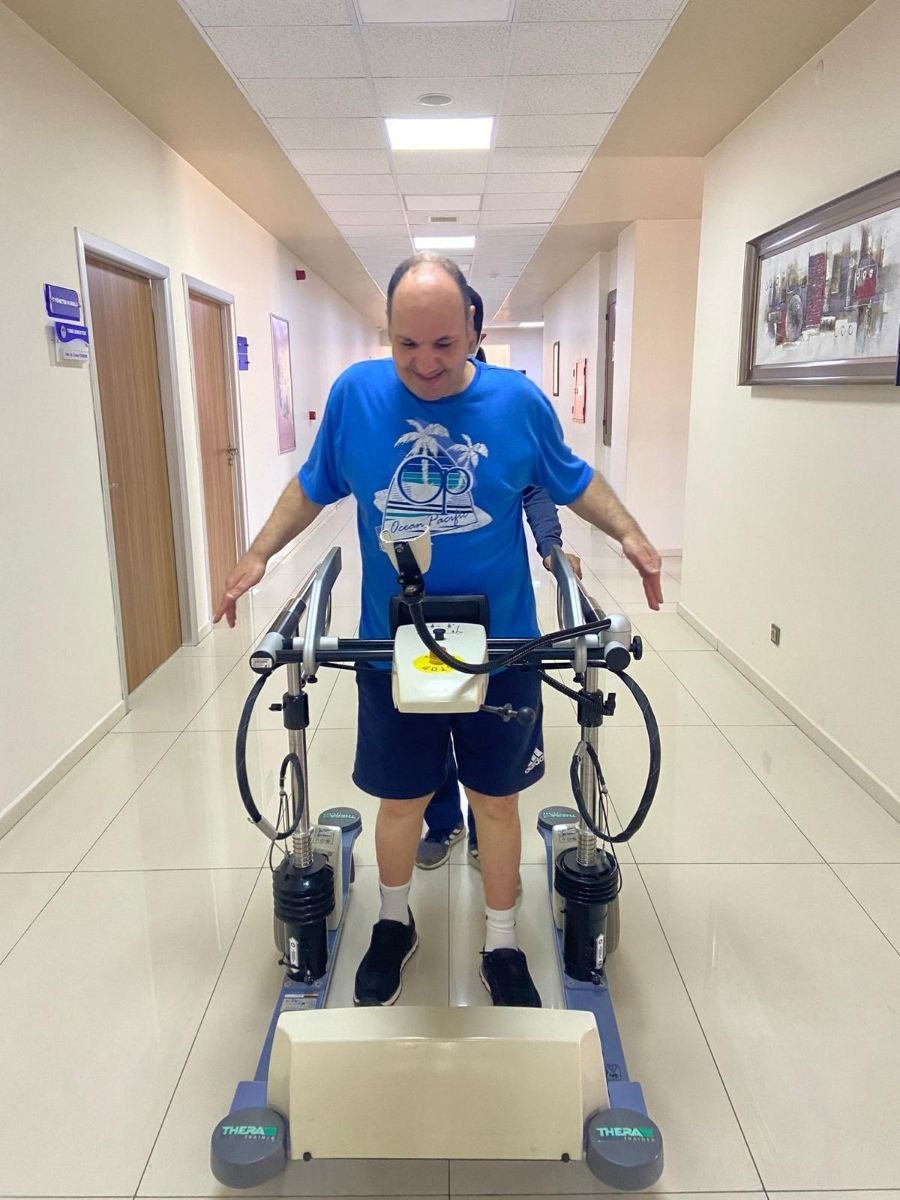
El Centro Médico de Rehabilitación y Terapia Física Fizyomer
Turkan Tunerir




Uzm. Dr. Suna Sarıkaya


Obtenga una evaluación médica de tratamiento de Polineuropatía en Turquía: haga una consulta con 17 médicos experimentados ahora
Ver todos los médicosTurkan Tunerir
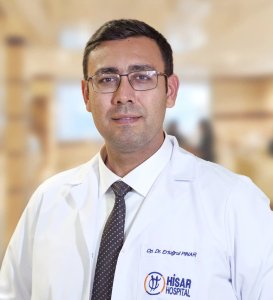
Ertugrul Pinar
El Dr. Ertugrul Pinar es neurocirujano en el Hisar Hospital Intercontinental de Estambul. Trata a pacientes adultos y pediátricos con enfermedades complejas del cerebro y la columna vertebral. El Dr. Pinar se centra en tumores cerebrales, aneurismas vasculares y patologías de la base del cráneo. Trabaja en un hospital acreditado por la JCI que atiende a más de 500.000 pacientes al año.
- Realiza procedimientos especializados, incluyendo la resección transnasal de tumores y la reparac
Dilek Necioglu Orken
La Dra. Dilek Necioglu Orken es neuróloga en el Hospital Memorial Sisli de Estambul. Se centra en afecciones neurológicas complejas y en la gestión de pacientes. La Dra. Orken ocupó anteriormente el cargo de Jefa del Departamento de Neurología en la Universidad de Ciencias Demiroglu. También desempeñó el papel de Oficial de Educación y Administración en el Hospital Sisli Hamidiye Etfal.
- Fue miembro del cuerpo docente de la Universidad de Ciencias Demiroglu.
- Ejerció como esp

Ugur Korkmaz
El doctor es un distinguido gastroenterólogo con una especialización de la Universidad de Kocaeli y una amplia experiencia tanto en entornos académicos como clínicos. Desde 2014, ha servido como Profesor Asociado de Gastroenterología, haciendo contribuciones sustanciales al campo a través de numerosas publicaciones científicas y presentaciones.<\/p>
El doctor se enfoca en una variedad de trastornos gastrointestinales, incluyendo enfermedades esofágicas, condiciones gastroduodenale
Compartir contenido
Historias en video de pacientes de Bookimed
 Olena Sikoza
Preguntas frecuentes sobre el tratamiento de Polineuropatía en Turquía
¿Cuáles son los mejores hospitales y centros en Turquía para el tratamiento de la polineuropatía?
Memorial Sisli y el NP Istanbul Brain Hospital son centros líderes para la polineuropatía en Turquía. Estas instalaciones cuentan con acreditación JCI y utilizan diagnósticos avanzados como la resonancia magnética de 3 Tesla. Neurólogos especializados se centran en los trastornos de los nervios periféricos utilizando pruebas electrodiagnósticas refinadas y protocolos de rehabilitación integradora.
- Centros especializados: El NP Istanbul Brain Hospital es el segundo hospital cerebral mejor clasificado de Europa en neuropsiquiatría.
- Experiencia en diagnóstico: Los centros ofrecen neurofisiología clínica, incluyendo EMG, EEG y potenciales evocados.
- Enfoque en rehabilitación: Fizyomer Terapia logra tasas de éxito del 95 % en programas especializados de fisioterapia.
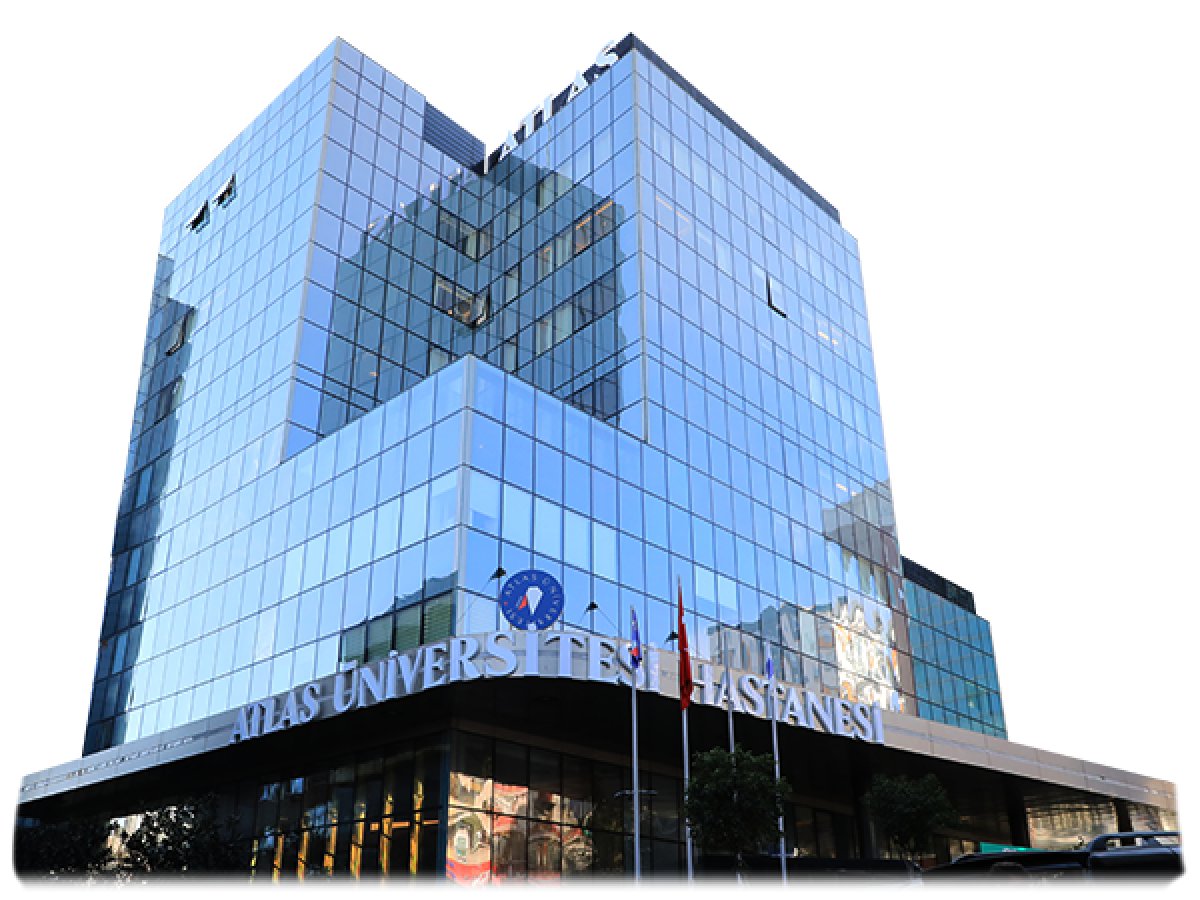
- Experiencia académica: El Hospital Universitario Atlas atiende a 565,000 pacientes al año con 25 años de experiencia.
Opinión del experto de Bookimed: Los pacientes a menudo pasan por alto que la polineuropatía requiere tanto precisión diagnóstica como una recuperación a largo plazo. Elija un centro multidisciplinario como Liv Hospital Ulus o Fizyomer Terapia. Estas clínicas combinan neurología con fisioterapia. Este enfoque garantiza que no solo obtenga un diagnóstico, sino también un plan supervisado para recuperar la función motora. Los hospitales universitarios de alto volume
¿Qué pruebas diagnósticas para la polineuropatía están disponibles en Turquía?
Las pruebas diagnósticas para la polineuropatía en Turquía incluyen electromiografía (EMG), estudios de conducción nerviosa (NCS) y resonancia magnética (RM) de 3 Teslas con soporte de IA. Las clínicas especializadas utilizan electrofisiología avanzada para identificar patrones de daño nervioso. Las instalaciones acreditadas por la JCI en Estambul y Eskisehir proporcionan paneles de laboratorio completos para detectar causas metabólicas o autoinmunes.
- Pruebas neurofisiológicas: Las clínicas utilizan EMG y NCS para medir la actividad eléctrica en músculos y nervios.
- Imágenes avanzadas: La RM de 3 Teslas con soporte de IA en Memorial Göztepe detecta la afectación de la columna y el cerebro.
- Exámenes de laboratorio: Paneles sanguíneos exhaustivos identifican causas reversibles como la deficiencia de B12 o marcadores de diabetes.
- Exámenes clínicos: Los especialistas realizan potenciales evocados y polisomnografía para evaluar la profundidad del sistema nervioso periférico.
Perspectiva del experto de Bookimed: Los centros de neurología turcos como el Hospital Cerebral NP de Estambul integran la medición de la función cerebral con la electroneurofisiología. Acceder a estas pruebas en hospitales académicos o privados especializados a menudo garantiza un panel diagnóstico completo. Los datos muestran que instituciones como Liv Hospital Ulus ges
¿Qué tratamientos se utilizan para la polineuropatía en Turquía?
El tratamiento de la polineuropatía en Turquía combina diagnósticos intensivos como EMG con protocolos farmacológicos y regenerativos. Los centros acreditados por la JCI utilizan terapia con células madre mesenquimales, plasmaféresis y neurofisiología clínica para controlar los síntomas. Los especialistas se centran en identificar los desencadenantes subyacentes, como la vasculitis autoinmune o las deficiencias metabólicas, para restaurar la función nerviosa.
- Terapia regenerativa: La terapia con células madre mesenquimales y las inyecciones de PRP se dirigen al dolor neuropático y la reparación nerviosa.
- Diagnóstico especializado: Los neurólogos utilizan EMG avanzado, biopsias nerviosas y tomografía computarizada de 512 cortes para una estadificación precisa.
- Protocolos inmunológicos: La plasmaféresis y la inmunoterapia intravenosa abordan los mediadores inflamatorios en el daño nervioso relacionado con enfermedades autoinmunes.
- Manejo del dolor: Los regímenes personalizados incluyen medicamentos anticonvulsivos, antidepresivos y lidocaína intravenosa para el dolor intratable.
Opinión experta de Bookimed: Los datos de volumen de pacientes muestran que el sector de neurología de Turquía está altamente concentrado en Estambul. El NP Istanbul Brain Hospital y el Liv Hospital Ulus manejan miles de casos internacionales anualmente. Una tende
¿Cuánto tiempo debo quedarme en Turquía para el tratamiento?
La mayoría de los pacientes pasan de 7 a 14 días en Turquía para el tratamiento de la polineuropatía. Este período cubre las pruebas nerviosas de diagnóstico y procedimientos como la plasmaféresis. Las evaluaciones iniciales a menudo requieren de 3 a 5 días. Los casos complejos que involucran sesiones de infusión repetidas o monitoreo escalonado pueden extender la estadía a 21 días por seguridad.
- Evaluación inicial: Calcule de 3 a 5 días para estudios de conducción nerviosa y análisis de sangre.
- Ciclos de tratamiento: La plasmaféresis o el intercambio de plasma a menudo requieren una estadía de 5 a 10 días.
- Tiempo de recuperación: Deje 2 o 3 días libres para observación antes de volar a casa.
- Sesiones de rehabilitación: Los programas intensivos especializados pueden requerir quedarse durante varias semanas.
Opinión experta de Bookimed: Nuestros datos de clínicas como el NP Istanbul Brain Hospital muestran que los pacientes de neurología suelen subestimar el tiempo de diagnóstico. Las pruebas nerviosas especializadas y las mediciones de la función cerebral suelen tardar 48 horas en procesarse. Dado que hospitales como Memorial Şişli atienden a pacientes de más de 160 países, programar una llegada a mitad de semana garantiza que no perderá tiempo durante el cierre de los laboratorios los fines de semana.
Consenso de los pac
¿Están los médicos turcos especializados en neuropatía?
Los neurólogos turcos están especializados en trastornos del sistema nervioso periférico y ofrecen diagnósticos avanzados como electromiografía y estudios de conducción nerviosa. Muchos médicos poseen becas y certificaciones internacionales. Los centros acreditados por la JCI en Estambul y Esmirna ofrecen atención multidisciplinaria para casos de polineuropatía autoinmune, diabética e idiopática.
- Tecnología de diagnóstico: Las clínicas utilizan resonancia magnética de 3 Tesla, tomografía computarizada de 512 cortes e imágenes PET-CT digitales.
- Experiencia neuromuscular: Especialistas como el Dr. Nimet Dortcan se enfocan en la neurofisiología clínica y las enfermedades musculares.
- Terapias avanzadas: Los médicos utilizan terapia con inmunoglobulina intravenosa (IVIG) y plasmaféresis para casos complejos.
- Enfoque en rehabilitación: Centros como Fizyomer reportan altas tasas de éxito en programas de rehabilitación neurológica intensiva.
Opinión experta de Bookimed: Turquía ocupa el primer lugar a nivel mundial en nuestra red para las solicitudes de pacientes, en gran parte debido a los hospitales universitarios de gran volumen. Médicos como el Prof. Dr. Yasef Özsarfati aportan más de 40 años de experiencia. El alto volumen de pacientes permite que estos especialistas vean variantes raras de neuropatía con mayor frecuencia que los cirujanos