Ir a inicio
820К+ pacientes han recibido asistencia desde 2014
50 países
1,500 clínicas
6K+ reseñas
3K+ médicos calificados

¿Cuál es el precio del diagnóstico y los tratamientos de Сarcinomatosis en China? Descubra ahora

El precio se proporciona bajo petición
ChinaEspañaTurquía
Quimioterapia intraperitoneal hipertérmica (HIPEC)de $22,500de $25,000de $22,500
Datos verificados por Bookimed a partir de May 2026, basados en solicitudes de pacientes y cotizaciones oficiales de 64 clínicas en todo el mundo. Los costos medianos se basan en facturas reales (2025–2026) y se actualizan mensualmente. Los precios reales pueden variar.

Sus beneficios y garantías con Bookimed

Precios directos

Bookimed no añade cargos extra a los precios de los tratamientos de Сarcinomatosis. Las tarifas proceden de las listas de precios oficiales de las clínicas. Pagará directamente en la clínica por su tratamiento a su llegada al país.

Sólo clínicas y médicos verificados

Bookimed está comprometido con su seguridad. Solo trabajamos con las clínicas que mantienen altos estándares internacionales en el tratamiento de Сarcinomatosis y cuentan con las licencias necesarias para atender a pacientes internacionales en todo el mundo.

Asistencia 24/7 gratuita

Bookimed ofrece asistencia experta gratuita. Un coordinador médico personal le apoya antes, durante y después de su tratamiento, resolviendo cualquier problema. Nunca estará solo en su viaje médico de tratamiento de Сarcinomatosis.

¿Por qué nosotros?

Su coordinador médico personal de Bookimed

  • Le apoya en cada etapa
  • Ayuda a elegir la clínica y el médico adecuados
  • Asegura un acceso rápido y conveniente a la información

Obtenga una evaluación médica para Сarcinomatosis en China: consulte con doctores experimentados ahora

Ver todos los médicos
verificado

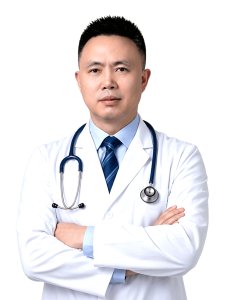
Liu Shi Xin

40 años de experiencia

El profesor Shixin Liu, MD, PhD, es el líder de la disciplina del Centro de Oncología. Fue presidente del Hospital Oncológico Provincial de Jilin y director del Instituto de Investigación en Prevención y Tratamiento del Cáncer. Es profesor de nivel II y tutor de doctorado. Ha recibido la Asignación Especial del Gobierno del Consejo de Estado, el 4.º premio Médico Nacional Famoso (Contribución Sobresaliente) y la distinción Modelo de Ética Médica.

Se especializa en el diagnóstico y tratamiento integrales de tumores malignos. Su enfoque es la radioterapia de precisión para cánceres torácicos y abdominales. Domina IMRT, VMAT y SBRT para cáncer de pulmón, esófago, mama y recto.

Sus cargos de liderazgo incluyen la vicepresidencia de Oncología Radioterápica de la CMA, de Radioterapia de la CACA y de Terapia de Partículas de la CACA. Integra el Comité Permanente de la CSCO y es vicepresidente del Comité de Expertos en Oncología Radioterápica de la CSCO. Es vicepresidente de Oncología Radioterápica de la CPAM y miembro del Comité Permanente de la CSMEA. Preside la sección de Oncología Radioterápica de la Asociación Médica de Jilin. Forma parte de los consejos editoriales del Chinese Journal of Radiation Oncology y del Practical Journal of Cancer.

Compartir contenido

Historias en video de pacientes de Bookimed

Dayana
Combiné mis vacaciones en Antalya con un chequeo médico.
Procedimiento: Chequeo femenino
Igor
¡Fue genial! Traslados, alojamiento, tratamiento, todo incluido.
Procedimiento: Implante dental
Clínica: WestDent Clinic
Marina
Bookimed se encargó de todo. No tuve que preocuparme por nada.
Procedimiento: Chequeo femenino
Actualizado: 05/27/2022
Escrito por
Olena Sikoza
Olena Sikoza
Сopywriter en español
Copywriter médica certificada responsable del contenido en español de Bookimed. Más de 7 años de experiencia en redacción sobre salud y turismo médico, con formación académica en edición científica y desarrollo de contenidos.
Fahad Mawlood
Editor médico y Científico de datos
Médico general. Ganador de 4 premios científicos. Sirvió en Asia Occidental. Es el ex jefe del equipo médico que soporta a pacientes de habla árabe. Ahora es responsable del procesamiento de datos y la precisión del contenido médico.
Fahad Mawlood Linkedin
Esta página puede incluir información relacionada con diversas afecciones médicas, tratamientos y servicios de salud disponibles en diferentes países. Tenga en cuenta que el contenido se proporciona sólo con fines informativos y no debe interpretarse como asesoramiento médico o orientación. Por favor consulte con su médico o con un profesional médico calificado antes de comenzar o cambiar el tratamiento médico.

Preguntas frecuentes sobre el tratamiento de Сarcinomatosis en China

Estas preguntas frecuentes provienen de pacientes reales que buscan atención médica a través de Bookimed. Las respuestas son proporcionadas por coordinadores médicos experimentados y representantes autorizados de las clínicas.

What is the primary medical protocol used to treat carcinomatosis in China?

China utilizes cytoreductive surgery combined with hyperthermic intraperitoneal chemotherapy as the primary protocol for carcinomatosis. The procedure involves removing visible tumors before circulating heated medicine into the abdominal cavity. This integrated approach often combines Western surgical standards with traditional therapies to manage side effects and inflammation.

  • Surgical resection: Surgeons remove all macroscopic tumor masses from the abdominal lining.
  • Thermal perfusion: Chemotherapy heated to approximately 41°C–43°C targets microscopic cancer cells.
  • Patient selection: Candidates typically require a Karnofsky Performance Status score exceeding 70.
  • Disease burden: Protocols generally recommend surgery for patients with peritoneal cancer index scores under 20.

Bookimed Expert Insight: Chinese oncology clinics like Fuda Cancer Hospital offer alternatives to standard systemic chemotherapy. These centers specialize in combining hyperthermic treatments with over 10 types of minimally invasive therapies. This approach is useful for patients seeking options beyond traditional aggressive resection. Accreditation by Joint Commission International ensures these facilities follow standardized protocols for international patients from over 100 countries.

Patient Consensus: Patients emphasize that this aggressive surgery is not a universal solution for everyone. Success depends heavily on receiving a second opinion to verify disease burden and primary tumor type.

Which medical centers in China specialize in peritoneal carcinomatosis?

Beijing Shijitan Hospital and Fuda Cancer Hospital lead Chinas treatment for peritoneal carcinomatosis. These centers utilize cytoreductive surgery and hyperthermic intraperitoneal chemotherapy. Specialized teams manage advanced abdominal malignancies. JCI-accredited facilities often provide integrated multi-modal care for international patients.

  • Specialized techniques: Clinics utilize HIPEC, PIPAC, and microwave hyperthermia for peritoneal spread.
  • Leading institution: Beijing Shijitan Hospital holds official recognition from international peritoneal oncology groups.
  • Advanced procedures: Specialists perform cytoreductive surgery for gastric, colorectal, and ovarian cancers.
  • Accreditation standards: Fuda Cancer Hospital maintains JCI accreditation for late-stage cancer treatment.

Bookimed Expert Insight: China is a unique destination for late-stage abdominal cancers. Centers like Fuda Cancer Hospital have served over 30,000 international patients. Clinical teams often accept advanced cases that other global institutions may decline. This high volume allows surgeons to maintain proficiency in complex debulking procedures.

Patient Consensus: Patients note that Chinese doctors often consider surgery for cases deemed inoperable elsewhere. It is important to provide full pathology reports and PET scans before travel.

Is Traditional Chinese Medicine integrated into carcinomatosis care?

Traditional Chinese Medicine (TCM) is integrated into carcinomatosis care strictly as a supportive therapy. Chinese oncology centers combine herbal formulas and acupuncture with Hyperthermic Intraperitoneal Chemotherapy (HIPEC). This integrative approach aims to reduce fluid buildup and alleviate chemotherapy side effects. TCM never replaces surgical or interventional treatments.

  • Ascites management: Herbal injections may reduce abdominal fluid when paired with conventional HIPEC protocols.
  • Symptom relief: Acupuncture and moxibustion help manage nausea, vomiting, and cancer-related fatigue.
  • Immune support: Adjuvant formulas help regulate the immune environment during aggressive chemotherapy cycles.
  • Functional status: Integrated care focuses on improving the patient ability to perform daily activities.

Bookimed Expert Insight: Data shows leading facilities like Fuda Cancer Hospital emphasize minimally invasive technologies over traditional chemo. They utilize NanoKnife and cryosurgery alongside supportive care for advanced stages. This suggests that in China, the value of TCM lies in helping patients physically tolerate these high-tech interventions. Integrating TCM within JCI-accredited hospitals ensures better safety than using standalone alternative clinics.

Patient Consensus: Patients note that integrated hospital teams are more trustworthy for managing herb-drug interactions. They highlight the importance of using TCM specifically for appetite and comfort rather than seeking it as a primary cure.

Does China use proprietary technology for HIPEC delivery?

Chinese oncology centers utilize domestically developed, proprietary platforms like the BR-TRG series for HIPEC delivery. These advanced systems function as high-precision thermal perfusion units. They maintain intra-abdominal temperatures at a precise 43.0°C. This level of control optimizes chemotherapy effectiveness while protecting healthy tissue.

  • Precision monitoring: Proprietary sensors maintain thermal stability within 0.1°C during perfusion.
  • Minimally invasive options: Ultrasound-guided percutaneous delivery treats malignant ascites without full surgery.
  • Advanced drug delivery: Specialized peristaltic pumps convert chemotherapy into micro-droplets for better coverage.
  • Enhanced protocols: Centers often utilize multi-session dense schedules over several days.

Bookimed Expert Insight: While Chinese manufacturers dominate the domestic market, the real differentiator is clinical volume. Fuda Cancer Hospital has served over 30,000 international patients. This high volume allows surgeons to master proprietary tools like microwave hyperthermia. This experience often leads to more refined, personalized perfusion protocols than standard settings.

Patient Consensus: Patients note it is vital to confirm if a clinic performs full cytoreductive surgery alongside HIPEC. Many emphasize asking for specific data on surgeon volume and perfusion temperatures rather than just focusing on the machine brand.

Are advanced biological or targeted therapies offered beyond CRS-HIPEC?

Oncology centers in China offer biological and targeted therapies alongside CRS-HIPEC for peritoneal carcinomatosis. These include PARP inhibitors for ovarian cancer and angiogenesis inhibitors like Bevacizumab. Specialized facilities often integrate immunotherapy with minimally invasive technologies. Procedures like PIPAC provide localized delivery for unresectable cases.

  • Systemic targeted drugs: Olaparib and Niraparib provide maintenance after surgery for BRCA-mutated cases.
  • Angiogenesis inhibitors: Bevacizumab targets blood vessel growth to manage colorectal and ovarian spread.
  • Immune checkpoint inhibitors: Medications like Nivolumab treat mismatch repair-deficient (dMMR) or MSI-H cancers.
  • Localized aerosol delivery: PIPAC uses pressure to increase chemotherapy penetration during laparoscopic procedures.
  • Advanced thermal therapies: Specialized centers utilize microwave hyperthermia to treat carcinomatosis at any stage.

Bookimed Expert Insight: Chinese oncology centers like Fuda Cancer Hospital treat over 30,000 international patients. They often combine standard HIPEC with unique techniques like NanoKnife and cryosurgery. This multi-modal approach helps manage late-stage cases that are often ineligible for surgery. Specialists like Prof. Liu Shi Xin emphasize precision radiotherapy for abdominal malignancies alongside systemic drugs.

Patient Consensus: Patients note that targeted therapy isn't automatic and requires specific genetic testing for mutations like KRAS or HER2. Many advise confirming if a center has integrated medical oncology teams before starting treatment.

Can international patients receive carcinomatosis treatment in China?

International patients receive carcinomatosis treatment in China at JCI-accredited oncology centers and university hospitals. These facilities specialize in cytoreductive surgery and hyperthermic intraperitoneal chemotherapy. Treatment integrates Western surgical protocols with advanced ablation technologies like NanoKnife to target solid tumor metastases.

  • Treatment approaches: Clinics utilize cytoreductive surgery paired with heated intraperitoneal chemotherapy protocols.
  • Advanced technologies: Specialized centers offer NanoKnife, cryosurgery, and microwave hyperthermia for stage 4 cases.
  • Radiation techniques: Modern systems provide precision VMAT, IMRT, and SBRT for abdominal malignancies.
  • Clinical volume: Leading hospitals like Fuda have treated 30,000 patients from 100 countries.

Bookimed Expert Insight: China offers a unique advantage for patients with specific solid tumor markers because it leads in CAR-T therapy trials for gastric and colorectal carcinomatosis. Hospitals like Xiamen Humanity Hospital utilize elite experts like Dr. Liu Shi Xin, who holds a State Council Special Government Allowance for oncology. Patients should prioritize clinics with dedicated peritoneal surface oncology departments rather than general cancer wards.

Patient Consensus: Patients emphasize the need for medical records to be pre-reviewed by Chinese surgical teams before traveling. They note that having on-site English-speaking coordinators and translators is vital for understanding pathology results and post-operative instructions.

Who is involved in making the final treatment decisions?

Final treatment decisions for carcinomatosis in China result from shared decision-making between patients, families, and multidisciplinary medical teams. While competent adults maintain the legal right to consent, cultural norms often prioritize family consensus. Clinical experts provide specialized guidance on complex interventions like HIPEC or NanoKnife surgery.

  • Patient authority: Competent individuals hold the final ethical right to accept or refuse medical interventions.
  • Family involvement: Families often act as primary decision-makers, navigating options alongside senior surgical specialists.
  • Multidisciplinary teams: Specialists in nuclear medicine and oncology personalize treatment paths based on tumor pathology.
  • Legal surrogates: Designated proxies or next-of-kin decide for patients unable to communicate their medical wishes.

Bookimed Expert Insight: Data from Fuda Cancer Hospital shows that treating 30,000+ international patients requires bridging different decision-making styles. While Western patients often decide individually, Chinese specialists are accustomed to detailed consultations with the family first. Choosing a JCI-accredited facility ensures that these family-driven discussions still respect international standards for informed patient consent.

Patient Consensus: Patients note that doctors in China may speak directly to relatives before sharing specific details with the patient. It is common for senior surgeons to lead the decision when choosing between aggressive surgery or palliative care.

Pedir una consulta gratis

Seleccione la mejor manera de contactarle