Tratamiento de Сarcinomatosis en Turquía — obtenga 3 coincidencias personalizadas de clínicas


Revisado médicamente por
Fahad Mawlood
Cómo funciona
¿Cuál es el precio del diagnóstico y los tratamientos de Сarcinomatosis en Turquía? Descubra ahora
El costo total del tratamiento de la carcinomatosis en Turquía varía según su plan de tratamiento específico. Una consulta médica cuesta 188 €, una resonancia magnética con contraste y una tomografía computarizada del tórax cuestan 1.880 €, y las pruebas citogenéticas combinadas con omentectomía y linfadenectomía tienen un precio de 13.630 €. El plan de tratamiento se determina tras una evaluación exhaustiva por parte de profesionales médicos.
| España | Turquía | México | |
|---|---|---|---|
| Quimioterapia intraperitoneal hipertérmica (HIPEC) | de $81,800 | de $18,000 | ≈ $18,000 |
Descubra las mejores clínicas de tratamiento de Сarcinomatosis en Turquía: 25 opciones verificadas y Precios
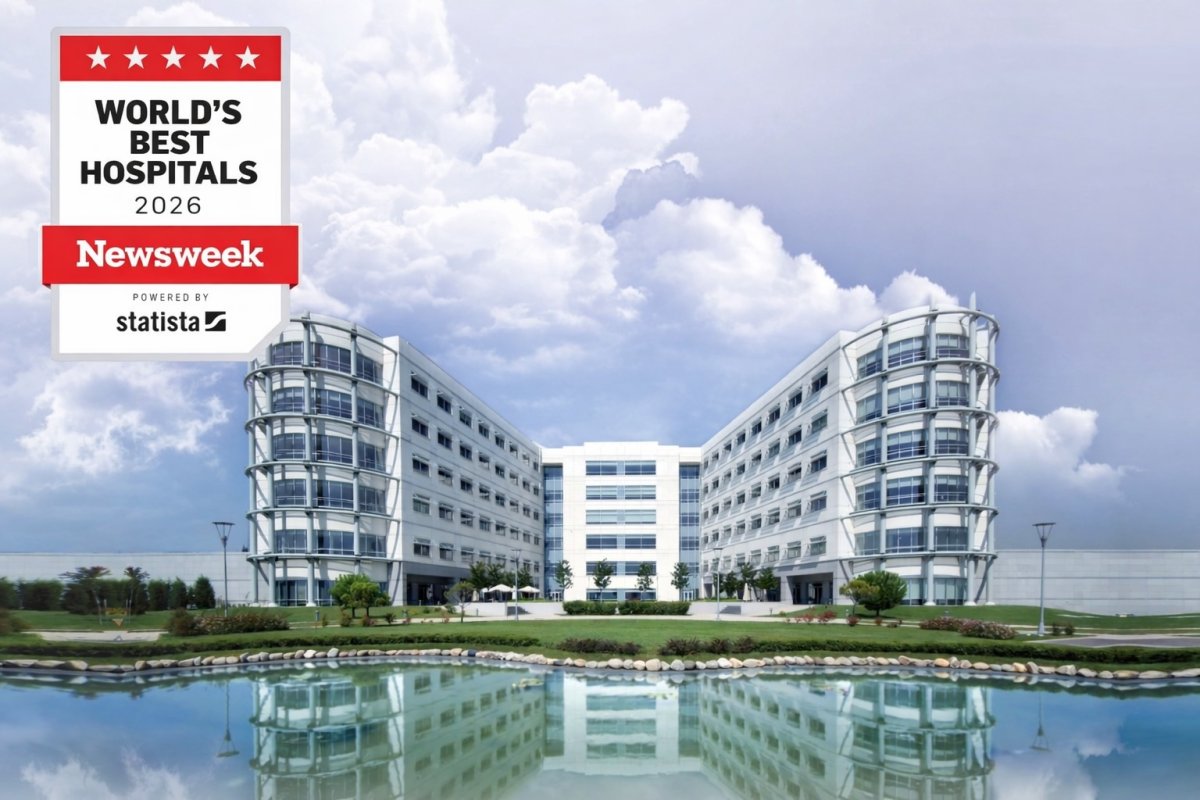










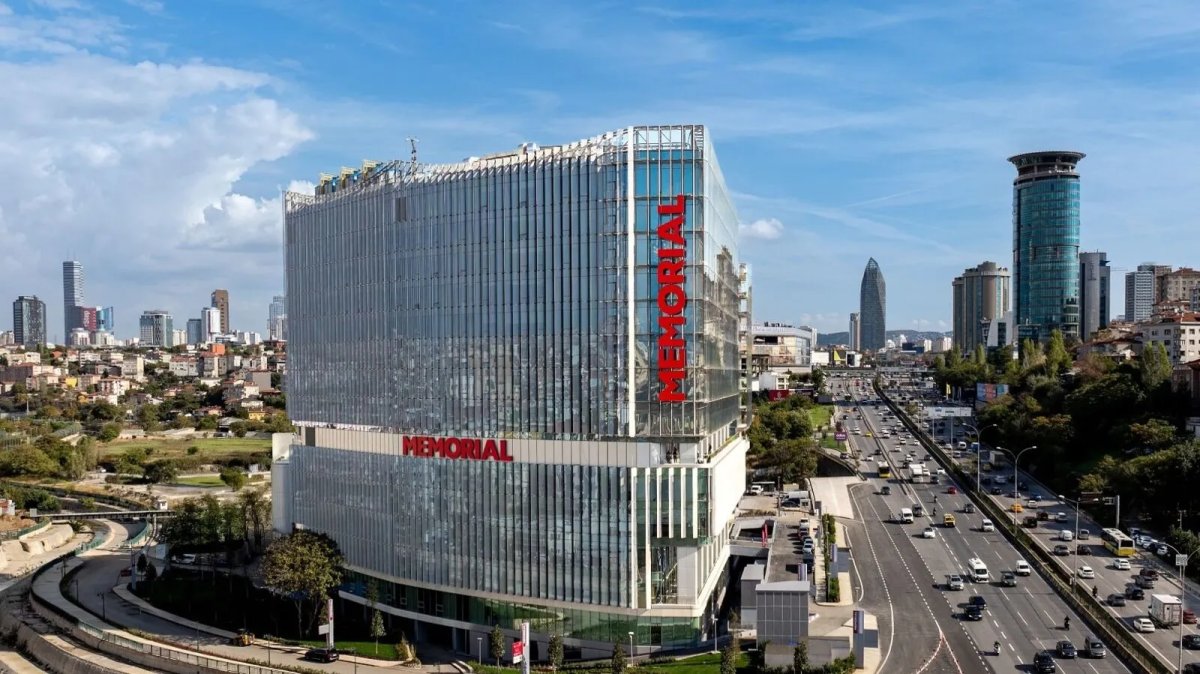
Memorial Göztepe Hospital



Memorial Ankara Hospital
Obtenga una evaluación médica de tratamiento de Сarcinomatosis en Turquía: haga una consulta con 32 médicos experimentados ahora
Ver todos los médicos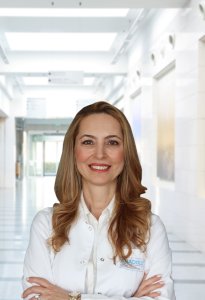
Banu Atalar
La Dra. Banu Atalar es oncóloga radioterápica con certificación de especialidad (Turquía, 2004). Es catedrática en la Universidad Acibadem MAA (2018–presente) y médica en Anadolu Medical Center (2026–presente). Se formó en Estambul y en Cerrahpaşa. En 2011 completó una beca de investigación clínica en Stanford en radiocirugía estereotáctica. Su práctica se centra en tumores del SNC, torácicos y gastrointestinales. Aproximadamente el 75% de su actividad clínica implica SRS y SRS adaptativa gui
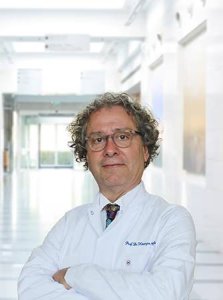
Huseyin Baloglu
El Prof. Hüseyin Baloğlu es especialista en patología en el Centro Médico Anadolu, en Gebze, Kocaeli, Turquía. Se centra en la patología molecular y quirúrgica, y en la biopsia y el diagnóstico de tumores.
Formación y acreditaciones: Médico (MD), Escuela de Medicina de GATA (1986). Especialidad en Patología, GATA (1992). Profesor asociado (Doçent), GATA (2004). Investigador visitante en el Albert Einstein College of Medicine (Nueva York) y la Universidad de Heidelberg.
Logros: a
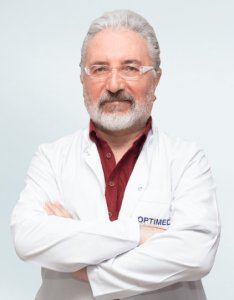
Onder Surgit
El Prof. Dr. Önder SÜRGİT es cirujano general en la Clínica de Cirugía General. Horario: 09:00–18:00. Áreas principales: cirugía laparoscópica, oncológica y bariátrica.
Graduado en 1995 en la Facultad de Medicina de Hacettepe. Título académico: Profesor. Se desempeñó como cirujano instructor en ITEM (Centro de Formación en Tecnologías Médicas Avanzadas). Ocupó cargos docentes en las Facultades de Medicina de las universidades Turgut Özal y Atılım. También trabajó en el Hospital Ankara

Prof. Sezer Sağlam
Experto líder en oncología gastrointestinal con amplia experiencia en el Instituto de Oncología de la Universidad de Estambul. El Prof. Sağlam combina el rigor académico con la práctica clínica.
- Profesor certificado en oncología médica
- Especializado en cánceres gastrointestinales
- Miembro de las sociedades ESMO, ASCO y ENET
- Trabaja en el Hospital Gayrettepe Florence Nightingale
Compartir contenido
Historias en video de pacientes de Bookimed
 Olena Sikoza
Preguntas frecuentes sobre el tratamiento de Сarcinomatosis en Turquía
¿Qué tratamientos especializados para la carcinomatosis están disponibles en los hospitales turcos?
Los tratamientos especializados para la carcinomatosis en Turquía giran en torno a la cirugía citorreductora (CRS) y la quimioterapia intraperitoneal hipertérmica (HIPEC). Los principales centros acreditados por la JCI en Estambul utilizan sistemas robóticos da Vinci y juntas multidisciplinarias de tumores. Estos protocolos tratan la diseminación peritoneal avanzada de cánceres de ovario, colorrectal y gástrico con alta precisión.
- Cirugía citorreductora: Los cirujanos extirpan todos los tumores abdominales visibles antes de aplicar quimioterapia localizada.
- HIPEC: La quimioterapia calentada circula en el abdomen para eliminar las células cancerosas microscópicas.
- CRS asistida por robot: El sistema da Vinci XI permite una extirpación precisa de tejido en áreas complejas.
- PIPAC: La quimioterapia en aerosol presurizado ofrece una opción mínimamente invasiva para casos de enfermedad irresecable.
Opinión experta de Bookimed: El volumen de casos es la señal de calidad más confiable para este procedimiento complejo. Si bien muchos centros turcos ofrecen oncología, solo unos pocos como Anadolu Medical Center o Memorial Göztepe realizan más de 400 cirugías gástricas o pancreáticas especializadas. Los equipos de alto volumen generalmente logran mejores resultados de recuperación porque mantienen unidades de cuidados intensivos peritoneales dedica
¿Cómo mantienen los hospitales turcos la misma calidad de atención que Europa Occidental o EE. UU. al tratar la carcinomatosis?
Los hospitales turcos mantienen una calidad equivalente a la occidental para la carcinomatosis al combinar altos volúmenes quirúrgicos con certificaciones internacionales. Centros como el Anadolu Medical Center se afilian a instituciones como Johns Hopkins para implementar estándares estadounidenses. Los cirujanos utilizan el sistema robótico da Vinci para procedimientos citorreductores precisos mientras siguen estrictos protocolos clínicos de ESMO y JCI.
- Credenciales especializadas: Muchos cirujanos poseen diplomas honoríficos del European Board of Surgery.
- Acceso a tecnología: Las instalaciones utilizan sistemas robóticos da Vinci y MR Linac para casos complejos.
- Alto volumen: El Anadolu Medical Center trata a 65,000 pacientes anualmente, lo que garantiza una profunda experiencia quirúrgica.
- Certificaciones globales: Las acreditaciones JCI e IASIOS confirman el cumplimiento de los estándares europeos de oncología intervencionista.
Perspectiva del experto de Bookimed: Si bien muchos países ofrecen HIPEC, los paquetes de oncología turcos incluyen con frecuencia una observación postoperatoria más prolongada que los requisitos internacionales básicos. Por ejemplo, Liv Hospital Ulus ofrece 5 noches de hospital y 6 días de hotel dentro de su paquete de $21,000. Este período de recuperación extendido es vital para gestionar las necesidades c
¿Qué criterios debo utilizar para seleccionar la clínica turca más adecuada para el manejo de la carcinomatosis?
La selección de una clínica turca para la carcinomatosis requiere verificar la acreditación JCI y la existencia de una junta multidisciplinaria de tumores. Priorice los centros que utilizan cirugía citorreductora y protocolos HIPEC. Los cirujanos expertos deben poseer certificaciones internacionales. Estas instalaciones deben contar con unidades de cuidados intensivos avanzadas para la gestión compleja de la recuperación postoperatoria.
- Credenciales del cirujano: Busque especialistas con certificación del European Board of Surgery o del Milan Cancer Institute.
- Acceso a tecnología: Seleccione centros que utilicen sistemas robóticos da Vinci XI para oncología mínimamente invasiva.
- Volumen institucional: Las clínicas líderes en Estambul tratan a más de 65,000 pacientes al año, lo que garantiza una alta frecuencia de procedimientos.
- Inclusiones del paquete: Busque paquetes que incluyan de 4 a 5 días de hospitalización y de 2 a 6 días de recuperación en hotel.
Perspectiva del experto de Bookimed: Los datos de los pacientes muestran una brecha de experiencia significativa entre los centros de oncología general y los especialistas en HIPEC. El Dr. Suleyman Tumen en los hospitales Büyük Anadolu ofrece más de 25 años de experiencia especializada. Esta trayectoria a menudo conduce a evaluaciones de resecabilidad más precisas. Si bien los paquetes
¿Cómo se prepara un plan de tratamiento personalizado antes de viajar a Turquía?
Los especialistas turcos preparan planes personalizados para la carcinomatosis mediante una revisión remota de los registros médicos. Los cirujanos evalúan los archivos de imágenes recientes y los informes de patología para evaluar la viabilidad de la citorreducción. Este proceso confirma la elegibilidad para procedimientos como la quimioterapia intraperitoneal hipertérmica (HIPEC) antes de comenzar el viaje a instalaciones acreditadas por la JCI.
- Revisión de documentación: Los especialistas evalúan escáneres PET-CT recientes, marcadores tumorales y láminas de patología.
- Propuesta preliminar: Las clínicas proporcionan una estrategia por escrito en un plazo de 24 a 48 horas después de la revisión.
- Lista de verificación antes del viaje: Los equipos médicos requieren autorización de anestesia y evaluaciones pulmonares antes de la llegada.
- Coordinación logística: Los planes personalizados incluyen traslados VIP y estancias hospitalarias de 4 a 5 días.
Opinión del experto de Bookimed: Los centros de primer nivel como el Anadolu Medical Center utilizan juntas de tumores multidisciplinarias para perfeccionar los planes. Si bien algunos paquetes cuestan alrededor de $21,000, otros alcanzan aproximadamente $30,800 para casos complejos. Los hospitales de gran volumen que realizan más de 65,000 operaciones anuales a menudo brindan una estadificaci
¿Qué métricas de resultados debo solicitar al oncólogo para evaluar las tasas de éxito de mi carcinomatosis?
Evalúe el éxito de la carcinomatosis mediante las métricas de supervivencia libre de progresión (SLP) y supervivencia global (SG). Solicite datos específicos sobre el Índice de Cáncer Peritoneal (PCI). Esta puntuación mide la propagación del cáncer antes de la cirugía citorreductora (CRS) y la HIPEC. Los centros turcos acreditados por la JCI de gran volumen realizan un seguimiento de estos resultados para optimizar las tasas de supervivencia.
- Supervivencia libre de progresión: Mide el tiempo que vive sin que el cáncer crezca.
- Integridad de la citorreducción: Indica si el cirujano extirpó todos los nódulos tumorales visibles.
- Tasa de respuesta: Porcentaje de pacientes que muestran reducción del tumor después de los ciclos de tratamiento.
- Calidad de vida: Puntuaciones estandarizadas que evalúan su funcionamiento diario y su bienestar físico.
Opinión del experto de Bookimed: Aunque las métricas de supervivencia son vitales, busque cirujanos con diplomas internacionales específicos. El Dr. Hakan Teoman Yanar en Liv Hospital Ulus posee un diploma honorario de la Junta Europea de Cirugía. Los expertos con más de 15 años de experiencia suelen lograr mejores resultados de citorreducción. Estos especialistas frecuentemente utilizan el sistema robótico da Vinci para mayor precisión. Los paquetes en Turquía suelen oscilar entre $21,000 y $31,000 p