Сarcinomatosis en Corea del Sur: las 6 mejores clínicas para su tratamiento


Revisado médicamente por
Fahad Mawlood
¿Cuál es el precio del diagnóstico y los tratamientos de Сarcinomatosis en Corea del Sur? Descubra ahora
De $18,000. Las evaluaciones diagnósticas, como una consulta con un oncólogo, varían entre $50 y $75. Los gastos totales dependen del estadio del tumor, la extensión de la cirugía citorreductora y el nivel de la clínica. Los pacientes suelen encontrar ahorros del 30-50% en comparación con los EE. UU. La mayor parte de la atención especializada se concentra en Seúl.
Costos típicos del tratamiento de la carcinomatosis en la República de Corea
- Consulta con un oncólogo: $50 – $75
- Revisión histopatológica: de $350
- Análisis de sangre extendido: de $200
- Consulta con un radiólogo: de $55
- Quimioterapia intraperitoneal hipertérmica (HIPEC): de $18,000
Perspectiva de expertos de Bookimed: Los pacientes en estadios avanzados deben priorizar los centros con altos volúmenes quirúrgicos y equipos multidisciplinarios. El Hospital de la Universidad Nacional de Seúl (SNUH) reporta las estadísticas de tratamiento de cáncer más altas del país. Para casos complejos, el Hospital Anam de la Universidad de Corea ofrece cirugía robótica oncológica especializada que minimiza las cicatrices. Los pacientes que buscan seguridad digital de primer nivel se benefician del sistema BESTcare en el Hospital Bundang de la Universidad Nacional de Seúl.
| Corea del Sur | España | Turquía | |
|---|---|---|---|
| Quimioterapia intraperitoneal hipertérmica (HIPEC) | de $18,000 | de $29,100 | de $18,000 |
Sus beneficios y garantías con Bookimed
Precios directos
Bookimed no añade cargos extra a los precios de los tratamientos de Сarcinomatosis. Las tarifas proceden de las listas de precios oficiales de las clínicas. Pagará directamente en la clínica por su tratamiento a su llegada al país.
Sólo clínicas y médicos verificados
Bookimed está comprometido con su seguridad. Solo trabajamos con las clínicas que mantienen altos estándares internacionales en el tratamiento de Сarcinomatosis y cuentan con las licencias necesarias para atender a pacientes internacionales en todo el mundo.
Asistencia 24/7 gratuita
Bookimed ofrece asistencia experta gratuita. Un coordinador médico personal le apoya antes, durante y después de su tratamiento, resolviendo cualquier problema. Nunca estará solo en su viaje médico de tratamiento de Сarcinomatosis.

Su coordinador médico personal de Bookimed
- Le apoya en cada etapa
- Ayuda a elegir la clínica y el médico adecuados
- Asegura un acceso rápido y conveniente a la información
Descubra las mejores clínicas de tratamiento de Сarcinomatosis en Corea del Sur: 6 opciones verificadas y Precios











Compartir contenido
Historias en video de pacientes de Bookimed
 Olena Sikoza
Preguntas frecuentes sobre el tratamiento de Сarcinomatosis en Corea del Sur
¿Cuáles son los tratamientos principales para la carcinomatosis que se ofrecen en los hospitales coreanos?
Los hospitales surcoreanos tratan la carcinomatosis mediante cirugía citorreductora y quimioterapia intraperitoneal hipertérmica (HIPEC). Los principales centros de Seúl combinan esto con quimioterapia sistémica y procedimientos asistidos por robot. Los centros acreditados por la JCI se centran en enfoques multimodales para las metástasis de cáncer gástrico, colorrectal y ovárico para mejorar los resultados de supervivencia.
- Cirugía citorreductora: Los cirujanos extirpan todos los implantes tumorales visibles de la cavidad peritoneal.
- Protocolo HIPEC: La quimioterapia caliente circula en el abdomen después de la cirugía para matar las células.
- Quimioterapia sistémica: La terapia farmacológica reduce la carga tumoral antes o después de la intervención quirúrgica.
- Cirugía asistida por robot: Los centros especializados utilizan sistemas robóticos para la extirpación precisa y mínimamente invasiva de tumores.
Opinión del experto de Bookimed: Aunque la mayoría supone que la cirugía es el primer paso, los hospitales universitarios coreanos a menudo dan prioridad a más de 318 000 procedimientos oncológicos anuales. Los datos muestran que centros líderes como el Hospital de la Universidad Nacional de Seúl utilizan seguimiento digital para prevenir errores. Elegir un centro con más de 65 000 operaciones al año garantiza el acceso a la máxima exp
¿Cuál es la tasa de éxito y el resultado de supervivencia de la CRS+HIPEC en Corea?
Los centros terciarios coreanos alcanzan tasas de citorreducción óptima de casi el 77 % para la carcinomatosis peritoneal. La citorreducción completa (CC-0) ocurre en el 59 % de los casos. La supervivencia mediana para la metástasis colorrectal alcanza los 35 meses. Centros especializados como el Centro Médico Asan realizan más de 65 000 cirugías al año con alta precisión técnica.
- Citorreducción óptima: El éxito en la eliminación de toda enfermedad visible alcanza aproximadamente el 77 % en cohortes seleccionadas.
- Resultados de supervivencia: Los pacientes con cáncer colorrectal muestran una mediana de supervivencia de hasta 35 meses.
- Cáncer gástrico: Los casos con baja carga tumoral alcanzan potencialmente un periodo de supervivencia mediana de 24 meses.
- Seguridad de alto nivel: Las complicaciones graves se limitan al 12 % en los centros de referencia coreanos de primer nivel.
Opinión del experto de Bookimed: La infraestructura de Corea favorece los casos complejos debido a la extrema digitalización y los altos volúmenes de pacientes. Clínicas como el Hospital Bundang de la Universidad Nacional de Seúl utilizan el sistema BESTcare para minimizar los errores quirúrgicos. Con 1,6 millones de pacientes ambulatorios al año en el Hospital Severance, los cirujanos mantienen una gran competencia en citorreducción. Esta densidad quirúrgica se
¿Qué hospitales se consideran los mejores para la carcinomatosis peritoneal en Corea?
Los mejores hospitales coreanos para la carcinomatosis peritoneal incluyen el Asan Medical Center, el Severance Hospital y el Seoul National University Hospital. Estas instalaciones, acreditadas por la JCI, se especializan en cirugía citorreductora combinada con quimioterapia intraperitoneal hipertérmica (HIPEC). Regularmente se clasifican entre los mejores hospitales del mundo por Newsweek debido a su excelencia en oncología.
- Asan Medical Center: Realiza más de 65 000 operaciones al año como el hospital multidisciplinario más grande de Corea del Sur.
- Severance Hospital: Cuenta con 13 centros oncológicos especializados y mantiene la acreditación de la Joint Commission International.
- Seoul National University Hospital: Reporta las estadísticas de tratamiento oncológico más altas entre las principales instituciones estatales.
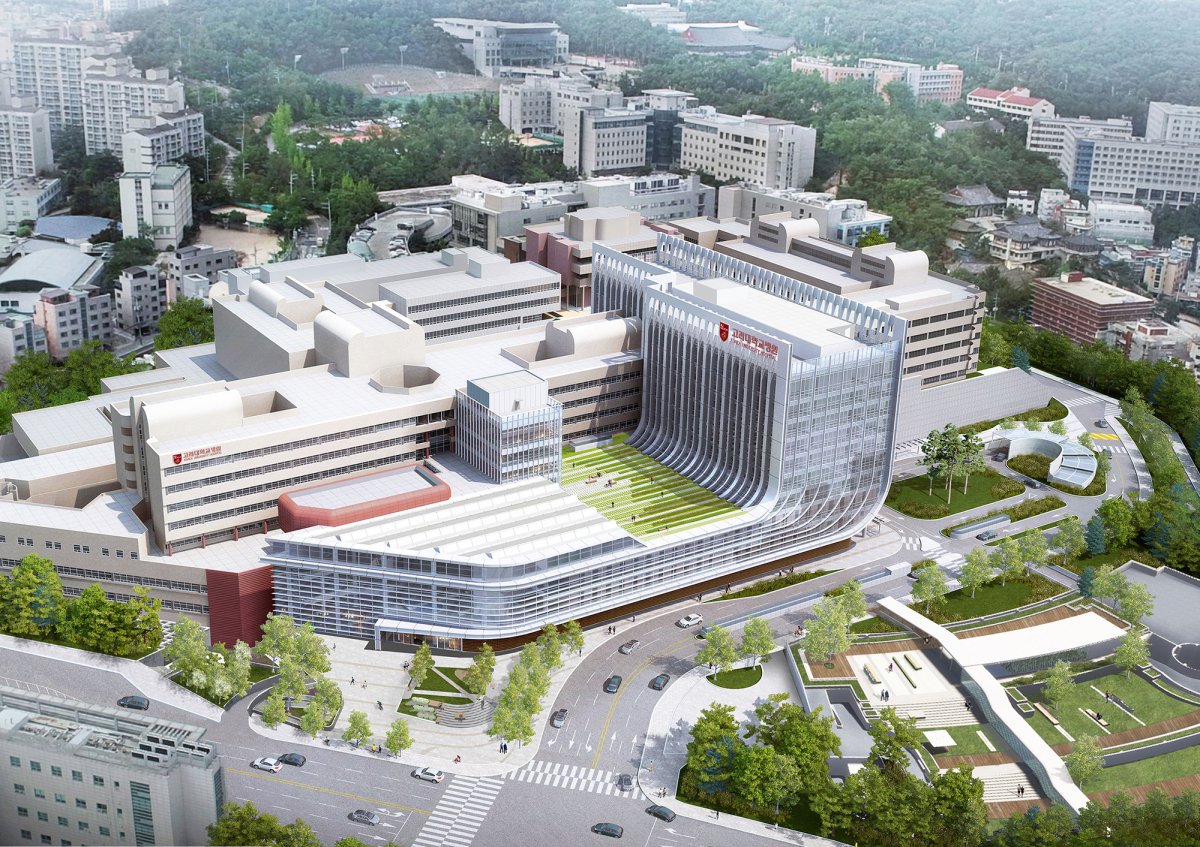
- Korea University Anam Hospital: Especializado en cirugía robótica avanzada contra el cáncer y oncología abdominal compleja.
Perspectiva del experto de Bookimed: Los datos muestran una clara tendencia de calidad basada en el volumen en Seúl. El Asan Medical Center atiende a más de 10 000 pacientes ambulatorios diariamente. Este volumen masivo permite a sus equipos quirúrgicos especializarse exclusivamente en neoplasias de la superficie peritoneal. Para procedimientos complejos de HIPEC, esta repetición específica a me
¿Cuánto tiempo es la estancia recomendada en Corea para el ciclo completo de tratamiento CRS+HIPEC?
La estancia recomendada en la República de Corea para CRS e HIPEC es de 14 a 21 días. Este período cubre la compleja cirugía de 8 horas y la hospitalización necesaria. Debe permanecer hasta que esté estable para un viaje de larga distancia. La mayoría de los pacientes permanecen en el hospital de 10 a 14 días.
- Periodo de hospitalización: La atención hospitalaria suele durar de 10 a 21 días para seguimiento.
- Duración de la cirugía: Espere que el procedimiento dure aproximadamente 8 horas en promedio.
- Cronograma de recuperación: La recuperación física completa generalmente requiere 3 meses después de regresar a casa.
- Volumen clínico: Los centros principales como el Severance Hospital tratan a más de 1,000,000 de pacientes al año.
Perspectiva del experto de Bookimed: Los grandes centros de Corea, como el Asan Medical Center y el SNUH, operan a gran escala, gestionando miles de pacientes al día. Este alto volumen significa que los protocolos postquirúrgicos están extremadamente estandarizados. Observamos que los pacientes a menudo necesitan de 3 a 5 días adicionales en un hotel cercano después del alta hospitalaria. Este margen garantiza que usted pueda comer y caminar bien antes de un vuelo largo.
Consenso de los pacientes: Los pacientes enfatizan que la recuperación de la función intestinal y los niveles de hidrata
¿Hay médicos y servicios de apoyo que hablen inglés para pacientes internacionales?
Los hospitales especializados de Corea del Sur ofrecen médicos de habla inglesa y coordinadores dedicados para pacientes internacionales con carcinomatosis. Los centros líderes en Seúl mantienen departamentos acreditados por la JCI específicamente para turistas médicos. Estos equipos gestionan la logística de citas, traducciones médicas y coordinación multidisciplinaria para tratamientos complejos como HIPEC.
- Departamentos internacionales: Oficinas dedicadas en SNUBH y Severance coordinan toda la logística.
- Apoyo lingüístico: Coordinadores de habla inglesa facilitan las consultas entre los pacientes y los especialistas en oncología.
- Estándares de acreditación: Instalaciones como el Asan Medical Center poseen la Acreditación Global de Salud (GHA).
- Documentación: Los principales hospitales de Seúl proporcionan informes médicos y resultados de patología en inglés.
Perspectiva del experto de Bookimed: Si bien los oncólogos de alto nivel a menudo hablan inglés, el gran volumen en clínicas como el Asan Medical Center (que atiende a 11,800 pacientes ambulatorios diariamente) hace que el coordinador internacional dedicado sea esencial. Estos miembros del personal aseguran que los detalles de su protocolo HIPEC no se pierdan en la traducción durante los turnos ocupados. Verifique si su clínica elegida cuenta con acreditación JCI o GHA para garan