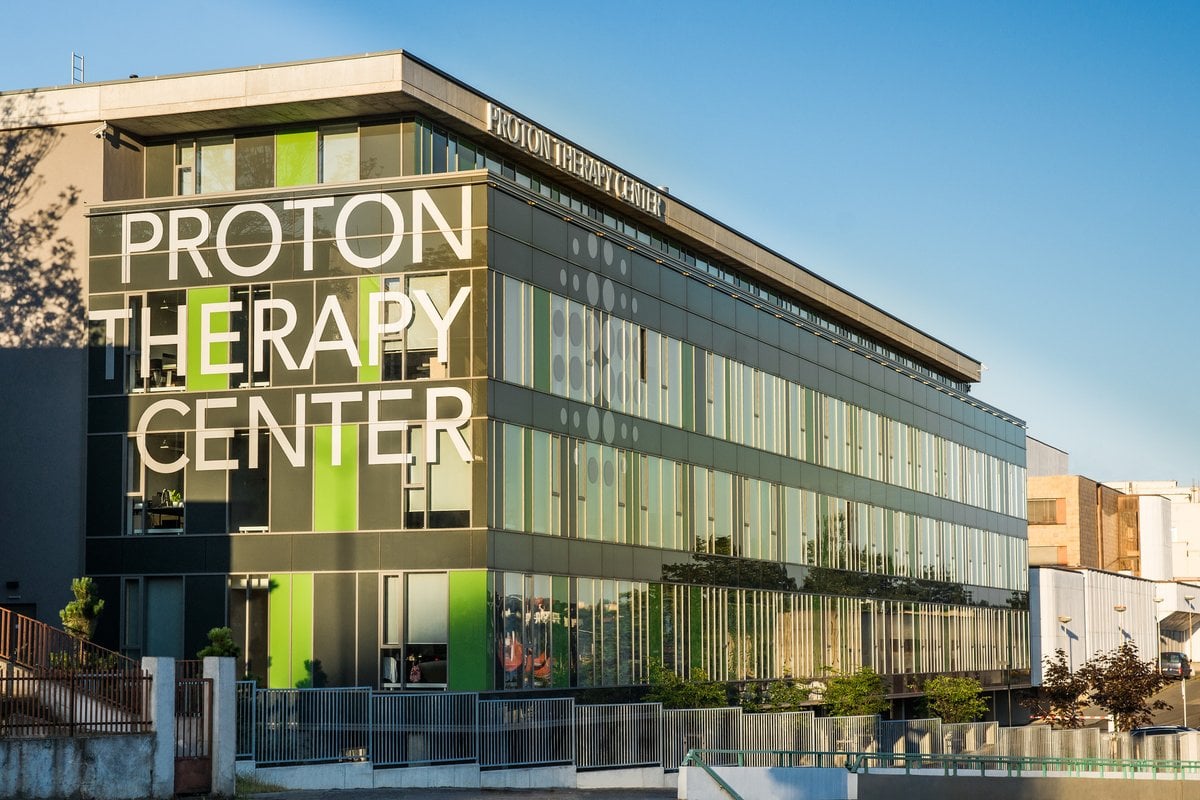
Proton Therapy Center
República Checa, Praga


Revisado médicamente por
Fahad Mawlood
El costo del tratamiento de la carcinomatosis en la República Checa generalmente implica una consulta con un oncólogo que oscila entre $110 y $190. Los procedimientos quirúrgicos especializados, como la quimioterapia intraperitoneal hipertérmica (HIPEC), oscilan entre $14,000 y $23,000. Los gastos totales dependen del tipo de cáncer, la etapa y el enfoque terapéutico seleccionado. Los pacientes a menudo logran ahorros del 50 al 80% en comparación con los precios de los Estados Unidos. Praga es el destino principal para este tratamiento.
Costos típicos del tratamiento de la carcinomatosis en la República Checa
Perspectiva de expertos de Bookimed: Para los pacientes que requieren una orientación tumoral de alta precisión, el Centro de Terapia de Protones en Praga ofrece instalaciones de clase mundial. Este centro es el más grande de su tipo en Europa. Sigue estándares médicos internacionales específicamente para casos oncológicos complejos. Los pacientes internacionales eligen con frecuencia estas instalaciones checas especializadas para acceder a tecnología de haz de protones de última generación. Esto a menudo proporciona una alternativa no invasiva a las intervenciones quirúrgicas tradicionales para cánceres en etapa avanzada.
| República Checa | España | Turquía | |
|---|---|---|---|
| Quimioterapia intraperitoneal hipertérmica (HIPEC) | ≈ $14,000 | de $81,700 | de $18,000 |
Bookimed no añade cargos extra a los precios de los tratamientos de Сarcinomatosis. Las tarifas proceden de las listas de precios oficiales de las clínicas. Pagará directamente en la clínica por su tratamiento a su llegada al país.
Bookimed está comprometido con su seguridad. Solo trabajamos con las clínicas que mantienen altos estándares internacionales en el tratamiento de Сarcinomatosis y cuentan con las licencias necesarias para atender a pacientes internacionales en todo el mundo.
Bookimed ofrece asistencia experta gratuita. Un coordinador médico personal le apoya antes, durante y después de su tratamiento, resolviendo cualquier problema. Nunca estará solo en su viaje médico de tratamiento de Сarcinomatosis.

 Olena Sikoza
La cirugía citorreductora (CCR) combinada con la quimioterapia intraperitoneal hipertérmica (HIPEC) es el tratamiento más eficaz para la carcinomatosis en la República Checa. Esta estrategia trata la diseminación peritoneal de cánceres colorrectales, ováricos y gástricos. Centros especializados en Praga y Brno utilizan este protocolo para atacar las células cancerosas microscópicas.
Perspectiva de expertos de Bookimed: La oncología checa se centra mucho en la estadificación multidisciplinaria antes de la cirugía. Centros como el Proton Therapy Center en Praga ofrecen diagnósticos avanzados, incluyendo revisiones histopatológicas y consultas radiológicas. Este riguroso cribado garantiza que solo los candidatos con probabilidades de lograr una extirpación tumoral completa se sometan al inte
Los candidatos para CRS y HIPEC en hospitales checos deben tener neoplasias malignas confinadas al peritoneo que los cirujanos puedan extirpar por completo. Los pacientes requieren un estado de rendimiento ECOG de 0 o 1. La idoneidad depende del volumen tumoral, medido por el Índice de Cáncer Peritoneal, y la ausencia de diseminación extraabdominal.
Perspectiva de expertos de Bookimed: Los centros especializados checos utilizan la laparoscopia diagnóstica antes de finalizar los planes quirúrgicos. Este paso revela la afectación del intestino delgado que las tomografías computarizadas a menudo pasan por alto. Asegura que los equipos clínicos solo procedan cuando una citorreducción completa sea realmente alcanzable para el paciente.
Consenso de los pacientes: Los pacientes enfatizan la necesidad de u
Cinco centros de oncología quirúrgica especializados en la República Checa realizan cirugía citorreductora (CRS) con quimioterapia intraperitoneal hipertérmica (HIPEC). Estas instalaciones incluyen el Hospital Universitario General (VFN), el Instituto Oncológico Conmemorativo Masaryk (MOU) y el Hospital Universitario de Olomouc. Tratan metástasis peritoneales avanzadas de cánceres colorrectales, ováricos y gástricos.
Perspectiva del experto de Bookimed: La infraestructura oncológica checa concentra cirugías complejas en hospitales universitarios en Praga y Brno. Estos centros gestionan frecuentemente mayores volúmenes de pacientes y redes multidisciplinarias. Los pacientes deben confirmar si un centro trata su tipo específico de tumor primario antes de vi
Los protocolos modernos de HIPEC mejoran significativamente la supervivencia de los pacientes con carcinomatosis. Las tasas de supervivencia a cinco años oscilan entre el 70% para el cáncer de apéndice y el 30-50% para los casos colorrectales. Los resultados dependen del tipo de cáncer primario y de lograr la extirpación completa del tumor durante la cirugía citorreductora.
Perspectiva del experto de Bookimed: Los datos de los pacientes sugieren mirar más allá de los porcentajes generales y considerar la puntuación del Índice de Cáncer Peritoneal (PCI). Centros como el Proton Therapy Center en Praga enfatizan diagnósticos especializados, incluidas las revisiones histopatológicas. Una puntuación PCI inferior a 13 a menudo se correlaciona con tasas de supervivencia a largo plazo mucho más altas.
Consenso de los pacientes: Los pacientes señalan que la capacidad del cirujano para eliminar todos los tumores visibles es el factor
El volumen quirúrgico determina el éxito en la CRS y la HIPEC debido a una pronunciada curva de aprendizaje institucional. Los centros de alto volumen logran tasas de supervivencia del 99% y una eliminación tumoral superior. Los equipos especializados requieren de 140 a 220 casos para alcanzar la máxima competencia técnica y eficiencia operativa.
Perspectiva del experto de Bookimed: Los datos muestran que la República Checa alberga infraestructuras especializadas como el Centro de Terapia de Protones en Praga. Aunque existen opciones regionales, los pacientes con carcinomatosis deben verificar el número de casos anuales. Los programas que realizan más de 30 procedimientos al año suelen mostrar vías de recuperación más estandarizadas y un éxito más consistente en lograr la cito
La quimioterapia intravenosa estándar por sí sola es generalmente ineficaz para curar la carcinomatosis peritoneal. La barrera sangre-peritoneo limita la penetración de los fármacos en la cavidad abdominal. Esto crea concentraciones terapéuticas bajas. La mayoría de los pacientes experimentan una supervivencia media de solo 4 a 12 meses con fármacos sistémicos solos.
Perspectiva del experto de Bookimed: Los centros checos como el Proton Therapy Center en Praga se centran en la radiación especializada. Sin embargo, la carcinomatosis requiere un panorama de oncología quirúrgica. Nuestros datos muestran que los pacientes que buscan atención checa a menudo combinan la quimioterapia sistémica con tratamientos locales avanzados. Compruebe siempre si una clínica ofrece revisión histopatológica. Este sencillo paso puede cambia