
Fuda Cancer Hospital
China, Cantón


Revisado médicamente por
Fahad Mawlood
La cirugía láser en China suele costar entre $4,500 y $11,000. El precio depende de la aplicación médica específica, la tecnología utilizada y la ciudad. En los EE. Las inclusiones comunes suelen incluir exámenes preoperatorios y visitas de seguimiento limitadas.
Perspectiva del experto de Bookimed: Elegir un centro acreditado por la JCI, como el Hospital Oncológico Fuda, ofrece altos estándares clínicos. Este hospital trata a más de 30,000 pacientes internacionales utilizando láser avanzado y criocirugía. Los tratamientos oncológicos especializados con láser allí suelen costar entre $1,300 y $2,200. Esto proporciona una alternativa rentable a la cirugía en los EE. UU. manteniendo rigurosos protocolos de seguridad. Para obtener el mejor valor, busque clínicas que ofrezcan paquetes integrales.
| China | España | Turquía | |
|---|---|---|---|
| Cirugía laser | ≈ $4,500 | de $10,100 | de $2,800 |
Bookimed no añade cargos adicionales a los precios de Cirugía laser. Las tarifas proceden de las listas de precios oficiales de las clínicas. Pagará directamente en la clínica por su Cirugía laser a su llegada al país.
Bookimed está comprometido con su seguridad. Solo trabajamos con las clínicas que mantienen altos estándares internacionales en Cirugía laser y tienen las licencias necesarias para atender a pacientes internacionales en todo el mundo.
Bookimed ofrece asistencia experta gratuita. Un coordinador médico personal le apoya antes, durante y después del tratamiento, resolviendo cualquier problema. Nunca estará solo en su viaje médico de Cirugía laser.

Día 1 - Llegada
Día 2 - Consulta preoperatoria
Día 3 - Cirugía Láser
Día 4 - Postoperatorio
Semana 1 - Rehabilitación
Semana 2 - Rehabilitación
Semana 3 - Resultado Final
Tenga en cuenta que la experiencia de cada paciente puede variar según las circunstancias individuales.

 Olena Sikoza
Los cirujanos refractivos chinos son líderes mundiales en volumen quirúrgico e innovación. Muchos especialistas realizan más de 10 000 cirugías al año, gracias a la alta demanda interna de corrección de la visión. En las principales ciudades, se utilizan las últimas tecnologías de Zeiss y Alcon para realizar los innovadores procedimientos SMILE y SMILE Pro sin suturas.
Opinión de expertos de Bookimed: Si bien China ocupa el cuarto lugar a nivel mundial en turismo médico, la calidad de las clínicas varía significativamente según la provincia. Considere los centros médicos acreditados por la JCI en Guangzhou o Beijing, como el Hospital Oncológico Fuda, que demuestran un compromiso con los estándares internacionales de seguridad y atraen a miles
Los riesgos a largo plazo de la corrección de la visión con láser incluyen una regresión leve, sequedad ocular persistente y problemas de visión nocturna como halos o deslumbramiento. La cirugía de cataratas sigue siendo posible en la edad adulta, aunque la remodelación corneal preliminar requiere cálculos especializados de la potencia de la lente y fórmulas complejas para garantizar una visión precisa y prevenir errores de refracción.
Opinión de expertos de Bookimed: Si bien muchos se centran en la cirugía en sí, el verdadero valor reside en el historial clínico. Los pacientes que conservan sus mediciones corneales previas al láser y sus prescripciones originales facilitan sig
China ofrece procedimientos de corrección de la visión con láser de vanguardia, como ReLEx SMILE, Femto-LASIK y TransPRK, utilizando plataformas modernas como Zeiss VisuMax y Alcon EX500. Las clínicas se especializan en procedimientos sin suturas para pacientes activos y en métodos de corrección personalizados basados en frentes de onda para errores refractivos complejos, como el astigmatismo elevado.
Según los expertos de Bookimed, China ocupa el cuarto lugar a nivel mundial en cuanto a solicitudes de pacientes en nuestra plataforma, lo que refleja su alto volumen de cirugías. Los centros con un alto volumen de cirugías suelen tener mayor experiencia en la tecnología SMILE, la opción premium más solicitada. Siempre verifique si su clínica utiliza el VisuMax 800 para garantizar el tratamiento más rápido posible.
Opinión de los paciente
Los hospitales chinos utilizan tecnologías láser de vanguardia aprobadas por la NMPA y que cumplen con los estándares internacionales de seguridad. Las principales instituciones médicas de las grandes ciudades emplean sistemas importados de alta calidad de marcas como Lumenis y Cynosure. Estas instituciones operan bajo regulaciones estrictas, comparables a las directrices de la FDA o la CE en materia de eficacia médica.
Opinión de expertos de Bookimed: Los datos muestran una alta concentración de tecnologías avanzadas en clínicas de Guangzhou y Shanghái. Por ejemplo, el Hospital Oncológico Fuda cuenta con la acreditación JCI y atiende a pacientes de 100 países. Los grandes hospitales públicos suelen disponer de láseres
Para someterse a una corrección de la visión con láser de forma segura, planifique una estancia en China de 7 a 10 días. Este periodo incluye el mapeo preoperatorio obligatorio, el procedimiento en sí y las importantes revisiones de seguimiento. Una estancia completa de una semana garantiza la estabilidad corneal y permite al cirujano detectar los primeros signos de ojo seco antes de un viaje prolongado.
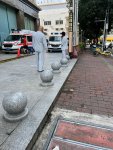
Opinión de expertos de Bookimed: Los principales centros médicos de China suelen contar con instalaciones acreditadas por la JCI, como el Hospital Oncológico Fuda, lo que demuestra un alto nivel de seguridad para el paciente. Si bien la cirugía es rápida, los pacientes extranjeros deben elegir hoteles a poca distancia de la clínica. Tras la cirugía, desplazarse por las calles de la ciudad con mayor sensib
Los pacientes internacionales pueden acceder fácilmente a la cirugía láser en China a través de departamentos médicos internacionales y clínicas cooperativas especializadas. Si bien los hospitales públicos utilizan el mandarín, los centros de alta calidad en Pekín, Shanghái y Cantón cuentan con coordinadores que hablan inglés y cirujanos con formación internacional, lo que garantiza una comunicación fluida y una atención médica óptima.
Opinión de expertos de Bookimed: Los datos muestran que China ocupa el cuarto lugar a nivel mundial en cuanto a solicitudes de turismo médico, lo que pone de manifiesto su enorme potencial clínico. Centros como el Hospital Oncológico Fuda utilizan estándares acreditados por la JCI para atender a pacientes de más de 100 países. Para procedimientos láser electivos, elegir clínicas con