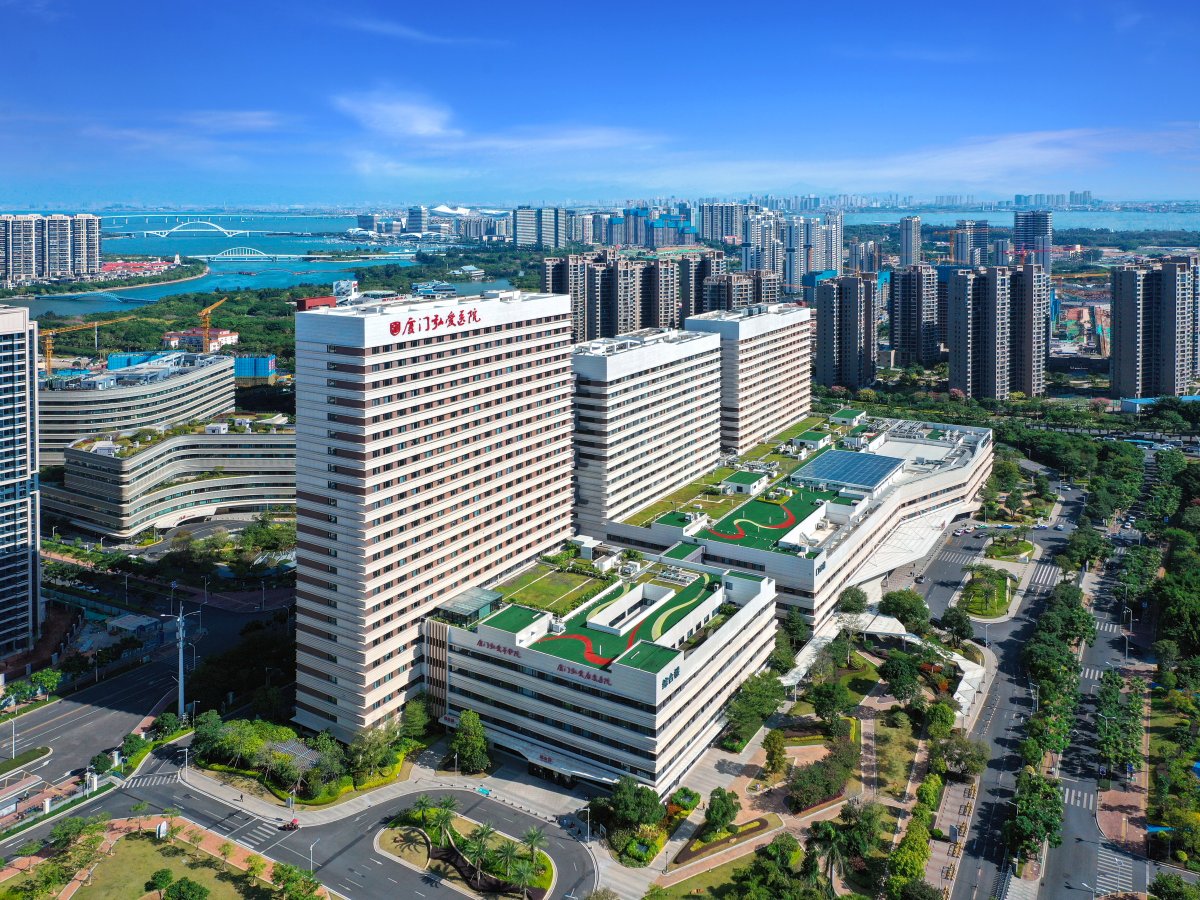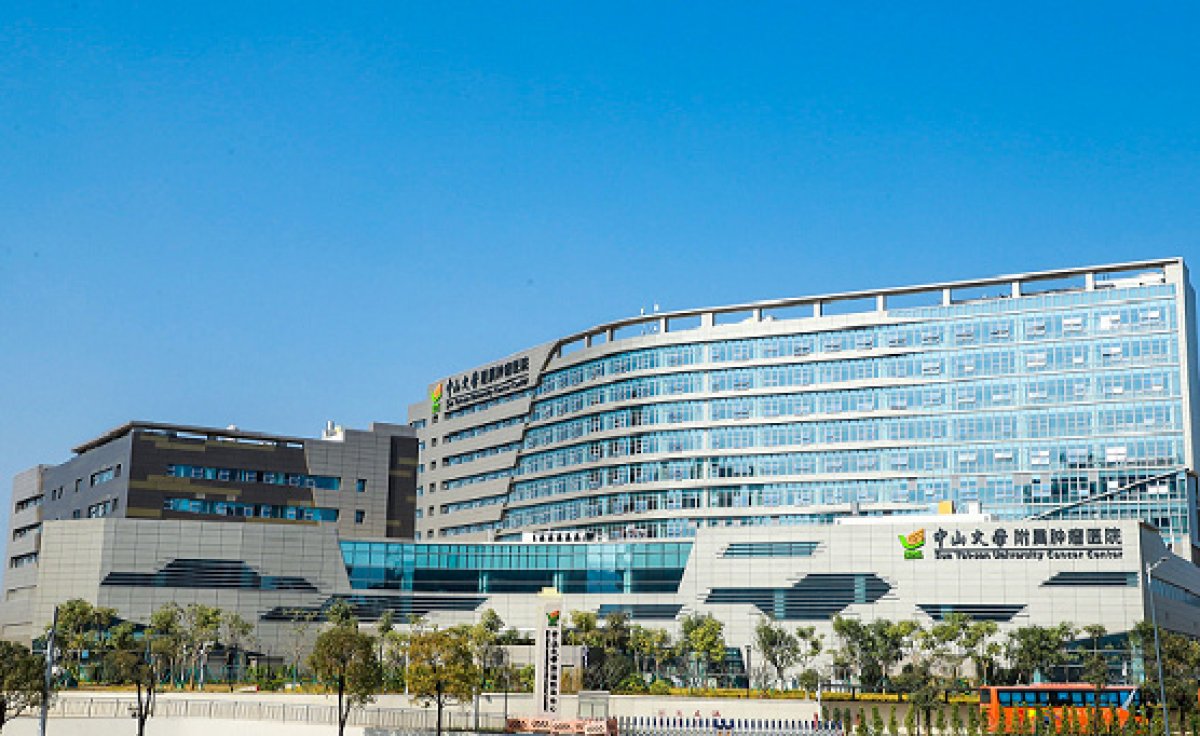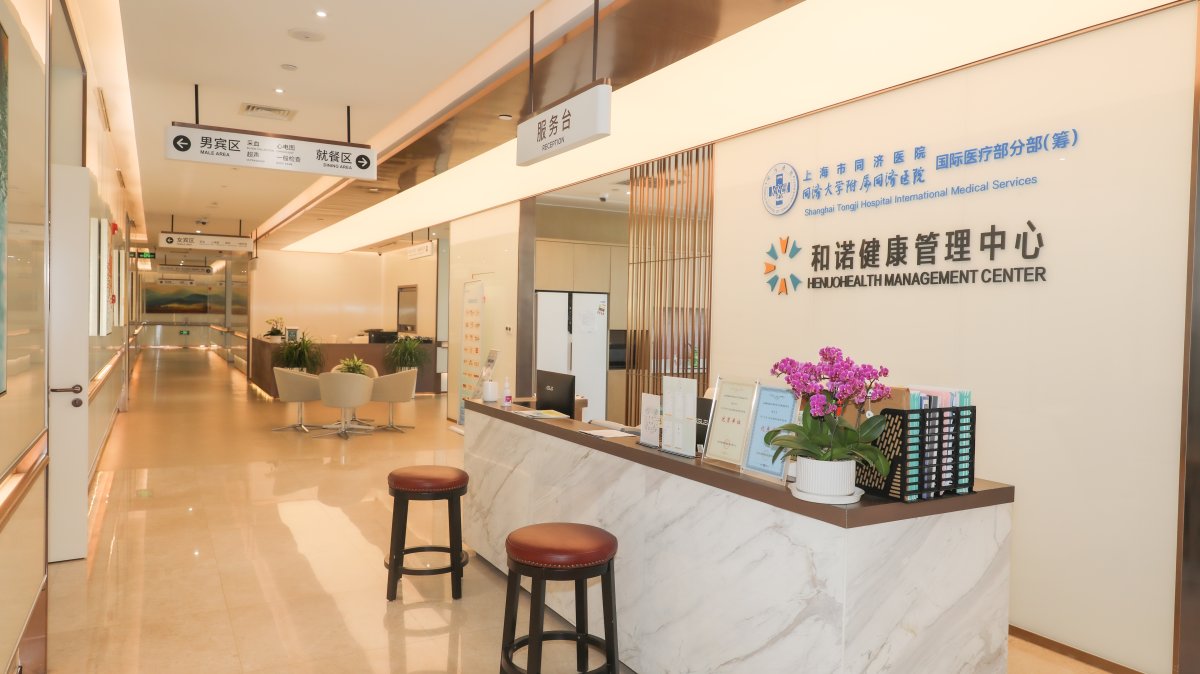
Centro de hematología y terapia celular Shanghai Tongji Hospital
China, Shanghái


Revisado médicamente por
Fahad Mawlood
La discectomía en China suele costar entre $8,700 y $15,200 dependiendo de la técnica quirúrgica, el nivel de la clínica y la ciudad. En los EE. UU. El costo total generalmente incluye el procedimiento quirúrgico, la anestesia y varios días de atención hospitalaria para pacientes internados.
Perspectiva del experto de Bookimed: Elegir instalaciones acreditadas por la JCI, como el Hospital Internacional Yanda o el Hospital Oncológico Fuda, garantiza una atención de estándares occidentales. Si bien los precios en Pekín suelen comenzar alrededor de los $14,000, las clínicas en Cantón ofrecen una calidad comparable por aproximadamente $7,800. Los pacientes inteligentes buscan médicos como Siyi Cai, quien se formó en el Hospital for Special Surgery de Nueva York. Esta experiencia de élite está disponible en China a una fracción de los costos de EE. UU.
| China | España | Turquía | |
|---|---|---|---|
| Discectomía | ≈ $8,700 | de $17,200 | de $4,500 |
| Extirpación de hernia discal con diagnóstico preoperatorio | de $9,000 | de $27,000 | de $5,000 |
| Cirugía de hernia discal | de $56,000 | de $11,000 | de $5,000 |
Día 1 - Llegada
Día 2 - Preoperatorio
Día 3 - Discectomía
Día 4 a 7 - Postoperatorio
Semana 1 a 2 - Rehabilitación
Semana 3 a 4 - Recuperación
Semana 5 en adelante
Nota: El programa anterior es una guía general. El proceso de recuperación de cada paciente puede variar según las condiciones de salud individuales.

El Dr. Ma Bin, MD, PhD, es médico jefe y tutor de maestría en Cirugía de Columna en un hospital terciario. Cuenta con más de 20 años de experiencia. Su trabajo se centra en la enfermedad degenerativa de la columna y la cirugía mínimamente invasiva. Es experto en PELD, fijación percutánea con tornillos pediculares y descompresión y fusión asistidas con retractor tubular.
Forma parte del Comité de Cirugía de Columna Mínimamente Invasiva de la Asociación China de Ortopedia. También es mie
 Olena Sikoza
En China, la tasa de éxito de la discectomía oscila entre el 70 % y el 94 %, lo que se ajusta a los estándares internacionales para el tratamiento de la columna vertebral. Las técnicas especializadas, como la discectomía microendoscópica, alcanzan tasas de éxito del 91,6 % al 93,7 %. Los mejores resultados se obtienen en instituciones médicas especializadas como el Hospital Internacional Janda, acreditado por la Joint Commission International.
Opinión de expertos de Bookimed: En China, el volumen de pacientes es un indicador importante de calidad. Cirujanos de primer nivel, como el profesor Yu Wang, realizan hasta 1000 cirugías al año. Esta alta tasa de reintervenciones suele derivar en una mayor precisión técnica, lo que garantiza que la tasa de éxito en cirugía de col
Los mejores hospitales chinos, acreditados por la Joint Commission International (JCI), garantizan el máximo nivel de seguridad en cirugía de columna. Los centros de élite utilizan tecnologías de vanguardia, como diagnósticos basados en inteligencia artificial y navegación quirúrgica robótica. Estas instituciones cuentan con doble certificación, cumpliendo tanto con los estrictos estándares chinos III-A como con los protocolos de seguridad internacionales.
Opinión de un experto de Bookimed: Si bien las ciudades de primer nivel ofrecen atención médica de clase mundial, la seguridad depende del volumen de trabajo que realiza cada cirujano. El profesor Yu Wang, de AMCare, realiza hasta 1000 cirugías de columna al año. Esta intensa carga de trabajo clínico es t
El Hospital Jishuitan de Pekín y el Hospital Universitario Peking Union Medical College (PUMCH) son instituciones líderes en China en discectomía. Estos centros ortopédicos nacionales se especializan en cirugía robótica de columna y microdiscectomía. Instituciones acreditadas por la JCI, como el Hospital Internacional Yanda, atienden a pacientes de todo el mundo, utilizando técnicas endoscópicas avanzadas y con personal que habla inglés.
Opinión de expertos de Bookimed: Si bien gigantes estatales como Jishuitan lideran en tecnología, los grandes centros suelen priorizar la rapidez. Los datos de los pacientes sugieren la necesidad de optar por centros privados acreditados por la JCI u hospitales como Yanda. Estas
La barrera lingüística en China puede retrasar el alivio del dolor agudo y dificultar el consentimiento informado durante la discectomía. Si bien los cirujanos más destacados de las instituciones acreditadas por la JCI suelen hablar inglés, el personal médico y los equipos hospitalarios a menudo no lo hacen. Esto puede provocar graves malentendidos con respecto a las instrucciones de movilización postoperatoria o los ajustes de la medicación.
Opinión de los expertos de Bookimed: Si bien los hospitales públicos ofrecen precios más bajos, las clínicas acreditadas por la JCI en Pekín y Guangzhou reducen significativamente los riesgos. Centros como el Hospital Internacional Yanda a
La recuperación tras una discectomía en China generalmente permite retomar actividades ligeras en 2 a 4 semanas, mientras que la recuperación funcional completa tarda de 3 a 6 meses. Los pacientes suelen permanecer hospitalizados de 3 a 7 días para observación, siguiendo protocolos de recuperación intensificada y, en ocasiones, utilizando medicina tradicional china para reducir la inflamación.
Opinión de expertos de Bookimed: Mientras que las clínicas occidentales priorizan la cirugía ambulatoria, los principales hospitales chinos de categoría A y nivel III, como el Hospital Internacional Yanda, priorizan la observación hospitalaria de varios días. Esta estancia prolongada suele incluir acceso inmediato a equi