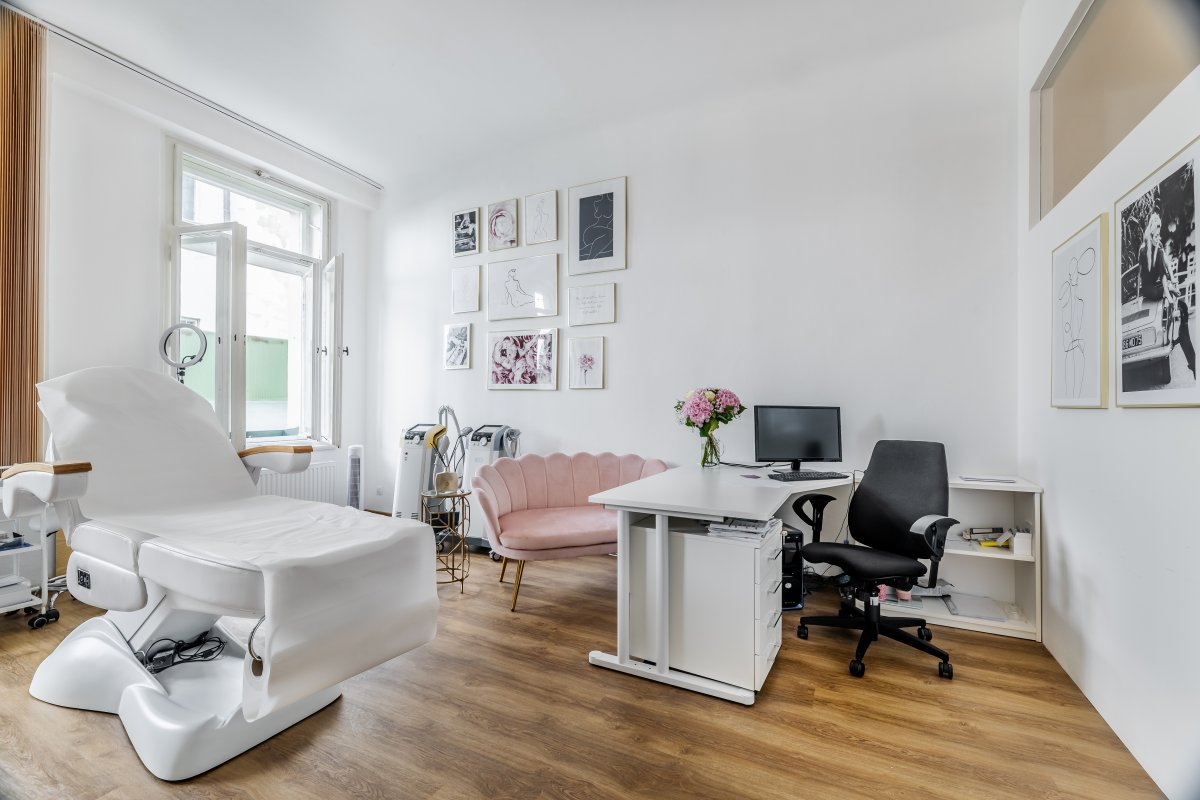
Czech Hospital of Horovice
República Checa, Hořovice


Revisado médicamente por
Fahad Mawlood
De $2,700. El precio final depende de la técnica quirúrgica, la experiencia del médico y la ubicación específica de la clínica. En los Estados Unidos, procedimientos similares cuestan alrededor de $15,800 en promedio. Los pacientes ahorran alrededor de un 83% en comparación con los precios de EE. UU. Las inclusiones estándar suelen cubrir las consultas preoperatorias, la anestesia y el apoyo posquirúrgico.
Perspectiva del experto de Bookimed: Elegir un centro de tamaño mediano como Altoa puede proporcionar un valor excepcional. Este hospital atiende a 17,350 pacientes al año con un gran personal de 450 médicos. Si bien Praga es un centro importante, los hospitales regionales a menudo mantienen altos estándares con menores costos generales. Para aquellos que visitan Praga, ABClinic Art & Beauty ofrece descuentos estacionales del 15% durante julio y agosto.
| República Checa | España | Estados Unidos | |
|---|---|---|---|
| El estiramiento facial endoscópico | de $2,700 | de $20,200 | ≈ $9,500 |
Bookimed no añade cargos adicionales a los precios de El estiramiento facial endoscópico. Las tarifas proceden de las listas de precios oficiales de las clínicas. Pagará directamente en la clínica por su El estiramiento facial endoscópico a su llegada al país.
Bookimed está comprometido con su seguridad. Solo trabajamos con las clínicas que mantienen altos estándares internacionales en El estiramiento facial endoscópico y tienen las licencias necesarias para atender a pacientes internacionales en todo el mundo.
Bookimed ofrece asistencia experta gratuita. Un coordinador médico personal le apoya antes, durante y después del tratamiento, resolviendo cualquier problema. Nunca estará solo en su viaje médico de El estiramiento facial endoscópico.

 Olena Sikoza

Una cirugía de rejuvenecimiento facial mínimamente invasiva que utiliza pequeñas incisiones y una cámara para levantar y tensar la piel.
Los candidatos ideales para un estiramiento facial endoscópico son adultos sanos de entre 30 y 55 años con una buena elasticidad cutánea. Este procedimiento se centra en la flacidez de la parte media del rostro, los párpados inferiores hundidos y las cejas caídas. Es adecuado para pacientes que buscan un levantamiento estructural sin necesidad de una eliminación significativa de piel facial suelta o redundante.
Perspectiva del experto de Bookimed: Clínicas en la República Checa como ABClinic Art & Beauty o Altoa atienden a miles de pacientes internacionales cada año. Los datos muestran que esta región es un destino mundial líder para la cirugía facial. Los candidatos suelen elegir estos centros porque ofrecen tecnología endoscópica avanzada a un 83% menos que los costos en EE. UU. Esto permite a los pacientes combinar el levantami
Un enfoque endoscópico debe ser evitado por pacientes con exceso de piel flácida, papada pronunciada o un envejecimiento significativo del cuello. Los candidatos con enfermedades cardiovasculares inestables, problemas respiratorios o trastornos hemorrágicos también enfrentan mayores riesgos. Los cirujanos plásticos generalmente prefieren las técnicas tradicionales para reposicionamientos faciales extensos o patologías tisulares de múltiples niveles.
Perspectiva de expertos de Bookimed: Las clínicas de la República Checa como Altoa y ABClinic Art & Beauty se centran en la precisión. El alto volumen de pacientes en Praga sugiere una tendencia en la que los cirujanos recomiendan estiramientos faciales tradicionales para la corrección de la parte inferior del rostro. Los métodos endoscópicos es
Un estiramiento facial endoscópico utiliza una sonda guiada por cámara para reposicionar los tejidos profundos de la parte media del rostro a través de pequeñas incisiones en la línea del cabello. A diferencia de los estiramientos faciales tradicionales, no implica la eliminación de piel. Se dirige verticalmente a la parte superior de las mejillas y las cejas en lugar de estirar horizontalmente la piel de la parte inferior del rostro y el cuello.
Perspectiva de expertos de Bookimed: Las clínicas de la República Checa, como Forme o ABClinic, a menudo recomiendan técnicas endoscópicas para pacientes de unos 30 años. Este enfoque evita las cicatrices visibles alrededor de las orejas que se encuentran en la cirugía tradicional. La estancia hospitalaria estándar de 1 noche en Praga garantiza una vigilancia inicial adecuada de estos anclajes de tejido profundo.
Consenso de los pacientes:
Los Endotines son pequeños implantes bioabsorbibles utilizados durante estiramientos faciales y de cejas endoscópicos para anclar el tejido flácido. Estos dispositivos aprobados por la FDA cuentan con pequeñas puntas que distribuyen la tensión de manera uniforme, asegurando una fijación segura durante el proceso de curación hasta que los tejidos se vuelvan a unir naturalmente al hueso.
Perspectiva del experto de Bookimed: La República Checa sigue siendo uno de los 7 principales destinos mundiales para la cirugía plástica, ya que clínicas como Altoa o ABClinic atienden a miles de pacientes internacionales anualmente. En Praga, los cirujanos suelen recomendar dispositivos bioabsorbibles para pacientes con piel más gruesa para lograr una mejor estabilidad del estiramiento. Si tiene la piel muy fina, pregunte siempre a su cirujano sobre la colocac
Los resultados de un lifting endoscópico suelen durar entre 5 y 10 años. Aunque las mejoras quirúrgicas en la altura del tercio medio facial pueden persistir durante 15 años, el rostro envejece de forma natural. Esta técnica ofrece una mayor longevidad en la frente y el tercio medio facial en comparación con la línea de la mandíbula inferior y el cuello.
Perspectiva del experto de Bookimed: Si bien las clínicas de Praga como ABClinic Art & Beauty y Elizabeth Beauty Clinic atienden a miles de pacientes internacionales, el verdadero valor reside en la proporción de cirujanos por paciente. Las grandes instalaciones como Altoa, con más de 450 médicos, a menudo ofrecen equipos quirúrgicos altamente especializados. Estos equipos se centran exclusivamente en técnicas endoscópicas, lo que puede mejorar el éxito del anclaje de tejidos a largo pl
Después de un estiramiento facial endoscópico en la República Checa, la mayoría de los pacientes reanudan sus actividades ligeras en un plazo de 3 a 7 días. El tiempo de inactividad social total dura de 10 a 14 días, aunque el asentamiento final de los tejidos ocurre entre 1 y 3 meses. Este enfoque mínimamente invasivo reduce significativamente la hinchazón en comparación con la cirugía tradicional.
Perspectiva del experto de Bookimed: Si bien las clínicas de Praga como ABClinic Art & Beauty ofrecen técnicas endoscópicas especializadas, la recuperación implica una fase emocional. Los pacientes en centros que atienden a más de 17,000 visitantes anuales a menudo informan que las primeras 2 semanas son las más difíciles. El rostro puede verse más ancho o asimétrico al principio debido a la hinchazón antes de asentarse naturalmente.
Consenso de los pacientes: Espere m