Inmunología en Alemania: las 19 mejores clínicas con opiniones de pacientes


Revisado médicamente por
Fahad Mawlood
¿Cuál es el precio de procedimientos de Inmunología en Alemania? Descubra ahora
La inmunología en Alemania suele costar entre $3,700 y $7,300. El gasto total depende de si usted requiere inmunoterapia para alergias, análisis de sangre especializados o tratamientos avanzados contra el cáncer. Los pacientes que buscan inmunoterapia compleja en Alemania a menudo encuentran ahorros del 30-80% en comparación con los EE. UU. para protocolos similares.
Costos típicos de inmunología en Alemania
- Diagnóstico hospitalario para enfermedades reumatológicas: Precio a consultar
- Pruebas de laboratorio para el Lupus Eritematoso Sistémico: de $800
- Revisión de resultados de resonancia magnética (MRI): $180 – $350
- Terapia con células madre de cordón umbilical: $4,500 – $10,500
- Terapia con células madre para el VIH: Precio a consultar
- Terapia intravenosa con curcumina: $1,300 – $2,800
Los principales centros de inmunología se encuentran en Berlín, Múnich y Düsseldorf. Hamburgo y Fráncfort también albergan clínicas universitarias especializadas para terapias avanzadas. Consulte con un especialista para obtener precios precisos para sus necesidades médicas y plan de tratamiento específicos.
| Alemania | España | Turquía | |
|---|---|---|---|
| Tratamiento de sangre de cordón umbilical | ≈ $4,500 | ≈ $3,800 | ≈ $3,500 |
| Terapia intravenosa con curcumina | ≈ $1,300 | ≈ $450 | ≈ $900 |
| Terapia de mejora inmunológica | ≈ $2,500 | ≈ $2,200 | ≈ $1,800 |
| Plasmaféresis | ≈ $2,200 | de $12,300 | de $3,200 |
| Intercambio de plasma | ≈ $3,800 | ≈ $2,400 | ≈ $3,900 |
Todas las enfermedades de Inmunología
Sus beneficios y garantías con Bookimed
Precios directos
Bookimed no añade cargos extra a los precios de los tratamientos de Inmunología. Las tarifas proceden de las listas de precios oficiales de las clínicas. Pagará directamente en la clínica por su tratamiento a su llegada al país.
Sólo clínicas y médicos verificados
Bookimed está comprometido con su seguridad. Solo trabajamos con las clínicas que mantienen altos estándares internacionales en el tratamiento de Inmunología y tienen las licencias necesarias para atender a pacientes internacionales en todo el mundo.
Asistencia 24/7 gratuita
Bookimed ofrece asistencia experta gratuita. Un coordinador médico personal le apoya antes, durante y después del tratamiento, resolviendo cualquier problema. Nunca estará solo en su viaje médico de procedimientos de Inmunología.

Su coordinador médico personal de Bookimed
- Le apoya en cada etapa
- Ayuda a elegir la clínica y el médico adecuados
- Asegura un acceso rápido y conveniente a la información
Descubra las mejores clínicas de Inmunología en Alemania: 19 opciones verificadas y Precios





Hospital Havelhoehe



Kerckhoff clinic



Heart Center Dresden University Hospital
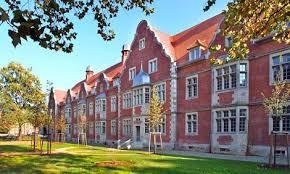
Evangelische Lunge Clinic

Ev.Clinic Hubertus
Los mejores centros médicos de Inmunología en Alemania
- Medical Center in Solingen, Alemania
- Nordwest Hospital, Alemania
- Nordrhein-Westfalen Clinic Complex, Alemania
- Hospital Havelhoehe, Alemania
- Charité, Alemania
- Kerckhoff clinic, Alemania
- Medical Center Rechts der Isar , Alemania
- Heart Center Dresden University Hospital, Alemania
- Evangelische Lunge Clinic, Alemania
- Ev.Clinic Hubertus, Alemania
Obtenga una evaluación médica de Inmunología en Alemania: haga una consulta con 8 médicos experimentados ahora
Ver todos los médicos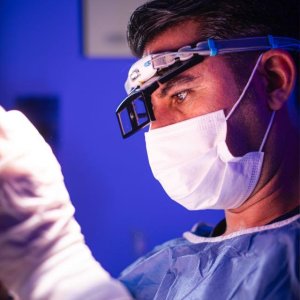
bilal Elbey
El Dr. Bilal Elbey posee una licencia médica alemana (Approbation). Tiene formación clínica en neurología y psiquiatría en Klinikum Wahrendorff y en la Escuela de Medicina de Hannover (MHH), en Hannover.
Aplica esta experiencia a la restauración capilar. Ofrece planes individualizados basados en una evaluación exhaustiva, con un claro enfoque en la seguridad y los resultados.
Ha participado en varios proyectos de investigación clínica. Sus trabajos científicos figuran en PubMed

Viola Fox
El Dr. Fox dirige la Clínica de Hematología, Oncología y Cuidados Paliativos del BKZ Solingen, un centro oncológico interdisciplinario certificado.
- Especialista en inmunoterapia y terapias dirigidas para enfermedades tumorales
- Especialista cualificado en genética con experiencia en diagnóstico molecular
- Investigador activo en biología molecular para tratamientos hematooncológicos
- Experiencia como Jefe Médico Adjunto en la Clínica de Pneumología de Colonia
- Miembro de sociedades de investigación oncológica alemanas y estadounidenses

Viktor Alexander Krol
El Dr. Viktor Alexander Krol dirige los departamentos de Gastroenterología y Medicina Interna del St. Martinus-Krankenhaus Düsseldorf, especializándose en la atención integral digestiva y metabólica.
- Director de un Centro de Tratamiento de la Obesidad certificado con técnicas bariátricas avanzadas
- Experto en procedimientos endoscópicos para trastornos gastrointestinales
- Especializado en terapias del sistema metabólico y cardiovascular
- Utiliza las últimas tecnologías de diagnóstico para planes de tratamiento precisos
Reseñas
Todas las reseñasArtículos relacionados

Métodos para el tratamiento del VIH y el SIDA
Escrito por Veronika Kazina

Métodos de tratamiento del SIDA en Israel
Escrito por Veronika Kazina

Intentaron curar el cáncer pero curaron... ¡VIH!
Escrito por Veronika Kazina
Compartir contenido
Historias en video de pacientes de Bookimed
 Olena Sikoza
Preguntas frecuentes sobre Inmunología en Alemania
¿Está disponible la inmunoterapia para todos los tipos de cáncer en Alemania?
La inmunoterapia está disponible en Alemania para muchos tipos de cáncer, pero no es universal para todos. La accesibilidad depende del perfil específico del tumor, el estadio del cáncer y los estándares internacionales de tratamiento. Las opciones estándar incluyen inhibidores de puntos de control, terapia de células CAR-T y vacunas antitumorales personalizadas para melanoma, cáncer de pulmón y de riñón.
- Tratamientos principales: Las clínicas ofrecen inhibidores de puntos de control, terapia CAR-T y combinaciones de terapias dirigidas.
- Experiencia clínica: La Prof. Dra. Elke Jaeger en la Clínica Nordwest se especializa en vacunas antitumorales individuales.
- Centros certificados: El Centro Médico de Solingen y la Clínica de Renania del Norte-Westfalia están certificados por la Sociedad Alemana del Cáncer.
- Plazo de acceso: Las revisiones médicas y de seguros para tratamientos especializados suelen tardar de 4 a 8 semanas.
Perspectiva de expertos de Bookimed: Los datos de centros de alto volumen como Charité y la Clínica Nordwest muestran una tendencia hacia institutos de investigación integrados. Estas clínicas a menudo otorgan un acceso más rápido a protocolos experimentales para tumores raros. Los pacientes que eligen hospitales universitarios suelen beneficiarse de comités moleculares de tumores que evalúan la elegibilidad para inmuno
¿Qué tan segura es la terapia con células dendríticas (DCT) en Alemania?
La terapia con células dendríticas en Alemania es una inmunoterapia segura y con una alta tolerabilidad. La mayoría de los pacientes experimentan solo síntomas leves similares a los de la gripe durante 48 horas. El procedimiento utiliza las propias células del paciente para evitar daños en los tejidos. Los procedimientos siguen los estándares de calidad EU-GMP y se someten a auditorías gubernamentales anuales.
- Efectos secundarios mínimos: La mayoría de los pacientes informan solo fiebre temporal, fatiga o enrojecimiento en el sitio de la inyección.
- Supervisión experta: La Prof. Dra. Elke Jaeger en la Clínica Nordwest tiene más de 30 años de experiencia.
- Instalaciones de alta tecnología: Centros acreditados como el Medical Center Rechts der Isar utilizan imágenes digitales.
- Calidad certificada: Las mejores clínicas cuentan con acreditaciones de la Sociedad Alemana del Cáncer y JCI o KTQ.
Perspectiva del experto de Bookimed: Las clínicas alemanas especializadas en vacunas contra el cáncer a menudo integran la terapia con diagnósticos moleculares. Los datos muestran que centros como la Clínica Nordwest, que atiende a más de 61,000 pacientes al año, ofrecen una mayor seguridad. Su alto volumen permite protocolos refinados que reducen el riesgo de inflamación relacionada con el sistema inmunológico. Los pacientes deben priorizar las clínicas
¿Cuáles son los principales tipos de inmunoterapia ofrecidos?
Las clínicas alemanas ofrecen inmunoterapia avanzada, incluidos inhibidores de puntos de control, terapia de células CAR-T y vacunas antitumorales terapéuticas. Los especialistas utilizan diagnósticos moleculares como las pruebas de PD-L1 para adaptar los tratamientos a los perfiles genéticos. Centros como la Clínica Nordwest y la Charité de Berlín ofrecen estas terapias para diversos tipos de cáncer y trastornos inmunológicos.
- Inhibidores de puntos de control: Estos medicamentos bloquean proteínas como PD-1 para ayudar a las células T a atacar el cáncer.
- Terapia de células CAR-T: Modificación de las células T para identificar y destruir células cancerosas específicas.
- Vacunas antitumorales: Vacunas individualizadas desarrolladas en centros como la Clínica Nordwest para terapia dirigida.
- Enfoques combinados: Los expertos a menudo combinan la inmunoterapia con quimioterapia o radiación para obtener mejores resultados.
- Terapia dirigida: Tratamientos basados en moléculas diseñados para atacar marcadores específicos en el tumor de un paciente.
Perspectiva del experto de Bookimed: Los datos muestran que los principales centros alemanes como la Clínica Nordwest integran institutos de investigación directamente en la atención al paciente. Esto permite a médicos como la Prof. Dra. Elke Jaeger implementar vacunas terapé
¿Cuánto tiempo debo permanecer en Alemania para recibir tratamiento?
Su estancia para inmunología en Alemania depende de la complejidad del protocolo de tratamiento. Los chequeos diagnósticos a menudo toman unas pocas horas. Los tratamientos hospitalarios duran un promedio de 7 días. Las terapias complejas como los trasplantes de células madre o la inmunoterapia intensiva suelen requerir de 3 a 6 semanas para el monitoreo y la estabilización.
- Fase diagnóstica: Las consultas iniciales y la planificación suelen requerir de 2 a 5 días en Alemania.
- Infusiones estándar: Los pacientes que reciben productos biológicos o IVIG a menudo permanecen de 2 a 3 semanas.
- Terapia con células madre: Los procedimientos intensivos como la terapia con células madre requieren de 4 a 6 semanas para la recuperación.
- Límites de visa: Las visas Schengen cubren hasta 90 días para tratamientos médicos de corta duración.
Opinión de expertos de Bookimed: Los hospitales académicos como la Charité - Universitätsmedizin Berlin o la Clínica Nordwest manejan volúmenes masivos de pacientes. Solo la Charité trata a más de 845,000 pacientes al año. Este alto volumen permite a estos centros agilizar los plazos de diagnóstico. Los pacientes a menudo completan estudios inmunológicos exhaustivos en 3 días en lugar de semanas.
Consenso de los pacientes: Los pacientes señalan que es importante planificar un margen de 1 sema
¿Qué documentos se requieren para la admisión internacional?
La admisión internacional para programas de inmunología en Alemania requiere un pasaporte válido, expedientes académicos y certificados de título certificados. Los solicitantes de fuera de la Unión Europea a menudo necesitan una Apostilla o un certificado APS. Las puntuaciones estandarizadas de dominio del inglés o alemán y la prueba de apoyo financiero son obligatorias para todos los candidatos.
- Registros académicos: Proporcione expedientes académicos y diplomas oficiales con traducciones certificadas al alemán o inglés.
- Dominio del idioma: Envíe las puntuaciones de TOEFL, IELTS o TestDaF que cumplan con los requisitos específicos del programa.
- Prueba financiera: Muestre una cuenta bloqueada con aproximadamente 11.000 EUR para gastos de manutención.
- Documentos de respaldo: Incluya una carta de motivación personalizada, CV y dos cartas de recomendación de profesores.
Perspectiva del experto de Bookimed: Concéntrese en clínicas y centros de investigación con grandes volúmenes de pacientes para evaluar la solidez del programa. Charité - Universitätsmedizin Berlin atiende a más de 845.000 pacientes al año y es el hospital universitario más famoso de Europa. Las instituciones con este nivel de exposición clínica a menudo brindan oportunidades superiores de networking de investigación para los estudiantes de inmunología.
Conse
¿Necesito una visa médica?
Los pacientes que viajan por inmunología a Alemania generalmente requieren una visa Schengen (Tipo C) para tratamientos de menos de 90 días. Debe especificar la intención médica durante su solicitud. Para terapias más largas, como protocolos intensivos de células madre, es necesaria una visa nacional (Tipo D) para evitar complicaciones legales.
- Tipo de visa: Utilice la visa Schengen Tipo C para consultas breves o terapias intravenosas de menos de 90 días.
- Estancias más largas: Solicite una visa nacional Tipo D si el tratamiento supera los 3 meses.
- Documento requerido: Hospitales como Charité - Universitätsmedizin Berlin proporcionan cartas de invitación médica oficiales.
- Prueba financiera: La evidencia de fondos debe cubrir el tratamiento que oscila entre _price_from_ y _price_to_.
Opinión de expertos de Bookimed: Los hospitales universitarios alemanes como Charité - Universitätsmedizin Berlin o Nordwest Clinic (Krankenhaus) manejan grandes volúmenes de pacientes, con la Charité atendiendo a más de 800,000 personas anualmente. Debido a esta escala, sus departamentos internacionales son altamente eficientes en la emisión de las cartas de 'invitación médica' específicas requeridas por las embajadas. Obtener esta carta con anticipación es el paso más crítico para evitar retrasos en la visa para casos complejos de inmunología.
¿Qué hospitales en Alemania tienen las calificaciones más altas en neurocirugía?
Alemania alberga algunos de los departamentos de neurocirugía más prestigiosos del mundo, liderados por la Charité – Universitätsmedizin Berlin y el Hospital Universitario de Heidelberg. Estos centros destacan en el tratamiento de tumores cerebrales complejos y enfermedades cerebrovasculares. Para maximizar la eficacia de sus procedimientos, utilizan tecnologías de vanguardia como la resonancia magnética intraoperatoria y la neuronavegación asistida por computadora.
- Charité Berlín: Realiza más de 5000 cirugías al año. La clínica está dirigida por el reconocido neurocirujano Dr. Peter Vaikoczy.
- Centro Médico Solingen: El Dr. Ralf Buhl ha realizado más de 4.000 cirugías, incluidas cirugías de columna mínimamente invasivas.
- Clínica Asklepios Nord: equipada con el único sistema de resonancia magnética intraoperatoria bilateral de Alemania para garantizar precisión quirúrgica en tiempo real durante la extirpación del tumor.
- Clínica Nordwest: reconocida por la revista Newsweek como un hospital líder por su innovación en tecnología de ultrasonido 3D.
Opinión experta de Bookimed: Los datos muestran que elegir centros con un alto volumen quirúrgico suele llevar a recomendaciones de tratamiento más conservadoras. En el Centro Médico Solingen, que atiende a más de 60.000 pacientes al año, los cirujanos suelen sugerir fisioterapia en lugar de cirugía
¿Cuáles son las tasas de éxito de los procedimientos neuroquirúrgicos complejos en Alemania?
En Alemania, los procedimientos neuroquirúrgicos de alta complejidad demuestran una seguridad excepcional. Las tasas de éxito en las fusiones espinales alcanzan el 99 %. La tasa de supervivencia en las resecciones de tumores cerebrales primarios es del 97 %. La independencia funcional es alta. Más del 82 % de los pacientes reciben el alta inmediatamente después del tratamiento. Los centros alemanes priorizan la preservación de la función neurológica mediante técnicas modernas de mapeo.
- Resección de tumores: los cirujanos logran una resección tumoral completa en el 87,2% de los casos de metástasis cerebrales.
- Éxito en el tratamiento de enfermedades vasculares: los hospitales alemanes informan de una tasa de supervivencia del 98,7% para aneurismas no rotos.
- Mejora del estado neurológico: casi el 43% de los pacientes experimentan una mejora de los parámetros funcionales después de resecciones complejas.
- Seguridad de las intervenciones quirúrgicas: En grandes centros quirúrgicos, las tasas de supervivencia de los pacientes después de la cirugía de columna son del 98-99%.
Opinión experta de Bookimed: Cirujanos experimentados como el Dr. Uwe Köhler, de la Clínica Asklepios Altona, realizan más de 2000 cirugías al año. Los datos muestran que estos especialistas mantienen tasas de éxito de hasta el 90 %, incluso en los tumores cerebrales más comp
¿Qué tecnologías avanzadas suelen estar disponibles en las clínicas neuroquirúrgicas alemanas?
Las clínicas neuroquirúrgicas alemanas incorporan regularmente instrumentos digitales de alta precisión y visualización en tiempo real a la práctica quirúrgica. Entre las tecnologías clave se encuentra la neuronavegación computarizada para cirugías de cerebro y médula espinal. Instituciones como la Clínica Asklepios Nord utilizan la resonancia magnética intraoperatoria para verificar la extirpación de tumores en tiempo real. Estos sistemas proporcionan a los cirujanos navegación GPS 3D.
- Neuronavegación: proporciona visualización 3D y seguimiento de instrumentos en tiempo real para lograr precisión quirúrgica hasta el nivel submilimétrico.
- Imágenes intraoperatorias: sistemas como iMRI y O-arm CT permiten la confirmación inmediata de una resección exitosa.
- Neuromonitorización: Monitorea las funciones motoras y sensoriales durante la cirugía para proteger el sistema nervioso.
- Diagnóstico de fluorescencia: se utiliza el colorante 5-ALA para resaltar los bordes del tumor para una eliminación más completa.
- Asistencia robótica: Sistemas como el Da Vinci mejoran la precisión en procedimientos complejos y mínimamente invasivos.
Opinión experta de Bookimed: Grandes centros como la Charité – Universitätsmedizin de Berlín realizan más de 4000 procedimientos neuroquirúrgicos al año, lo que crea un entorno rico en datos para p
¿Qué formación especializada reciben los neurocirujanos en ejercicio en Alemania?
En Alemania, los neurocirujanos deben completar una residencia especializada de seis años tras graduarse de la facultad de medicina. Este programa estructurado incluye cuidados intensivos, práctica clínica y una revista quirúrgica obligatoria. Posteriormente, los candidatos aprueban un examen estatal para obtener el título de residente (Facharzt für Neurochirurgie).
- Residencia clínica: requiere de 48 a 72 meses de práctica neuroquirúrgica especializada.
- Cuidados intensivos: incluye una pasantía obligatoria de 6 meses en una unidad de cuidados intensivos neuroquirúrgicos.
- Revista quirúrgica: los cirujanos documentan cientos de cirugías, incluidas craneotomías y cirugías de columna.
- Examen de licencia: Los solicitantes deben aprobar un examen médico oral y práctico administrado por el estado.
Opinión experta de Bookimed: La formación neuroquirúrgica alemana se centra en una amplia experiencia quirúrgica. Por ejemplo, el Dr. Ralf Buhl, del Centro Médico Solingen, ha realizado más de 4000 cirugías. El Dr. Jürgen Kiwit, del Hospital Meoklinik, cuenta con más de 25 años de experiencia. Este riguroso sistema garantiza que los especialistas de los principales centros aborden casos complejos con una precisión demostrada.
Comentarios de los pacientes: Los pacientes se sienten seguros al saber que sus médicos han recibido año